Description
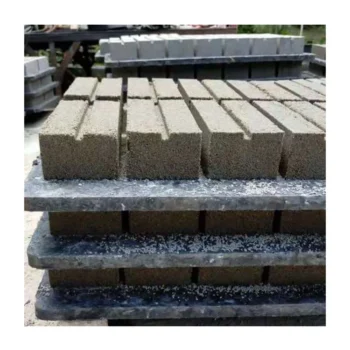
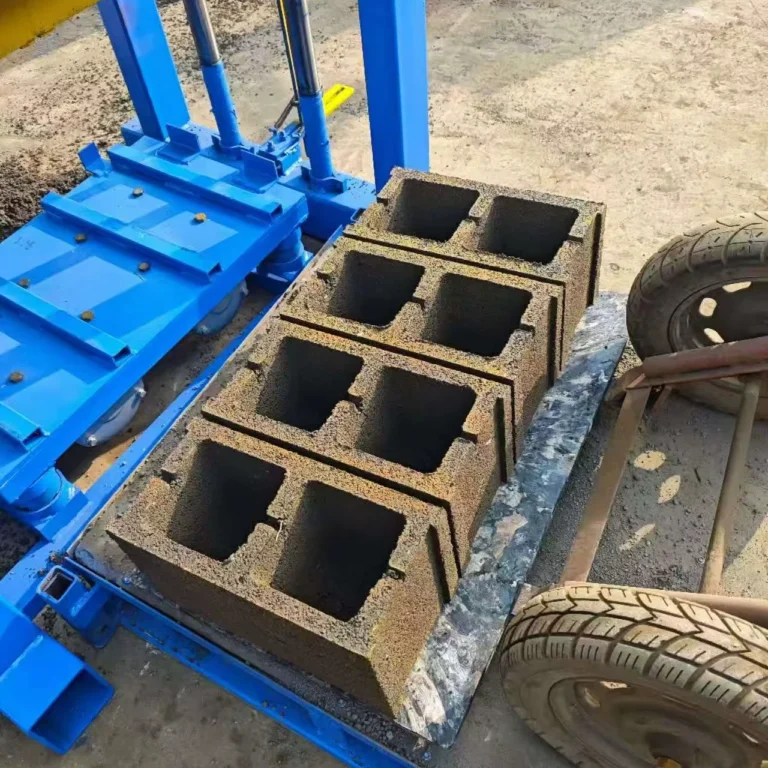
Standard Moulds Ready to Ship — Standard block format moulds for the QT10-15 are kept in inventory to eliminate custom fabrication delays and keep your dispatch schedule on track.
Technical Specifications
| Parameter | Value |
|---|---|
| Model | QT10-15 |
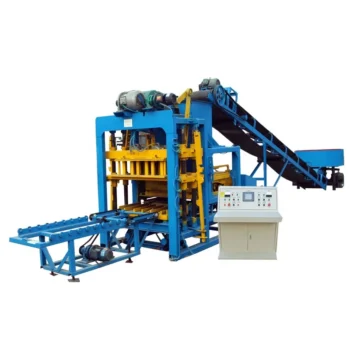
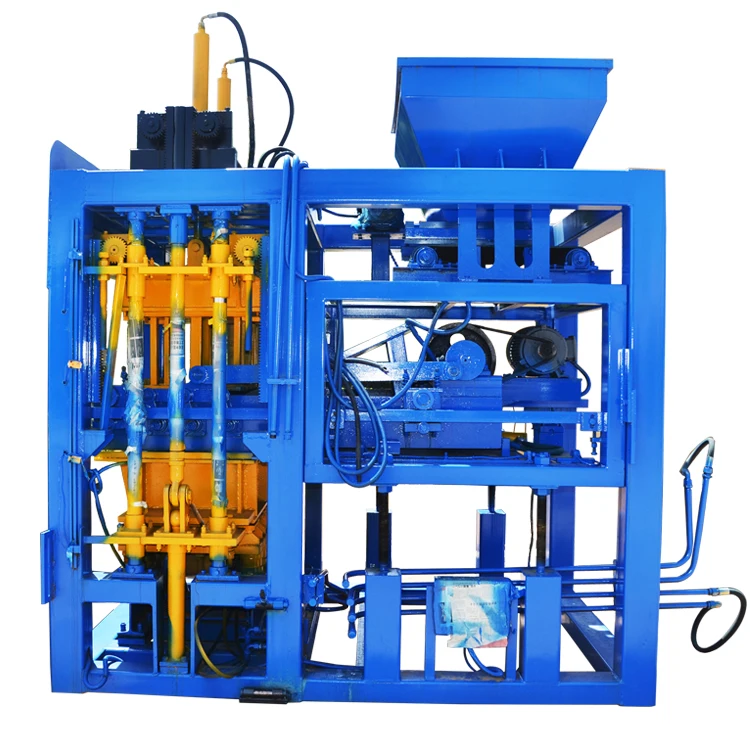
| Product Type | Automatic Hydraulic Press Brick Machine |
| Forming Method | Hydraulic Pressure |
| Automation Level | Fully Automatic |
| Voltage | 380V |
| Overall Dimension (L×W×H) | 7100 × 1600 × 2610 mm |
| Total Weight | 7200 kg |
| Pallet Size | 1100 × 900 mm |
| Molding Cycle | 15 Seconds |
| Core Components | PLC, Pressure Vessel, Motor, Pump, Gearbox |
| Production Capacity | Various figures (basis not stated in source — confirm block format) |
Application Suitability
| Application Scenario | Target Output / Material Focus |
|---|---|
| Development and housing project contractors | Rapid local cement block production to meet strict construction deadlines |
| Entrepreneurs setting up a first block plant | Immediate equipment deployment for standard hollow and solid block formats |
| Construction contractors producing on-site | Fast setup for continuous masonry supply without relying on external delivery delays |
Why the Voltage Question Must Precede the Dispatch Date
Confirming local electrical standards before loading prevents dead-on-arrival equipment.
Early in my career routing machinery through Latin America, I shipped a fully automatic line to Chile without double-checking the site’s specific voltage and frequency requirements. The equipment arrived on schedule, but the local grid could not power it. The project lost three weeks waiting for transformer retrofits while the foundation cured and the crew stood idle. When you need a QT10-15 block machine in stock, verifying the 380V configuration against your site’s actual supply is the most critical step to protect your timeline [NEED_CITE: voltage and frequency standards by export market]. A fast delivery block making machine only accelerates your project if it can actually turn on the day the container is unloaded.
Container Loading and Dismantling Strategy
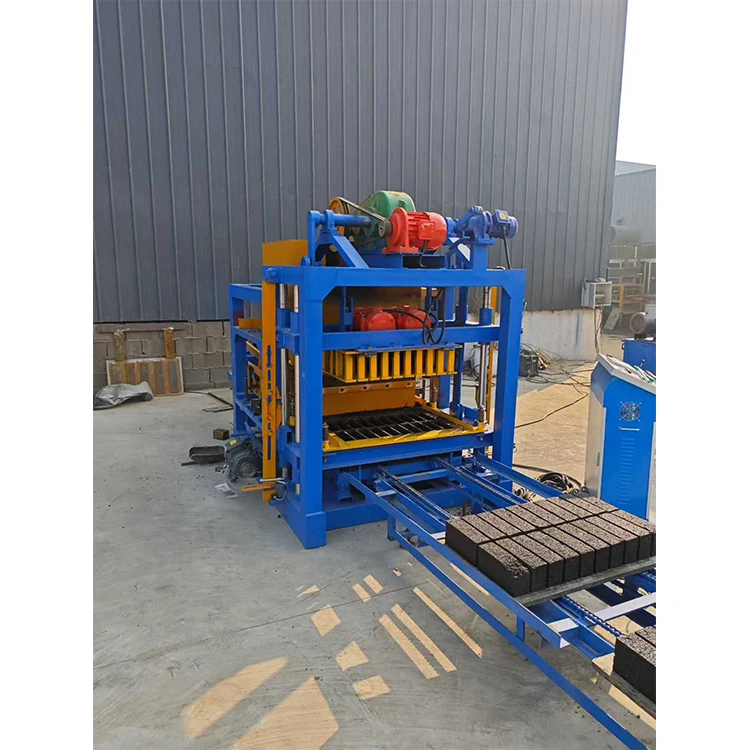
Shipping a 7200 kg automatic hydraulic press brick machine requires precise spatial planning to maximize container utility and prevent transit damage. The 7100 × 1600 × 2610 mm mainframe dimensions dictate the loading sequence, often requiring the hydraulic station and control cabin to be detached and secured separately. Proper dismantling ensures the fast delivery block making machine fits standard freight parameters while keeping all core components protected during ocean transit.
Transit Timelines and Port Arrival Estimates
Securing a QT10-15 block machine in stock eliminates the manufacturing wait, but ocean freight and customs clearance still dictate the final arrival. We provide upfront arrival estimates based on current shipping routes and port congestion levels, allowing you to align your foundation pouring and facility preparation with the actual discharge date. Coordinating the dispatch lead time with your local clearing agent prevents demurrage charges and keeps the installation crew ready [NEED_CITE: typical maritime freight transit variables].
Decoding the Physical and Hydraulic Footprint
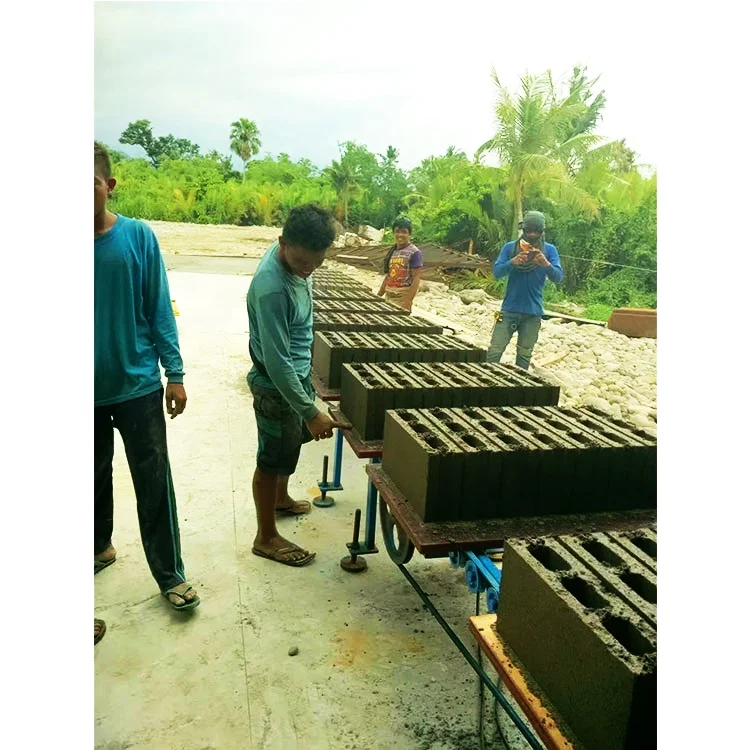
The 1100 × 900 mm pallet size directly influences how you design your curing yard and select your forklifts; mismatching these dimensions creates immediate bottlenecks once production starts. The 15-second molding cycle dictates the speed at which wet blocks move to the curing area, requiring adequate space and handling equipment to prevent green blocks from being damaged in transit. Furthermore, the 7200 kg total mass and hydraulic pressure vessel demand a reinforced concrete foundation to absorb vibration and maintain structural alignment during continuous operation.
The Hidden Costs of Rushing the Electrical Verification
Assuming standard industrial voltage without site verification leads to catastrophic commissioning delays. If the local grid fluctuates or operates on a different frequency, the PLC and heavy-duty motors can suffer immediate damage, voiding warranties and halting the project. Replacing burnt control components overseas takes significantly longer than confirming the electrical specs before the fast delivery block making machine leaves the factory floor [NEED_CITE: CE machinery directive requirements for industrial equipment].
Why Procure From This Inventory
Our single focus on block machinery means the mainframe, pallets, and handling equipment are dispatched as a matched system, preventing integration delays at your site. We confirm voltage, frequency, and PLC display language before dispatch, ensuring the QT10-15 block machine in stock powers up correctly upon arrival. Standard moulds for common formats are kept ready, bypassing the typical engineering wait times associated with custom tooling. Our documentation and packing protocols are designed specifically for heavy industrial export, minimizing customs friction.
Documentation & Verification
- Factory test record confirming hydraulic pressure and cycle times before dispatch.
- Video outgoing-inspection showing the mainframe and dismantled components loaded.
- Packing photographs documenting container securing and weatherproofing.
- Customs documentation support tailored to your specific import port requirements.
- Voltage and control language confirmation sheet signed prior to crating.
Installation, Commissioning & Support
- Foundation blueprint aligned with the 7200 kg mass and dynamic hydraulic vibration.
- Electrical schematic detailing the 380V input and dedicated circuit requirements.
- Dismantling diagram guiding the reassembly of the detached hydraulic station.
- Initial parameter setting for the PLC to match your specific 15-second molding cycle.
- Operator training focused on safe pallet handling for the 1100 × 900 mm format.
- Wear parts list identifying high-friction components for your first reorder.
Preparing Your Site for Immediate Deployment
To ensure the equipment integrates smoothly into your workflow upon arrival, please provide your local voltage and frequency specifications alongside your target block formats. Detailing your available curing area dimensions and existing forklift capacities allows us to verify pallet compatibility before the container is sealed. If you have specific project deadlines, share your required discharge date so we can align the dispatch schedule accordingly.
Frequently Asked Questions
Q: Is the QT10-15 currently in stock and what is the dispatch lead time?
A: Yes, the mainframe and standard moulds are kept in inventory to bypass manufacturing delays. Once electrical specifications and control languages are verified, the dispatch lead time is limited to the dismantling, crating, and internal logistics required to move the equipment to the port for immediate booking.
Q: How is the machine dismantled and loaded into containers for shipment?
A: The 7100 mm mainframe is loaded as the primary unit, while the hydraulic pump station, control cabin, and pallet feeder are detached and secured separately. This dismantling strategy optimizes container space, protects sensitive components from transit vibration, and simplifies the unloading sequence at your destination port.
Q: Can you provide an upfront arrival estimate to my port?
A: We calculate arrival estimates based on current maritime schedules, port congestion, and your specific discharge location. While ocean transit involves external variables, providing this upfront estimate allows you to schedule your foundation curing, electrical trenching, and installation crew with a realistic timeline.
Q: What customs documentation support is included with the fast delivery?
A: We provide comprehensive commercial invoices, detailed packing lists, and specific machinery descriptions required by your local customs authority. This documentation support is prepared alongside the packing photographs to ensure smooth clearance and prevent the equipment from being held at the port due to paperwork discrepancies.
Q: Do you provide a video outgoing-inspection before the machine ships?
A: Yes, a complete video outgoing-inspection is recorded and shared before the container doors are sealed. This footage verifies the physical condition of the hydraulic components, demonstrates the 15-second molding cycle during the factory test, and documents the exact loading and securing methods used for ocean freight.