Description
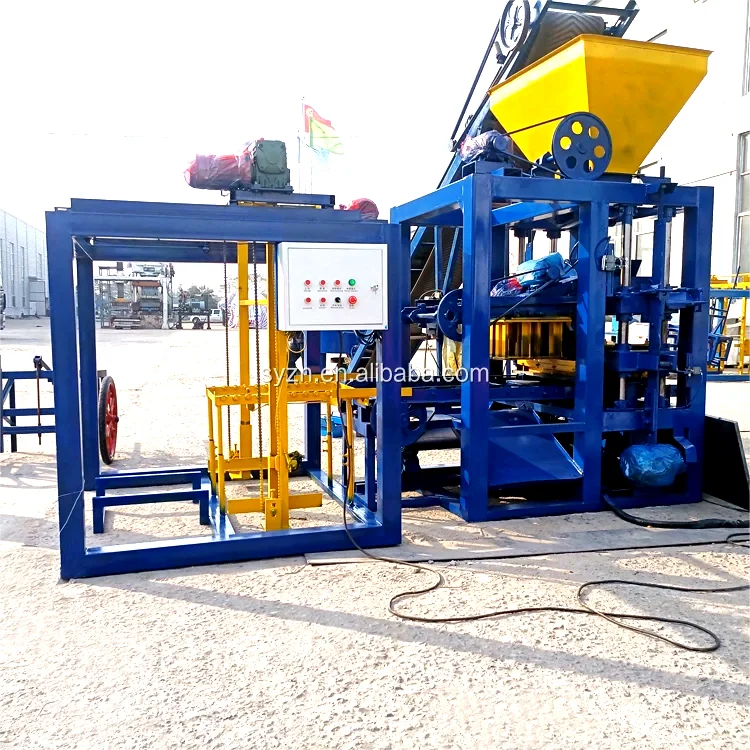
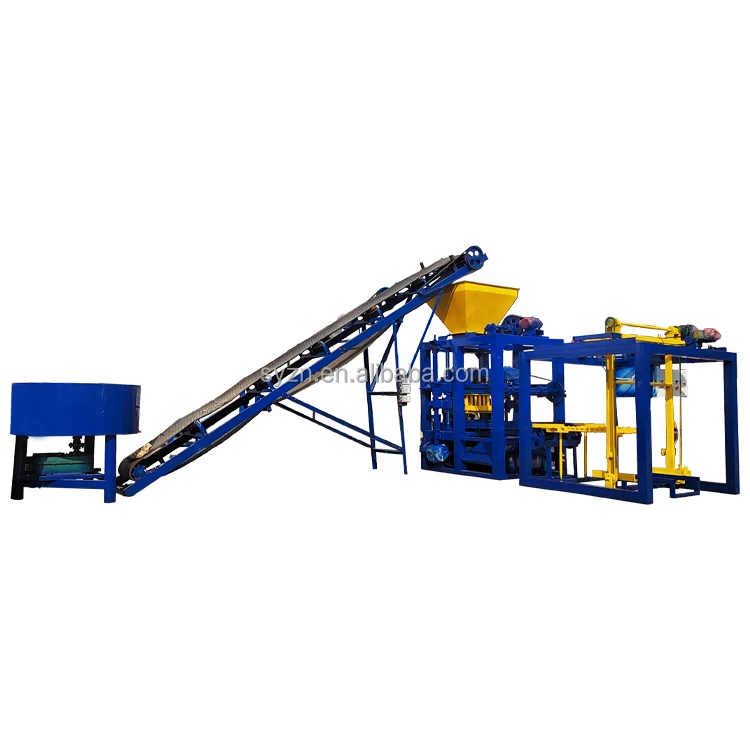
Rapid Deployment Readiness — The QT18-15 is pre-assembled and staged for immediate container loading, ensuring your project timeline remains intact from order confirmation to site arrival.
Technical Specifications
| Parameter | Value |
|---|---|
| Model | QT18-15 |
| Product Type | Full Automatic Block Machine |
| Forming Method | Hydraulic pressure |
| Rated Pressure | 26 MPa |
| Dimension (LWH) | 935025202950 mm |
| Weight | 18T / 12000 kg (source value — verify against manufacturer catalog) |
| Voltage | Local Voltage (source value — verify against manufacturer catalog) |
| Core Components | PLC, Pressure Vessel |
| Molding Cycle | 15s (basis not stated in source — confirm block format / material / thickness) |
| Key Features | Low Noise Level, Automatic Operation |
| Warranty | 2 Years |
Application Suitability
| Application | Material or Output |
|---|---|
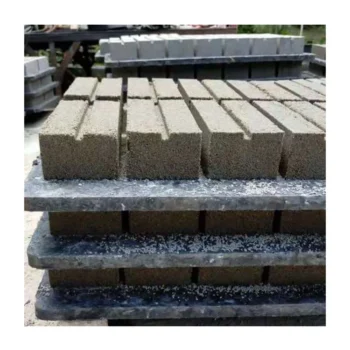
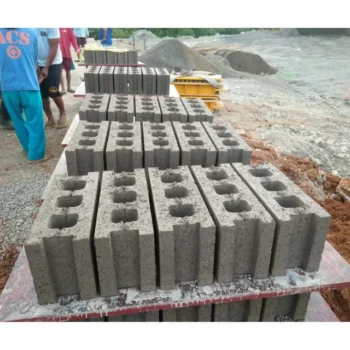
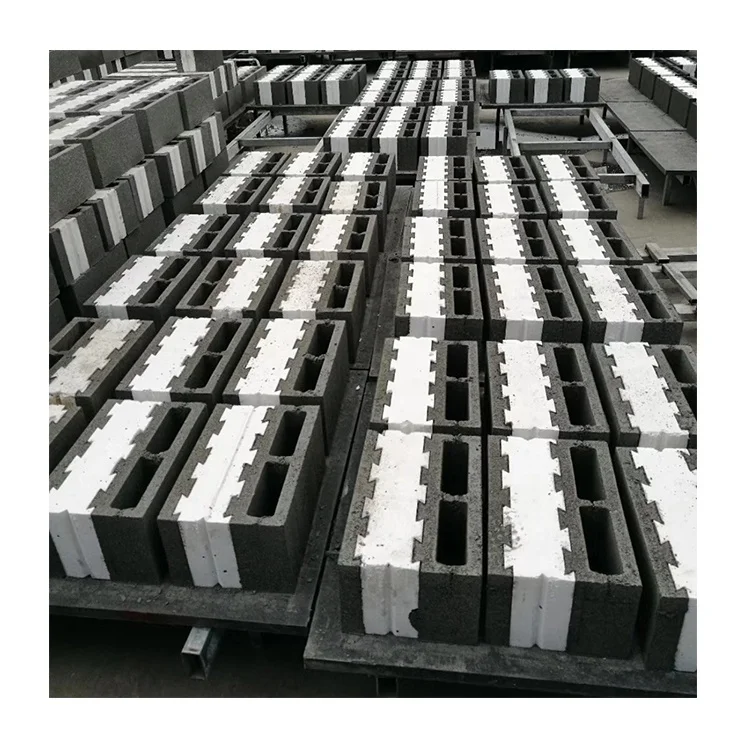
| Housing project hollow block production | Concrete / cement |
| On-site paving block manufacturing | Concrete / cement |
| Interlock block production for local contractors | Concrete / cement |
| Curbstone block making for infrastructure | Concrete / cement |
Why Arrival Timing Dictates Equipment Selection
When a construction handover date is fixed, waiting for custom-built machinery is not an option. Securing a QT18-15 automatic block machine in stock eliminates the manufacturing queue, shifting the focus entirely to logistics and rapid site deployment.
Project deadlines do not pause for factory production schedules. Buyers working against strict handover dates often find that standard lead times push their block production start date well past the required milestone. Sourcing pre-built inventory bypasses this delay entirely, allowing the equipment to enter the shipping phase immediately upon order confirmation. This approach requires rigorous pre-shipment verification to ensure the stocked unit matches the destination site’s exact electrical and operational requirements before it ever enters a container [NEED_CITE: standard lead times for custom industrial machinery versus stocked inventory].
Dispatch Protocols and Container Loading
Getting a QT18-15 automatic block machine in stock onto a vessel requires precise dismantling and loading sequences. The main frame and hydraulic stations are secured to prevent transit shifting, while the PLC cabinet is isolated to protect sensitive electronics from moisture and vibration during ocean freight.
Transparent Transit and Arrival Estimates
We provide upfront arrival estimates based on current shipping routes and port congestion data. By confirming the dispatch lead time before the order is finalized, buyers can align their foundation pouring and curing area preparation with the exact week the machinery clears customs.
Decoding the Hydraulic and Physical Footprint
The 26 MPa rated pressure provides the necessary compaction force for dense concrete formats, but this hydraulic system demands specific power delivery upon arrival. The physical footprint of 935025202950 mm dictates the minimum bay size required for the main press, excluding the space needed for raw material feeding and output handling. Verifying the local voltage against the machine’s electrical configuration before dispatch prevents the exact type of control cabinet failures I witnessed early in my career, where mismatched grid parameters destroyed components and halted projects for weeks while waiting for air-freighted replacements. Furthermore, the low noise level specification allows the press to operate in zones with strict environmental decibel limits without requiring extensive acoustic enclosures [NEED_CITE: industrial noise regulations for construction material manufacturing].
The Hidden Costs of Delayed Commissioning
Failing to verify electrical parameters and documentation before a machine ships results in costly idle time on the project site. When a control system fails due to unconfirmed voltage, the physical press sits useless while replacement components are sourced internationally. This downtime forces contractors to purchase blocks from third-party suppliers at premium rates to keep their masonry crews working, entirely eroding the cost savings of producing blocks on-site [NEED_CITE: financial impact of equipment commissioning delays on construction projects].
Why Source This Ready-to-Ship Unit
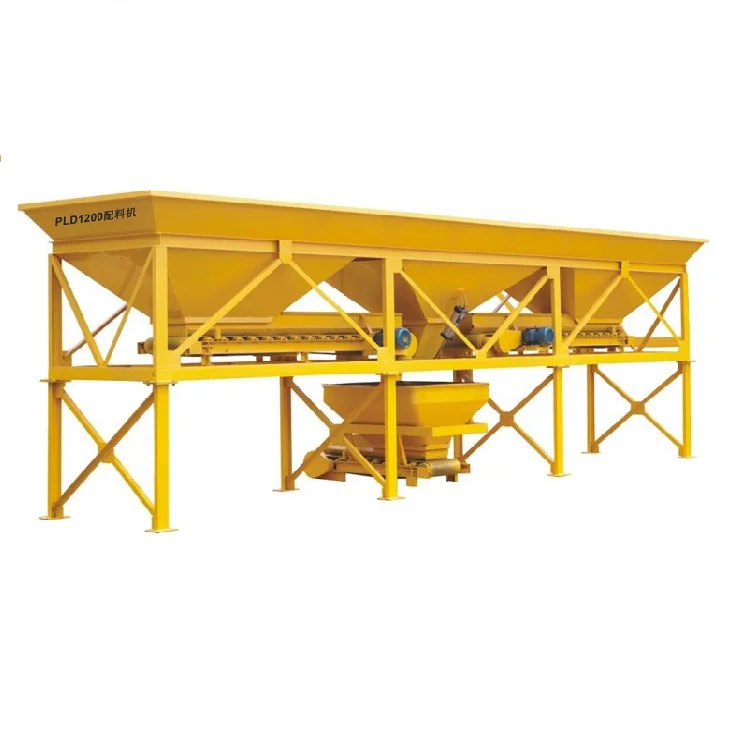
Our focus remains strictly on block machinery, meaning the stocked press, pallets, and handling equipment are verified as a matched system before dispatch. We confirm the automation level and electrical specifications against your site conditions rather than shipping a catalogue default. Standard mould formats are included in the ready-to-ship inventory, matching the formats your local market actually purchases. The automation level is selectable, allowing buyers to start with standard operations and plan future upgrades. Finally, our installation support ensures the operator training begins the moment the machine is reassembled on your foundation.
Documentation & Verification
- Machinery test report verifying the 26 MPa hydraulic pressure before dispatch
- Video outgoing-inspection showing the exact stocked unit running
- Voltage and control language confirmation record signed prior to crating
- Packing photographs documenting container loading and securing methods
- Customs documentation support tailored to your destination port requirements
Installation, Commissioning & Support
- Foundation must support the 935025202950 mm footprint and dynamic hydraulic loads
- Dedicated power circuit required matching the confirmed local voltage and frequency
- Machine dismantled for shipment and reassembled on-site by our technical team
- PLC control language set and verified during the initial commissioning phase
- Operator training covers hydraulic pressure adjustments and daily maintenance routines
- Wear parts list provided to ensure immediate availability of replacement components
Preparing Your Site for Immediate Integration
To ensure the stocked unit integrates smoothly into your project, please provide your exact local voltage and frequency standards, along with the required PLC display language. We also need to know your available workshop dimensions and the specific block formats you intend to run first, so we can verify the included standard moulds and confirm the container loading plan matches your site’s unloading equipment.
Frequently Asked Questions
Q: What is the exact dispatch lead time and arrival estimate for stocked units?
A: Dispatch lead times for a QT18-15 automatic block machine in stock are significantly shorter than custom builds, typically limited to the days required for final testing, dismantling, and container loading. Arrival estimates are calculated upfront based on current ocean freight schedules and provided before order confirmation, allowing you to plan your site preparation accurately.
Q: How is the machine dismantled and loaded into containers for shipment?
A: The machine is systematically dismantled to fit standard shipping containers while protecting critical components. The PLC cabinet and hydraulic pressure vessels are isolated and secured to prevent transit damage. We provide packing photographs and detailed loading plans to ensure safe ocean freight and straightforward reassembly upon arrival at your project site.
Q: Are standard moulds for common block sizes included in the inventory?
A: Yes, the ready-to-ship inventory includes standard moulds for common formats such as hollow, paving, and interlocking blocks. We verify the included moulds against your specific market requirements before dispatch, ensuring you can begin production immediately without waiting for custom tooling to be manufactured and shipped separately.
Q: How quickly can voltage and PLC language be confirmed to avoid delays?
A: Voltage and PLC language confirmation is executed swiftly during the pre-shipment inspection phase. Because the machine is already built, we verify these parameters against your local grid and operator preferences immediately, making necessary adjustments before crating to prevent the commissioning delays that occur when electrical mismatches are discovered on-site.