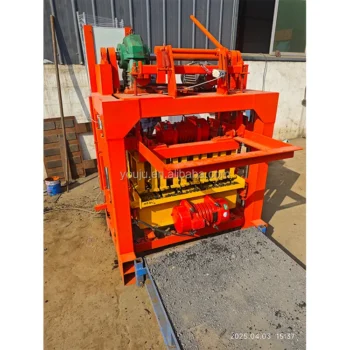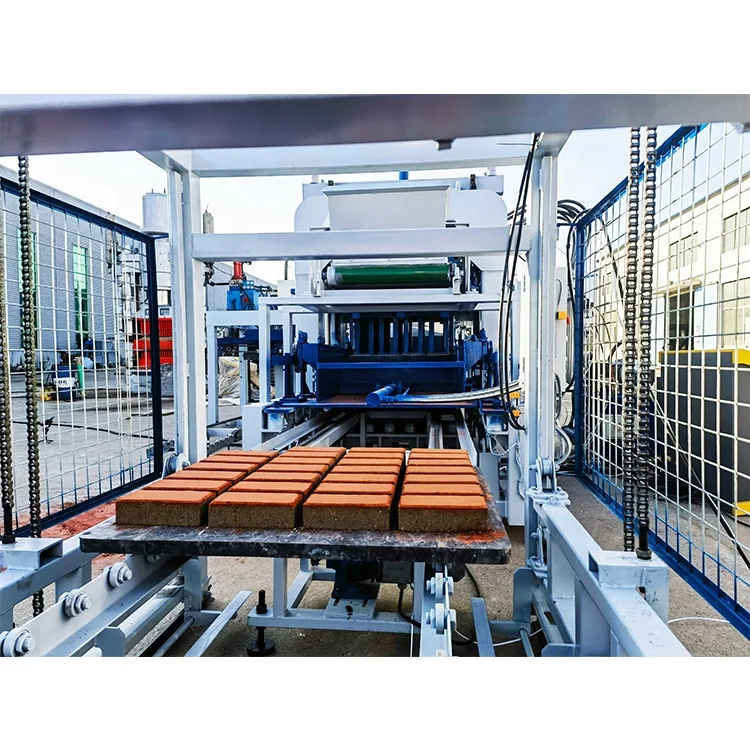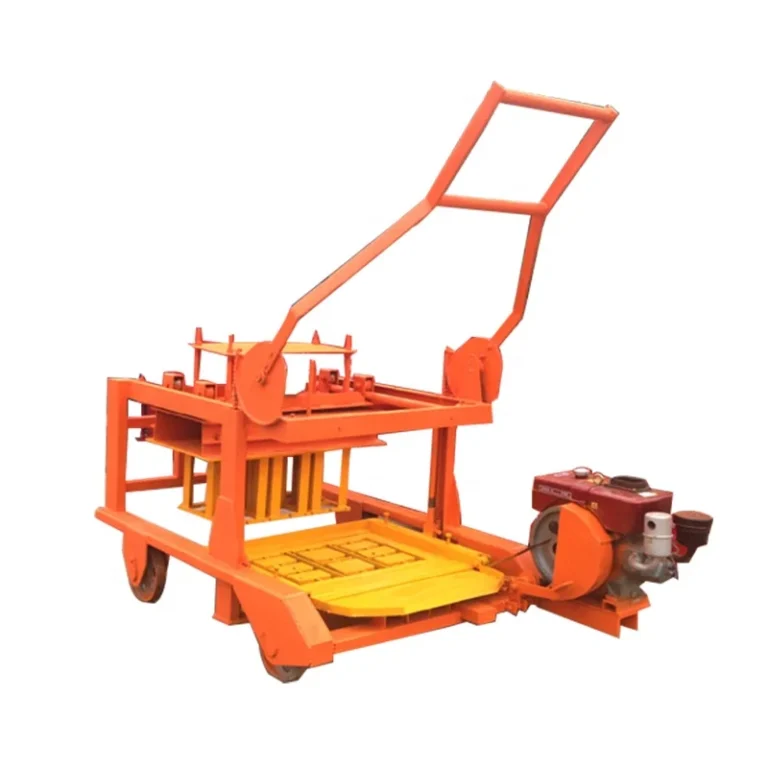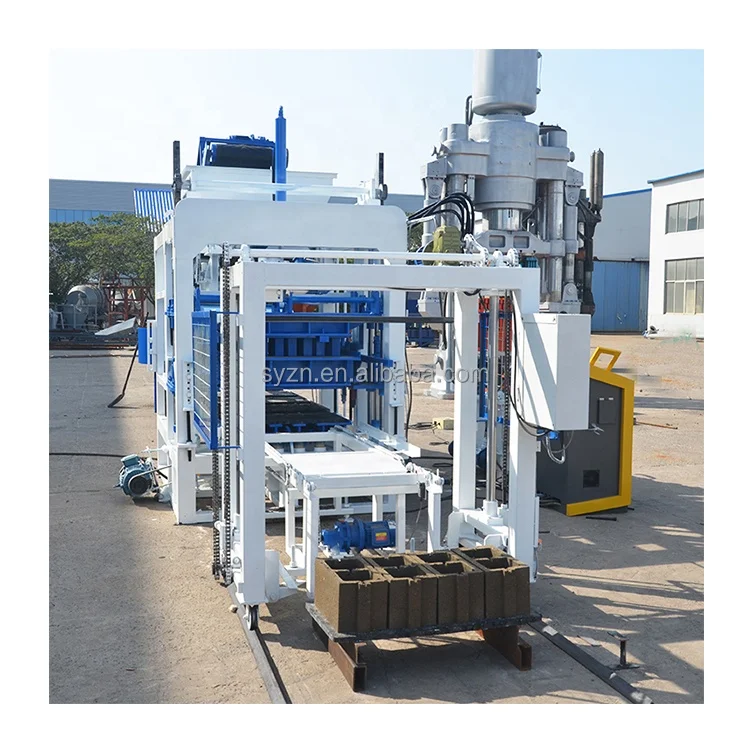

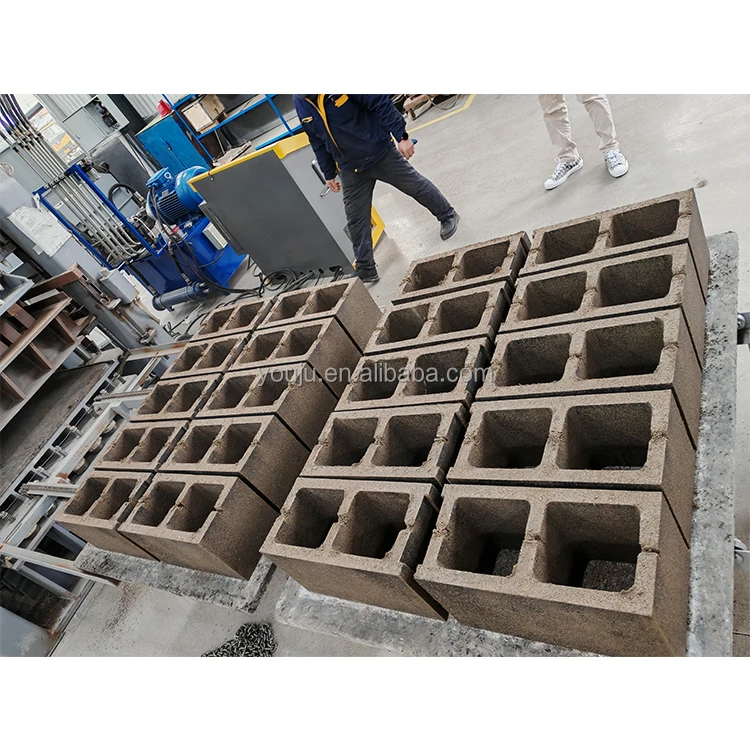

Description
Stock and dispatch timing confirmed upfront — the QT5-15 ships as a matched system with container loading plans and arrival estimates quoted before you sign, not after.
Technical Specifications
| Parameter | Value |
|---|---|
| Model | QT5-15 |
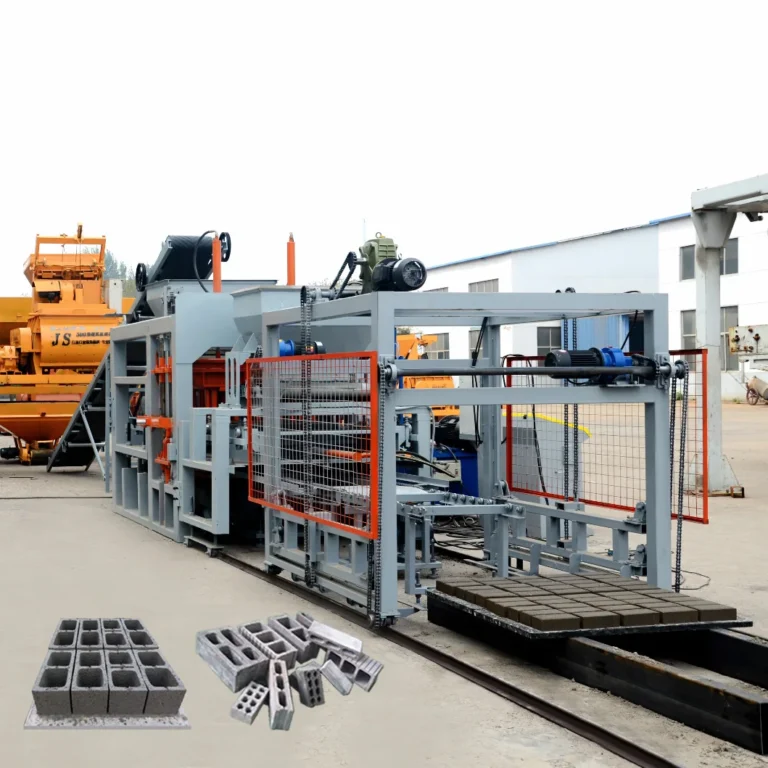
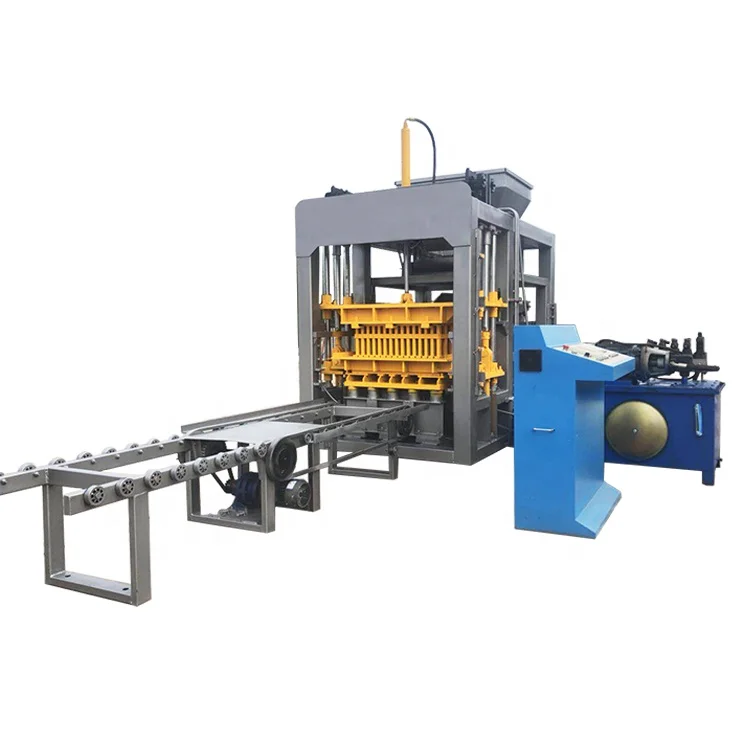
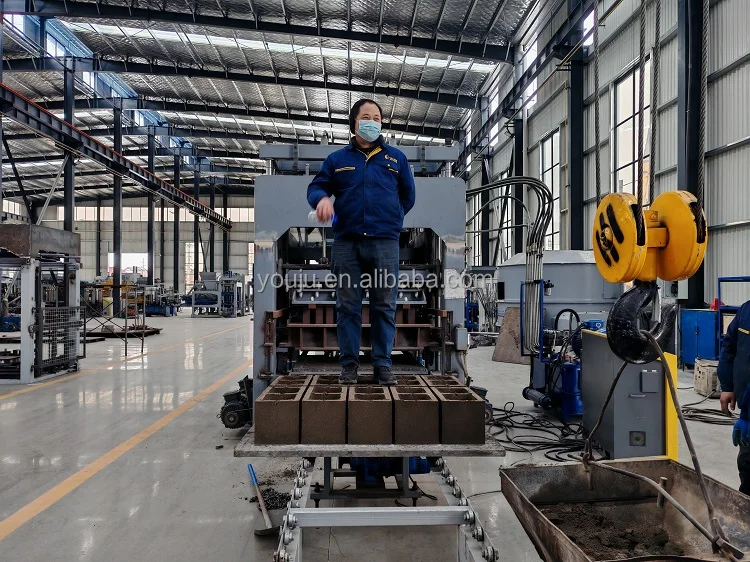
| Product Type | Automatic Hydraulic Concrete Block Making Machine |
| Overall Dimensions (L×W×H) | 7400×1950×2800 mm |
| Weight | 6 T |
| Rated Pressure | 21 MPa |
| Main Vibration Form | Hydraulic platform vibration |
| Vibrating Frequency | 2800–4500 rolls/min |
| Motors Power | 26.5 kW |
| Pallet Size | 1100×550 mm |
| Cycle Time | 15–20 seconds |
| Voltage | Configurable to destination market (confirm voltage and frequency before dispatch) |
| Control System | PLC with fault diagnosis and remote monitoring capability |
| Automation Level | Full automatic |
| Assembly State | Stationary |
| Output (240×115×90 mm standard brick, 16 pcs/mould) | 23,040–28,800 pcs per 8-hour shift |
| Output (400×115×53 mm brick, 32 pcs/mould) | 61,440–70,400 pcs per 8-hour shift |
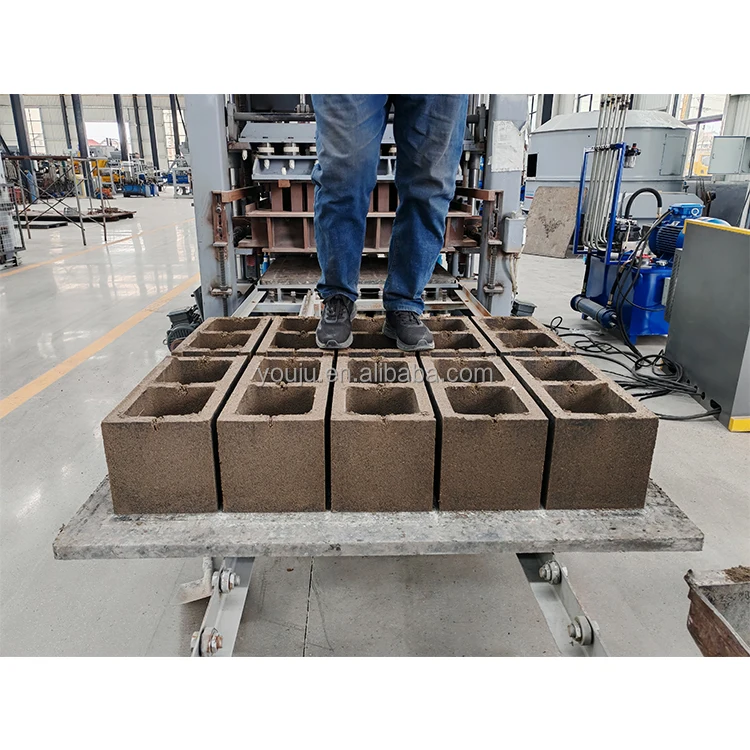
| Output (400×200×200 mm hollow block, 5 pcs/mould) | 7,200–9,600 pcs per 8-hour shift |
| Standards | CE (verify certificate availability) |
Application Suitability
| Application | Material or Output |
|---|---|
| Hollow block production for housing developments | Crushed stone, sand, cement aggregate mixes on 1100×550 mm pallets |
| Solid brick runs for building material distributors | Local river sand and cement with hydraulic platform vibration |
| Paving block manufacturing for infrastructure contractors | High-density aggregate blends at 21 MPa rated pressure |
| Multicellular brick production for commercial builds | Lightweight aggregate with PLC-controlled cycle consistency |
Why the Voltage Question Must Come Before the Container Booking
Confirming voltage and frequency before dispatch prevents a machine that sits idle on your site for weeks.
I have watched containers arrive at Southeast Asian job sites where the QT5-15 block machine in stock was ready to run — except the local grid delivered a voltage the motor was not wound for. The machine sat under a tarp while a transformer was sourced locally, and the contractor burned through a lease cycle paying for a plant that could not produce. [NEED_CITE: voltage and frequency standards by export market] That delay was entirely avoidable with a single confirmation before the machine entered the container. When you are working against a project deadline, a fast delivery stationary block machine only matters if it actually powers on when it arrives.
Dispatch Timing You Can Plan Around
The QT5-15 block machine in stock is pulled from inventory, not built against a 60-day queue, which changes how you plan your site preparation. Buyers receive container loading photographs and a dismantling plan showing how the press, hydraulic station, and pallet feeder break down for shipment — so your receiving crew knows what to expect at the port. [NEED_CITE: typical container loading procedures for heavy industrial machinery]
Arrival Estimates Quoted Against Your Port
A dispatch date means little without an arrival estimate tied to your specific destination. Shipping lanes to Southeast Asian ports differ from those reaching West Africa or South America, and transit windows shift with carrier scheduling. We quote arrival estimates against your discharge port at the inquiry stage, giving you a timeline to plan foundation work, electrical hookup, and operator mobilization around.
What the Pallet Size Means for Your Curing Yard
The 1100×550 mm pallet size on the QT5-15 determines how your curing racks and forklifts must be configured. If your existing yard runs a different pallet dimension, the mismatch surfaces as a daily handling problem — blocks stacked manually, racks sitting empty, forklifts unable to slot the pallets. Confirming this dimension before order ensures the machine integrates with your site, not against it.
Reading the Specs That Actually Matter on Site
The 21 MPa rated pressure working together with hydraulic platform vibration at 2800–4500 rolls/min determines how densely the QT5-15 compacts each block — higher pressure and matched vibration produce blocks that meet structural load requirements without extending cycle time beyond the 15–20 second window. The PLC fault diagnosis system with remote monitoring means that when a sensor flags an anomaly, the error code can be read off-site rather than waiting for a technician to fly in. The 26.5 kW total motor power defines your dedicated circuit requirements — undersized wiring between the transformer and the machine causes voltage drops that trip the PLC or degrade vibration consistency. And the output figures are stated per specific block format: 7,200–9,600 hollow blocks per 8-hour shift at 400×200×200 mm, or up to 70,400 thin bricks at 400×115×53 mm. A single headline number hides this spread.
The Cost of Skipping Pre-Dispatch Checks
When voltage is not locked before shipment, the motor either fails to start or runs hot enough to damage windings within days — and a rewound motor on a foreign job site takes weeks, not hours. When pallet size is assumed rather than confirmed, the curing yard becomes a bottleneck that no amount of press speed can overcome. [NEED_CITE: common commissioning failures in exported block machinery] And when PLC display language is not specified, operators face error codes they cannot read, turning minor faults into shift-long shutdowns.
Why Buyers Source This Machine Through Us
Block machinery is our single focus, so the QT5-15 is specified as a matched system — press, moulds, pallets, and handling equipment — rather than assembled from separate suppliers who shift blame when cycle times do not align. We confirm voltage, frequency, and PLC language before the machine enters production, not after it arrives at your port. Container loading plans are photographed and shared before dispatch, so you see exactly how the machine is dismantled and secured for ocean transit. Mould formats are chosen against the block types your market actually buys, and standard moulds ship with the machine so you are producing from day one. Our configuration is set against your local aggregate and target format, not a catalogue default.
Documentation & Verification
- Factory test record showing cycle times on your specified block format before dispatch
- Voltage and frequency confirmation sheet signed off before container loading
- Pallet specification sheet matching your curing rack and forklift dimensions
- Packing photographs documenting dismantling and container stowage plan
- CE declaration documentation where applicable to your import market
- Hydraulic and electrical schematic for your on-site maintenance team
Installation, Commissioning & Support
- Foundation pad sized to the 7400×1950 mm footprint with leveling anchor points marked
- Dedicated 26.5 kW circuit with correct voltage and frequency confirmed before power-on
- Machine reassembled on site with hydraulic station and pallet feeder reconnected per dismantling plan
- PLC fault diagnosis system tested and remote monitoring link established during commissioning
- Operator training covers mould change procedure, cycle time adjustment, and error code response
- Wear parts and mould maintenance schedule provided with first replacement items identified
What We Need to Move Your Order Forward
To confirm stock availability and quote a realistic arrival estimate, we need your target block formats, destination port, and local voltage and frequency. Share your curing yard layout and existing forklift capacity so we verify pallet compatibility. If you have a confirmed project start date, tell us — that drives which models we prioritize for your dispatch window.
Frequently Asked Questions
Q: Which QT5-15 configurations and mould formats are currently in stock?
A: Stock availability shifts as orders dispatch, so we confirm current inventory at the inquiry stage. Standard mould formats for hollow blocks, solid bricks, and paving blocks in common dimensions are typically held ready. Custom moulds are built to your drawings on a separate lead time. Contact us with your target formats and we will tell you exactly what can ship immediately versus what requires a build cycle.
Q: What is the dispatch lead time from order confirmation to container loading?
A: For stocked QT5-15 units with standard mould configurations, the window from confirmed order to container loading is measured in days rather than weeks. Built-to-order configurations or custom moulds extend this timeline. We quote a specific dispatch date at the proposal stage, not a generic range, so your project planning rests on a confirmed number.
Q: How is the machine dismantled and packed for container shipment?
A: The QT5-15 breaks down into major assemblies — the main press frame, hydraulic power unit, pallet feeder, and control cabinet — each secured for ocean transit. We provide a dismantling plan and loading photographs before the container seals. Your receiving crew uses the same plan to reverse the process on site.
Q: What arrival estimate can be quoted for my destination port?
A: We quote an arrival estimate based on your specific discharge port and current carrier schedules, not just a dispatch date. Transit windows vary by destination and season. The estimate is provided at the inquiry stage so you can align foundation work, electrical preparation, and operator availability against a realistic timeline.
Q: Are standard moulds and wear parts shipped together with the machine?
A: Standard moulds matching your confirmed block formats ship in the same container as the QT5-15, along with an initial set of identified wear parts. This means the machine can begin production immediately after commissioning without waiting for a separate parts shipment. The wear parts list specifies what is included and what to reorder first.