

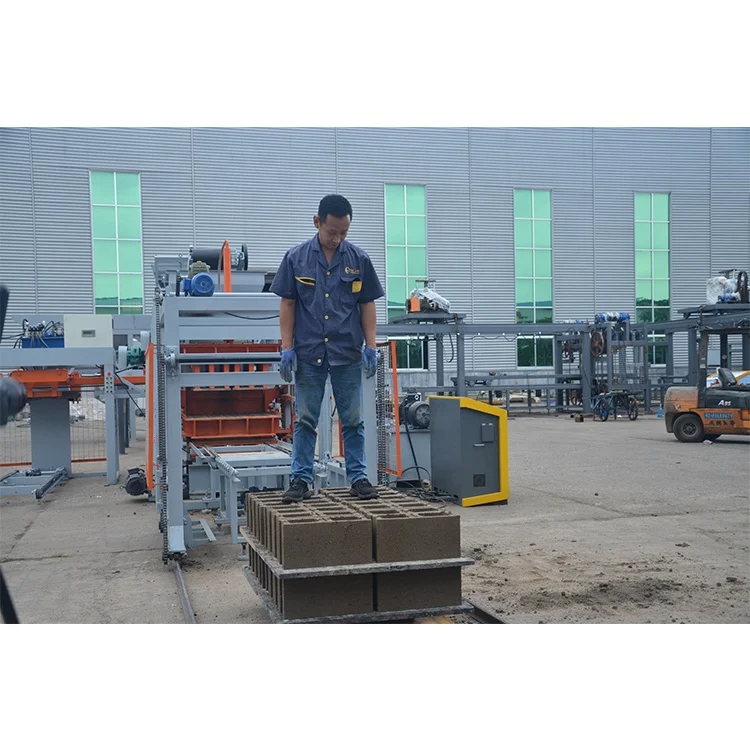
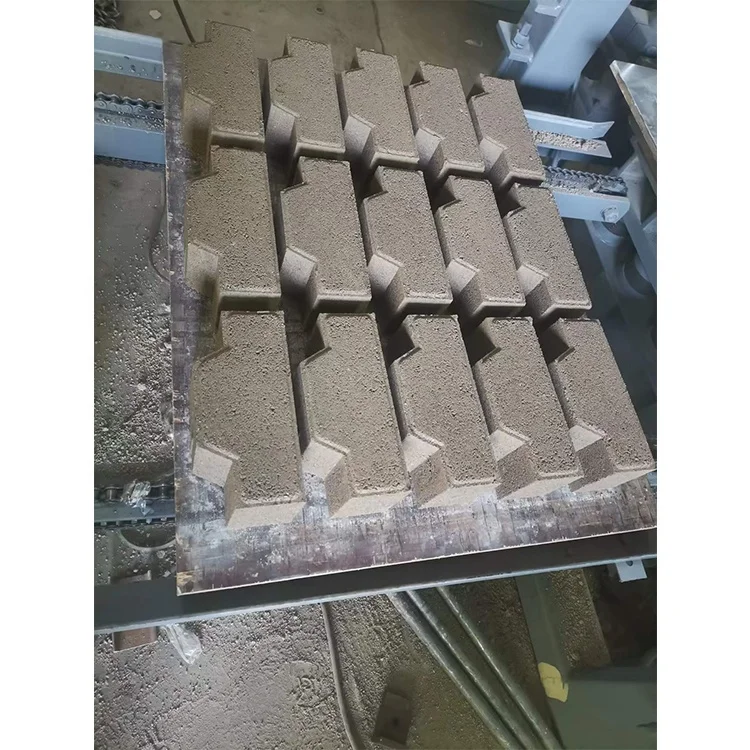
Description
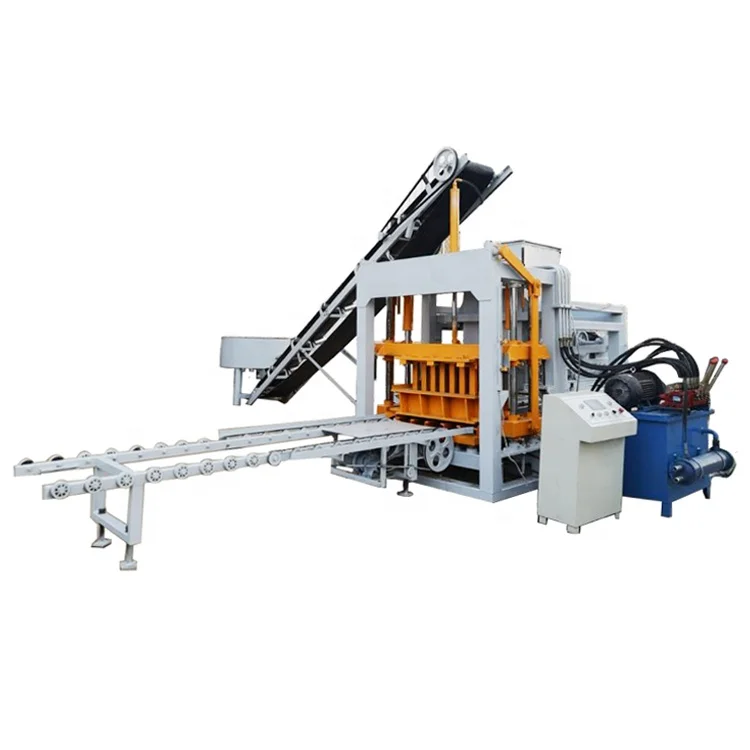
Matched Dispatch — QT6-15 interlocking block making machine ships as a tested, container-ready unit with pallet size, voltage, and control language confirmed before it leaves the factory floor.
Technical Specifications
| Parameter | Value |
|---|---|
| Model | QT6-15 |
| Product Type | Interlocking Block Making Machine |
| Overall Dimensions (L×W×H) | 8200×1700×2950 mm |
| Total Mass | 7 T |
| Overall Power | 37 kW |
| Vibration Force | 45 kN |
| Vibration Frequency | 0-60 Hz |
| Vibration Form | Platform Vibration |
| Moulding Mode | Load automatically, vibration moulding |
| Demolding Method | Hydraulic |
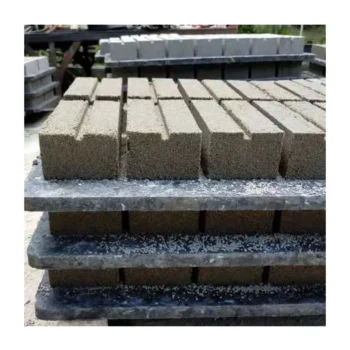
| Pallet Size | 880×850 mm |
| Molding Cycle | 15-20 s (basis not stated in source — confirm block format / material / thickness) |
| Control System | PLC controlled with touch screen, fault diagnosis system, safe logic interlock circuit |
| Recommended Factory Area | 1200 m² |
| Block Compressive Strength | >15 MPa |
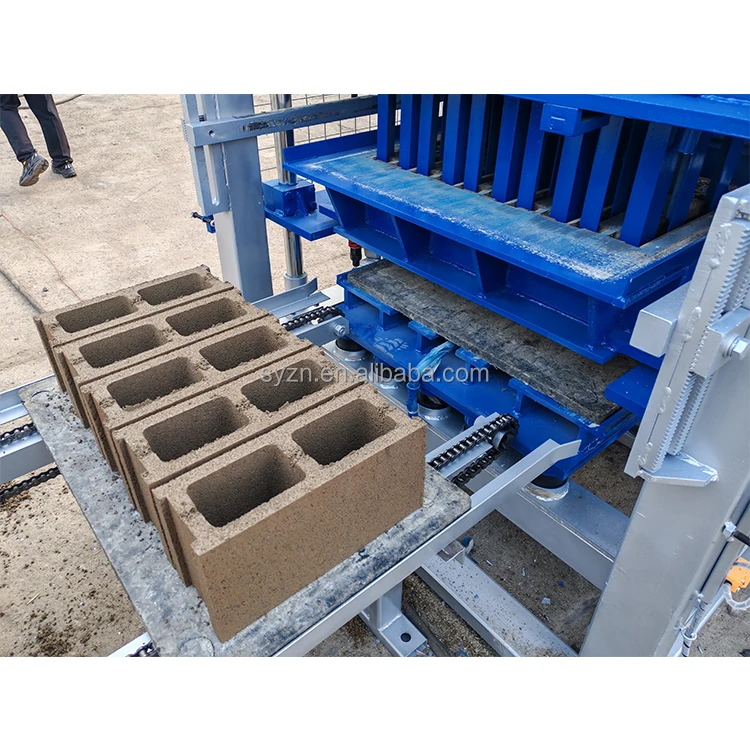
| Output — Hollow Block 400×200×200 mm | 1080-1440 pcs/h, 8640-11520 pcs/8hr (6 pcs/mould, 15-20s cycle) |
| Output — Hollow Block 400×150×200 mm | 1440-1920 pcs/h, 11520-15360 pcs/8hr (8 pcs/mould, 15-20s cycle) |
| Output — Solid Brick 240×115×53 mm | 5760-7680 pcs/h, 46080-61440 pcs/8hr (32 pcs/mould, 15-20s cycle) |
| Output — Rectangular Paver 200×100×60 mm | 2160-2880 pcs/h, 17280-23040 pcs/8hr (21 pcs/mould, 20-25s cycle) |
| Output — Zigzag Paver 225×112.5×60 mm | 2160-2880 pcs/h, 17280-23040 pcs/8hr (15 pcs/mould, 20-25s cycle) |
| Raw Material Adaptability | Waste ash, slag, and various aggregates; adjustable cement dosage |
| Hydraulic System | Independent integrated hydraulic station, isolated from dust and main machine vibration |
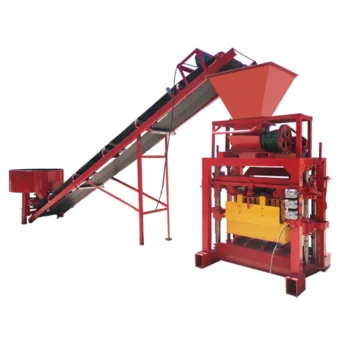
| Assembly State | Fully assembled main press with supporting line components configured per order |
| Warranty | 1 year for whole machine (excluding spare parts) |
| Standards | CE declaration where applicable |
Application Suitability
| Application | Material or Output |
|---|---|
| Interlocking brick production for housing projects | Crushed stone, sand, cement with adjustable dosage |
| Hollow block manufacturing for commercial construction | Waste ash, slag, local aggregate blends |
| Solid brick runs for masonry and infill work | Standard concrete mix with fine aggregate |
| Rectangular and zigzag paver production | High-density concrete mix for surface durability |
| On-site block production by construction contractors | Locally sourced sand and gravel with cement |
| Building material distributor own-plant deployment | Multi-format output from a single press platform |
What "In Stock" Actually Means for a Block Machine Buyer
A stocked QT6-15 block machine in stock leaves our Shandong facility within days, not weeks — but only when supporting equipment, pallet size, and electrical specs are confirmed first.
I have watched buyers rush to lock in a QT6-15 block machine in stock after seeing a short lead time, only to discover on arrival that the pallets do not fit their curing racks or the forklift tines cannot handle the loaded pallet dimensions. The machine itself was ready, but the line around it was not. Fast dispatch only matters when every station in the block line is specified against the buyer’s actual site conditions. A QT6-15 sitting in the warehouse still needs a container loading plan, voltage confirmation, and mould set verification before it earns the label of fast delivery. [NEED_CITE: typical export documentation and container loading standards for heavy industrial machinery]
Dispatch Readiness Beyond the Press
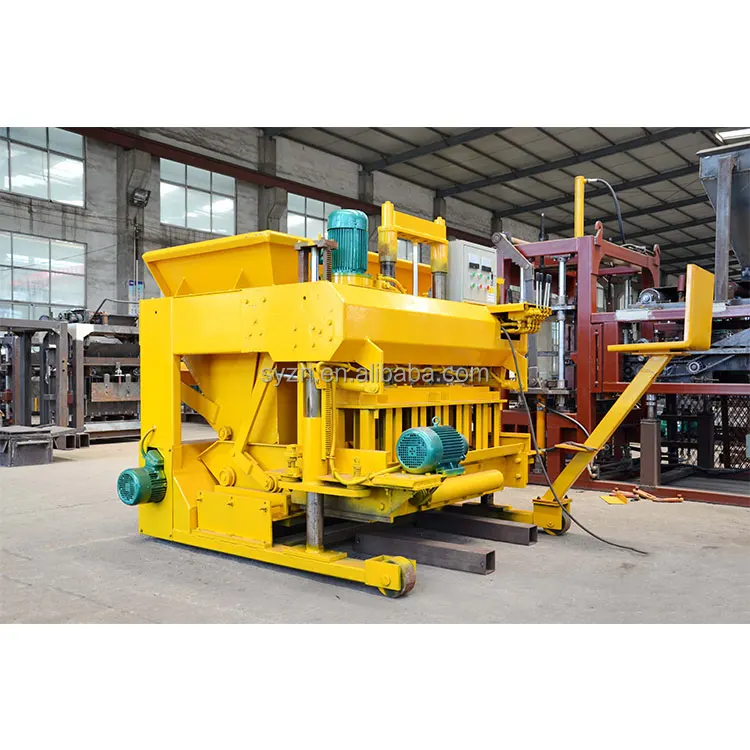
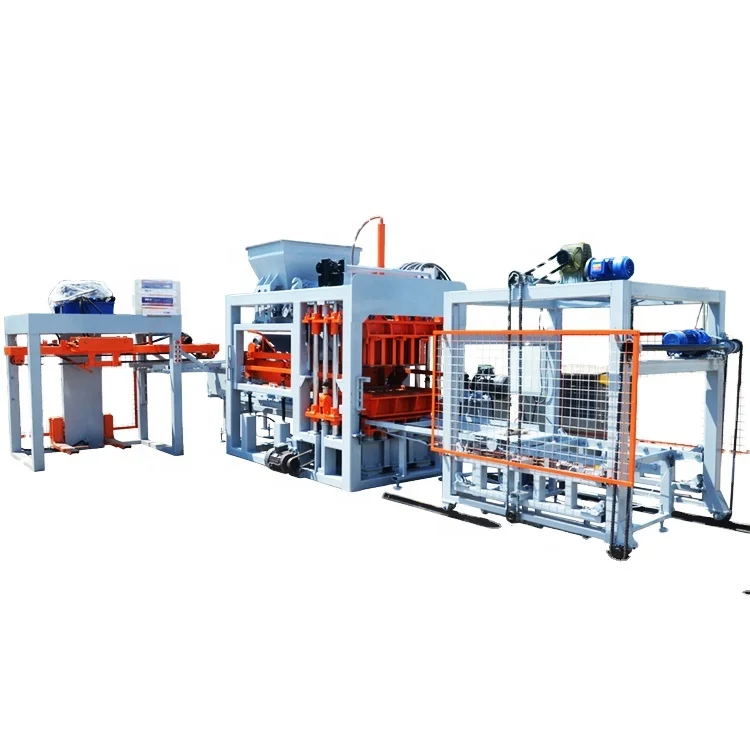
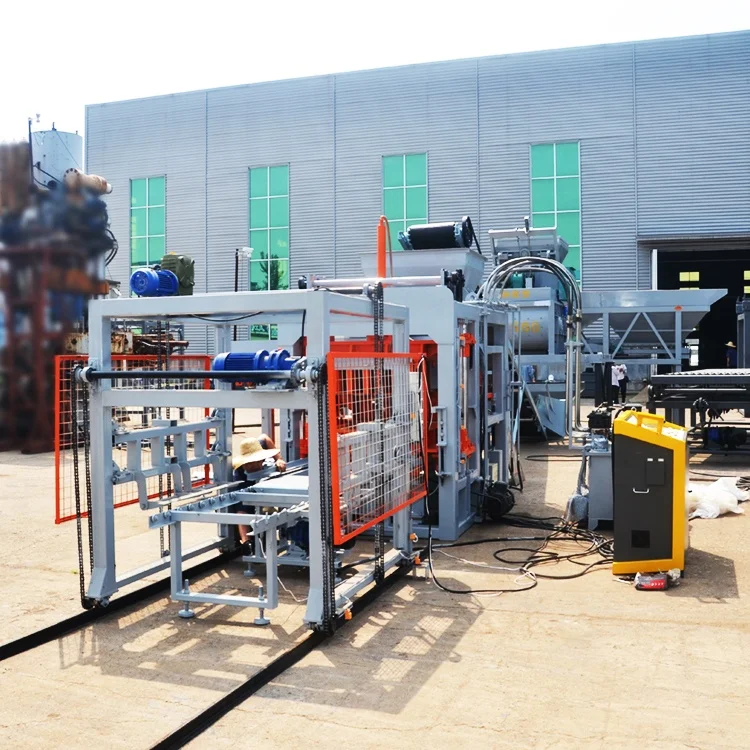
The QT6-15 block machine in stock is a fully assembled main press that undergoes a factory test before dismantling for shipment. Dismantling is planned around container dimensions so that the main frame, hydraulic station, and mould set arrive in a configuration that can be reassembled without cutting or welding on site. This matters because a machine that ships in one piece may not fit a standard container, and field modifications introduce alignment risks that affect block consistency.
Container Loading and Arrival Certainty
Buyers working against a construction deadline need more than a dispatch date. They need a loading plan that shows which components go into which container, an arrival estimate based on the destination port, and a commissioning window that accounts for customs clearance. The QT6-15 block machine in stock process includes packing photographs taken before the container doors close, so the buyer has a visual record matching the shipping documents. [NEED_CITE: standard container loading practices for heavy machinery exports]
Specifying the Supporting Line Before Dispatch
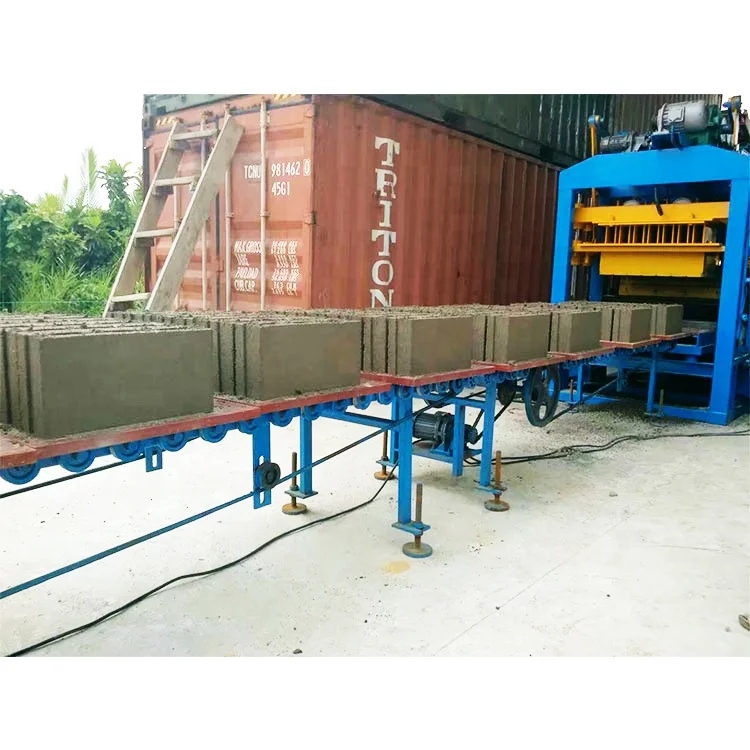
A block press without a defined pallet feeding, stacking, and curing handling setup leaves the buyer to improvise on site. For the QT6-15, the 880×850 mm pallet size must be checked against the buyer’s existing curing area layout and forklift capacity before the pallets are loaded into the container. If the buyer plans to add automatic stacking later, the electrical and PLC architecture should accommodate that upgrade path from the start.
Reading the Numbers That Matter
The vibration force of 45 kN and platform vibration form determine how densely the concrete mix is compacted into the mould cavity. Higher compaction produces stronger blocks but requires the hydraulic demolding system to release the formed block without cracking. The independent integrated hydraulic station sits away from the main vibration zone and dust, which keeps valve response consistent across long production shifts. The PLC touch screen includes fault diagnosis, meaning an operator can trace a cycle interruption to a specific sensor or valve rather than calling in external diagnostics. Molding cycle times of 15-20 s are stated per block format and mould cavity count — a 400×200×200 mm hollow block runs 6 per mould, while a 240×115×53 mm solid brick runs 32 per mould, so comparing hourly output across formats requires reading the full row, not just the headline number.
When Fast Dispatch Turns Into a Costly Delay
Ordering a machine on lead time alone, without confirming the voltage, frequency, and PLC display language, can stall commissioning for days after arrival. A 380V/50Hz machine shipped to a 220V/60Hz site requires a transformer or a full motor swap. I once saw a Middle East project lose a full week because the control screen arrived in a language the local operators could not read, and the translated firmware file had to be sent and installed remotely. The machine was physically ready, but the electrical and control specification had been left to assumption. [NEED_CITE: voltage and frequency standards by export market]
Why Buyers Source This Model Here
Block machinery is our single focus, so the QT6-15 is specified as a matched system — press, mould, pallet, and handling — rather than assembled from unrelated suppliers. We configure the machine against the buyer’s actual mix design and local aggregate, not a catalogue default. Mould design covers the formats the buyer’s market sells, with custom drawings available for non-standard profiles. Automation level is selectable, allowing a buyer to start with semi-automatic pallet handling and upgrade to full stacking later. Installation support includes operator training on the specific block formats in the buyer’s production plan.
Documentation & Verification
- Line layout showing pallet flow and curing rack arrangement for 880×850 mm pallets
- Capacity calculation sheet stating block format assumed for each output figure
- Factory test record run on buyer’s target block type before container loading
- Mould drawing and format list confirming which block profiles ship with the press
- Voltage, frequency, and PLC language confirmation sheet signed before dispatch
- Packing photographs documenting component placement inside the container
Installation, Commissioning & Support
- Recommended 1200 m² factory area allows space for the 8200 mm press length plus curing racks
- 37 kW overall power requires a dedicated circuit sized for motor starting surge
- Main press ships fully assembled and is reassembled on-site with alignment verification
- PLC fault diagnosis system enables first-day troubleshooting without external technician
- Operator training covers mould change procedure and cycle time adjustment per format
- Wear parts and mould list provided at handover for first replacement planning
What We Need to Prepare Your Dispatch
To move a QT6-15 from stock to your container, we need your target block format, local aggregate type and cement ratio, site voltage and frequency, preferred PLC display language, and existing forklift and curing rack specifications. If you have a project completion date driving the order, share that timeline so the loading plan and shipping route can be matched to it.
Frequently Asked Questions
Q: What is the dispatch lead time for a stocked QT6-15 and standard mould set?
A: A stocked QT6-15 is factory-tested, dismantled for container loading, and dispatched once voltage, frequency, control language, and mould set are confirmed. The window is measured in days rather than weeks, but the exact date depends on how quickly the buyer returns the configuration confirmation. We quote the dispatch date at order, not after production.
Q: How is the machine dismantled and loaded into a container for shipment?
A: The QT6-15 main press is separated into frame, hydraulic station, and mould assembly to fit standard container dimensions. Each component is secured against movement during ocean transit. Packing photographs are taken before the container doors close and shared with the buyer as part of the customs documentation package.
Q: Can voltage, frequency, and PLC display language be confirmed before the machine leaves the factory?
A: Yes. These three items are confirmed and documented before dispatch. The PLC touch screen firmware is loaded in the buyer’s preferred language, and the motor and control panel are matched to the destination site’s voltage and frequency. A signed confirmation sheet is included in the documentation package shipped with the machine.
Q: What is the estimated arrival time from dispatch to destination port?
A: Arrival time depends on the destination port and shipping route. We provide an estimated arrival window at the quotation stage, based on current ocean freight schedules. The buyer can use this estimate to plan customs clearance and commissioning crew availability before the container arrives.
Q: Are standard moulds shipped together with the press?
A: Standard moulds for the buyer’s confirmed block formats are loaded into the same container as the QT6-15 press. The mould drawing and format list in the documentation package confirms exactly which profiles are included. Custom mould designs based on buyer drawings can be added to the same shipment if confirmed before the loading date.