
Description
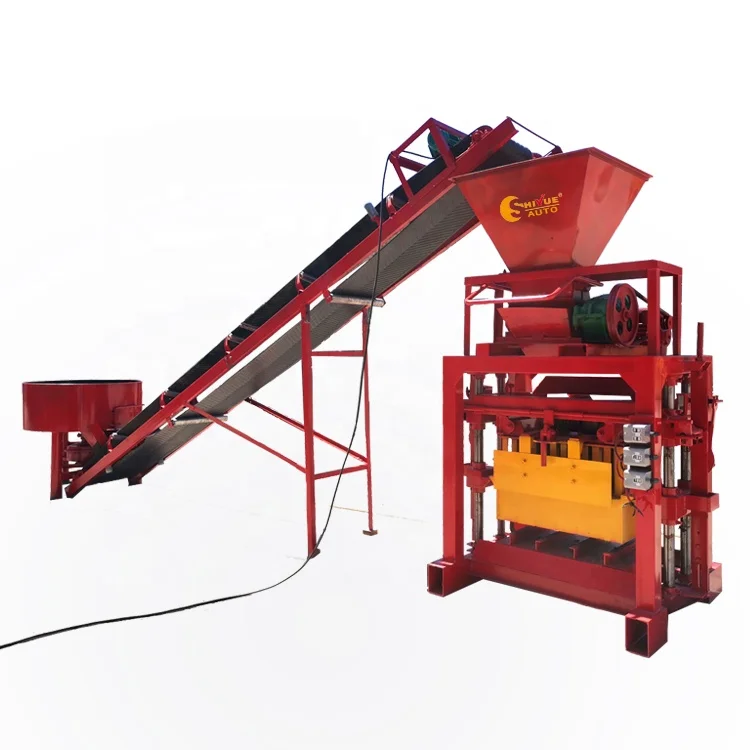
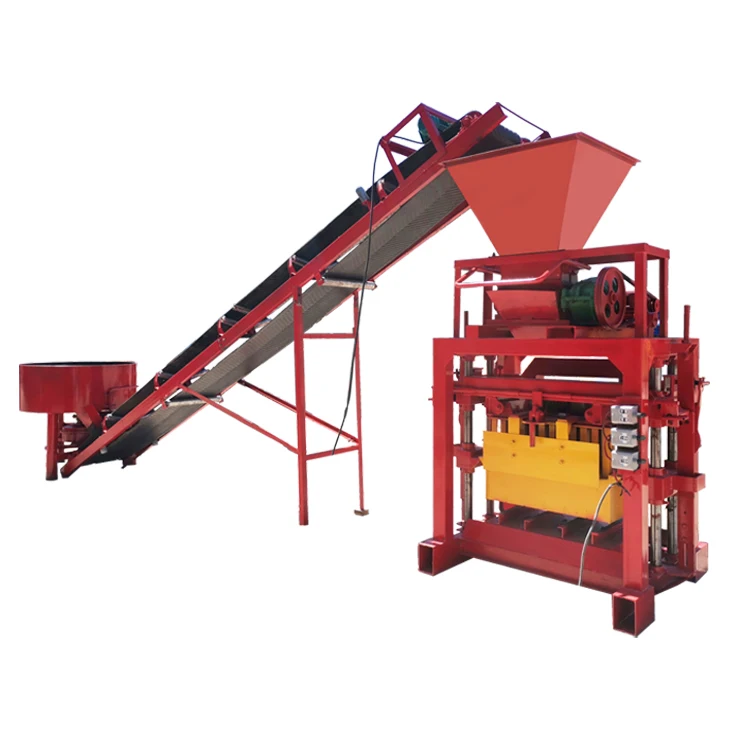
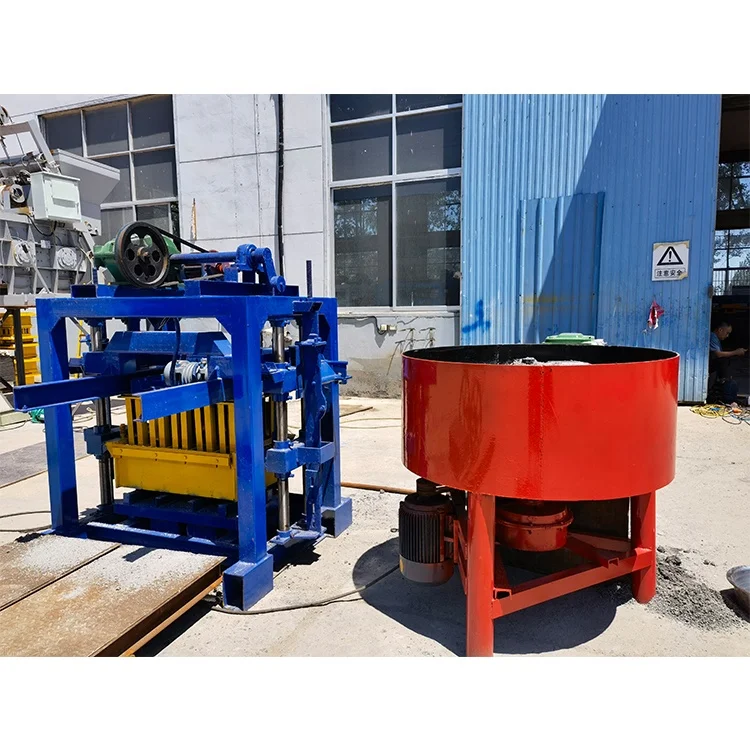
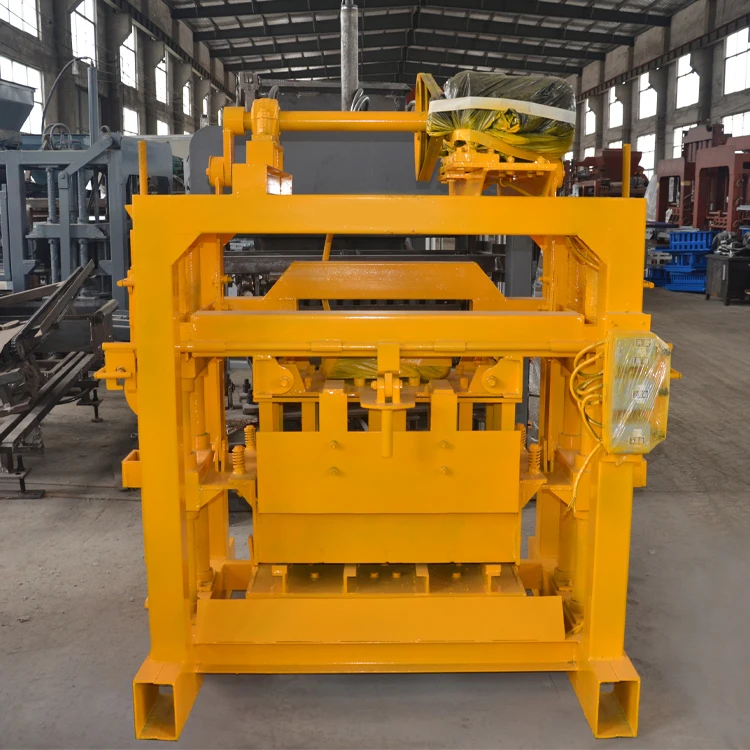
Quick Dispatch Readiness — the QTJ4-40 block machine in stock ships as a complete press, mould and pallet package, cutting the typical multi-week production wait for buyers on a deadline.
Technical Specifications
| Parameter | Value |
|---|---|
| Model | QTJ4-40 |
| Product Type | Semi-Automatic Concrete Block Making Machine |
| Rated Power | 9.5 kW |
| Molding Cycle | 40 s |
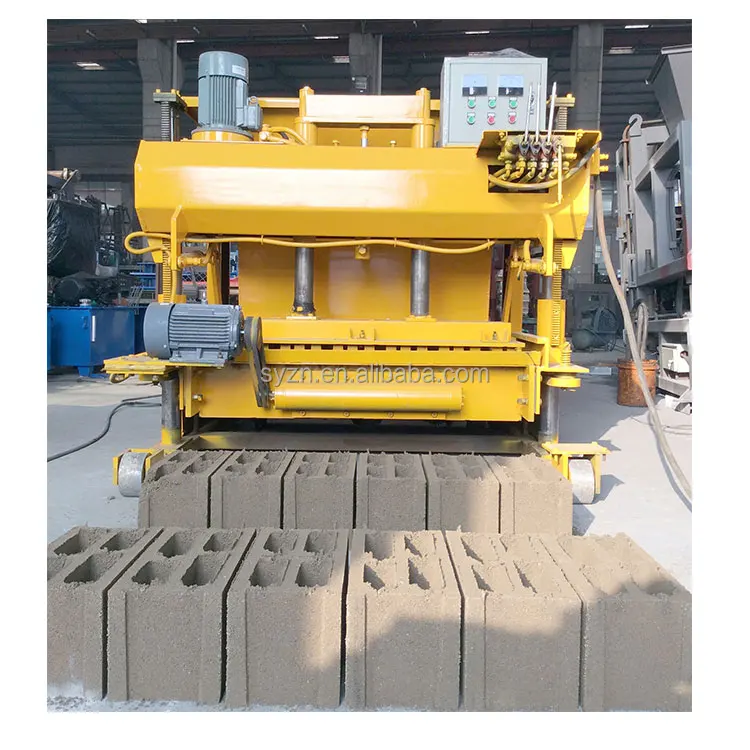
| Theoretical Output (400×200×200 mm hollow block, 4 pcs/mould) | 360 pcs/h, 2800 pcs/day |
| Theoretical Output (400×150×200 mm hollow block, 5 pcs/mould) | 450 pcs/h, 3600 pcs/day |
| Theoretical Output (225×112.5×60 mm solid brick, 9 pcs/mould) | 800 pcs/h, 6400 pcs/day |
| Raw Materials | Concrete, sand, cement, fly ash, lime, gypsum |
| Net Weight | 1 T |
| Overall Dimensions (L×W×H) | 1350 × 1460 × 1800 mm |
| Pallet Size | 850 × 450 mm |
| Voltage | Configurable to buyer’s local grid (value to be confirmed) |
| Automation Level | Semi-automatic (top die push-pull, automatic scraper, manual pallet handling) |
| Vibration System | Bed mould vertical vibration + upper mould compression vibration |
| Control System | To be confirmed (PLC / relay / manual panel) |
| Key Features | Hydraulic or mechanical press to be confirmed, CE declaration available where applicable |
Application Suitability
| Application | Material or Output |
|---|---|
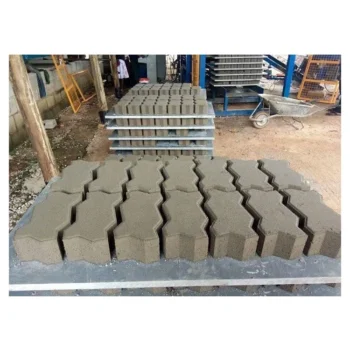
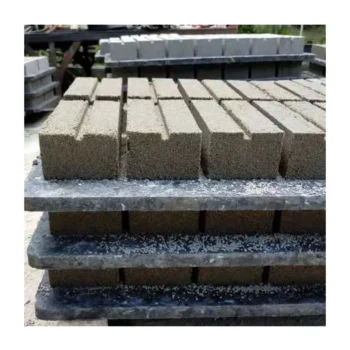
| Small to medium block plant start-up | Hollow and solid concrete blocks from local sand, cement and aggregate |
| On-site production for building contractors | Paving blocks and wall blocks poured and cured at the project location |
| First plant for entrepreneurs entering block manufacturing | Standard hollow blocks and solid bricks using regionally available fly ash or crushed stone |
| Distributor stock replenishment | Ready-to-ship machines for building material importers needing quick inventory turnover |
Why "In Stock" Must Mean More Than a Warehouse Label
A stocked QTJ4-40 block machine in stock only saves time if the voltage, mould format and pallet specification are confirmed before it leaves the factory floor.
I have seen buyers rush an order because a deadline was closing in, only to watch the machine sit on a dock for weeks while the motor was rewound to match a 60 Hz grid. The mould that shipped was for a hollow block the local market did not buy, and the pallets did not fit the curing racks already welded at the site [NEED_CITE: voltage and frequency standards by export market]. Speed without specification is just expensive delay moved to a different continent.
What Dispatch-Ready Actually Covers
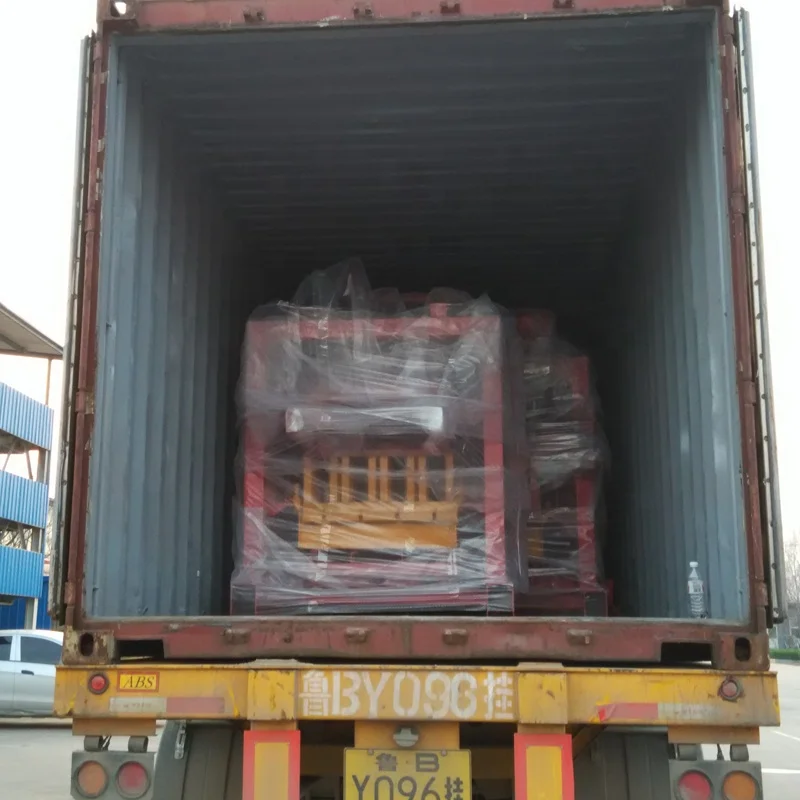
When we confirm a QTJ4-40 block machine in stock for a buyer, the package includes the press, the selected mould and a matched set of 850 × 450 mm pallets. The machine is dismantled to fit a standard container, and a loading plan with photographs is shared before the doors are sealed. This removes the usual gap between paying a deposit and seeing the equipment on the water.
Lead Time That Survives Contact With Reality
Stock availability changes daily, so the quoted dispatch window is tied to the moment the proforma is signed, not a standing promise. Once the voltage and control language are locked in, the QTJ4-40 block machine in stock typically moves from our Linyi yard to the port within a short, predefined window. Arrival estimates are given against the destination port’s current congestion pattern rather than a best-case assumption [NEED_CITE: typical ocean freight transit variability by route].
Reading the Numbers Behind the Cycle Time
The 40-second molding cycle governs how fast the press can complete one press-and-release sequence, but daily throughput depends on which block format fills the mould. With a 400×200×200 mm hollow block cavity producing 4 pieces per cycle, the theoretical ceiling sits at 360 pieces per hour. Switch to a solid brick mould that holds 9 pieces per cycle and the theoretical figure rises to 800 pieces per hour. Real output also hinges on how quickly an operator can pull and replace the pallets, because the semi-automatic configuration leaves pallet handling to the person at the press. The 9.5 kW rated power covers both the vibration motors and the scraper mechanism, so no separate hydraulic pump station is drawing additional current on the workshop floor.
The Cost of Skipping the Pre-Shipment Checklist
Sending a machine to a 220 V / 60 Hz country with a motor wound for 380 V / 50 Hz does not just slow production — it burns the windings before the first pallet is loaded. I watched a contractor in West Africa lose three weeks sourcing a replacement motor locally because the original nameplate was never checked against the site transformer [NEED_CITE: CE machinery directive requirements for industrial equipment]. A similar mismatch on pallet size means the curing racks have to be re-welded, and the forklift tines do not reach the stack.
Why Buyers Source This Model Through Us
Block machinery is our single focus, so the QTJ4-40 ships as a matched system rather than a press paired with whatever pallets and moulds happen to be on the shelf. We confirm the buyer’s local aggregate and target block format before the machine leaves, avoiding the situation where a mix design cannot be sourced on arrival. Moulds are selected or custom-drawn for the formats the buyer’s market actually sells. Voltage and PLC language are locked in before dispatch, so commissioning starts the day power is connected. Installation support and operator training follow arrival, and a wear parts list specific to the shipped configuration is included.
Documentation & Verification
- Stock confirmation letter naming the exact QTJ4-40 serial, mould format and pallet count
- Dispatch date and estimated port arrival quoted before order confirmation
- Packing photographs and container loading diagram shared before the container is sealed
- Voltage and frequency confirmation sheet matching the destination country grid
- Factory test record run on the buyer’s selected block format prior to loading
Installation, Commissioning & Support
- Foundation pad must be level within tolerance to support the 1 T net weight and 1350 × 1460 mm footprint
- Dedicated circuit sized for the 9.5 kW rated draw, with voltage confirmed against the local grid before energizing
- Machine arrives dismantled; reassembly covers frame bolting, vibration bed alignment and pallet guide fitting
- First production run supervised to dial in the 40-second cycle against the buyer’s specific mix and aggregate
- Operator training covers manual pallet change rhythm, mould swap procedure and daily vibration motor inspection
- Wear parts list provided at handover, covering vibration springs, scraper blades and mould liner plates
Before You Request a Quote
Send us the block format you sell most, the daily volume you need to hit and the voltage at your site. Tell us whether the raw material is river sand, crushed stone or fly ash, and we will confirm which mould and pallet set ships with the machine. If you have existing curing racks or forklifts, share the dimensions so the 850 × 450 mm pallets arrive compatible with what is already on the ground.
Frequently Asked Questions
Q: Is the QTJ4-40 currently in stock and how soon can it ship?
A: Stock status is confirmed at the time of inquiry because units move daily. Once the proforma is signed and voltage is locked in, the machine, mould and pallets are prepared for container loading within a short, predefined window. We provide a written dispatch date and estimated port arrival before you transfer the deposit.
Q: What mould formats are included and can I add extra moulds to the same shipment?
A: The standard shipment includes one mould matched to your best-selling block format, chosen from hollow block, solid brick or paver options. Additional moulds can be loaded into the same container if space allows, and we confirm the loading plan with photographs before sealing the doors.
Q: How is the machine packed for container loading and what arrives dismantled?
A: The press frame, vibration bed and top die assembly are separated to fit a standard container footprint. Bolting points are match-marked so reassembly follows a clear sequence. Pallets are bundled and strapped, and the full packing list is shared alongside loading photographs before dispatch.
Q: What voltage options are available and is the motor pre-wired for my country?
A: The motor is wound to match the buyer’s confirmed local voltage and frequency before the machine leaves the factory. We require a copy of the site electrical specification or a utility bill to verify the correct configuration, so commissioning can begin immediately on arrival without rewinding.
Q: What is the estimated arrival time to my port after dispatch?
A: Transit time depends on the destination port and current shipping lane schedules. We quote an estimated arrival window based on the confirmed dispatch date and the carrier’s published transit days, and we flag any known port congestion that could shift the timeline.