


Description
Pre-Configured for Rapid Dispatch — standard electrical and hydraulic setups are fully assembled and tested prior to loading, allowing buyers to secure immediate production capacity without waiting for custom engineering delays.
Technical Specifications
| Parameter | Value |
|---|---|
| Model | QT12-15 |
| Product Type | Automatic Block Making Machine |
| Method | Hydraulic pressure |
| Automation | Yes |
| Overall Dimensions (L×W×H) | 935025202950mm |
| Brick Size Compatibility | 400100200 mm, 400120200 mm, 400150200 mm, 24011590 mm, 400200200 mm, 230220115 mm |
| Core Components | PLC, Motor, Pump |
| Warranty | 1 Year |
| Inspection Standards | Machinery Test Report, Video outgoing-inspection |
Application Suitability
| Application | Material or Output |
|---|---|
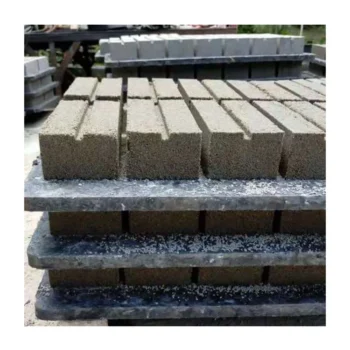
| Hollow block production | Cement, crushed stone, and sand aggregates |
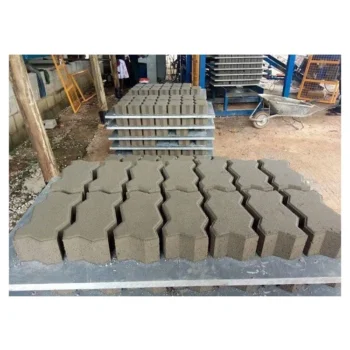
| Paving block manufacturing | Cement mixtures with fine aggregates |
| Curbstone block forming | High-density cement and coarse aggregate blends |
Why the Voltage Question Must Precede the Dispatch Date
Confirming local grid parameters before loading prevents a three-week commissioning standstill at the destination.
Rushing a QT12-15 block making machine in stock onto a vessel without verifying the destination frequency and voltage is a costly mistake. I previously oversaw an installation in South Asia where an unverified PLC cabinet tripped the main breaker immediately upon energization. The site was dead in the water while replacement transformers and contactors were air-freighted, burning through weeks of the project schedule [NEED_CITE: voltage and frequency standards by export market]. Securing the right unit quickly only matters if it actually runs when the container doors open.
Verifying Readiness for Immediate Shipment
When a project deadline looms, the physical availability of the equipment dictates the entire construction schedule. Our dispatch team focuses on confirming that the QT12-15 block making machine in stock is not just sitting in a yard, but is fully assembled, fluid-filled, and electrically terminated. This readiness ensures that the moment the booking confirmation is received, the equipment can be moved directly to the loading bay without requiring last-minute bench testing or component sourcing.
Dismantling Protocols for Ocean Freight
The 935025202950mm footprint of this equipment requires a precise dismantling strategy to fit standard shipping containers. We separate the hydraulic station, detach the PLC cabinet, and lower the main press frame to maximize space and protect sensitive electronics from transit vibration. This systematic breakdown is documented with loading photographs, ensuring the receiving team knows exactly how to reverse the process upon arrival at the port [NEED_CITE: CE machinery directive requirements for industrial equipment].
Interpreting the Physical and Hydraulic Footprint
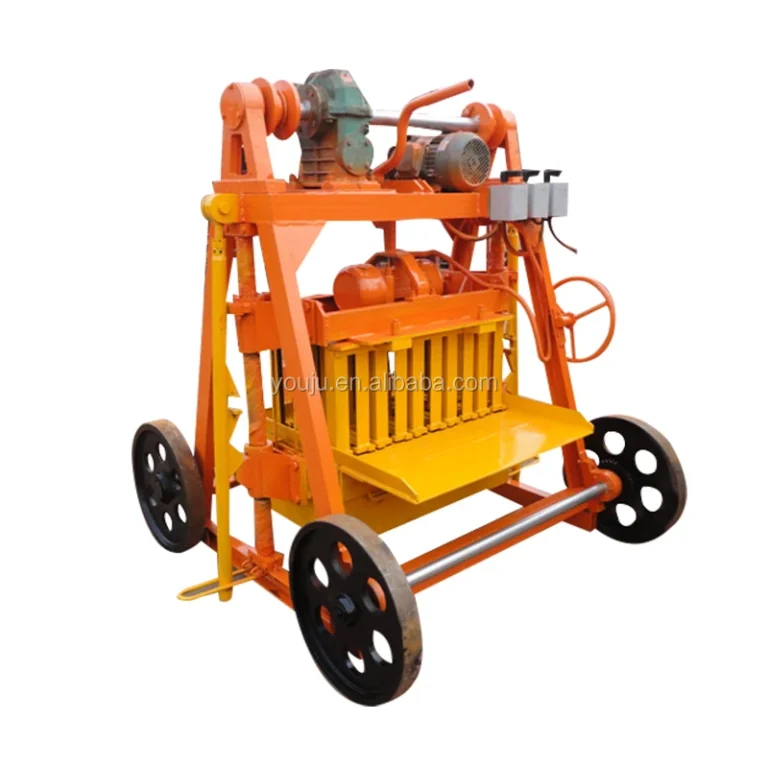
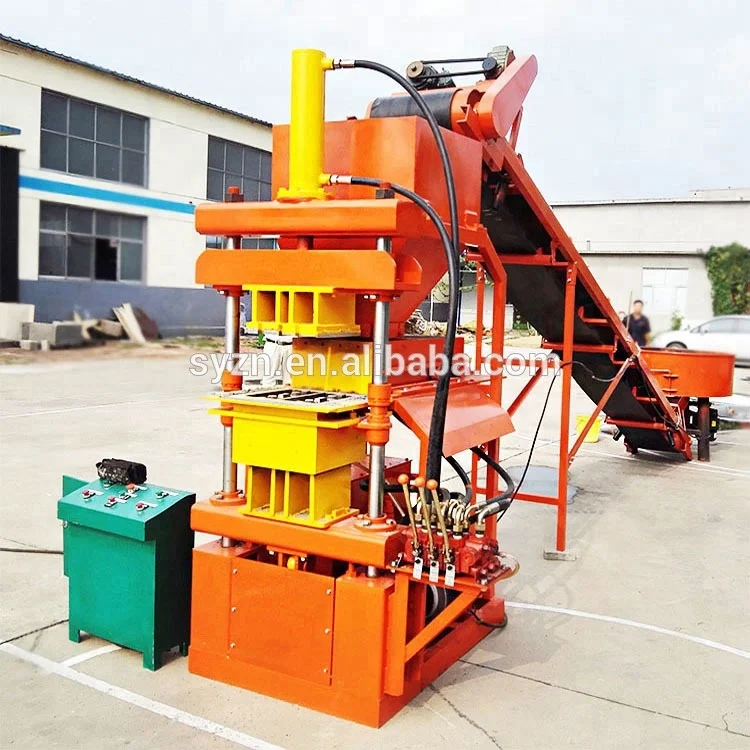
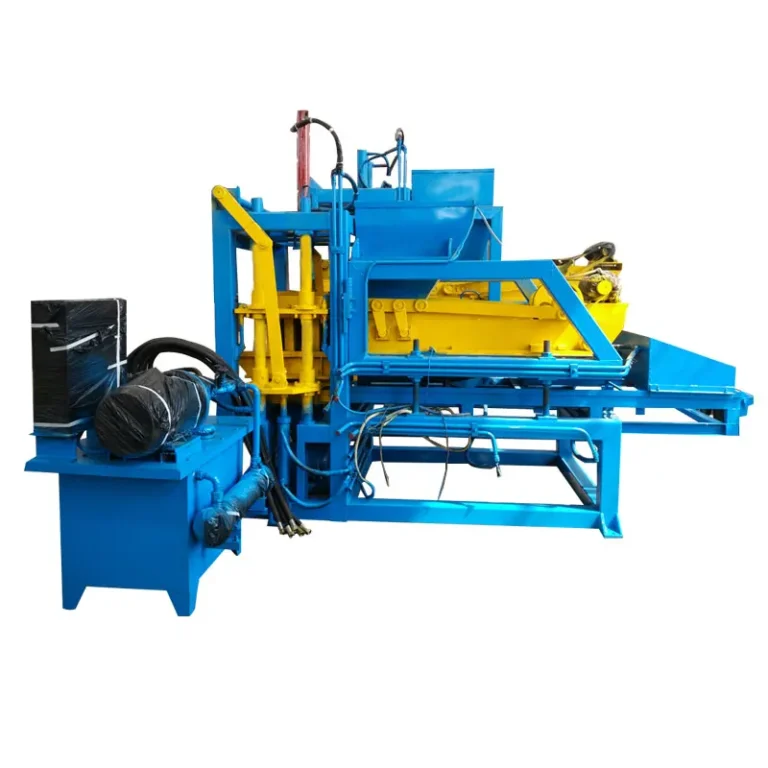
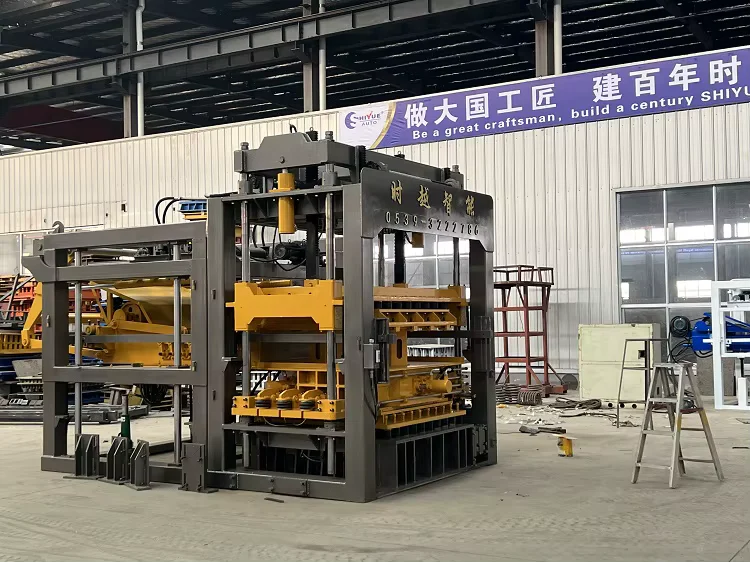
The hydraulic pressure method relies on a centralized pump and motor assembly that must be positioned to minimize hose runs while allowing forklift access for maintenance. The overall dimensions dictate the minimum clear span required for the main production shed, directly influencing how the curing racks are laid out around the press. Standardizing the brick size compatibility across six distinct formats means the physical mould changing hardware is already matched to the press platens, eliminating the need for custom adapter plates during the initial setup phase.
The Hidden Costs of Rushing the Electrical Check
Assuming a standard voltage configuration will work overseas leads to burned-out motors and fried PLC boards. When a machine arrives with mismatched electrical components, the buyer faces the hidden cost of hiring local electricians to rewire the main distribution panel, which often voids the core component warranty. Taking the time to lock in the exact frequency and phase requirements before the machine leaves our facility prevents these expensive, schedule-destroying modifications at the job site [NEED_CITE: industrial equipment electrical compliance standards].
Securing Your Equipment Through Proven Logistics
We maintain a dedicated focus on block production machinery, meaning our logistics team understands the specific center of gravity and lifting points for this exact press frame. The dispatch lead time is calculated based on actual dismantling hours and container stuffing schedules, not arbitrary calendar estimates. Every unit undergoes a rigorous video outgoing-inspection to prove operational readiness before it is bolted to the container floor. We provide complete customs documentation support to ensure the paperwork matches the physical cargo, preventing border hold-ups.
Documentation & Verification
- Factory test record confirming hydraulic pressure stability before dismantling.
- Video outgoing-inspection demonstrating core component operation prior to loading.
- Machinery test report validating structural integrity of the main press frame.
- Packing photographs detailing the exact placement of the PLC and motor inside the container.
- Customs documentation support aligning commercial invoices with the physical shipment.
Installation, Commissioning & Support
- Foundation planning based on the 935025202950mm overall dimensions and dynamic hydraulic loads.
- Electrical termination requiring dedicated circuits matched to the verified local voltage and frequency.
- Reassembly of the detached PLC cabinet and hydraulic pump station using provided schematics.
- Initial parameter setting for the hydraulic pressure method to match the specific cement mix.
- Operator training focused on safe mould changing procedures for the six supported brick sizes.
- Routine maintenance schedules for the core motor and pump components to ensure continuous operation.
Preparing Your Site for Arrival
To ensure the equipment integrates smoothly into your operation upon arrival, please provide your exact local voltage and frequency specifications so we can finalize the electrical configuration. We also need the dimensions of your available curing area and the layout of your existing material handling equipment to advise on the optimal placement of the press. Finally, confirm your target daily output and the specific brick sizes you intend to run first so we can verify the corresponding moulds are loaded in the container.
Frequently Asked Questions
Q: What is the current dispatch lead time and arrival estimate for the QT12-15?
A: The dispatch lead time depends on the current availability of the QT12-15 block making machine in stock and the time required for dismantling and container stuffing. We provide an upfront arrival estimate based on the confirmed vessel schedule and your destination port, ensuring you can plan your site preparation and labor allocation accurately without guessing the transit duration.
Q: How is the machine dismantled and loaded into containers for shipment?
A: The equipment is systematically broken down by detaching the PLC cabinet, separating the hydraulic station, and lowering the main frame to fit standard shipping containers. This process protects sensitive components from transit damage and maximizes space. We provide detailed packing photographs and loading plans so your team can efficiently reverse the assembly process once the cargo reaches your facility.
Q: Are standard moulds for the listed brick sizes currently in stock?
A: We maintain an inventory of standard moulds corresponding to the supported brick sizes, including hollow, paving, and curbstone formats. When you confirm your target production formats, we verify the physical availability of those specific moulds and include them in the shipment. This ensures you have the necessary tooling to begin production immediately after the main press is commissioned.
Q: What customs documentation is provided to ensure fast clearance?
A: We supply a comprehensive set of customs documentation, including detailed commercial invoices, packing lists, and the machinery test report. These documents are carefully aligned with the physical cargo and the specific export requirements of your destination country. This thorough paperwork preparation minimizes the risk of border delays and ensures your equipment clears customs as quickly as possible.
Q: How quickly can on-site installation begin after the machine arrives?
A: On-site installation can begin immediately after the equipment is unloaded and moved to the prepared foundation. Because the machine is fully tested and systematically dismantled prior to shipping, your team only needs to reassemble the major components and connect the verified electrical and hydraulic lines. This streamlined process significantly reduces the time between container arrival and the first production run.