

Description
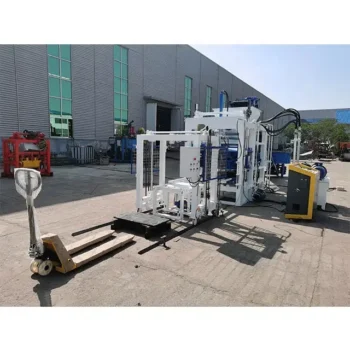
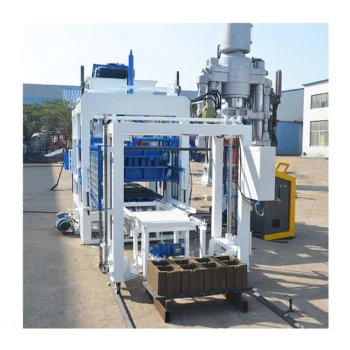
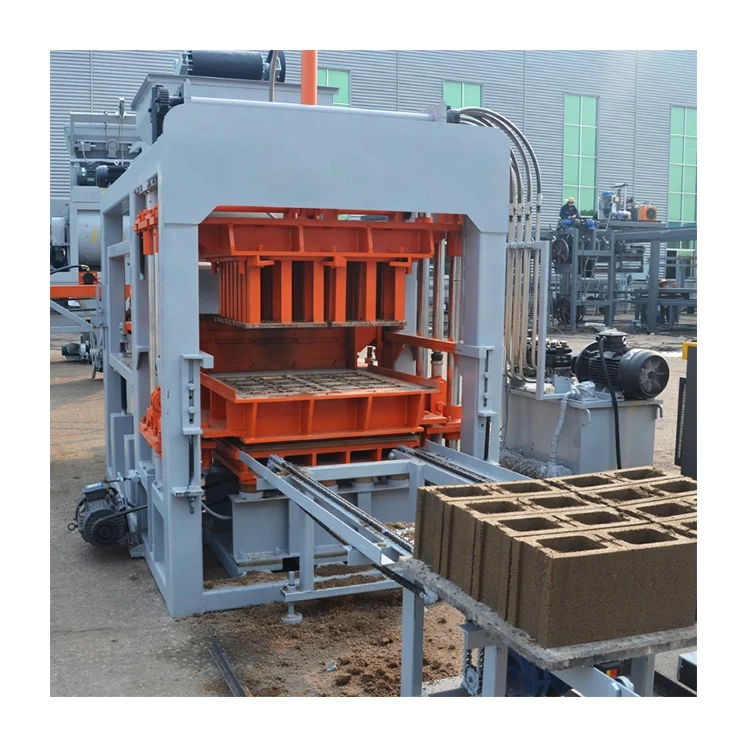
Matched Pallet, Mould and Press — the QT6-15 block machine in stock ships as a configured system, not a catalogue default, with pallet size and cycle time verified against your target format before dispatch.
Technical Specifications
| Parameter | Value |
|---|---|
| Model | QT6-15 |
| Product Type | Automatic Cement Concrete Block Making Machine |
| Molding Way | Vibration and hydraulic pressing |
| Rated Pressure | 21 MPa |
| Molding Cycle | 15s–20s |
| Pallet Size | 900×700 mm |
| Main Machine Weight | 6000 KGS |
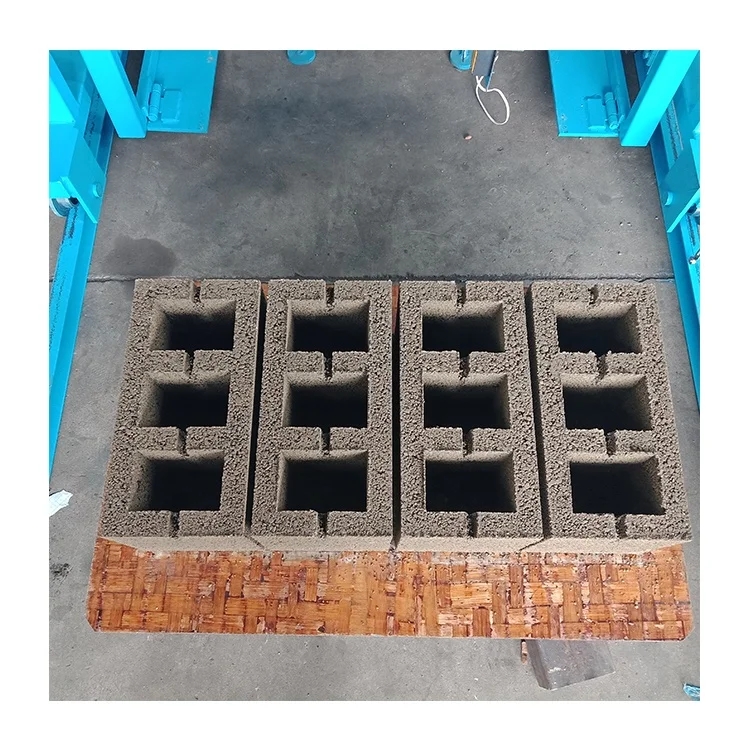
| Output Capacity (Hollow Block) | 1440 pcs/h based on 400×200×200 mm hollow block, 6 pcs per pallet |
| Output Capacity (Paving Brick) | 5040 pcs/h based on 200×100×60 mm paving brick, 21 pcs per pallet |
| Output Capacity (Solid Brick) | 7680 pcs/h based on 240×115×53 mm solid brick, 32 pcs per pallet |
| Daily Output (Hollow Block) | 11520 pcs/8h based on 400×200×200 mm hollow block |
| Daily Output (Paving Brick) | 40320 pcs/8h based on 200×100×60 mm paving brick |
| Daily Output (Solid Brick) | 61440 pcs/8h based on 240×115×53 mm solid brick |
| Control System | PLC (source value — verify against manufacturer catalog) |
| Voltage & Frequency | Customizable to buyer’s local voltage |
| Raw Materials | Cement, sand, fly ash, stone powder, slag |
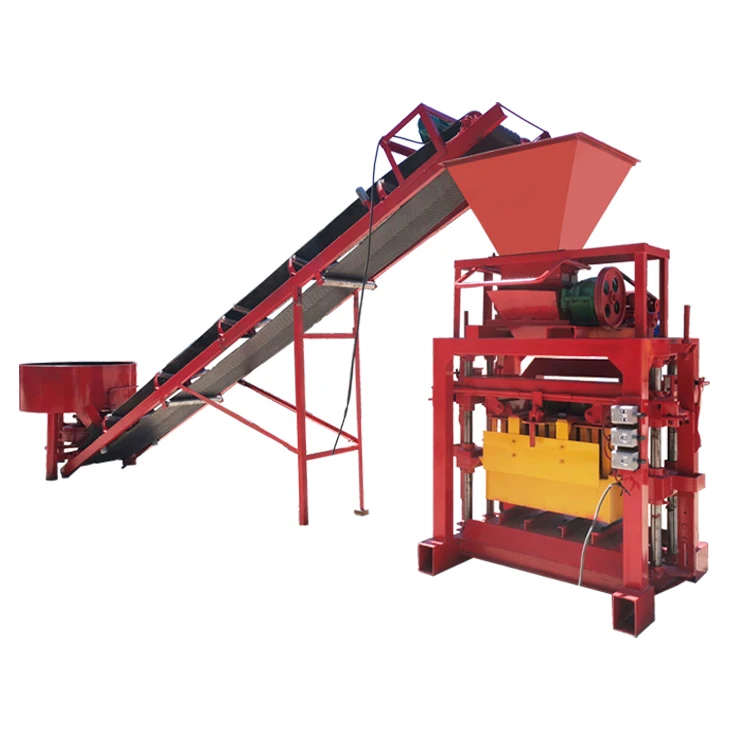
| Simple Line Configuration | JS500 mixer, 8M conveyor belt, automatic stacker, one hollow block mould, two hydraulic trolleys |
| Assembly State | Main machine requires top cylinder removal for container loading |
| Warranty | 1 year (excluding wearing parts) |
| Standards | CE (basis not stated in source — confirm with manufacturer) |
Application Suitability
| Application | Material or Output |
|---|---|
| Hollow block production for residential and commercial walls | Cement, sand, fly ash, stone powder, slag |
| Paving brick manufacturing for walkways and parking areas | Cement, crushed stone, sand mixes |
| Solid brick production for load-bearing masonry | Cement, sand, slag blends |
| Interlocking block and kerbstone production | Cement and aggregate combinations with mould change |
| Color pavement brick for landscaping projects | Pigmented cement and fine aggregate |
What "In Stock" Actually Means for Your Project Timeline
A stocked QT6-15 block machine in stock only matters if the voltage, PLC language, and mould format match your site on arrival.
I watched a QT6-15 arrive in West Africa wired for 380V when the local grid ran 415V/50Hz. The motor would not start. We spent nearly two weeks rewiring and adjusting connections before the press could run. [NEED_CITE: voltage and frequency standards by export market] Since that job, every machine I sign off on goes through a voltage and frequency check against the buyer’s actual site supply before the container doors close. A fast dispatch means nothing if the machine sits idle on your slab waiting for an electrician.
Stock Configuration Readiness
The QT6-15 block machine in stock ships with a JS500 mixer, an 8-meter conveyor belt, an automatic stacker, one hollow block mould, and two hydraulic trolleys as the simple line configuration. This package gives a buyer enough to start producing hollow blocks on day one after commissioning. If your market demands paving bricks or solid bricks first, the mould swap must be confirmed before the machine leaves the factory floor.
Dispatch Lead Time and Container Loading
The main machine weighs 6000 KGS and requires top cylinder removal for container loading. This is a planned dismantling step, not an afterthought — the cylinder is unbolted, secured separately, and reassembled on your foundation with alignment checks. [NEED_CITE: container loading procedures for heavy industrial machinery] Dispatch timing depends on whether your requested voltage and control language match the stocked configuration or require adjustment.
How Pressure and Vibration Shape Block Density
The QT6-15 delivers 21 MPa rated pressure combined with vibration to compact the mix. Hydraulic pressure forces the material into the mould cavity while vibration eliminates air pockets, and together they determine the final block density and compressive strength. A mix that works at lower pressure may produce weak blocks at this rating if the vibration frequency is not matched to your aggregate particle size. The 15s–20s molding cycle varies by format — a hollow block cycle sits at the longer end while a solid brick cycle completes faster.
The Cost of Skipping Voltage Confirmation
When voltage is wrong, the motor draws excessive current, overheats, and trips protection circuits — or worse, it runs but delivers reduced torque to the hydraulic pump, producing blocks that fail strength tests. [NEED_CITE: effects of voltage mismatch on hydraulic motor performance] Rewinding a motor on-site adds weeks to your commissioning schedule and costs more than a factory-side adjustment would have. Confirming your local supply voltage and frequency before shipment is the single most important step for a QT6-15 block machine in stock destined for export.
Why Source This Machine Here
Block machinery is the single focus of this operation, which means the press, mould, pallet, and handling equipment are specified as one matched system. The QT6-15 configuration is set against your actual mix design and local aggregate rather than pulled from a default catalogue line. Mould design covers the formats your market actually sells, and custom drawings are accepted. Automation level is selectable, so you can start with the simple line and add pallet feeding or stacking automation later. Installation support includes on-site commissioning and operator training, so the first production run happens with someone who knows the machine standing beside your crew.
Documentation & Verification
- Line layout showing QT6-15 footprint with JS500 mixer and 8M conveyor placement
- Capacity calculation stating which block format the 1440 pcs/h figure assumes
- Mould drawing and format list for the hollow block mould shipped with the unit
- Voltage and PLC control language confirmation signed before dispatch
- Factory test record on the buyer’s target block format before container loading
- Packing photographs documenting cylinder removal and securing for shipment
Installation, Commissioning & Support
- Foundation must support 6000 KGS main machine weight with level tolerance for 900×700 mm pallet travel
- Dedicated power circuit matching confirmed voltage and frequency for the hydraulic pump and vibration motors
- Top cylinder reassembly and alignment completed on-site before first molding cycle
- PLC control parameters set to match your local language and confirmed block format cycle times
- Operator training covers mould change procedure and daily hydraulic system checks
- Wear parts list provided with the hollow block mould for first replacement planning
Before You Send an Inquiry
To match a QT6-15 block machine in stock to your project, provide your target block format and dimensions, your local supply voltage and frequency, and your available curing area dimensions so we can confirm the 900×700 mm pallet fits your existing forklift and rack layout. If you have a specific raw material source — fly ash from a nearby plant or a particular stone powder grade — share that as well so the mix design aligns with the 21 MPa rated pressure.
Frequently Asked Questions
Q: Can the mould or voltage be changed before a stocked QT6-15 ships?
A: Yes, if the requested mould format is available and the voltage adjustment can be completed within the dispatch window. The PLC language and control parameters are set during this pre-shipment phase. Confirming these details early avoids delays once the container booking is made.
Q: How long from order to dispatch, and how is arrival time estimated?
A: Dispatch timing depends on whether the stocked configuration matches your requirements or needs voltage and mould adjustment. Arrival time is estimated based on the destination port and shipping line schedule, and this estimate is provided before you commit to the order.
Q: What parts are removed for container loading and how are they reassembled?
A: The top hydraulic cylinder is removed from the main machine for container loading and secured separately. On-site reassembly involves bolting the cylinder back in place, reconnecting hydraulic lines, and running alignment checks before the first production cycle begins.
Q: How do I convert the capacity figures to my actual block format?
A: The published capacity figures are based on specific block dimensions — 400×200×200 mm for hollow blocks, 200×100×60 mm for paving bricks, and 240×115×53 mm for solid bricks. If your format differs, the pieces per pallet and cycle time change, so a revised capacity calculation is prepared for your exact dimensions.
Q: How are installation and spare parts handled after arrival?
A: On-site installation includes top cylinder reassembly, power connection verification, and PLC parameter setup. Operator training covers daily maintenance routines and mould change procedures. A wear parts list is included with the shipment so you can plan your first replacement order before production begins.