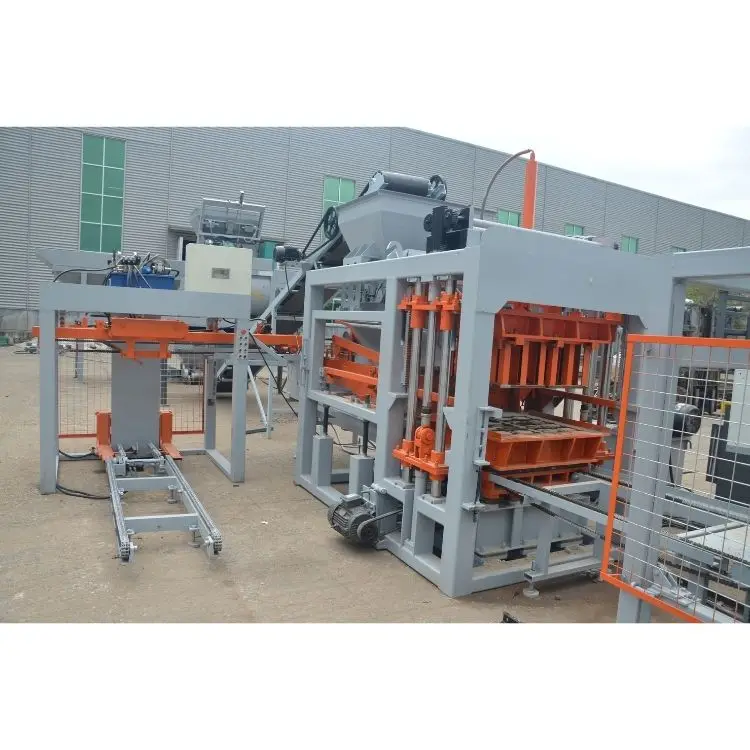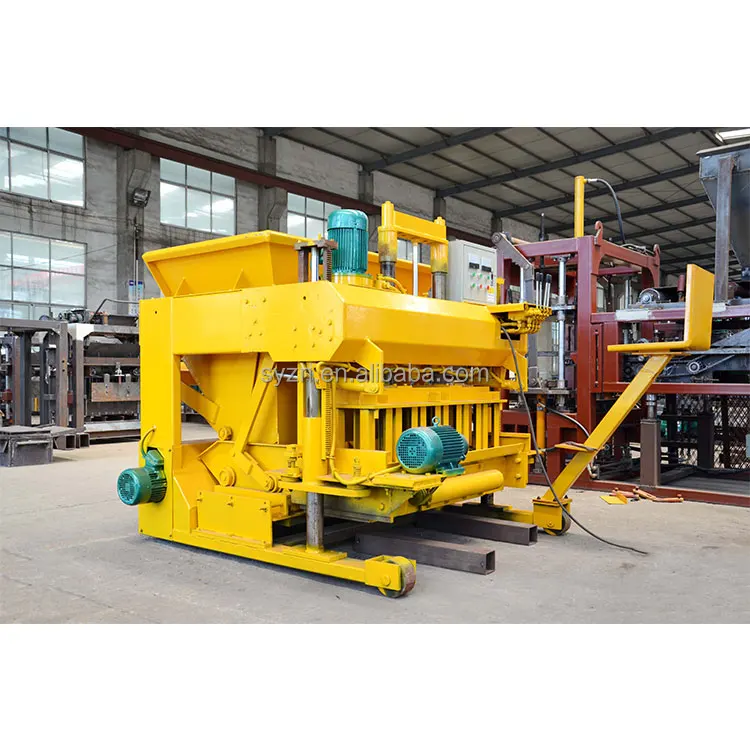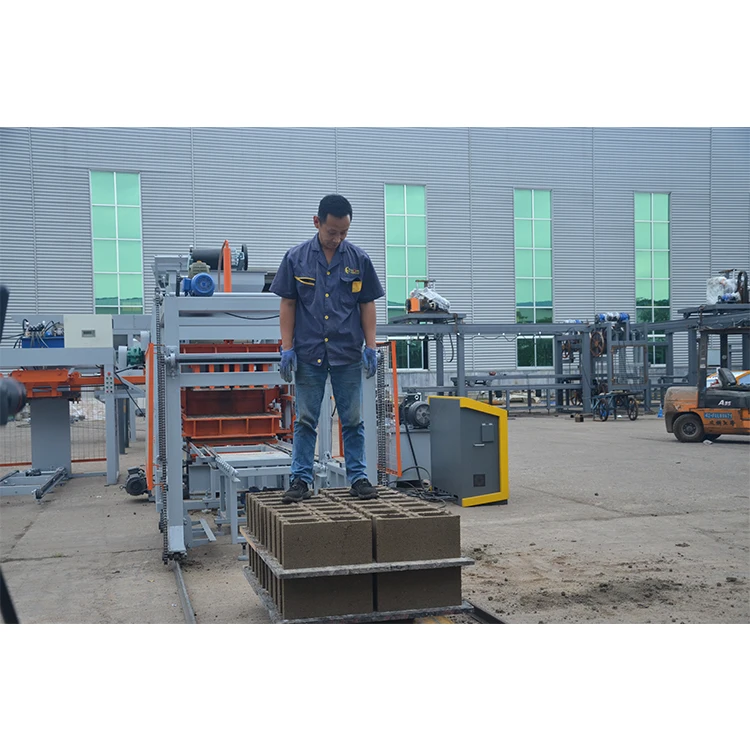
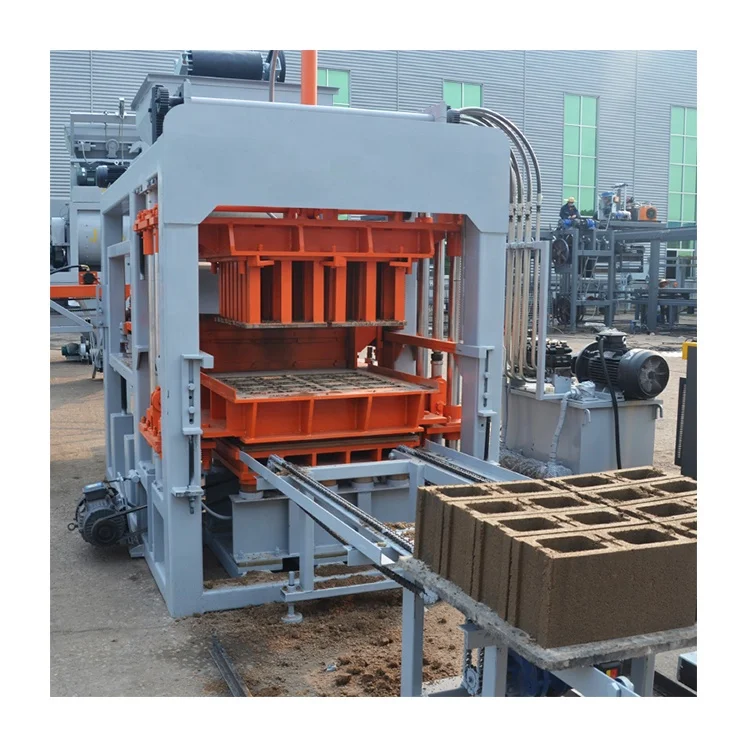
Description
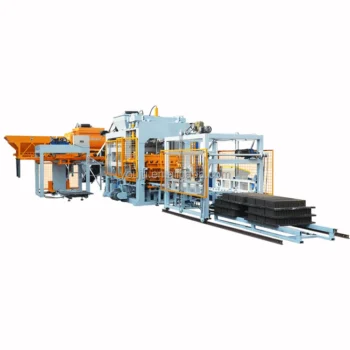
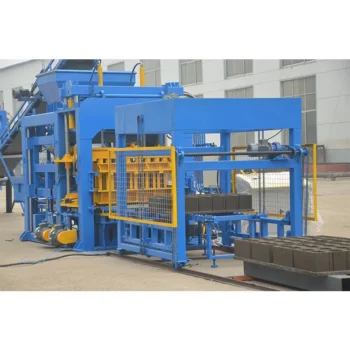
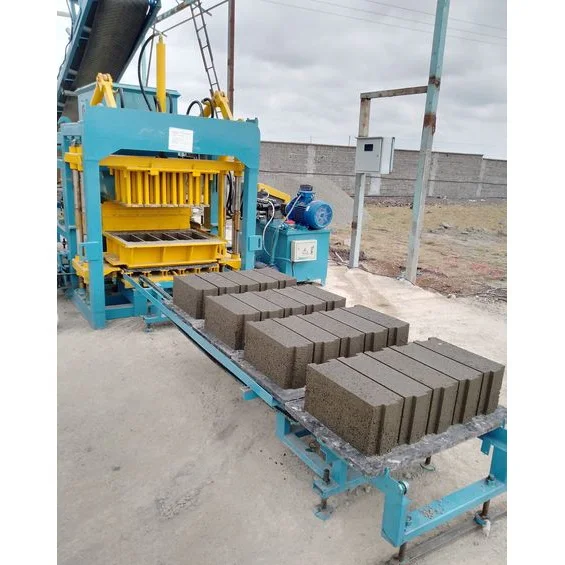
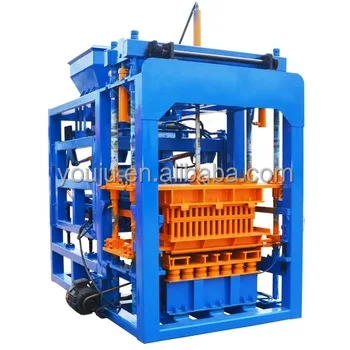
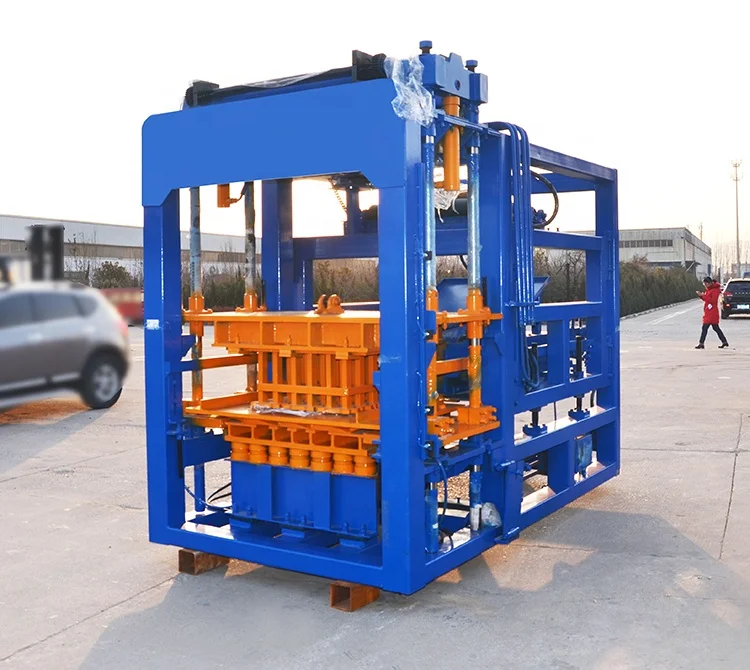
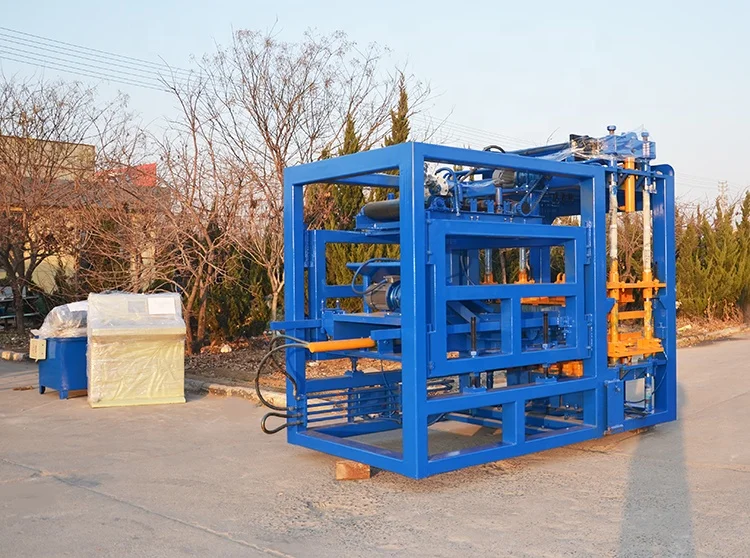
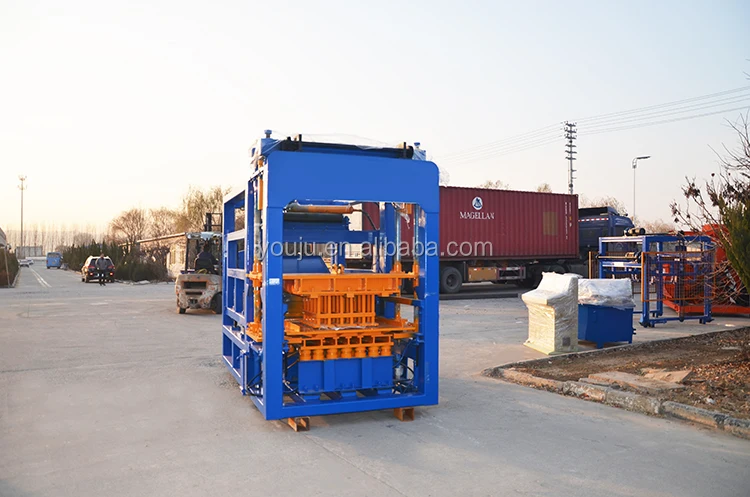
Fast Dispatch from Stock — QT6-15 block machines held in Linyi yard, container-loaded with top cylinder removed so they sail the week your deposit clears instead of waiting eight weeks on a production slot.
Technical Specifications
| Parameter | Value |
|---|---|
| Model | QT6-15 |
| Product Type | Automatic Concrete Block Making Machine |
| Rated Pressure | 21 MPa |
| Molding Way | Vibration and hydraulic pressing |
| Molding Cycle | 15 s – 20 s |
| Pallet Size | 900 × 700 mm |
| Main Machine Weight | 6000 kg |
| Output – Hollow Block 400×200×200 mm | 1440 pcs/h, 11 520 pcs per 8 h shift |
| Output – Paving Brick 200×100×60 mm | 5040 pcs/h, 40 320 pcs per 8 h shift |
| Output – Solid Brick 240×115×53 mm | 7680 pcs/h, 61 440 pcs per 8 h shift |
| Automation Level | Automatic (simple line); semi-automatic option available |
| Mixer in Simple Line | JS500 |
| Conveyor Belt in Simple Line | 8 m |
| Assembly State for Shipment | Top cylinder removed for container loading |
| Warranty | 1 year (excluding wearing parts) |
Application Suitability
| Application | Material or Output |
|---|---|
| Hollow block walling | Cement, sand, crushed stone, fly ash mixes |
| Paving brick driveways and walkways | Stone powder, slag, cement blends |
| Solid brick load-bearing walls | Sand, fly ash, cement combinations |
| Interlocking pavers and curbstones | Aggregate and cement concrete mixes |
| On-site contractor production | Local aggregate sourced near project location |
What "In Stock" Actually Means When You Order a Block Machine
We ship the QT6-15 block making machine in stock with dismantled hydraulics, not a catalogue promise.
Buyers working to a project deadline cannot absorb a six-week factory build plus customs delay when the foundation crew is already on site. I have watched contractors burn through penalty clauses because the machine quoted as "ready" was still on the production floor [NEED_CITE: typical project delay penalties in developing-market construction]. The QT6-15 concrete block machine is held as a complete main press in our Linyi yard, top cylinder unbolted, pallet feeder pre-assembled, so the unit drops into a 40-foot container within days of deposit clearance rather than weeks.
Dispatch Timeline Without the Guesswork
Once the buyer confirms voltage, frequency and mould format, the QT6-15 block making machine in stock is pulled from the yard, re-inspected, and photographed in packing condition before the container doors close. Typical multi-day turnaround replaces the usual multi-week wait, and the arrival estimate is quoted against the buyer’s destination port rather than a generic FOB date.
How the Machine Travels and Reassembles
The 6000 kg main frame enters the container with the top hydraulic cylinder removed to meet internal height limits. Reassembly on site requires a crane, the original bolts, and a hydraulic hose reconnection — steps we document with numbered photographs so the local millwright does not improvise. A misaligned top cylinder causes uneven pressure across the mould box and produces blocks that crumble at the edges [NEED_CITE: hydraulic cylinder alignment tolerance in block press assembly].
Reading the Specs Against Your Actual Block Format
The quoted 1440 hollow blocks per hour assumes a 400×200×200 mm format on a 900×700 mm pallet at a 15–20 second cycle; switching to a smaller paver multiplies pieces per pallet and changes the hourly count accordingly. The 21 MPa rated pressure combined with hydraulic vibration must match the buyer’s aggregate size and cement ratio — a volcanic ash mix common in East Africa behaves very differently from the standard river sand we use for factory testing. If the buyer’s local aggregate is porous or angular, the vibration frequency and hold time need adjustment before the first shift ends, or block strength will wander outside the required range [NEED_CITE: aggregate shape effect on concrete block compressive strength].
The Hidden Cost of Skipping the Stock Conversation
Ordering a non-stock configuration means the factory slots the machine behind existing commitments, and a buyer with a foundation already poured faces idle crews. Voltage mismatches discovered after the container arrives force transformer rental or panel swaps that can stall commissioning for weeks. Mould formats chosen from a brochure without confirming local market demand leave the buyer producing blocks the neighbourhood does not buy [NEED_CITE: mismatch between block format produced and local construction demand in emerging markets].
Why Source This Machine From Here
Our yard holds QT6-15 units and standard moulds so dispatch is measured in days, not production cycles. Container loading plans are prepared around the actual dismantled state of the press, so reassembly instructions match the photographs the buyer receives. We confirm voltage, frequency and PLC display language before the machine leaves Linyi, removing the most common commissioning delay. Pallet size is checked against the curing area and forklift the buyer already operates on site. Packing photographs and full customs paperwork accompany every shipment so clearance at the destination port proceeds without document-chasing.
Documentation & Verification
- Factory test record on buyer’s target hollow block format before dispatch
- Pallet size confirmation matched to buyer’s curing rack spacing
- Voltage, frequency and PLC language sign-off sheet
- Numbered container loading and dismantling photographs
- Customs documentation package prepared for destination port
Installation, Commissioning & Support
- Top cylinder re-mount procedure with bolt torque values for 6000 kg frame
- JS500 mixer wiring to match confirmed local voltage and frequency
- 8 m conveyor belt alignment check against the 900×700 mm pallet track
- Mould box leveling to maintain 21 MPa pressure distribution
- Wearing parts list covering hydraulic seals and vibration springs
What We Need to Quote an Arrival Date
Send us the destination port, the block format your market actually moves, and the local aggregate description so we can confirm which QT6-15 configurations in stock fit your line. Tell us your existing forklift capacity and curing rack dimensions so the 900×700 mm pallet does not arrive incompatible. State your site voltage and frequency, and we will lock the electrical panel before the machine is container-loaded.
Frequently Asked Questions
Q: Which QT6-15 configurations are currently in stock and ready to ship?
A: The QT6-15 block making machine in stock is held as a complete main press with JS500 mixer and 8 m conveyor. Standard hollow block, paving brick and solid brick moulds ship with the machine. Custom mould formats or semi-automatic line downgrades require a short production slot, and we confirm availability at inquiry.
Q: How is the machine dismantled for container loading and reassembled on site?
A: The top hydraulic cylinder is unbolted from the 6000 kg frame to meet container height limits. Numbered photographs document every hose and bolt position. On-site reassembly needs a crane and basic hydraulic tools; we provide a step-by-step re-mount guide with the packing photographs.
Q: What is the realistic dispatch lead time and estimated arrival at my port?
A: Stock units ship within days once voltage, frequency and mould format are confirmed. We quote the arrival estimate against the buyer’s specific destination port rather than a generic FOB date, and we provide the vessel booking reference once the container is gate-in.
Q: Are standard moulds shipped together with the machine from stock?
A: Hollow block, paving brick and solid brick moulds matching the 900×700 mm pallet are available from stock and loaded in the same container. Buyers requesting interlocking or kerbstone formats should confirm stock status at inquiry to avoid splitting the shipment.
Q: What customs documentation is provided to support fast import clearance?
A: Each shipment includes the commercial invoice, packing list, bill of lading, certificate of origin and factory test record. We prepare the documents against the destination country’s specific customs requirements so the buyer’s broker can file entry without requesting missing pages.