
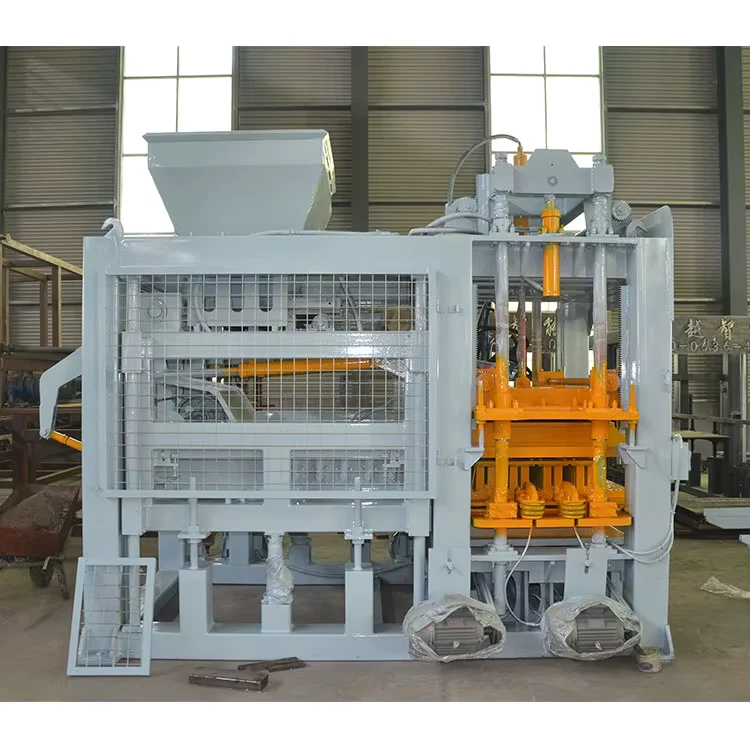
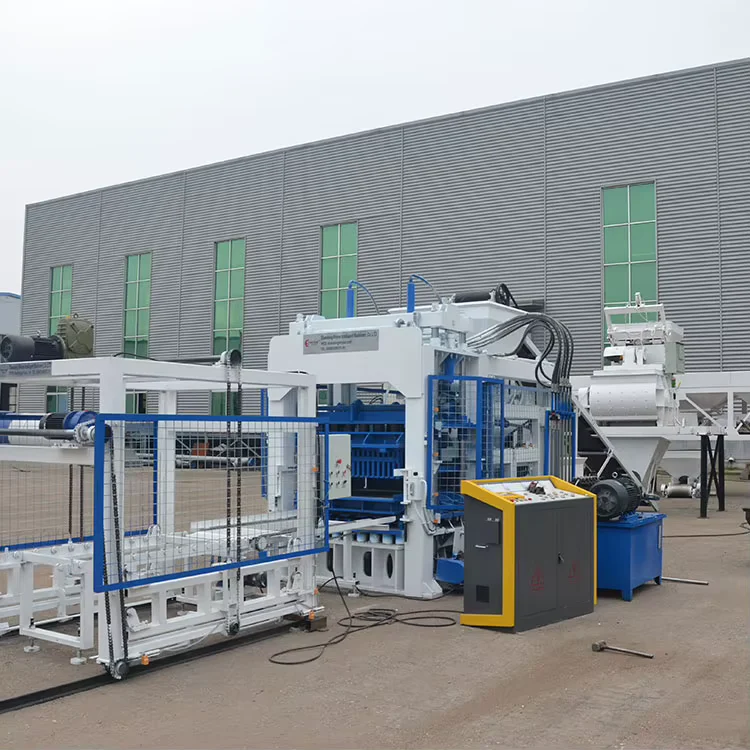
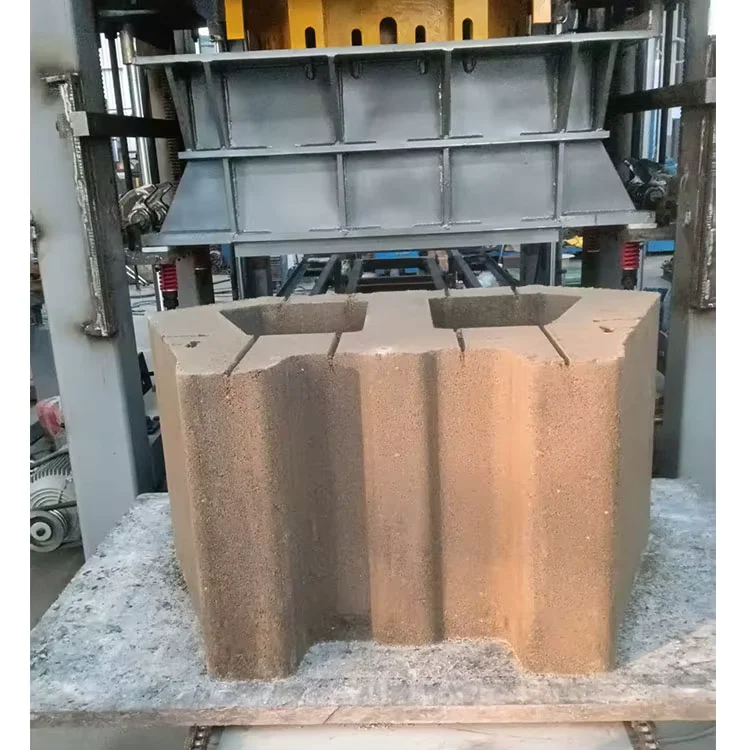
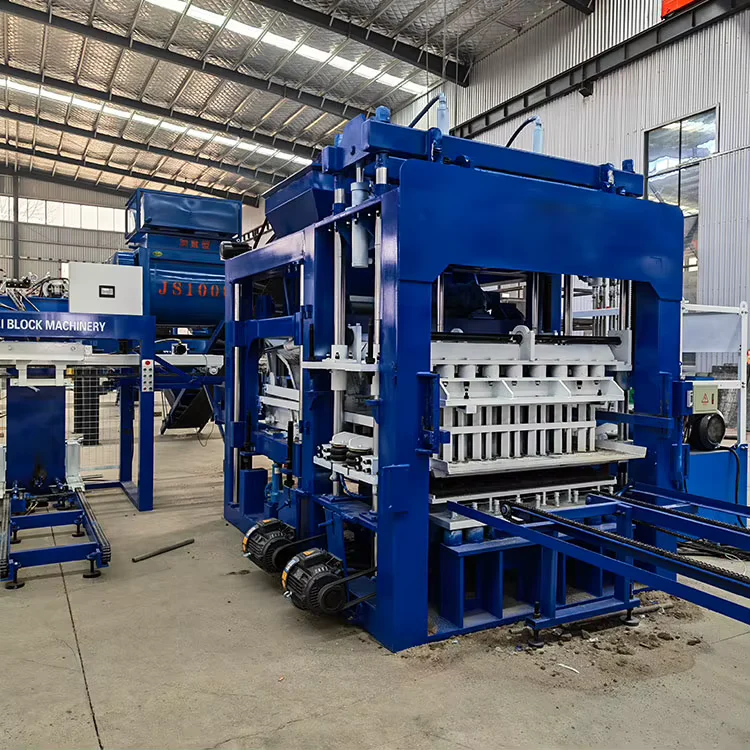
Description
Verified Dispatch Readiness — every stocked QT12-15 unit undergoes strict electrical schematic cross-checks before container loading to prevent on-site power delays.
Technical Specifications
| Parameter | Value |
|---|---|
| Model | QT12-15 |
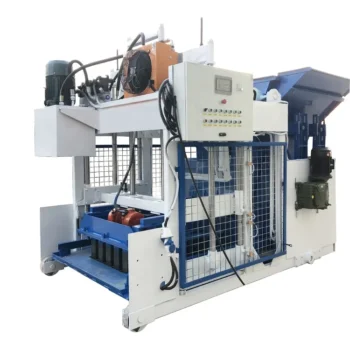
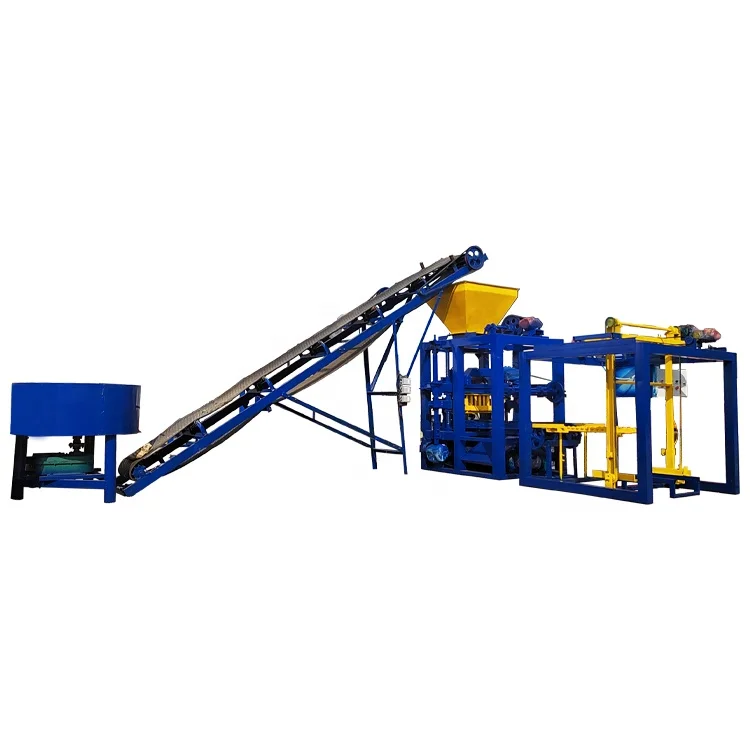
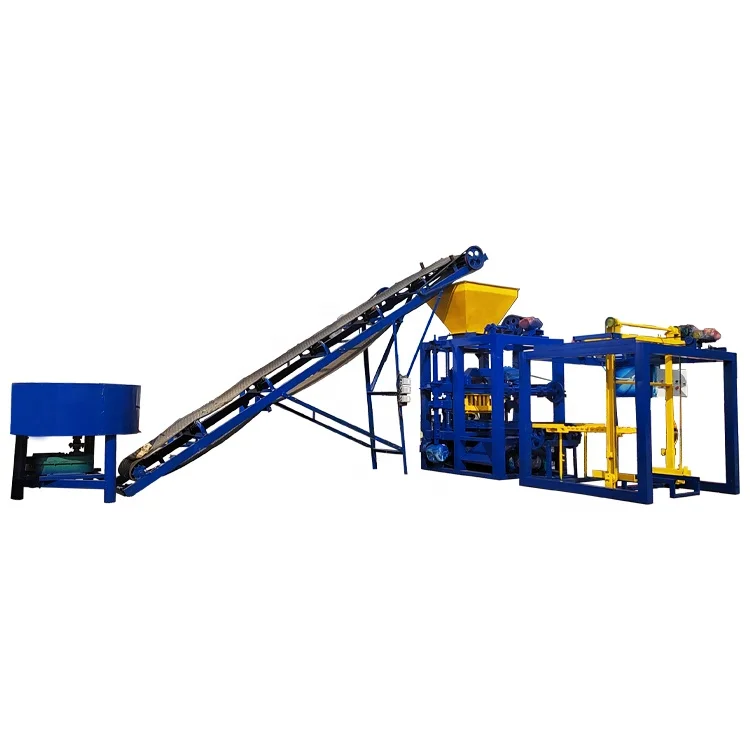
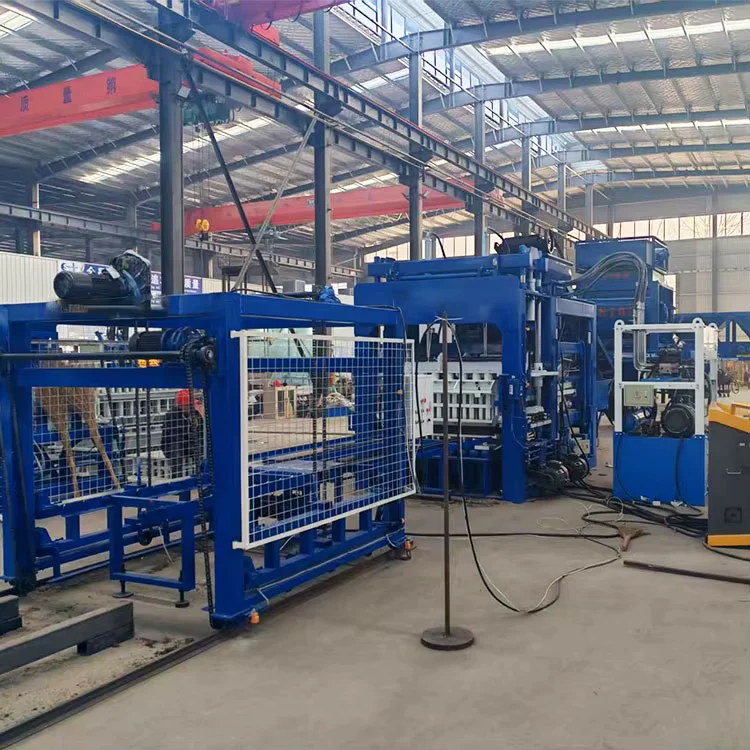
| Product Type | Automatic Hydraulic Concrete Block Making Machine |
| Forming Method | Hydraulic pressure |
| Automation Level | Automatic |
| Overall Dimensions (L×W×H) | 935025202950mm |
| Net Weight | 10500 kg |
| Voltage | Local Voltage (verify against manufacturer catalog) |
| Standard Mould Formats | 400200200 mm, 400100200 mm, 20010060 mm, and others |
| Cycle Time | Different time for different machines (basis to be confirmed) |
| Raw Material | Cement, concrete, clay, crushed stone, sand |
| Core Components | Motor, pump |
| Warranty | More than 5 years |
| Color | Customized to customer demand |
Application Suitability
| Application | Material or Output |
|---|---|
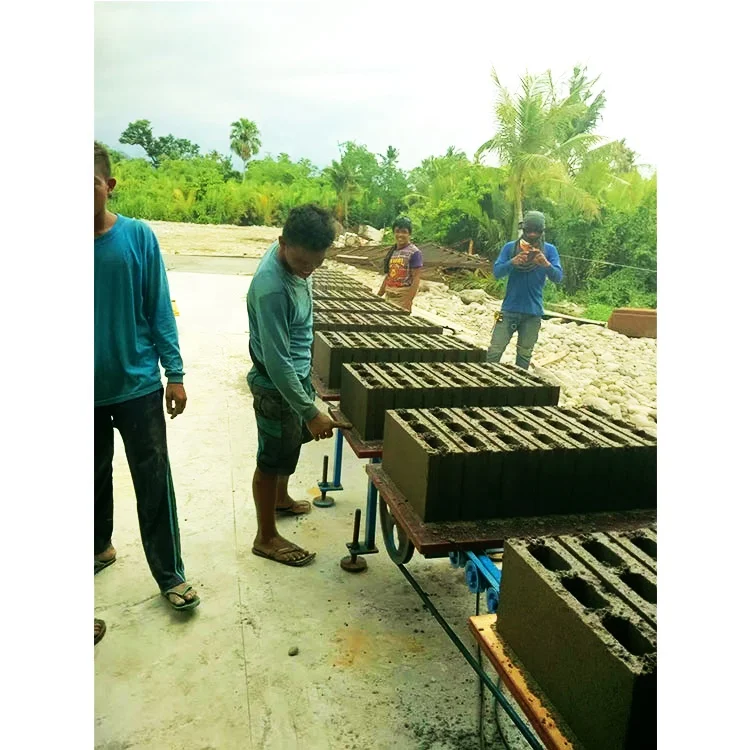
| Building construction | Hollow blocks from cement and crushed stone |
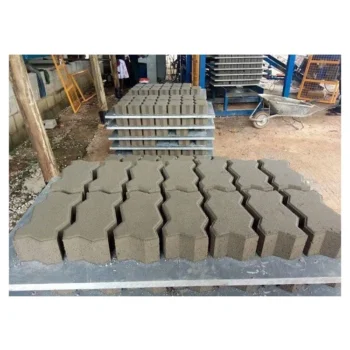
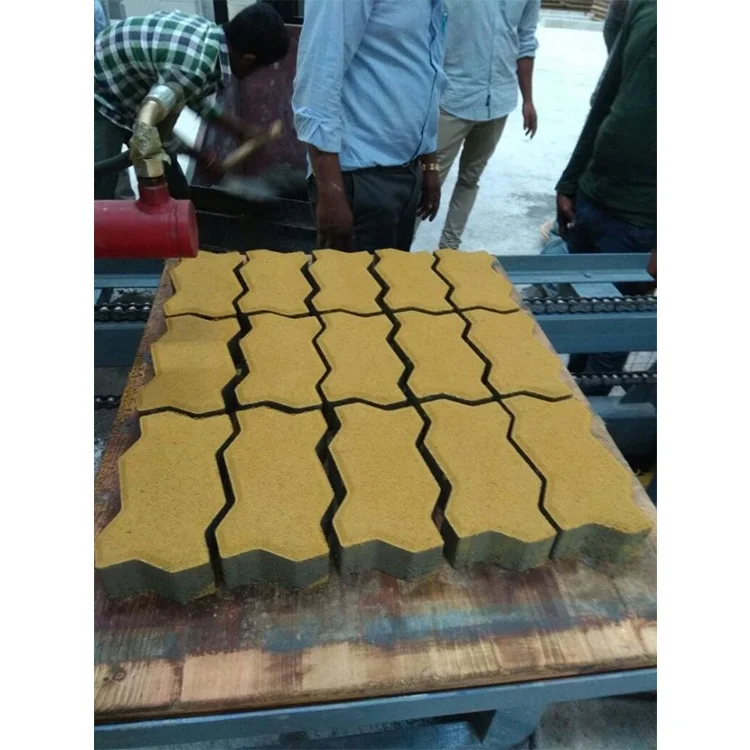
| Infrastructure projects | Paving blocks and curbstone blocks from concrete |
| Landscaping and pathways | Interlocking blocks from sand and cement mixtures |
Why the Voltage Question Must Precede the Dispatch Date
Confirming local electrical standards prevents a ready-to-ship unit from sitting idle on your site.
When a project deadline is looming, waiting months for manufacturing is not an option, so you look for a QT12-15 block machine in stock. However, rapid shipping means nothing if the machine arrives with a motor configured for the wrong frequency. Early in my career handling overseas after-sales, I saw a fully automatic hydraulic press sit idle for three weeks because the local transformer setup did not match the factory default. The contractor lost critical construction time just waiting for electrical modifications. Now, verifying the exact voltage and control language is the very first step before we load any fast delivery concrete block maker into a container [NEED_CITE: voltage and frequency standards by export market].
Container Loading and Dismantling Logistics
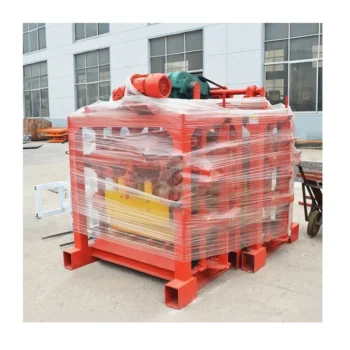
Moving a 10500 kg hydraulic press requires precise spatial planning to maximize container utility and ensure transit safety. The overall dimensions of 935025202950mm mean the main frame and hydraulic station must be strategically dismantled and secured. We provide a detailed loading plan upfront so your port clearance team knows exactly how the fast delivery concrete block maker is packed, avoiding unexpected unloading delays at the destination.
Upfront Arrival Estimates for Tight Schedules
Construction contractors cannot afford vague shipping windows when handover dates are fixed. By selecting a QT12-15 block machine in stock, you bypass the standard production queue entirely. We calculate the dispatch lead time and ocean freight duration to give you an arrival estimate before the order is finalized. This transparency allows site managers to schedule foundation pouring and raw material delivery to align perfectly with the machine’s arrival [NEED_CITE: typical ocean freight transit variables].
Interpreting the Physical Footprint and Weight
The 9350mm length and 2950mm height dictate the minimum clearing space required inside your curing shed and raw material bay. A net weight of 10500 kg concentrated through the hydraulic pressure system demands a reinforced concrete foundation to absorb vibration without structural cracking over time. Knowing these physical limits upfront ensures your civil works team prepares the exact pit depth and curing rack layout needed before the equipment arrives. Standard mould formats like 400200200 mm are kept ready, but the physical footprint remains the primary constraint for site planning.
The Hidden Cost of Overlooking Electrical Verification
Rushing a dispatch without locking in the PLC display language and motor voltage leads to expensive on-site troubleshooting. If the control panel defaults to an unfamiliar language, your operators cannot calibrate the hydraulic pressure correctly, resulting in inconsistent block density. Furthermore, running a 380V motor on a 415V grid without a proper step-down transformer burns out the core pump components within days. These electrical oversights turn a fast delivery concrete block maker into a stationary liability [NEED_CITE: industrial motor failure causes related to voltage mismatch].
Why Source This Unit From Our Inventory
Our single focus on block machinery means the hydraulic press, standard moulds, and pallet handling components are specified as one matched system, even from stock. We do not assemble the line from separate third-party suppliers, ensuring the motor and pump ratings align perfectly with the hydraulic pressure requirements. Every stocked unit is matched to your target block format and local aggregate availability rather than a generic catalogue default. We confirm the voltage and control language before crating, backed by installation support and operator training once the machine is on your site.
Documentation & Verification
- Factory test record confirming hydraulic pressure stability before dispatch
- Video outgoing-inspection showing the specific stocked unit running
- Machinery test report detailing motor and pump performance metrics
- Detailed container loading plan and machine dismantling instructions
- Customs documentation support for smooth destination port clearance
Installation, Commissioning & Support
- Reinforced concrete foundation required to support the 10500 kg net weight
- Dedicated electrical circuit needed matching the verified local voltage specification
- Main frame and hydraulic station reassembled on-site per dismantling instructions
- Hydraulic pressure and vibration force calibrated to your specific raw material
- Operator training provided on the confirmed PLC display language
- Standard mould formats inspected and aligned during initial commissioning
Project Scheduling and Inquiry Details
To ensure the stocked unit matches your site conditions and timeline, please provide your destination port and required arrival date. We also need your local voltage and frequency specifications to verify the electrical schematics before dispatch. Finally, confirm which standard mould formats from our inventory align with your current construction requirements so we can include them in the loading plan.
Frequently Asked Questions
Q: Which QT12-15 models and standard moulds are currently in stock for immediate dispatch?
A: We maintain ready-to-ship automatic hydraulic units configured with standard mould formats such as 400200200 mm and 400100200 mm. Inventory levels fluctuate based on current project demands, so we confirm the exact available configuration and included moulds at the time of your inquiry to ensure immediate container loading.
Q: What is the exact dispatch lead time and estimated arrival date for my destination port?
A: Because the unit is already built, the dispatch lead time is limited to electrical verification, dismantling, and container loading. Once booked, we calculate the ocean freight duration to provide an upfront arrival estimate, allowing you to align your site preparation and raw material delivery with the machine’s arrival.
Q: How is the machine dismantled and loaded into containers for fast and safe shipment?
A: The 935025202950mm frame and 10500 kg weight require strategic dismantling of the hydraulic station and main press. We secure these components with specialized bracing inside the container to prevent transit damage, providing a detailed loading plan so your team knows exactly how to unload and reassemble the equipment safely.
Q: What customs documentation is provided to ensure quick clearance upon arrival?
A: We supply comprehensive customs documentation, including the machinery test report, commercial invoices, and packing lists detailing the dismantled components. This paperwork is prepared alongside the video outgoing-inspection to prevent border delays and ensure your fast delivery concrete block maker clears the port without administrative hold-ups.
Q: Can voltage and PLC language be adjusted quickly on stocked units before shipping?
A: Yes, verifying and adjusting the electrical schematics is a mandatory step before dispatch. We reconfigure the motor wiring and update the PLC display language to match your local grid and operator requirements, ensuring the machine powers on correctly the moment it is reassembled on your construction site.