
Description
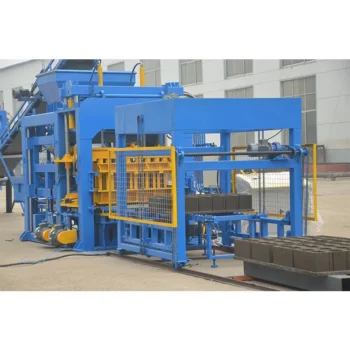
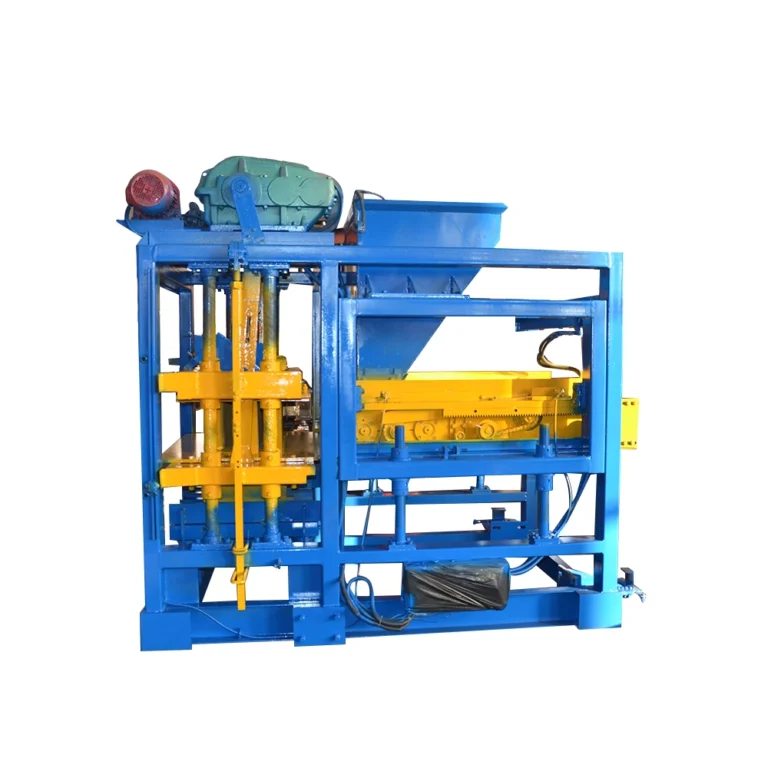
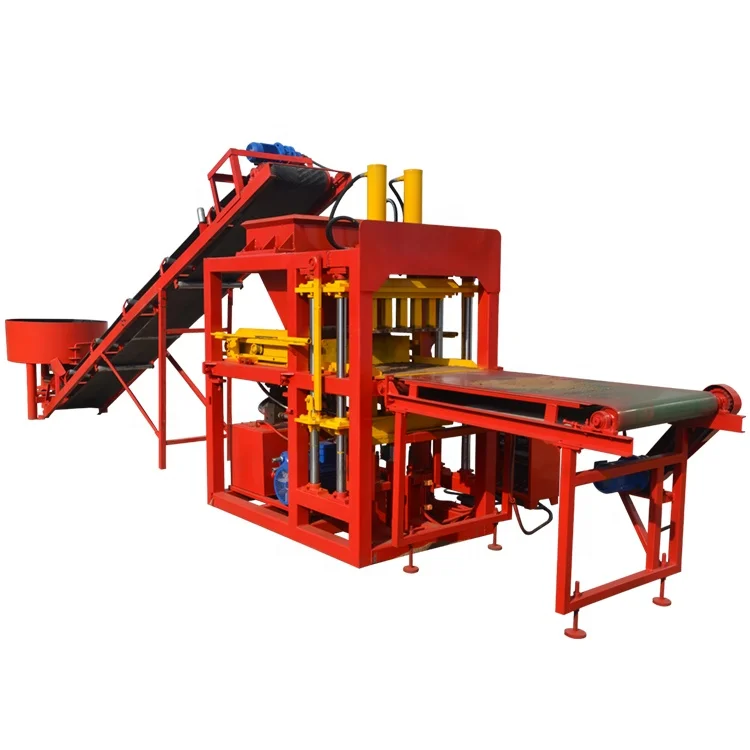
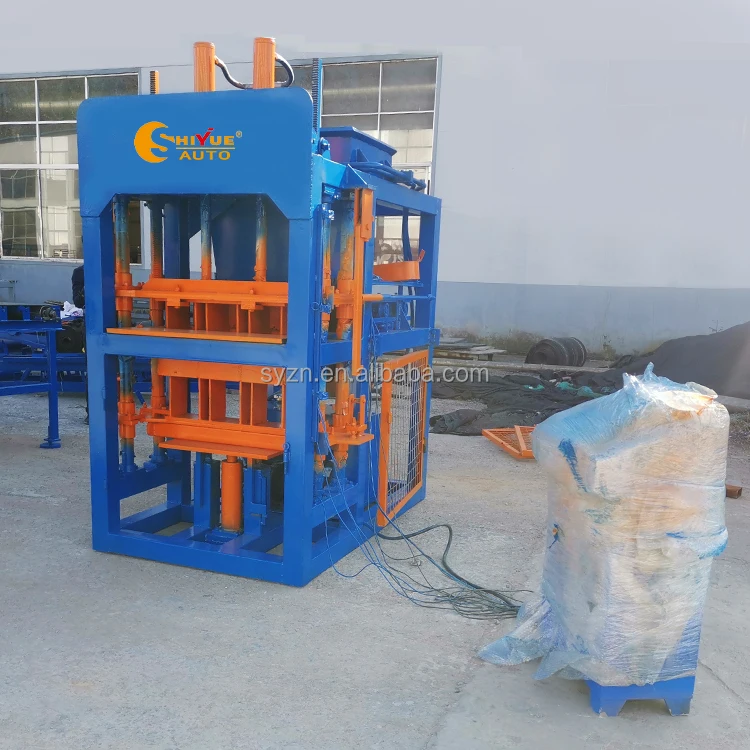
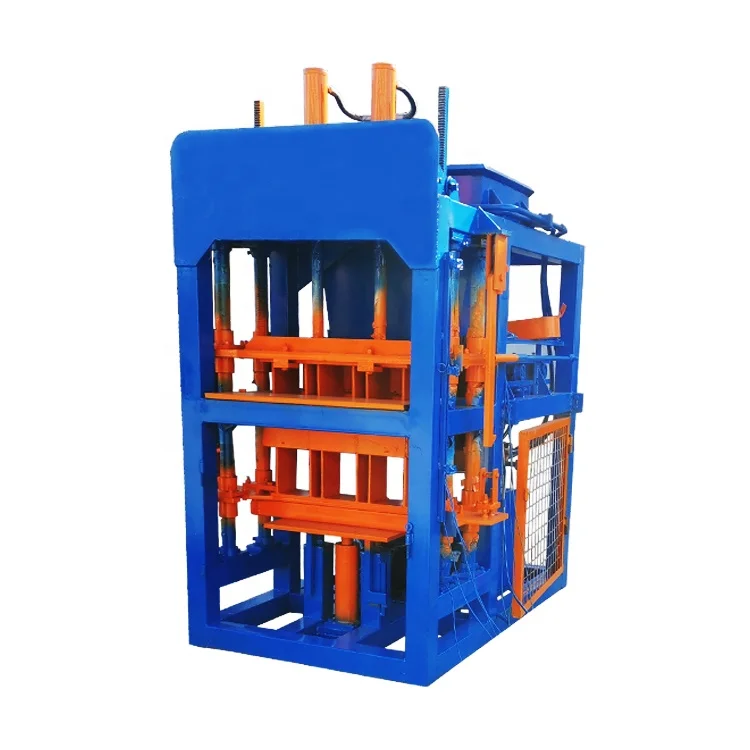
Stocked Configuration — The LY4-10 is held in inventory with standard interlocking moulds, allowing dispatch within weeks rather than the multi-month production cycles typical of built-to-order brick presses.
Technical Specifications
| Parameter | Value |
|---|---|
| Model | LY4-10 |
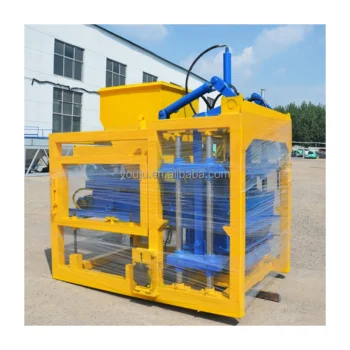
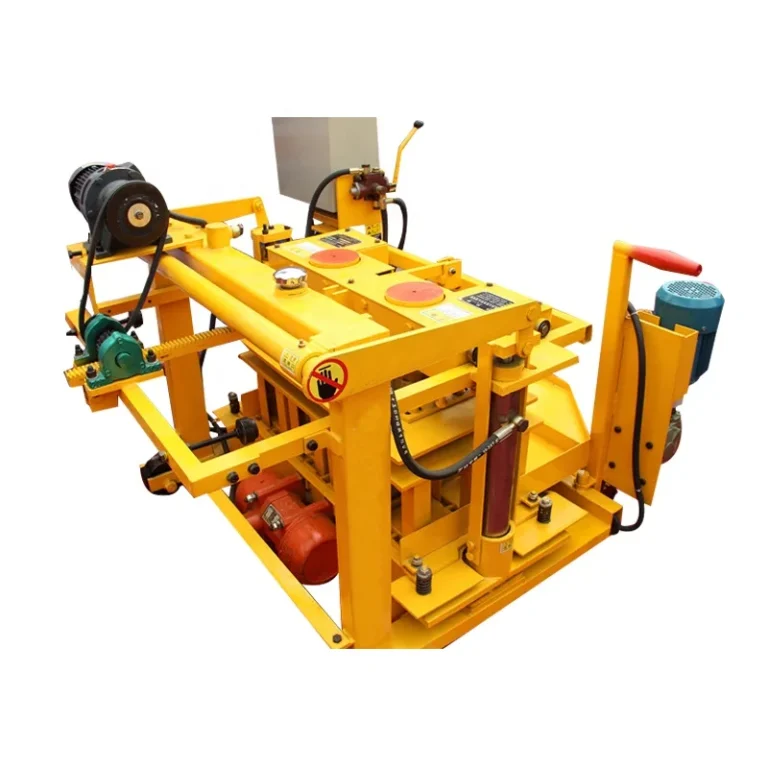
| Product Type | Hydraulic Interlocking Clay Brick Making Machine |
| Rated Power | 11 kW |
| Molding Cycle | 7-10 seconds (basis not stated in source — confirm block format / material / thickness) |
| Hydraulic Pressure | 25-32 MPa |
| Net Weight | 1500 kg |
| Overall Dimensions | 2260 × 1500 × 2380 mm |
| Voltage | Customizable to local standard (specific voltage/frequency not stated in source) |
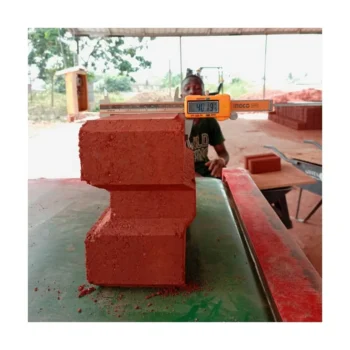
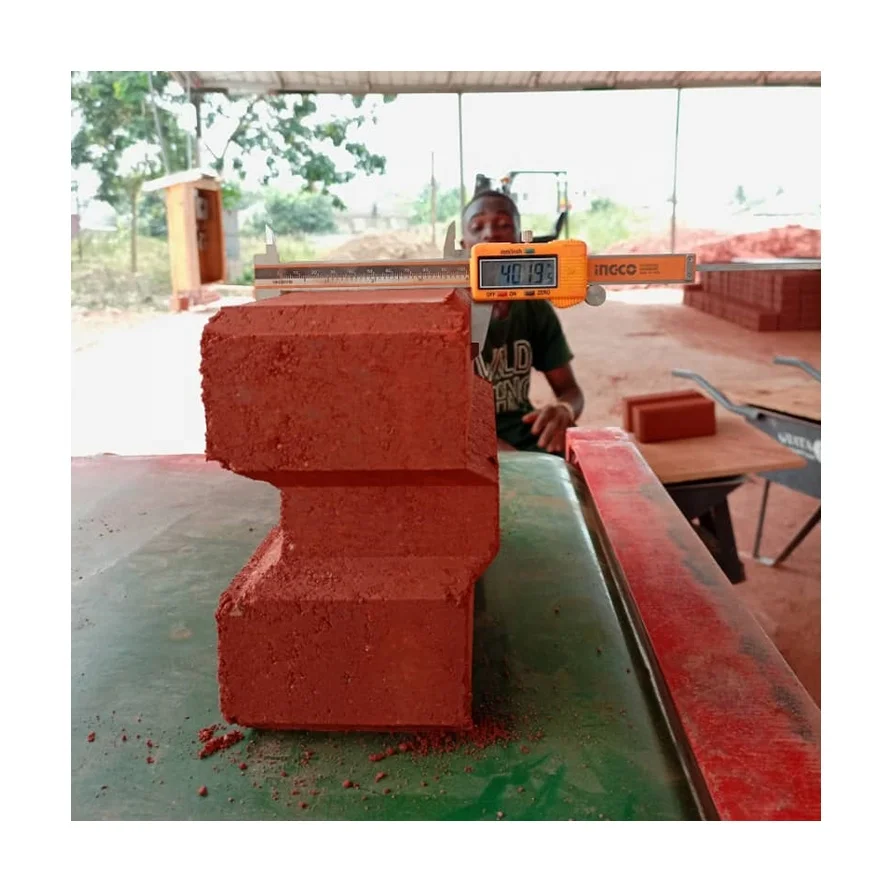
| Mould Format | Interlocking brick (four pcs per mould, basis not stated in source — confirm exact dimensions) |
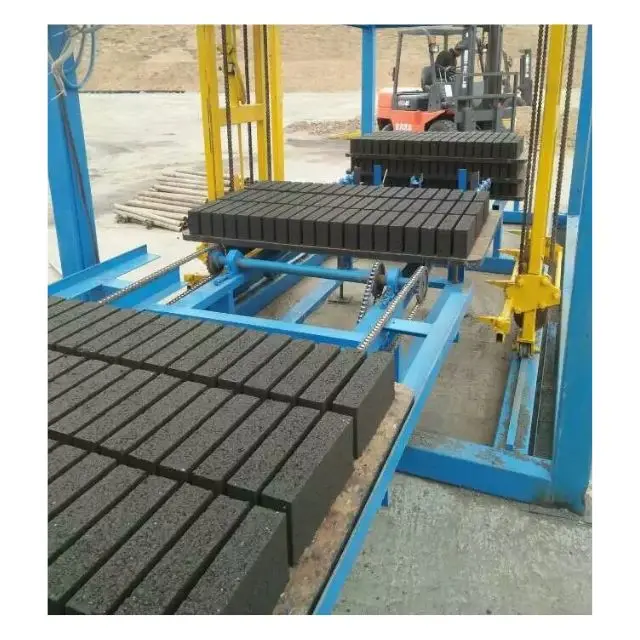
| Automation Level | Automatic feeding, mould pressing and lifting |
| Warranty | 1 year (excluding wearing parts) |
Application Suitability
| Application | Material or Output |
|---|---|
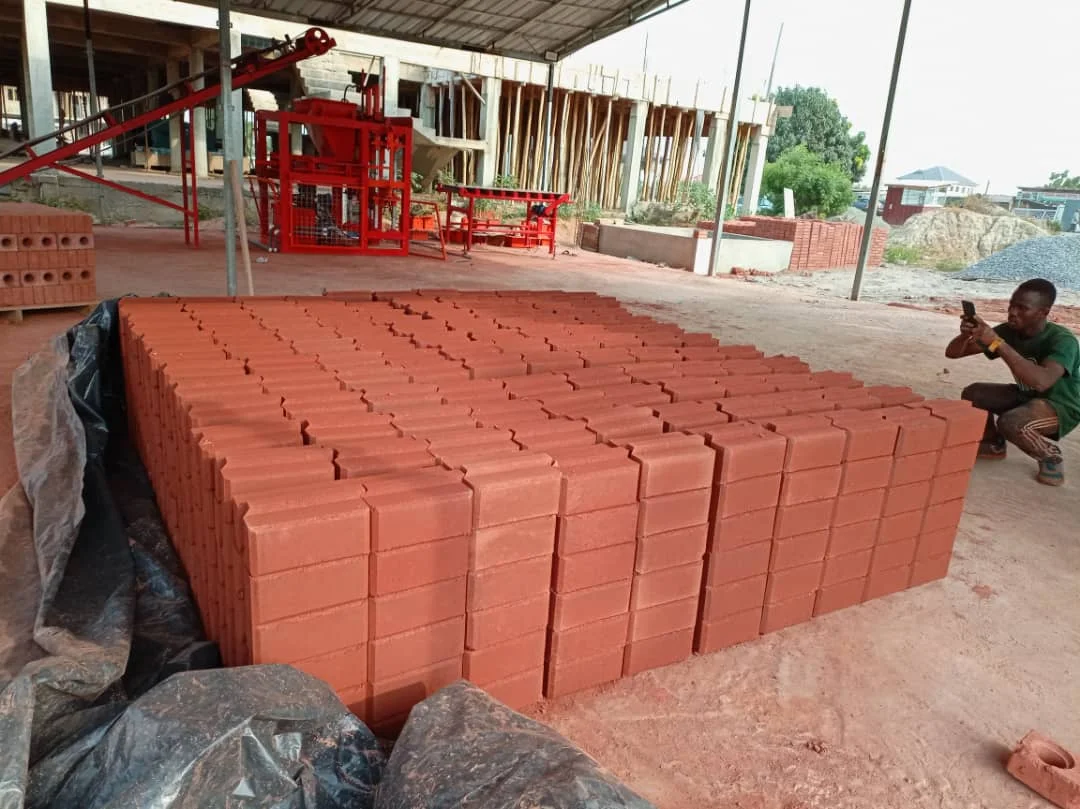
| On-site housing projects | Compressed earth blocks from local clay and cement stabilizer |
| Small-scale ecological brick manufacturing | Clay-cement interlocking bricks for load-bearing and infill walls |
| Contractor-led rural construction | Interlocking pavers and wall blocks using regional soil blends |
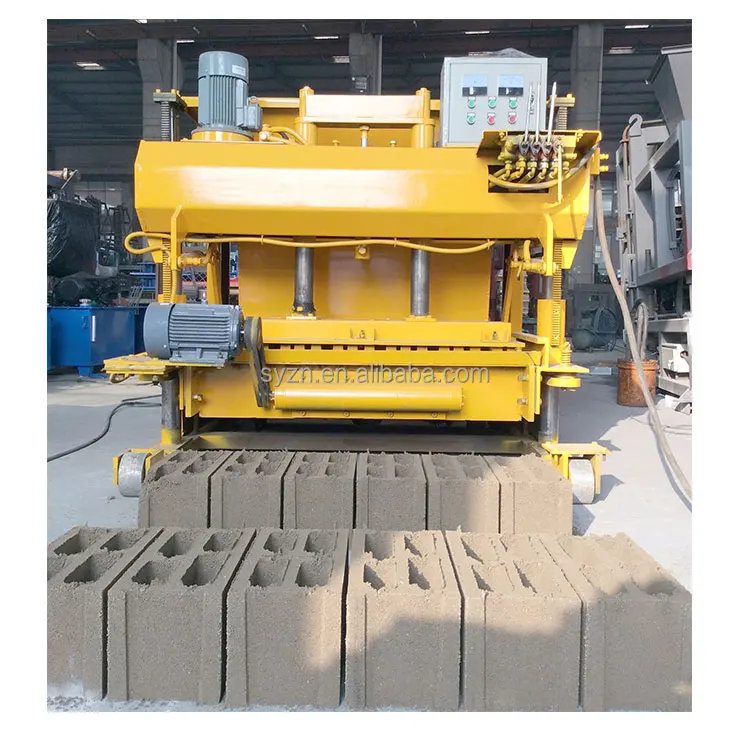
| Block plant product expansion | Additional interlocking format alongside existing hollow or solid block lines |
Why the Voltage Question Must Come Before the Loading Date
We lock your destination voltage and frequency in writing before the machine leaves the factory floor.
I once watched a container arrive at a West African port with a 380V/50Hz motor wired into a region running 440V/60Hz grid supply. The commissioning team spent two weeks sourcing a step-down transformer locally while the project deadline slipped. With the LY4-10 interlocking clay brick machine in stock, buyers often want the fastest possible dispatch — but skipping the electrical confirmation step turns a fast shipment into a slow, expensive problem on arrival [NEED_CITE: voltage and frequency standards by export market]. The cost of rewinding a motor on-site dwarfs the two days it takes to confirm specifications before crating.
Dispatch Readiness Without the Guesswork
When a project timeline is measured in weeks rather than quarters, having an LY4-10 interlocking clay brick machine in stock changes the conversation entirely. Standard models are configured with the 25-32 MPa hydraulic circuit and the four-cavity interlocking mould already mounted, tested, and greased. The buyer’s main variable becomes the destination voltage and the control panel language — both confirmed during the order paperwork, not discovered at the port of entry.
Container Loading and Dismantling Strategy
At 1500 kg and 2260 × 1500 × 2380 mm, the LY4-10 fits within standard container dimensions but requires a planned dismantling approach. The hydraulic power pack, mould assembly, and control cabinet are separated for loading, then reassembled on a prepared slab at the buyer’s site. We provide a step-by-step reassembly sequence with photographs taken during the factory teardown, so the on-site crew is never guessing which hydraulic line connects where [NEED_CITE: container loading procedures for heavy industrial equipment].
Reading the Numbers That Actually Matter
The 25-32 MPa hydraulic pressure range determines how densely the clay-cement mix is compressed into the interlocking cavity — higher pressure within this band produces blocks with greater compressive strength, provided the mix moisture is correct for the local clay. The 11 kW rated power drives the hydraulic pump rather than a vibration motor, which means block density comes from sustained hydraulic squeeze rather than vibration frequency. The 7-10 second molding cycle is achievable on a standard four-cavity interlocking format, but thicker or larger-dimension blocks will extend this cycle, and the daily output must be recalculated against the actual block drawing the buyer intends to run.
What Happens When Stock Means Unchecked
A machine advertised as ready to ship sometimes means it was built for a different buyer’s specifications and then cancelled — wrong voltage, wrong mould, wrong control language. The hidden cost arrives weeks after commissioning, when the operator discovers the PLC display is in a language the crew cannot read, or the hydraulic hoses are rated for a pressure band that does not match the local clay’s required compaction force. We treat every stocked LY4-10 as a blank configuration until the buyer’s specific requirements are verified against what is physically on the warehouse floor [NEED_CITE: common causes of industrial equipment commissioning delays].
Why Buyers Source This Machine Through Us
Block machinery is the only product category we manufacture, so the LY4-10 arrives as part of a matched system — mould, hydraulic circuit, and handling equipment specified together rather than assembled from separate vendors. Our stock is built against known export configurations, meaning voltage and frequency options are pre-engineered rather than improvised at the last minute. Mould tooling for the interlocking format is designed and cut in-house, so replacement cavities or alternative block profiles can be supplied without going to a third-party pattern shop. Dispatch documentation includes the factory test record from the specific serial number being shipped, not a generic certificate from a different production batch.
Documentation & Verification
- Factory test record run on clay-cement mix at buyer’s target moisture range
- Hydraulic pressure calibration log showing 25-32 MPa band verification
- Electrical schematic with confirmed voltage and frequency for destination country
- Mould cavity drawing listing exact interlocking brick dimensions and tolerances
- Packing photographs documenting dismantling state before container sealing
Installation, Commissioning & Support
- Foundation slab must bear the 1500 kg static load plus dynamic hydraulic press forces
- Dedicated 11 kW circuit with confirmed voltage and frequency before energizing
- Hydraulic hoses and electrical harnesses reconnected per factory teardown photo sequence
- First production run supervised remotely to confirm molding cycle and block density
- Wearing parts list provided with mould cavity and hydraulic seal reorder intervals
What We Need to Move Your Order Forward
Send us the destination country and the local grid voltage and frequency so we can confirm the motor winding and control transformer before crating. We also need the exact interlocking brick dimensions your market requires — length, width, height, and the interlock profile — so we can verify the mould in stock matches or schedule a cavity swap. If you have a target dispatch date tied to a project milestone, tell us that date and we will respond with a realistic loading calendar rather than a promise we cannot keep.
Frequently Asked Questions
Q: Is the LY4-10 interlocking clay brick machine in stock right now, and how fast can it ship?
A: Standard configurations of the LY4-10 are held in inventory with the four-cavity interlocking mould mounted. Once the destination voltage is confirmed and the order is placed, the machine typically moves to container loading within a short period. Exact dispatch timing depends on whether the electrical specification in stock matches your requirement or needs adjustment before crating.
Q: Can you customize the voltage and frequency for my country’s electrical standard?
A: Yes. The motor winding, control transformer, and panel components are specified to match your local grid supply. We require written confirmation of voltage, phase, and frequency before the machine leaves the factory. This step prevents the common situation where equipment arrives on-site and cannot be energized without a costly external transformer.
Q: How is the machine packed for container shipment, and what reassembly is needed?
A: The LY4-10 is partially dismantled — hydraulic power pack, mould assembly, and control cabinet are separated to fit standard container dimensions. We provide a photographic teardown record so your crew can reverse the sequence on arrival. Reassembly requires basic mechanical tools and a prepared concrete foundation slab.
Q: Does the 7-10 second cycle time apply to all interlocking brick sizes?
A: That cycle range applies to the standard four-cavity interlocking format. Larger or thicker block profiles will extend the molding cycle, which in turn affects daily output calculations. We recommend confirming your exact brick dimensions so we can provide a realistic cycle estimate tied to the specific mould cavity you will run.
Q: Are spare wearing parts included with the initial shipment?
A: A first-batch wearing parts set covering hydraulic seals and high-wear mould components can be included in the container. Subsequent replacements are available through direct order. We supply a wearing parts list with estimated replacement intervals so you can plan reorder timing before stock runs out on-site.