Description
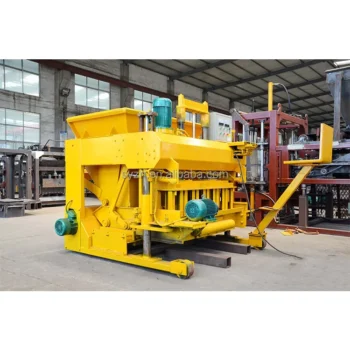
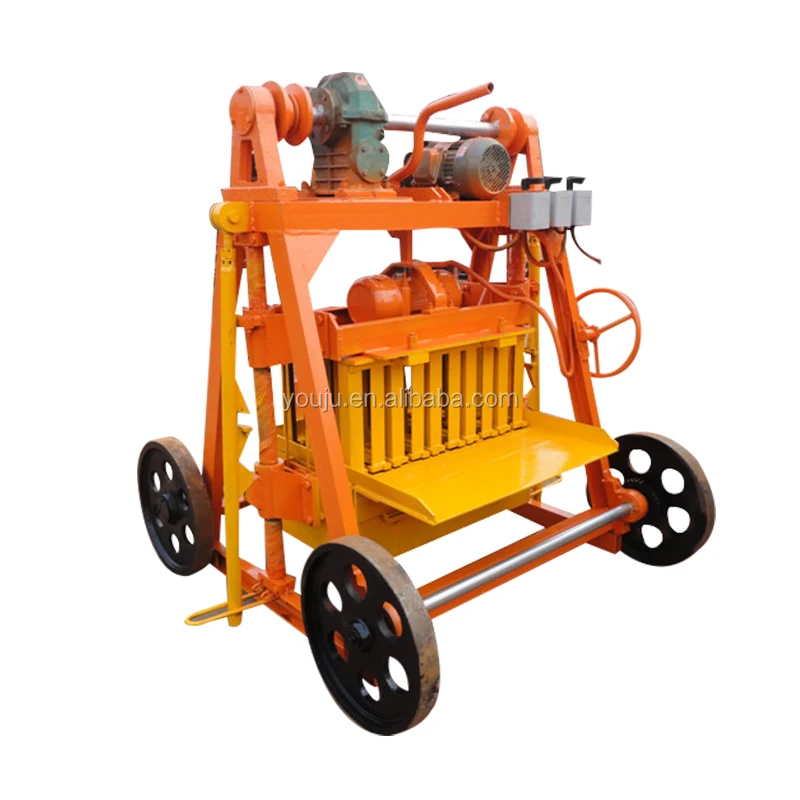
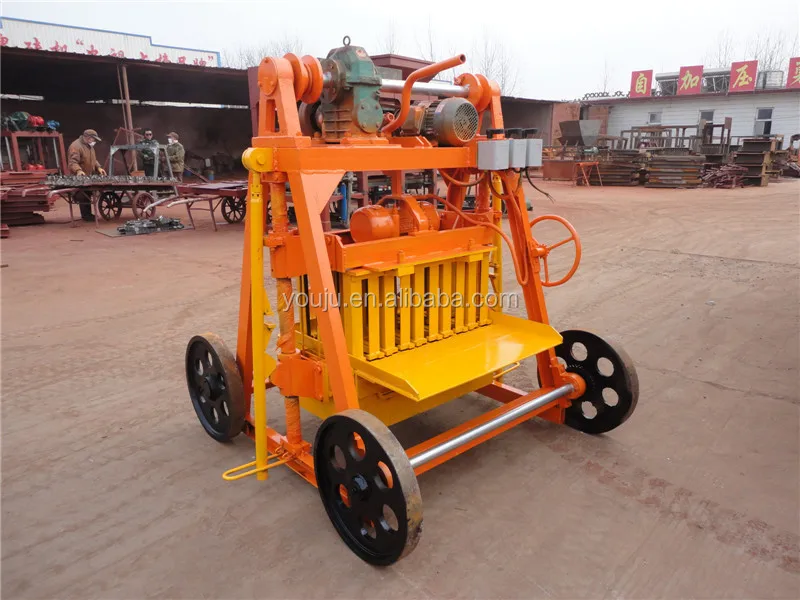
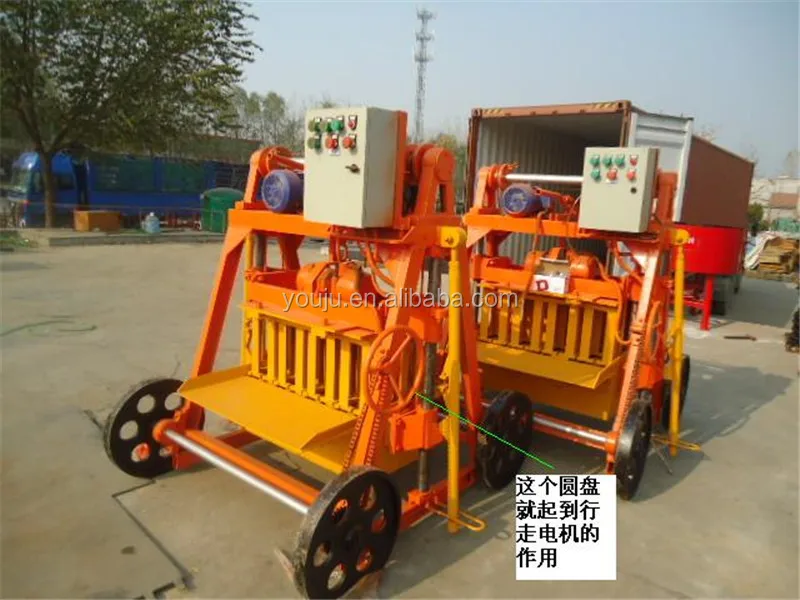
Stocked Floor Units — QMJ4-45 mobile egg laying block machines are assembled, tested, and standing on the warehouse floor, not sitting on a production schedule.
Technical Specifications
| Parameter | Value |
|---|---|
| Model | QMJ4-45 |
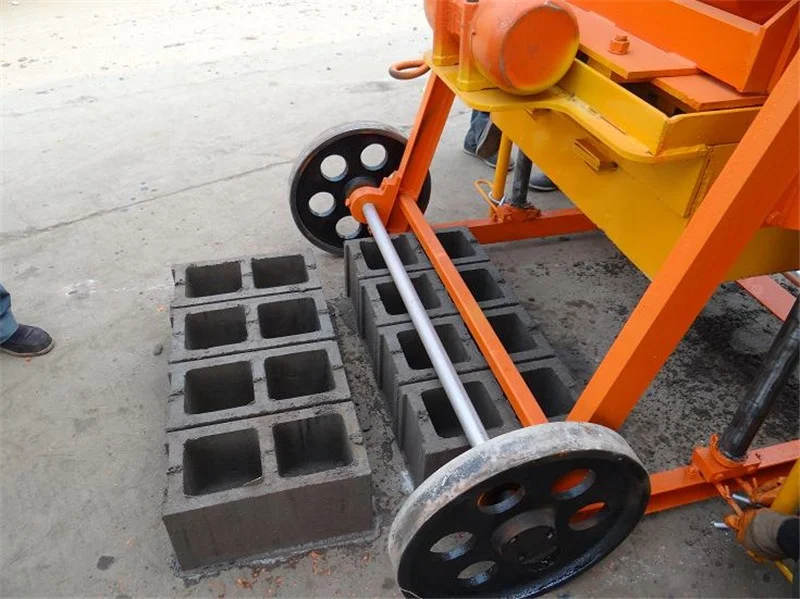
| Product Type | Mobile Egg Laying Block Making Machine |
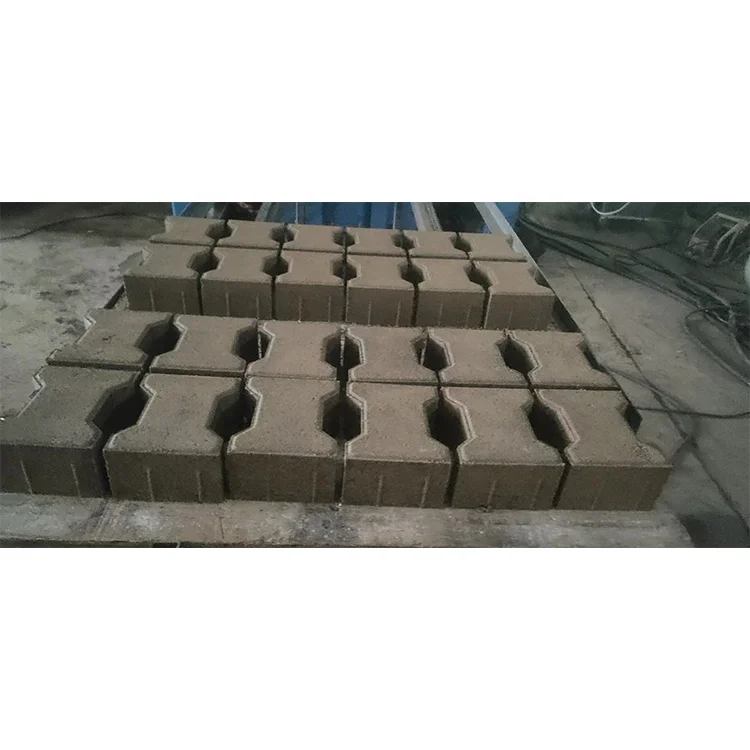
| Molding Capacity | 4 pcs per mould (basis: 400×200×200 mm hollow block) |
| Productivity (400×200×200 mm) | 3,000 pcs per 8-hour shift (4 pcs/mould, 40–45 s cycle) |
| Productivity (400×150×200 mm) | 3,500 pcs per 8-hour shift (5 pcs/mould, 40–45 s cycle) |
| Productivity (400×120×200 mm) | 4,500 pcs per 8-hour shift (6 pcs/mould, 40–45 s cycle) |
| Daily Productivity | 2,600–4,000 pcs/day (basis not stated in source — confirm block format, material and wall thickness) |
| Molding Cycle | 40–45 seconds |
| Compaction Method | Mould vibration (twice-vibration of molding core) |
| Vibration Frequency | 2,400 r/min |
| Demold Method | Manual |
| Turning Method | Manual |
| Total Power | 6 kW |
| Power Source | Diesel / petrol engine |
| Automation Level | Manual, egg-laying type |
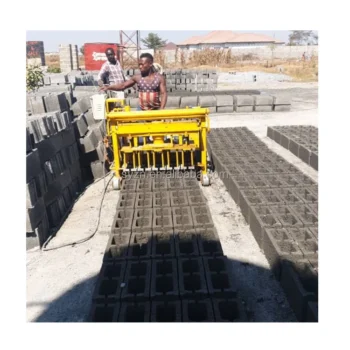
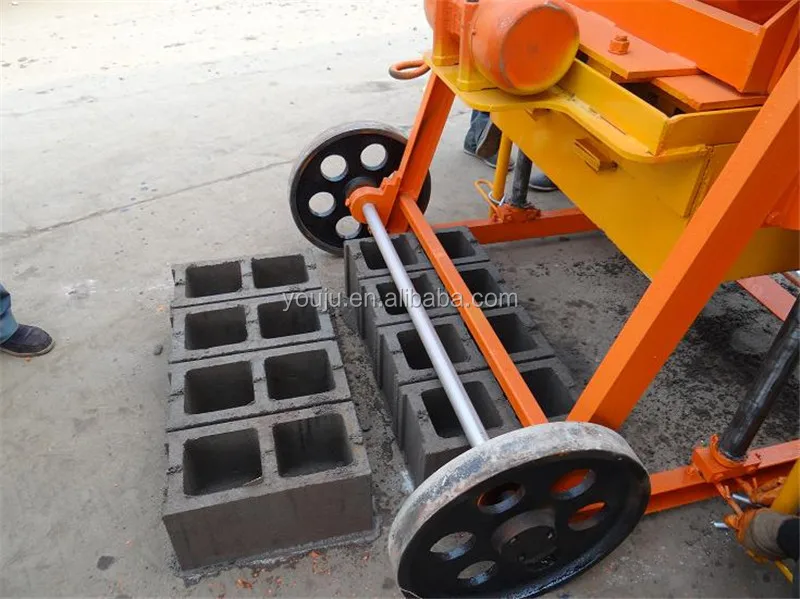
| Pallet Requirement | None — blocks laid directly on ground |
| Warranty | One year for whole machine |
Application Suitability
| Application | Material or Output |
|---|---|
| On-site hollow block production at project locations | Crushed stone, sand, cement, water |
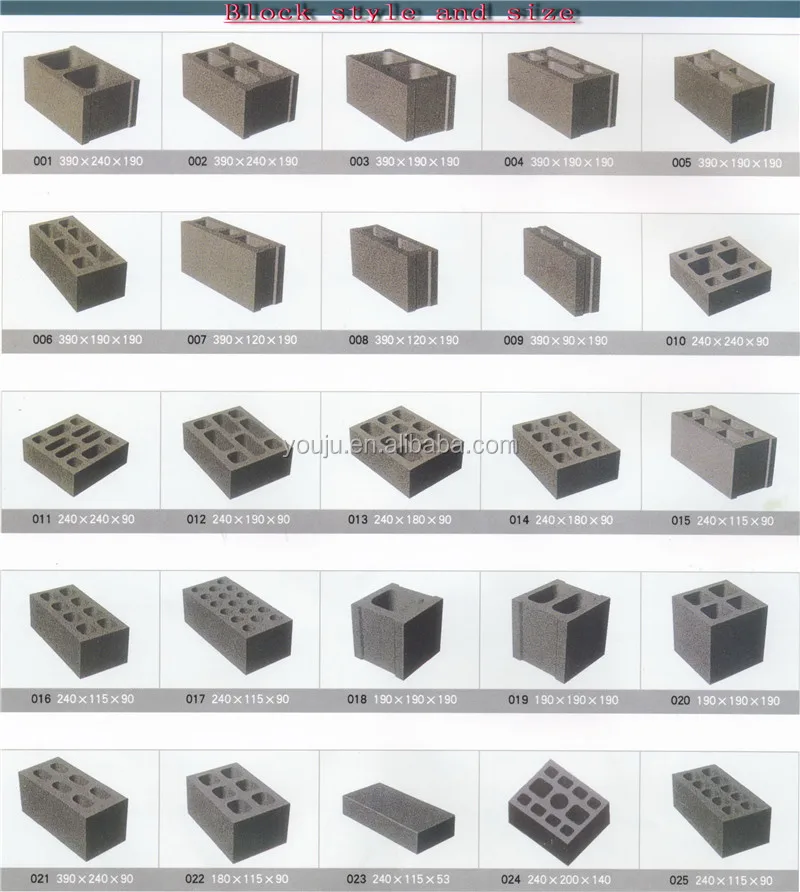
| Remote housing or infrastructure builds without grid power | 400×200×200 mm, 400×150×200 mm, 400×120×200 mm hollow blocks |
| Small-scale block enterprise start-ups | Standard concrete mix with locally available aggregate |
| Contractor-led construction sites with immediate demand | Egg-laying output on compacted ground or concrete slab |
Why Dispatch Lead Time Matters More Than the Brochure Figure
A QMJ4-45 mobile block machine in stock ships when your project starts, not when a production slot opens.
I have watched buyers lose weeks of a build schedule waiting for a block machine to clear the factory gate. The QMJ4-45 mobile block machine in stock on our floor bypasses that gap. You confirm the order, we dismantle, crate, and load it into a container, and the vessel booking is confirmed before the machine leaves the warehouse. For contractors working against a pour schedule or developers who have already committed labour to a site, that difference between "built to order" and "ready now" is the only variable that actually shortens your timeline [NEED_CITE: typical ocean freight booking windows for containerised machinery].
Stock Status You Can Verify Before Payment
When a buyer asks whether a QMJ4-45 mobile block machine in stock is genuinely standing on the floor, the answer should include a dated photograph of the serial plate and a packing schedule, not a promise. We provide floor photos, the machine’s build date, and a loading plan that shows how the main frame, engine assembly, and moulds are broken down to fit a standard container. If additional moulds are available from stock for the formats you need, they go into the same container on the same dispatch date.
Container Loading and the Arrival Window
Once the QMJ4-45 is dismantled, the main frame, vibration motor housing, and engine sit on the container floor while moulds and spare wear parts are braced against the bulkhead. The packing photographs we send before sealing the doors serve double duty: they are your condition record and your customs evidence. After the bill of lading is issued, we quote the transit time to your port based on the current vessel schedule, not a generic estimate [NEED_CITE: shipping line transit variability between East Asian and destination ports].
Reading the Specification Sheet Against Your Site Conditions
The 2,400 r/min vibration frequency and the 40–45 second cycle are fixed mechanical values, but the output they produce depends entirely on the concrete mix you feed in. A higher water-to-cement ratio will shorten the cycle yet weaken the block wall; a dry mix with well-graded sand and crushed stone holds shape immediately after the egg-laying step. The diesel or petrol engine option means the QMJ4-45 mobile block machine in stock can be deployed to a site with no grid connection at all, which is the reason most contractors choose it over a stationary press. Vibration force and hydraulic pressure are not listed as separate rated values in the source documentation, so we confirm the compaction performance by running a test cycle with your target aggregate before the machine ships [NEED_CITE: concrete block compressive strength testing standards].
The Cost of Ignoring Local Aggregate and Engine Fuel Quality
I once watched a buyer in a tropical climate run diesel with a high water content through the small engine on a mobile egg-layer; the fuel filter clogged every two days, and the vibration cycle became inconsistent. The blocks that emerged had uneven density, and the contractor blamed the machine. We now ship each QMJ4-45 mobile block machine in stock with a fuel filter element sized for the worst fuel quality we have seen in the destination region, and we list the replacement interval in the operation manual. Ignoring local aggregate grading has the same hidden cost: a poorly graded sand will force the operator to add water, which drops block strength and increases rejection rates on site [NEED_CITE: aggregate grading effects on hollow block wall density].
What Sets This Dispatch Apart
Block machinery is our single focus, so the QMJ4-45 ships as a matched set: the machine, its moulds, spare vibration core springs, and engine service parts leave the warehouse together rather than arriving from separate suppliers at different times. The dispatch lead time is stated in calendar days before payment, not after. We dismantle the machine into container-ready modules, photograph every stage, and provide the full customs documentation package so that clearance at your port does not introduce a second delay. If your project needs an additional 400×120×200 mm hollow block mould and it is on the shelf, it travels in the same container at no extra freight cost.
Documentation & Verification
- Factory test record using the hollow block format you specified before dispatch
- Packing photographs documenting machine condition prior to container sealing
- Container loading plan showing dismantled module placement and bracing
- Voltage and engine specification sheet confirming fuel type and power rating
- Operation and maintenance manual with spare parts and wear parts list
- Customs documentation support including commercial invoice and packing list
Installation, Commissioning & Support
- Level compacted ground or poured slab required; no fixed foundation bolts for the QMJ4-45 egg-laying design
- Diesel or petrol engine starts on site with no electrical grid connection needed; only fuel and a charged battery
- Moulds arrive pre-fitted; first cycle run with operator present to confirm 40–45 second timing and block release
- Vibration core springs inspected and tensioned during commissioning to match your local aggregate density
- Wear parts kit shipped in the same container covers the first replacement interval for vibration and mould contact surfaces
- Engine oil change and fuel filter replacement schedule documented in the operation manual provided at handover
Preparing Your Inquiry
Tell us which hollow block format your market buys most — 400×200×200 mm, 400×150×200 mm, or 400×120×200 mm — and the daily quantity your site must produce. Share your local aggregate type and cement grade so we can run a test cycle before loading. Confirm your destination port so we can quote the vessel transit time alongside the dispatch date.
Frequently Asked Questions
Q: Is the QMJ4-45 currently in stock, and what is the earliest dispatch date?
A: Yes, floor stock is available. Once you confirm the mould format you need, we issue a dispatch date measured in calendar days, not weeks. Dated floor photographs and the machine serial plate are provided before payment so you can verify physical availability independently.
Q: How is the machine packed and loaded into a container for shipment?
A: The main frame, engine, and vibration assembly are dismantled into modules that fit a standard dry container. Moulds and spare parts are braced against the bulkhead. Packing photographs are taken at every stage and shared with you before the container doors are sealed.
Q: What is the estimated arrival time at my destination port?
A: Transit time depends on the current vessel schedule to your specific port. We quote the arrival estimate based on the confirmed booking, not a generic average, and update you if the shipping line adjusts the sailing date.
Q: Can I order additional moulds from stock along with the machine?
A: If the hollow block mould format you need is on the shelf, it is loaded into the same container as the QMJ4-45. This avoids a second shipment and keeps your site able to switch formats from the first production day.
Q: What spare parts ship with the machine so I can run from day one?
A: A wear parts kit covering vibration core springs, mould contact surfaces, and an engine fuel filter element travels in the same container. The operation manual lists the replacement intervals so you can plan your first reorder before the initial set runs out.