

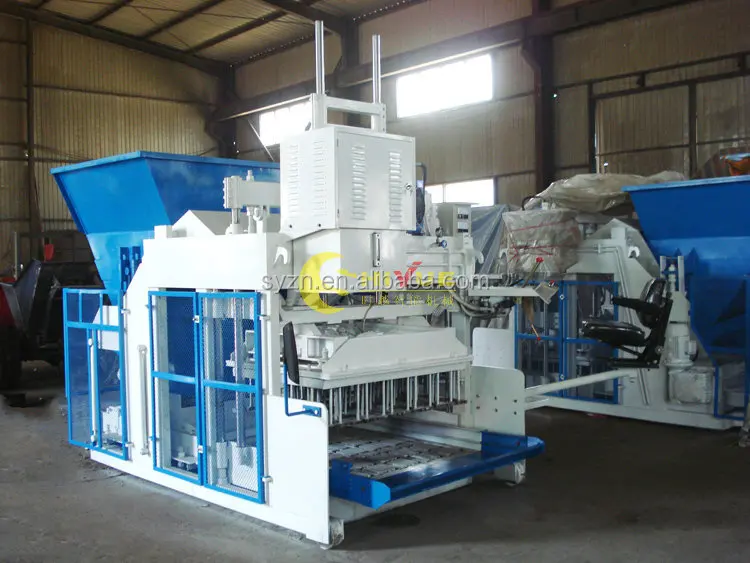

Description
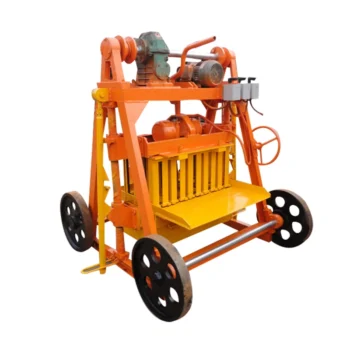
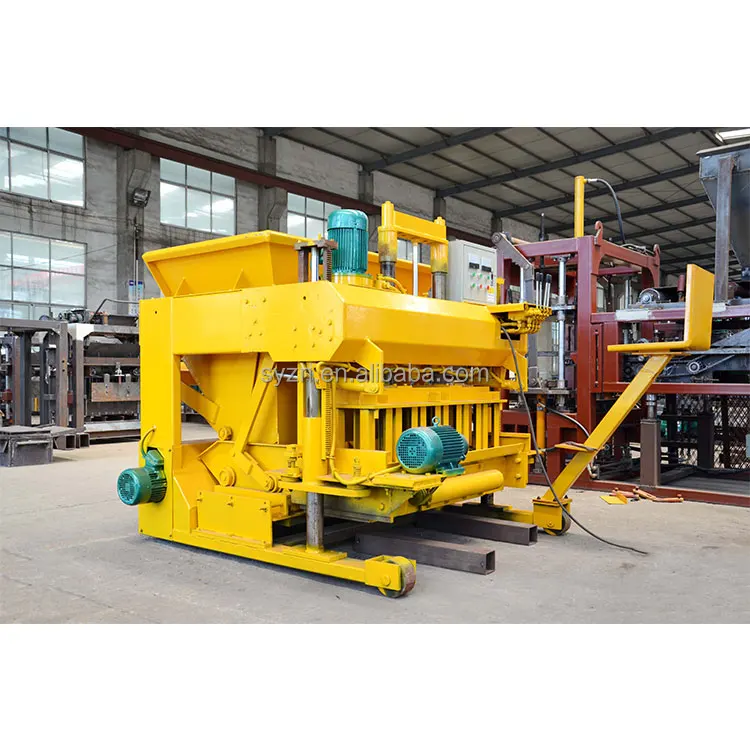
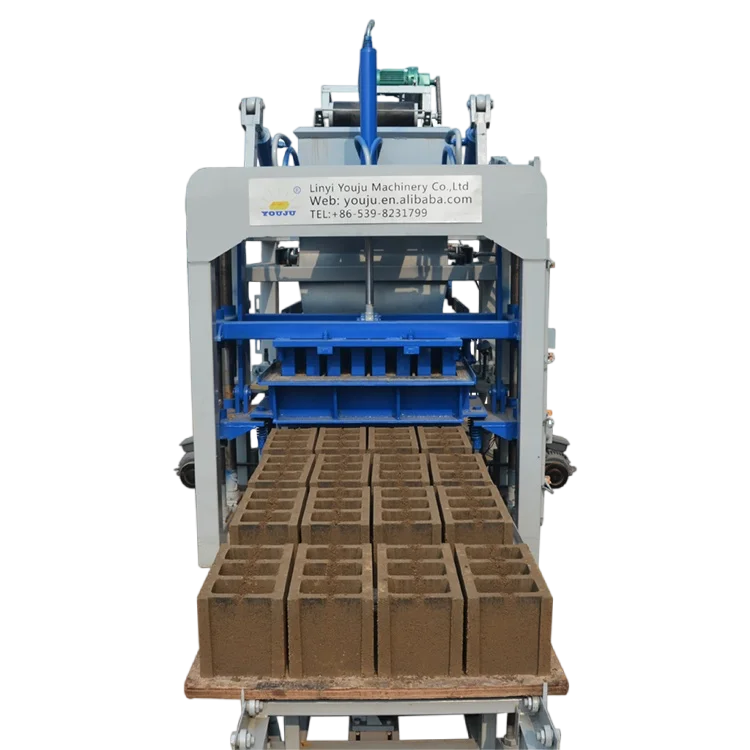
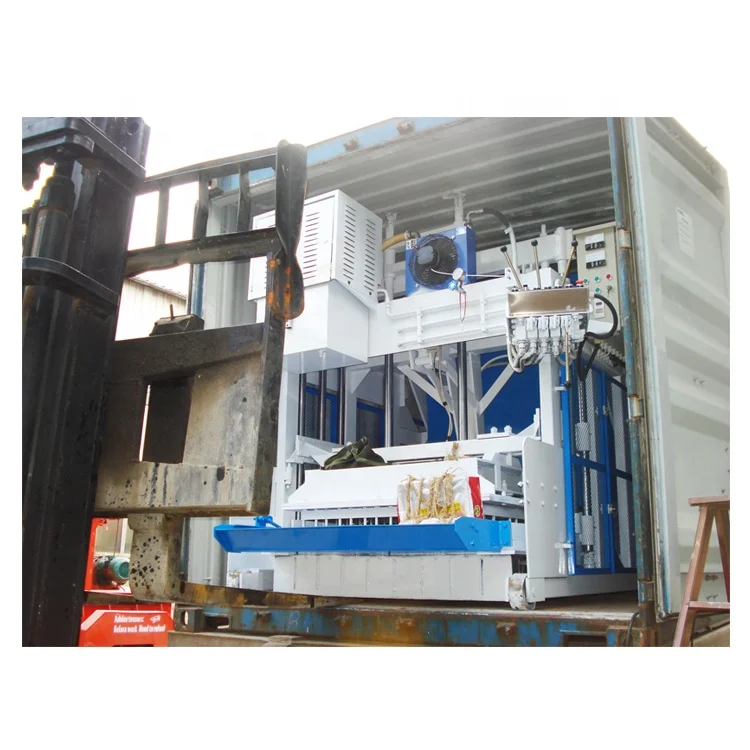
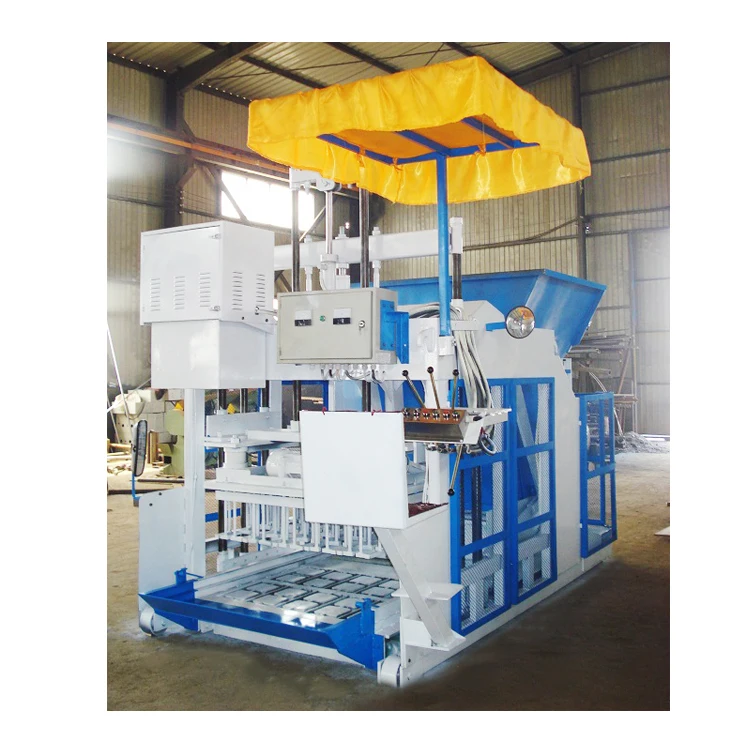
Stocked Machines Ready for Dispatch — QMY10-15 mobile block machine units held in stock, tested against buyer-supplied material samples, container-loaded with dismantling plan provided before shipment.
Technical Specifications
| Parameter | Value |
|---|---|
| Product Type | Mobile Concrete Block Making Machine |
| Model | QMY10-15 |
| Molding Capacity | 10 pcs/mold |
| Molding Cycle | 10s–15s (basis not stated in source — confirm block format / material / thickness) |
| Total Power | 16 kW |
| Output Capacity | 11,000 pcs/day over 8 hours (basis not stated in source — confirm block format / material / thickness) |
| Vibration System | Dual vibration motors |
| Hydraulic System | Controls upper and lower demoulding |
| Steering | Hydraulic steering |
| Walking Drive | Electric motor |
| Heat Dissipation | Hydraulic oil heat dissipator equipped |
| Pallet Requirement | No pallets needed (egg-laying type) |
| Basic Equipment Included | QMY10-15 Host Machine, JS7500 Concrete Mixer, Dump Truck |
| Optional Equipment | PL1200 Batching Machine, Cement Silo, Screw Conveyor, Loader |
| Voltage & Frequency | Configurable to site supply (basis to be confirmed before dispatch) |
| Control System | Basis to be confirmed before dispatch |
Application Suitability
| Application | Material or Output |
|---|---|
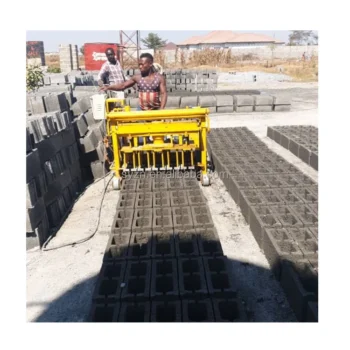
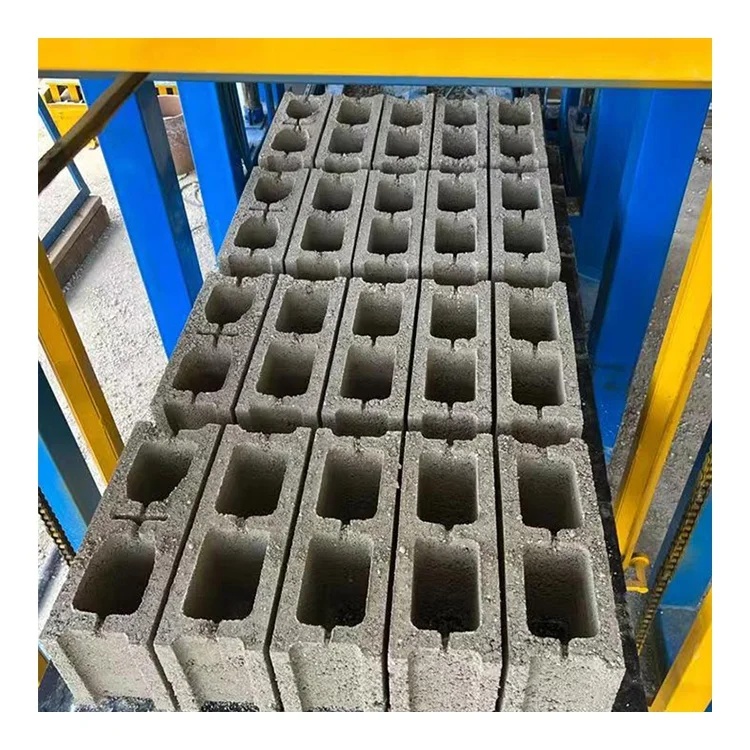
| On-site hollow block production | Crushed stone, sand, cement, and water mix laid directly on ground |
| Solid block manufacturing for housing projects | Local aggregate blended with cement, no pallet infrastructure required |
| Paver and interlocking block runs | Adjusted mix proportions with compatible mould swap |
| Remote construction site block supply | Weathered sand or local fill with cement binder, machine repositions along build line |
| First-time block plant startups | Low-infrastructure egg-laying operation on compacted ground |
What "11,000 Blocks a Day" Actually Means on Your Site
The daily output figure on any mobile block machine in stock assumes a specific block format, material density, and cycle setting that must be confirmed against your real production target.
Buyers regularly quote cycle times and daily volumes from catalog sheets, then discover on-site that their local aggregate, block thickness, and curing conditions shift the real output considerably. The QMY10-15 is rated for 10 pieces per mold with cycles between 10 and 15 seconds, but whether that translates to the stated daily volume depends entirely on which block format you are running, how quickly operators reposition the machine, and what downtime you allow for mould changes and mixer refills [NEED_CITE: factors affecting real versus quoted block machine output]. A mobile block machine in stock is only fast to deploy if the capacity calculation matches the product your market actually buys.
Dispatch Timeline Without Commissioning Surprises
Every stocked QMY10-15 unit can leave the yard within a short window once voltage, frequency, and control language are locked in. I have watched machines arrive at foreign ports with control panels displaying text the operators cannot read, sitting idle for weeks while replacement components ship across borders. Confirming the electrical standard and language at the inquiry stage removes that entire delay. The mobile block machine in stock approach only works when the unit arriving at your site is genuinely plug-and-operate ready for your local grid [NEED_CITE: voltage and frequency standards by export market].
Container Loading and Dismantling Reality
The QMY10-15 host machine, JS7500 mixer, and dump truck must be dismantled to specific break-down points so the assembly fits a standard container frame. Hydraulic steering components, the vibration motor housing, and the upper demoulding assembly are secured with transport bracing to prevent shifting at sea. Buyers working to a project deadline need the container loading plan and arrival estimate before they commit, because a delayed vessel or an incorrectly declared customs weight can push the machine past the construction start date. Dispatch speed is meaningless if the loading method causes damage or the paperwork stalls at your port.
Reading the Specification Sheet Against Your Site Conditions
The dual vibration motors on this machine work together with the hydraulic demoulding system to compact the mix inside the mould. Higher vibration force with adequate hydraulic pressure produces denser blocks with greater compressive strength, but that balance must be tuned to your specific mix design and aggregate gradation. The hydraulic oil heat dissipator keeps the system within operating temperature during continuous runs, which matters when you are pushing through long production days in hot climates. The electric walking drive and hydraulic steering allow one operator to reposition the machine along a production line without external equipment, directly affecting how many blocks you lay per shift on an open site.
The Cost of Skipping Material Testing Before Shipment
I recall a Middle East buyer who received a machine on a tight project schedule, only to find the vibration parameters were calibrated for standard silica sand while his site used local weathered sand with significantly different moisture content. Half a month was lost retuning the machine on-site before blocks met strength requirements. When a mobile block machine in stock ships without a factory test on the buyer’s actual material sample, the savings in dispatch time are consumed entirely by commissioning delays and rework [NEED_CITE: impact of aggregate variation on block machine commissioning timelines].
Why Buyers Source This Machine Through This Channel
Stock status is quoted at inquiry, not after payment. Each QMY10-15 can be factory-tested against the buyer’s own aggregate sample before the machine is crated, so vibration force and hydraulic pressure settings arrive matched to the real mix. The container loading plan and dismantling method are documented and shared before dispatch, giving buyers a clear arrival estimate. Supporting equipment — the PL1200 batching machine, cement silo, screw conveyor, and loader — can be bundled from available inventory so the entire block line arrives together. Configuration is set to the buyer’s target block format and site conditions rather than a catalogue default, eliminating the mismatch between quoted output and actual daily production.
Documentation & Verification
- Factory test record run on buyer-supplied aggregate sample before dispatch
- Container loading plan with dismantling diagram for QMY10-15 host and mixer
- Voltage, frequency, and control language confirmation sheet signed before crating
- Hydraulic and electrical schematic matched to shipped configuration
- Packing photographs documenting transport bracing and component securing
Installation, Commissioning & Support
- Compacted ground surface required for egg-laying operation across the production run area
- 16 kW total power draw requires dedicated circuit with confirmed voltage and frequency at site
- Machine arrives dismantled with documented reassembly sequence for the hydraulic steering and demoulding components
- First production run includes vibration parameter adjustment against local aggregate and target block strength
- Operator training covers mould change procedure, hydraulic oil heat dissipator monitoring, and walking drive control
- Wear parts list with mould specifications provided for first replacement cycle planning
What to Include in Your Inquiry
Send your target block format with dimensions, the local aggregate type and typical moisture range, your daily output requirement, and your site voltage and frequency. Include your project start date so dispatch and vessel scheduling can be aligned. If you need supporting equipment like the batching machine or cement silo bundled into the same shipment, list those items with your quantity so stock availability and loading can be planned together.
Frequently Asked Questions
Q: What block format does the 11,000 pcs/day capacity assume, and what is the realistic output for my target format?
A: The stated daily capacity is based on conditions not specified in the source sheet. Real output depends on your block dimensions, mix density, mould change frequency, and operator repositioning speed. We calculate the honest daily figure for your specific format before quoting so there is no gap between expectation and production reality.
Q: Is the machine in stock now, and what is the dispatch and arrival timeline to my port?
A: Stock status for the QMY10-15 is confirmed at inquiry with the exact unit serial number. Dispatch lead time is quoted upfront once voltage and control specifications are locked. Arrival estimates are based on vessel schedules available at time of order.
Q: What voltage and frequency is the stocked unit configured for, and can it match my site supply?
A: Electrical configuration is confirmed before dispatch to match your local grid standard. Control panel language is set to your operator’s language. This avoids the common delay where machines arrive with incompatible power settings or unreadable displays.
Q: How is the machine dismantled and loaded into a container for shipment?
A: The host machine, mixer, and truck are broken down at defined points to fit standard container dimensions. Hydraulic and vibration components receive transport bracing. A dismantling diagram and container loading plan are provided before crating so reassembly at site is straightforward.
Q: What optional equipment is also available from stock to complete the setup?
A: The PL1200 batching machine, cement silo, screw conveyor, and loader can be bundled from available inventory. Combining these into one shipment reduces total freight cost and ensures all components arrive together for a single commissioning visit.