
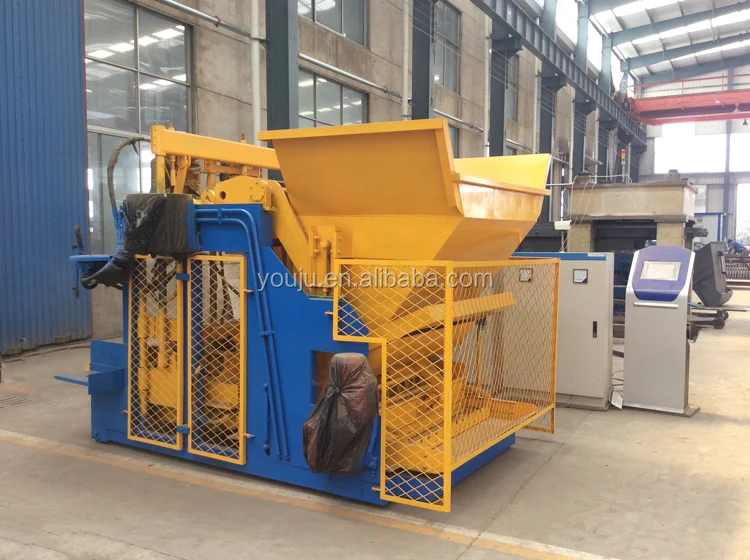

Description
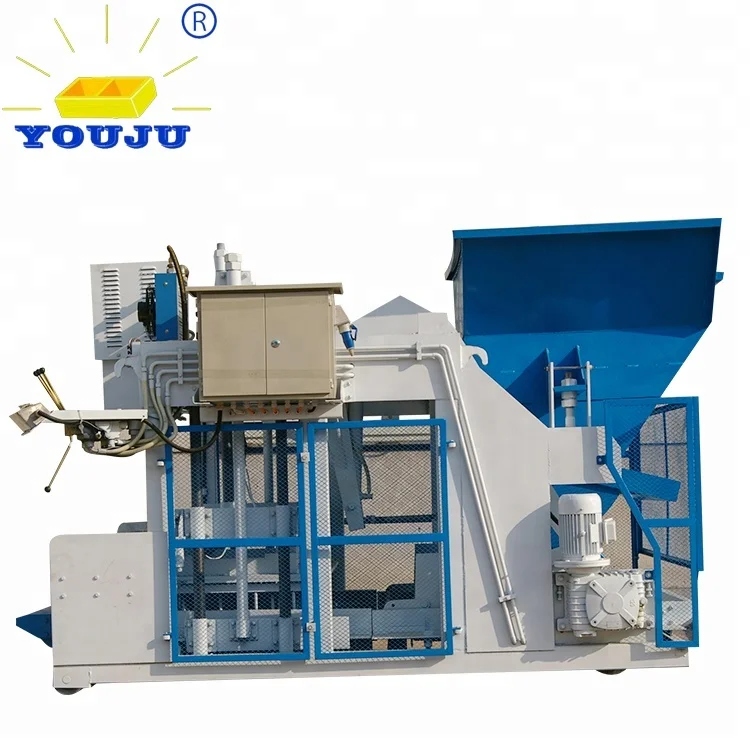
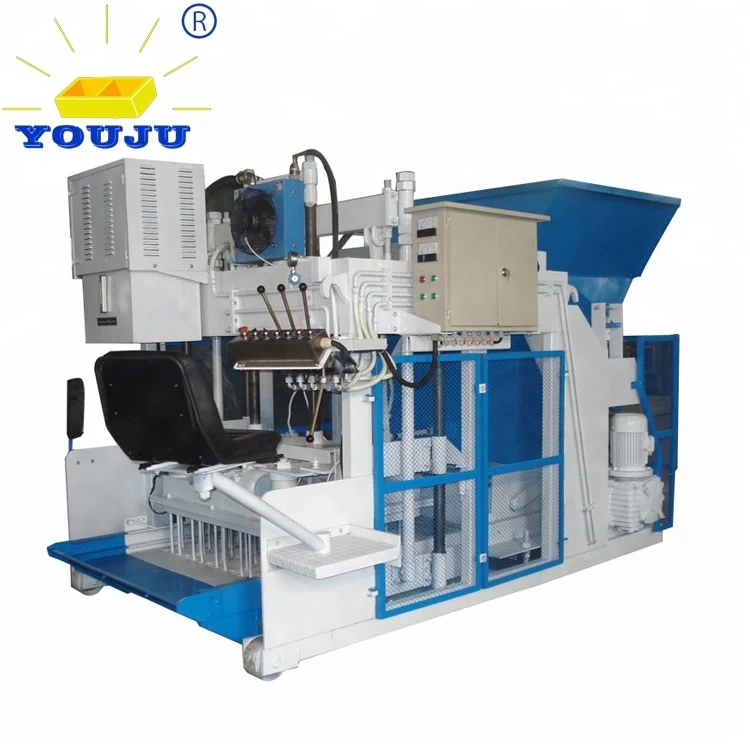
Dispatch-Ready Configuration — every QMY12-15 unit is checked against the buyer’s confirmed voltage, control language and mould set before it leaves the factory floor, so it can produce blocks the day it lands on site.
Technical Specifications
| Parameter | Value |
|---|---|
| Model | QMY12-15 |
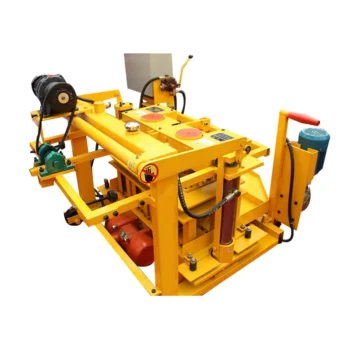
| Product Type | Mobile Hydraulic Hollow Block Making Machine |
| Machine Type | Mobile / Egg-laying |
| Pressure Type | Hydraulic Pressure |
| Block Format Compatibility | 4 / 6 / 8 / 9 Inch Cement Blocks |
| Mould Format | Hollow Block (Multi-Size) |
| Production Mode | On-site / Mobile (no fixed plant required) |
| Control System | Automatic |
| Automation Level | Automatic |
| Output Capacity | Not stated in source (basis to be confirmed — depends on block format, mix design and local aggregate) |
| Cycle Time | Not stated in source (basis to be confirmed) |
| Hydraulic Pressure | Not stated in source |
| Vibration Force | Not stated in source |
| Pallet Size | Not applicable (egg-laying type lays directly on ground) |
| Voltage & Frequency | Configurable to buyer’s site supply (confirm before dispatch) |
| Rated Power | Not stated in source |
| Overall Dimensions (L×W×H) | Not stated in source |
| Net Weight | Not stated in source |
| Certification | CE declaration where applicable |
| Shipping Method | Nude loading or seaworthy wood carton; LCL or FCL sea shipping |
Application Suitability
| Application | Material or Output |
|---|---|
| On-site hollow block production for building contractors | Cement, crushed stone or river sand, water — mixed to local aggregate grading |
| Housing development projects producing blocks locally | 4 / 6 / 8 / 9 inch hollow cement blocks laid on compacted ground |
| Entrepreneur-led mobile block ventures without a fixed plant | Multi-size hollow blocks, mould changes performed on site |
| Remote or rural construction sites with limited logistics | Cement blocks produced adjacent to the build footprint |
What "Ready to Ship" Actually Means for the QMY12-15 Mobile Block Machine
A machine on the dock is only useful if it matches your site’s power supply, language requirement and block format.
I spent years on the assembly floor before moving into technical sales, and the most frustrating calls I handled were from buyers who received a mobile block machine that could not run on their local voltage or whose PLC displayed in a language their operators could not read. The QMY12-15 mobile block machine in stock is physically available, yet availability alone does not solve the commissioning gap. Dispatch preparation has to cover voltage confirmation, control panel language, hydraulic line pressure verification and a factory test using a mix design that reflects the buyer’s actual aggregate. [NEED_CITE: IEC voltage and frequency standards for industrial machinery exports]
Stock Status, Lead Time and Dispatch Preparation
Buyers searching for a QMY12-15 mobile block machine in stock are usually working against a project deadline. A fixed block plant takes weeks to build; an egg-laying machine eliminates that lead time entirely because it lays blocks directly on compacted ground. Our role is to make sure the unit you receive is not just physically present in the warehouse but is also configured for your specific power grid and operator language before the container door closes. Fast delivery only matters when the machine can actually run upon arrival.
Container Loading and Arrival Logistics
A mobile block machine is compact compared with a stationary line, yet the hydraulic power pack, mould set and spare wear parts still demand careful loading. The QMY12-15 ships either nude-loaded or inside a seaworthy wood carton, depending on whether the order is LCL or FCL. We dismantle non-essential sub-assemblies when container dimensions require it and photograph every stage so the buyer can reassemble on site with confidence. [NEED_CITE: standard container internal dimensions for heavy machinery loading]
Reading Between the Specification Lines
Hydraulic pressure and vibration force together determine the density and compressive strength of every hollow block the QMY12-15 lays. If vibration is too low relative to the hydraulic clamp, the block surface will be rough and edges fragile; if vibration is excessive, the mix segregates and coarse aggregate drops to the bottom of the mould. Because the source sheet does not publish exact pressure or force figures, we match these values to the buyer’s mix design during the factory test — using the same sand, cement ratio and aggregate grading the buyer will use on site. The multi-size mould compatibility (4 through 9 inch) means one machine covers most residential wall specifications, but each format change requires the operator to swap the mould box and recalibrate the fill depth, a step we walk through during commissioning.
The Hidden Cost of Skipping Pre-Shipment Verification
I recently worked with a contractor who ordered an egg-laying machine without confirming the sand source. The sample blocks we pressed during the factory test used clean, graded sand; on site, the river sand carried a high clay content that absorbed water unpredictably, and block strength dropped well below target. We had to re-tune the vibration duration and water dosing by remote video call, costing the buyer nearly a full week of lost production. That experience reinforced why we now insist on a material report before any QMY12-15 leaves the shop. [NEED_CITE: effect of clay content in sand on concrete block compressive strength]
Why Source This Machine Through Our Block-Line Focus
Block machinery is our single product category, which means the QMY12-15 is not assembled from a catalogue of unrelated supplier sub-systems. Every hydraulic valve, vibration motor and mould is specified as a matched set. We set the configuration against the buyer’s actual mix design and local aggregate rather than defaulting to a standard parameter file. Mould design covers the formats the buyer’s market actually sells, and custom drawings are accommodated when standard sizes do not fit. Automation level on this model is automatic, reducing operator dependency on site while still allowing an entrepreneur to start with a compact footprint and expand later. Installation support, operator training and wear-part supply continue after the container is unpacked.
Documentation & Verification
- Factory test record run on buyer’s confirmed block format and mix ratio before dispatch
- Hydraulic and electrical schematic matching the as-built QMY12-15 configuration
- Voltage, frequency and PLC display language confirmation sheet signed off pre-shipment
- Mould drawing and format list covering every supplied cavity size
- Operation and maintenance manual translated to the agreed control language
- Packing photographs documenting container loading stage by stage
Installation, Commissioning & Support
- Ground must be compacted and level to support the QMY12-15 egg-laying travel path without settling
- Electrical supply must match the confirmed voltage and frequency before the hydraulic pump is energised
- Mould box alignment checked on site to prevent uneven block walls during the first production run
- Hydraulic line pressure adjusted against the buyer’s local aggregate and cement mix during commissioning
- Operator training covers mould change procedure across all supplied 4 / 6 / 8 / 9 inch formats
- Wear-part list and reorder schedule provided so replacement moulds arrive before the originals wear out
Before You Send the Inquiry
To size the QMY12-15 accurately we need the block format your market buys most, the target daily output per format and a recent sieve analysis of your local sand or crushed stone. Please also confirm your site voltage, frequency and the language your operators read so we lock these details before the machine ships.
Frequently Asked Questions
Q: Is the QMY12-15 mobile block machine currently in stock and how fast can it ship?
A: Stock status for the QMY12-15 mobile block machine in stock changes with order flow. We confirm availability at the moment of inquiry and quote a dispatch window that includes factory testing, container booking and documentation preparation. Typical lead time from order confirmation to port loading is measured in weeks rather than months, provided voltage and language are agreed early.
Q: How is the machine loaded into a container — intact or dismantled?
A: The QMY12-15 can ship nude-loaded for FCL orders or inside a seaworthy wood carton for LCL consolidation. The hydraulic power pack and mould set are secured separately to prevent transit damage. We dismantle only when container door height demands it and supply reassembly photographs so your team can rebuild on site without guesswork.
Q: How long after arrival can we start producing blocks?
A: Once the QMY12-15 is unloaded onto a compacted, level surface and connected to the correct voltage supply, commissioning typically takes one to two working days. This window covers mould alignment, hydraulic pressure fine-tuning with your local mix and a short operator training session covering format changes and daily maintenance checks.
Q: Which moulds come with the machine and can extras ship in the same container?
A: The QMY12-15 supports 4, 6, 8 and 9 inch hollow block formats. We confirm which moulds are included in your order and can load additional custom-drawn moulds into the same container if space allows. Providing your format list at inquiry stage ensures every cavity size you need is on the truck when the machine arrives.
Q: Can we confirm voltage, frequency and control language before the machine ships?
A: Yes — we require written confirmation of site voltage, frequency and the PLC display language before the QMY12-15 enters final assembly. This step prevents the common problem of a machine arriving with a control panel the operators cannot read or a motor rated for a grid that does not match the local supply.