Description
Ready-to-ship configuration — Stocked QT10-15 units are verified against the destination grid standard before container loading, avoiding the three-week commissioning delay that idles an entire block line.
Technical Specifications
| Parameter | Value |
|---|---|
| Model | QT10-15 |
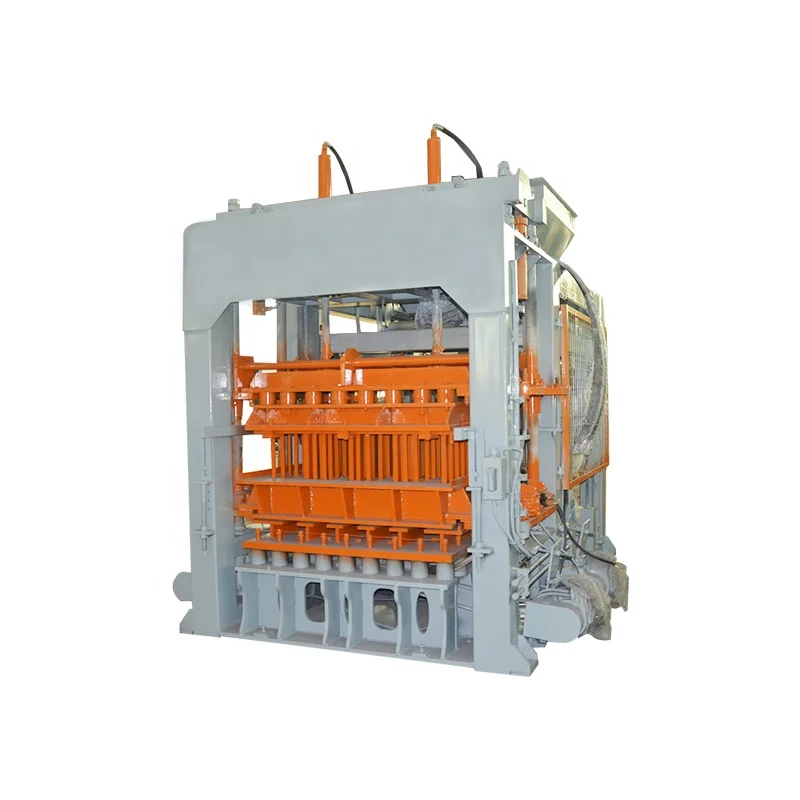
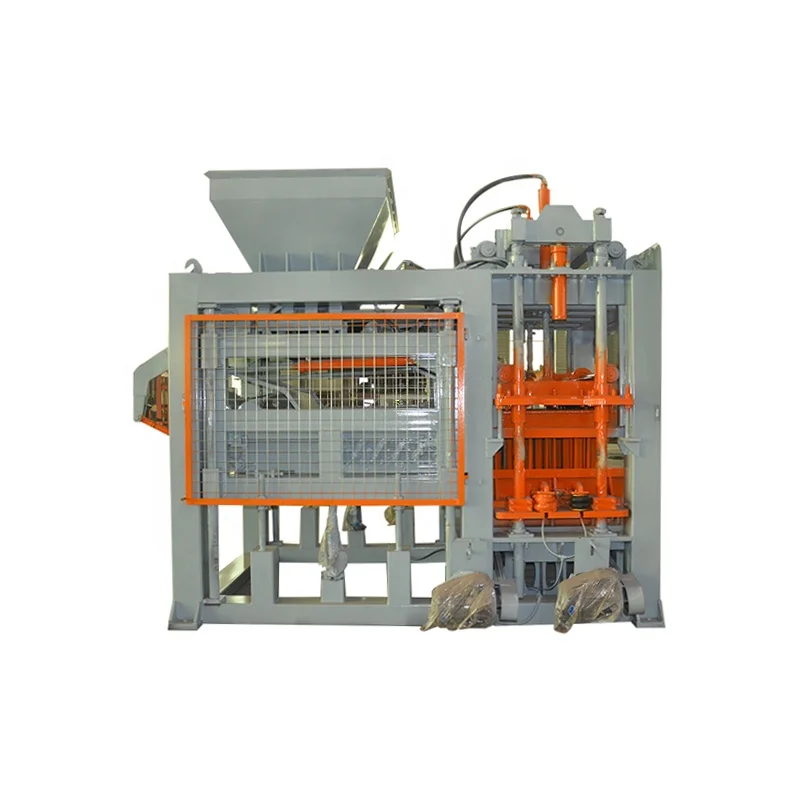
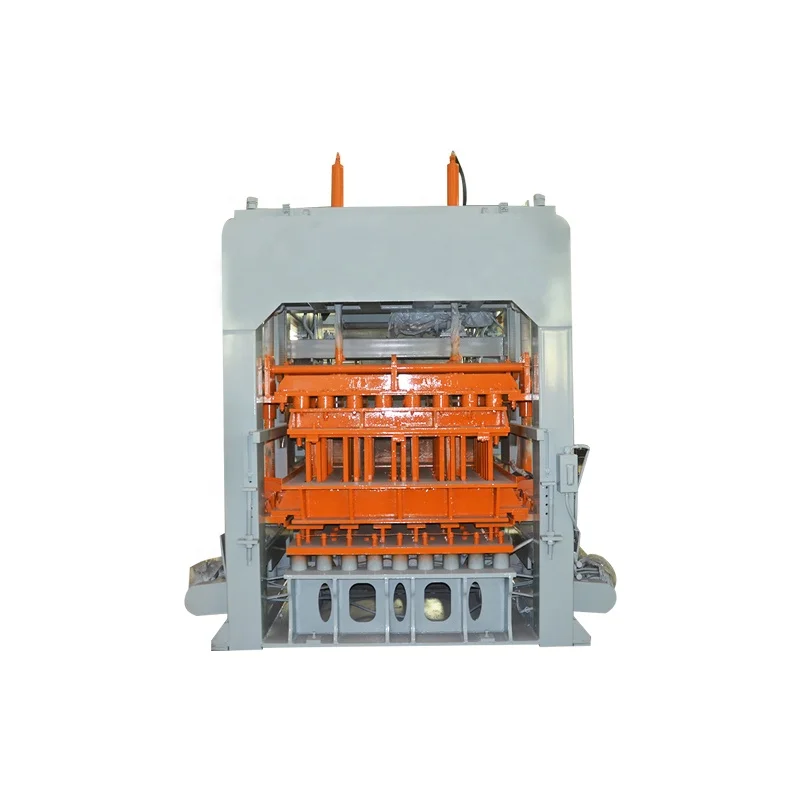
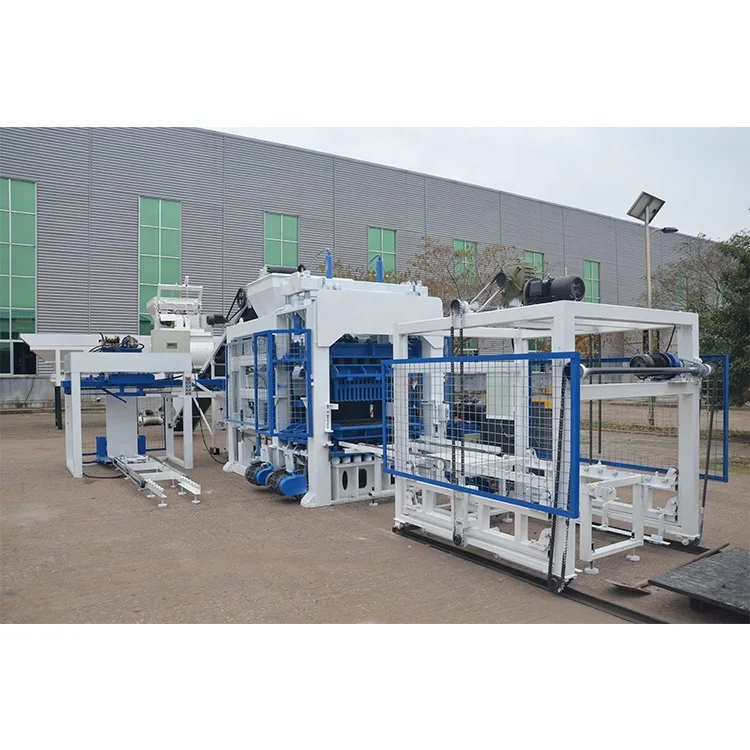
| Product Type | Automatic Hydraulic Concrete Block Making Machine |
| Control System | PLC control cabinet |
| Hydraulic System | Independent integrated hydraulic station |
| Vibration Mode | Vertical station mode resonance, automatic FM-AM |
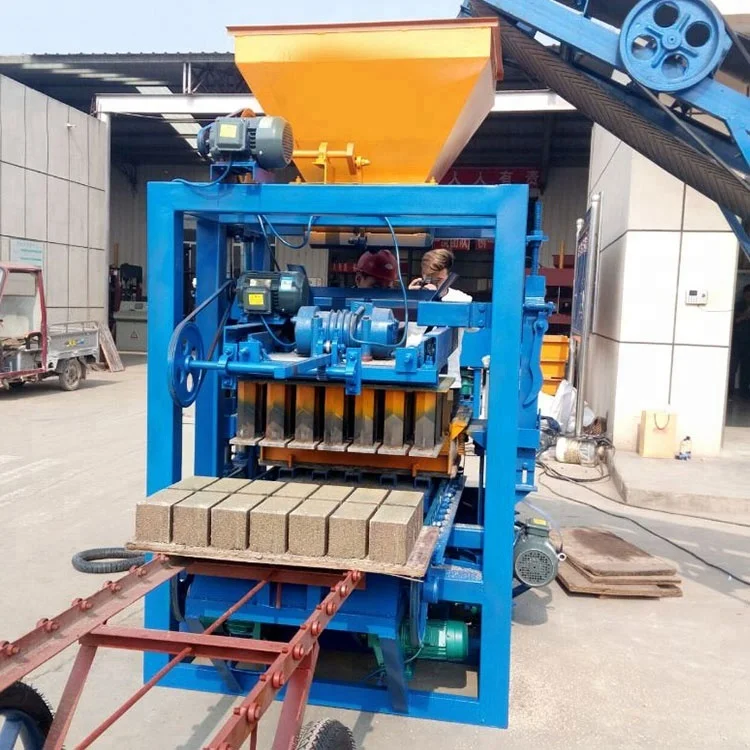
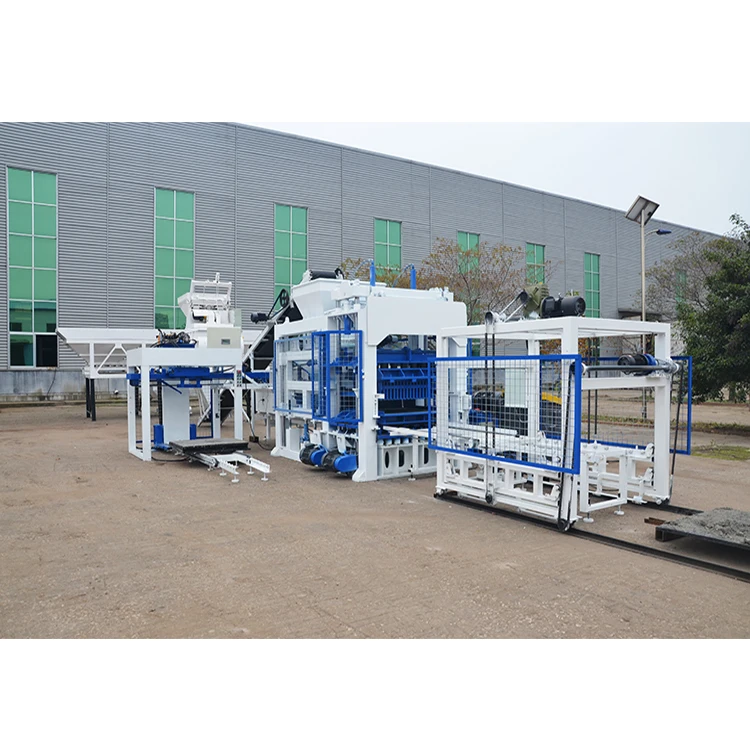
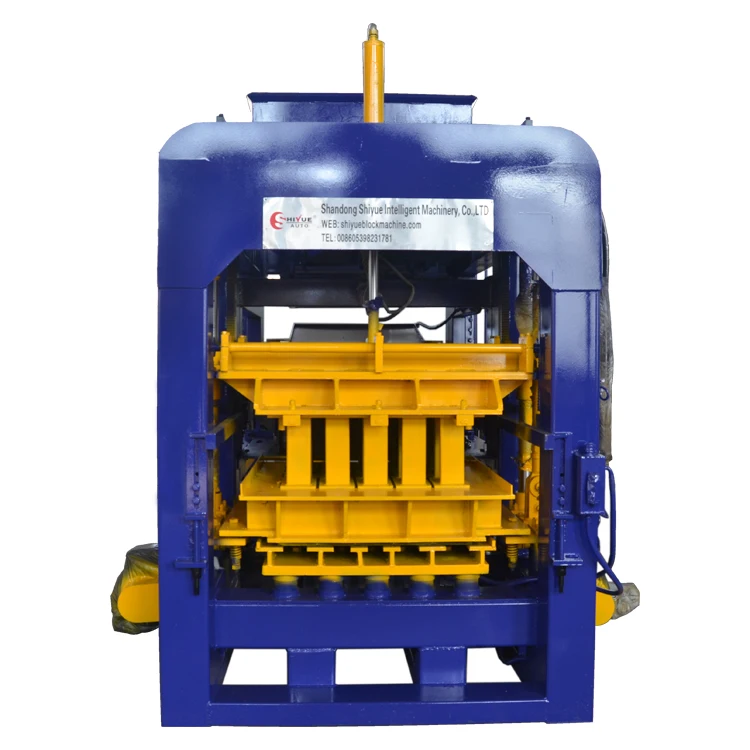
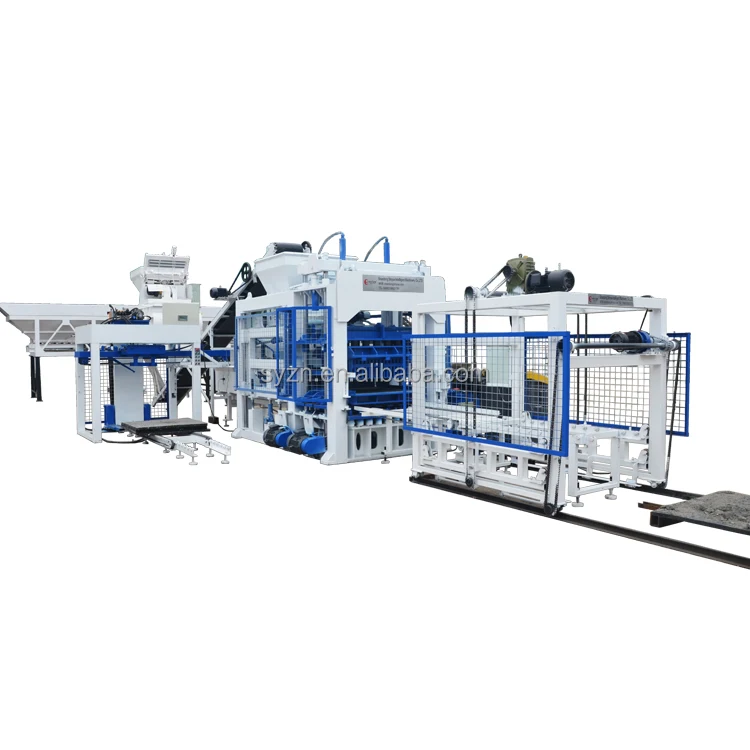
| Included Components | Pallet feed machine, block making machine, storage hopper, conveyor, hydraulic unit, PLC control cabinet |
| Mould Change | Simple replacement of mould for multi-format production |
| Cycle Time | 15–25s depending on block format |
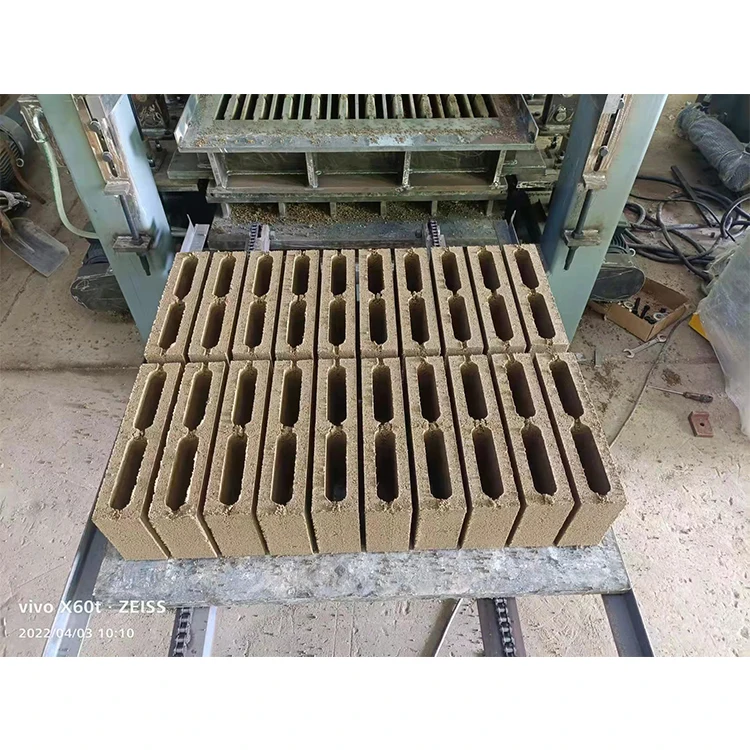
| Output Capacity (hollow block) | 1,800–2,400 pcs/hour based on a 400×200×200mm block (10 pcs/mould) |
| Output Capacity (solid brick) | 8,928–11,160 pcs/hour based on a 240×115×53mm brick (62 pcs/mould) |
| Output Capacity (paving block) | 5,184–6,480 pcs/hour based on a 200×100×60mm paver (27 pcs/mould) |
| Automation Level | Automatic (PLC controlled, with pallet feed, conveyor, hydraulic unit) |
| Warranty | 1 year for whole machine (excluding spare parts) |
| CE Declaration | Confirm applicability for target market |
| Voltage & Frequency | Configurable to target market requirements |
Application Suitability
| Application | Material or Output |
|---|---|
| Large-scale hollow block production | Building and housing projects requiring high-volume masonry units |
| Solid standard brick manufacturing | Dense bricks from crushed stone, sand, and cement for structural walls |
| Paving block and interlocking block | Roads, walkways, and landscape projects using zero-slump concrete |
| Multi-format production | Varied market demand via simple mould change on a single press |
| On-site concrete product manufacturing | Project contractors producing blocks locally to meet construction deadlines |
Why the Voltage Question Must Be Settled Before Dispatch
A QT10-15 automatic block machine in stock arrives as a dead weight if the control cabinet wiring does not match the local grid.
I once watched a high-tonnage hydraulic press sit idle on a Middle East site for three weeks. The local electrician could not bridge the gap between the factory-wired control panel and the site transformer. The crew had the foundation ready, the aggregate stockpiled, and the operator hired, but the PLC cabinet was locked out until a step-down transformer arrived from another province. For buyers working against a project deadline, the QT10-15 automatic block machine in stock must leave our Linyi yard with the voltage and frequency already confirmed for the destination. [NEED_CITE: voltage and frequency standards by export market]
Dispatch Readiness and Container Loading
The primary value of a QT10-15 automatic block machine in stock is the elimination of the typical multi-week production lead. Standard moulds for hollow blocks and solid bricks are matched to the press on the shipping floor, palletized, and loaded into the container alongside the hydraulic station and PLC cabinet. Whether the machine ships assembled or dismantled depends on the container specification and the buyer’s site handling equipment, a detail we confirm before the booking is released.
Matching the Pallet and Curing Chain
The press itself is only one station in the line. The included pallet feed machine must cycle in time with the block output, and the pallet size must match the curing racks and forklifts the buyer already operates on site. Sending a stock machine without confirming the pallet specification against the existing curing area forces the buyer into an unplanned material handling purchase upon arrival. We verify this alignment before the QT10-15 automatic block machine in stock leaves the yard. [NEED_CITE: pallet size and curing rack compatibility in block plants]
Interpreting the Hydraulic and Vibration Specs
The independent integrated hydraulic station supplies the clamping force that holds the mould box steady while the vertical vibration compacts the concrete mix. The vibration mode uses automatic FM-AM resonance, which adjusts the frequency and amplitude to suit the block format in the mould. A hollow block requires a different compaction profile than a dense paving block, and the PLC manages this shift when the operator selects the recipe. If the hydraulic pressure and vibration force are not matched to the buyer’s local aggregate and mix design, the blocks leave the press with inconsistent density, leading to breakage during the curing stage.
The Cost of Skipping the Pre-Shipment Audit
When a buyer focuses only on the dispatch date and ignores the electrical and mechanical configuration, the consequences compound on site. A mismatched PLC display language slows operator training. An unconfirmed stacking method leaves the output piled by hand, creating a bottleneck that negates the cycle time advantage of the press. These are not warranty issues; they are specification gaps that could have been closed during the pre-shipment review. [NEED_CITE: common commissioning delays in exported block machinery]
Why Source This Machine From Our Stock
Our Linyi operation treats the block press, the mould, the pallet, and the handling equipment as one matched system rather than an assembly of separate purchases. We configure the stock QT10-15 against the buyer’s actual mix design and target block format, not a generic catalogue setting. Moulds for the formats the buyer’s market sells are ready to load with the machine. The automation level is selectable, allowing a buyer to take delivery of the automatic press now and add stacking or cubing stations later as the plant scales. Factory test records on the buyer’s specific block format are generated before the container is sealed.
Documentation & Verification
- Line layout and capacity calculation stating the exact block format assumed for the QT10-15 output figures
- Factory test record showing cycle time and block density for your specified hollow or paving format
- Voltage, frequency, and PLC display language confirmation sheet signed off before dispatch
- Hydraulic and electrical schematic matching the as-built configuration of the shipped unit
- Packing photographs of the QT10-15 and standard moulds inside the container before sealing
- Customs documentation support including CE declaration where applicable for the destination market
Installation, Commissioning & Support
- Foundation plan confirming the load-bearing requirements for the QT10-15 hydraulic station and vibration table
- Dedicated power circuit specification matching the confirmed voltage and frequency of the PLC control cabinet
- Dismantling and reassembly guide if the machine is shipped in sections for container loading
- First-run parameter setting for the vertical FM-AM vibration based on your local aggregate and cement mix
- Operator training covering the PLC recipe selection and mould change procedure for multi-format production
- Wear parts list for the hydraulic seals and mould liners with recommended reorder intervals
What We Need To Release Your Shipment
To move a QT10-15 automatic block machine in stock from our yard to your port, we require your target block formats and the daily volume your market absorbs. Send us the local aggregate type and cement grade so we can set the test recipe. Confirm your site voltage, frequency, and the language your operators read on a screen. Tell us what curing racks and forklifts you already have so we can match the pallet size before the machine ships.
Frequently Asked Questions
Q: Which block formats are included with the standard stock configuration?
A: The stock unit typically ships with moulds for the most common hollow block and solid brick sizes in your target market. We confirm the exact format list against your local demand before dispatch. Additional moulds for paving or interlocking blocks can be added to the same container if they are available in our mould inventory at the time of booking.
Q: Does the machine ship assembled or dismantled for the container?
A: This depends on the container size and your site handling capability. We evaluate whether the QT10-15 fits assembled or must be dismantled for loading. The decision is confirmed before the booking is released so your crew knows what to expect when the container arrives.
Q: Can the voltage and control language be changed before the machine leaves?
A: Yes, this is a mandatory step in our pre-shipment audit. We wire the PLC cabinet and hydraulic station to your confirmed grid standard and set the display language to match your operators. This prevents the multi-week delay that occurs when a machine arrives with an incompatible electrical configuration.
Q: What happens if a wear part fails during the first month of operation?
A: We include a recommended wear parts list with the shipment, covering hydraulic seals and mould liners. If a component is needed beyond this initial set, we reference the as-built schematic of your specific machine to supply the correct part, avoiding the mismatch that occurs when parts are ordered from a generic catalogue.