


Description
Confirmed Dispatch Window — Every QT10-15 in our warehouse is photographed and logged before listing, so your shipping date holds even when port congestion spikes.
Technical Specifications
| Parameter | Value |
|---|---|
| Model | QT10-15 |
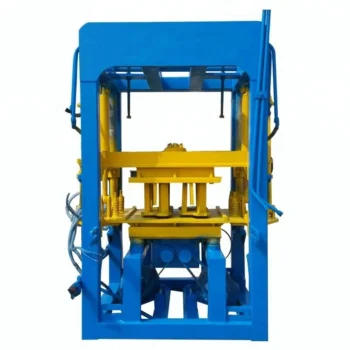
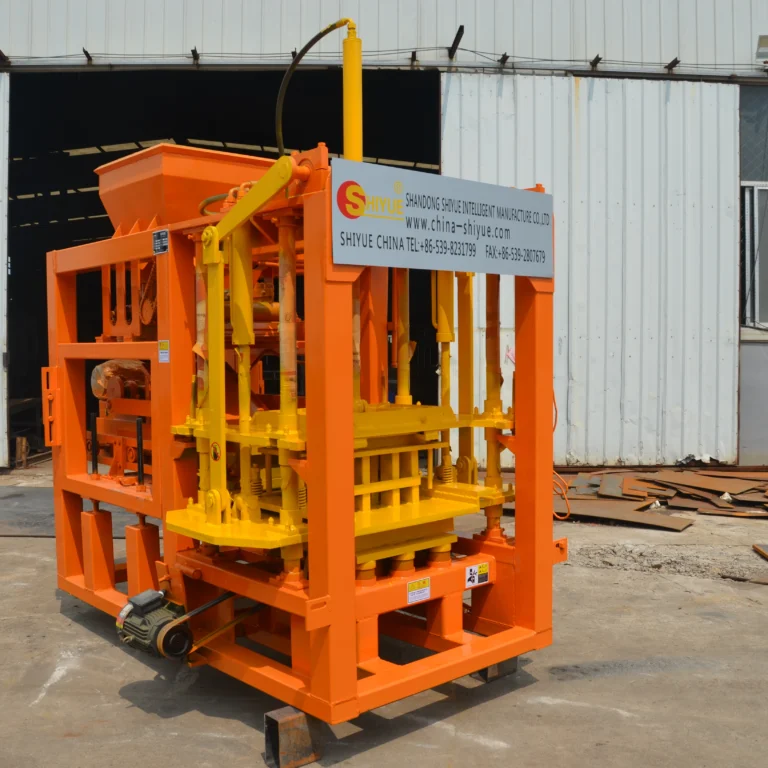
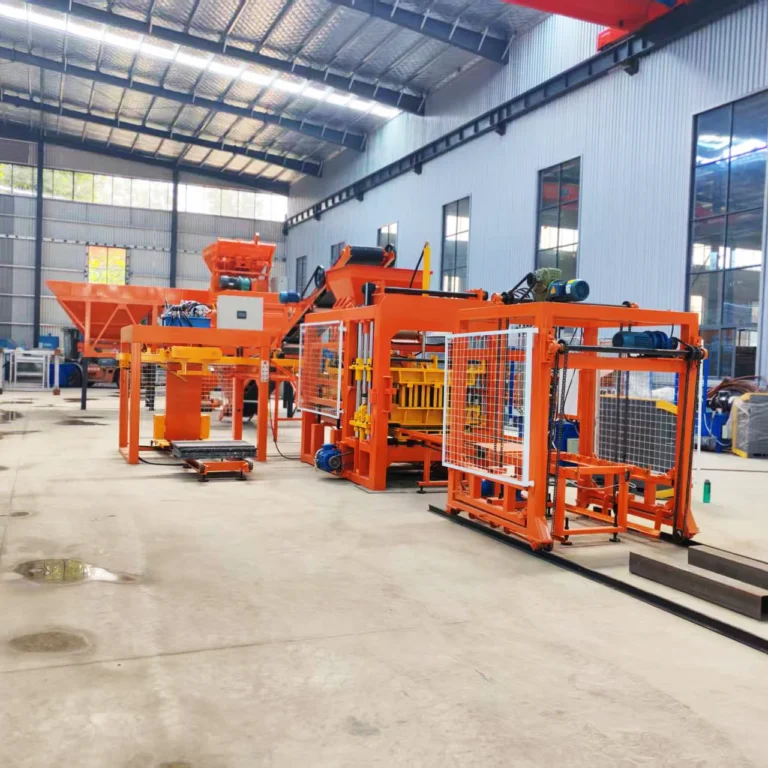
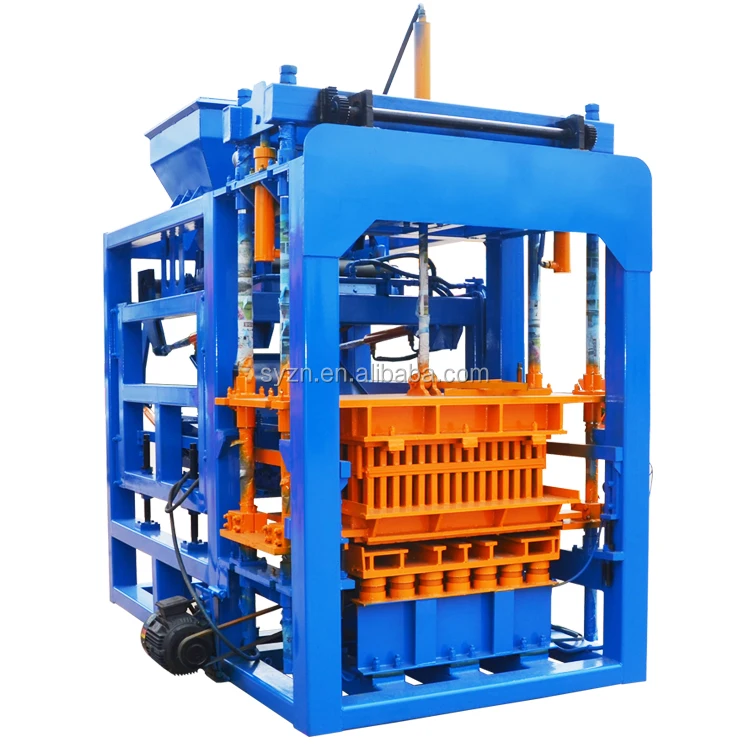
| Product Type | Fully Automatic Concrete Block Making Machine |
| Overall Dimensions (L×W×H) | 9350×2320×2950 mm |
| Rated Power | 44 kW |
| Rated Pressure | 21 MPa |
| Main Vibration Form | Platform vibration |
| Vibration Frequency | 4500–5100 r/min |
| Pallet Size | 1100×900 mm |
| Moulding Area | 1025×810 mm |
| Forming Height Range | 40–250 mm |
| Moulding Cycle | 15–25 s |
| Mixer Model | JS750 |
| General Water Consumption | 12 T/day |
| Voltage | Customized to local request |
| PLC Control Unit | Mitsubishi (Japan) |
| Hydraulic Unit | Jiugang (Taiwan) |
| Switches | Omron (Japan) |
| Electrical Elements | Schneider (France) |
| Host & Mixer Motors | Siemens (Germany) |
| Mould Treatment | High-temperature carburizing heat treatment |
| Frame Construction | National standard steel, special welding technology |
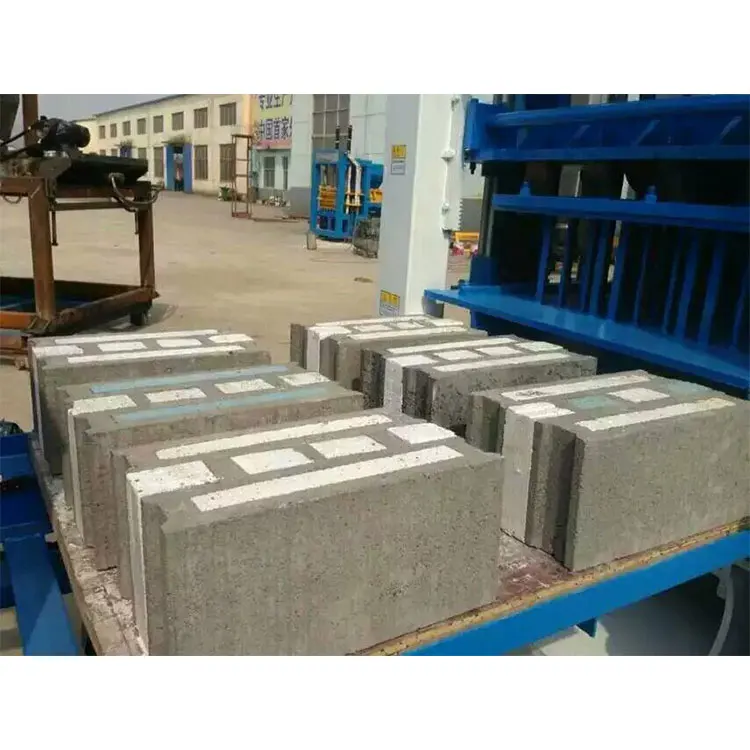
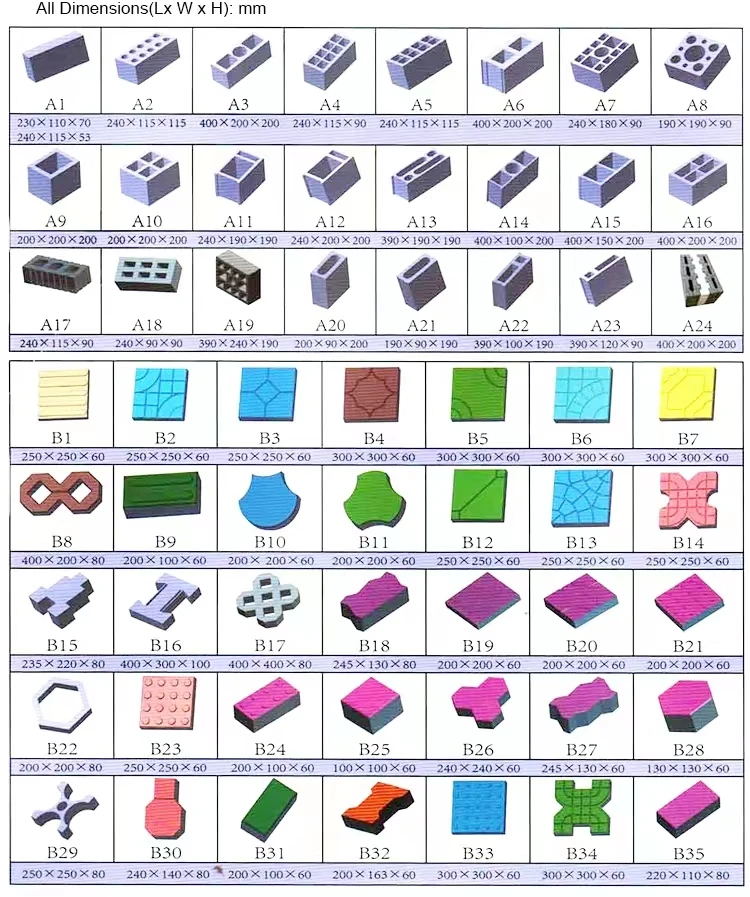
| Output Capacity (400×200×200 mm hollow block) | 1800–2400 pcs/h | 14400–19200 pcs/8h |
| Output Capacity (400×150×200 mm hollow block) | 2160–2880 pcs/h | 17280–23040 pcs/8h |
| Output Capacity (240×115×90 mm solid brick) | 9360–12480 pcs/h | 74880–99840 pcs/8h |
Application Suitability
| Application | Material or Output |
|---|---|
| Hollow block production for commercial and residential walls | Crushed stone, cement, fly ash, sand |
| Solid brick manufacturing for load-bearing structures | River sand, stone dust, cement blends |
| Paving block and interlocking brick for walkways and plazas | Coarse aggregate with cement binder |
| Curbstone forming for road and infrastructure projects | High-strength concrete mixes |
| On-site block production at housing developments | Locally sourced aggregate and cement |
What "In Stock" Actually Means When You Need a QT10-15 Block Machine in Stock
A machine listed as available should ship within days, not re-enter a production queue.
I have watched contractors lose entire foundation cycles because a supplier quoted a QT10-15 block machine in stock and then asked for six more weeks to finish assembly. The delay cascades into missed concrete delivery windows, idle crews, and penalty clauses [NEED_CITE: construction delay penalty structures in housing projects]. When you are working against a project deadline, the gap between "almost ready" and "container loaded" is the difference that matters.
Dispatch Readiness Without the Guesswork
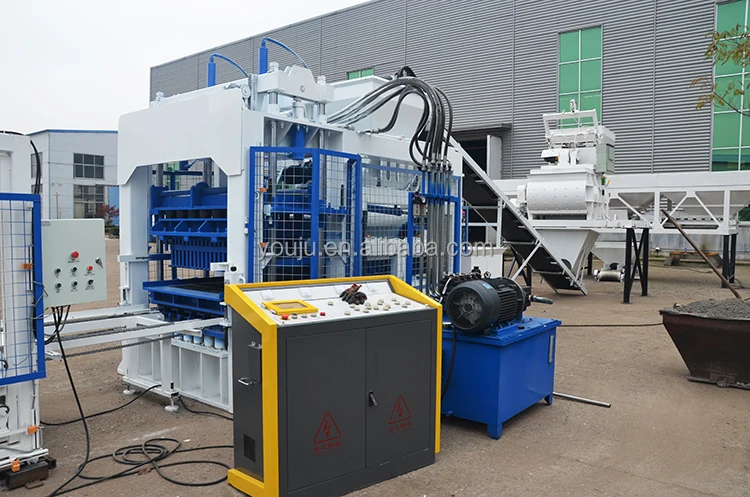
Every QT10-15 block machine in stock on this page has completed factory testing and is staged for dismantling. The hydraulic unit, PLC panel, and vibration platform are separated into labeled sections that fit standard 40-foot container dimensions. We provide a written dispatch date at order confirmation, not an estimate that shifts with factory workload.
Container Loading and Machine Dismantling Protocol
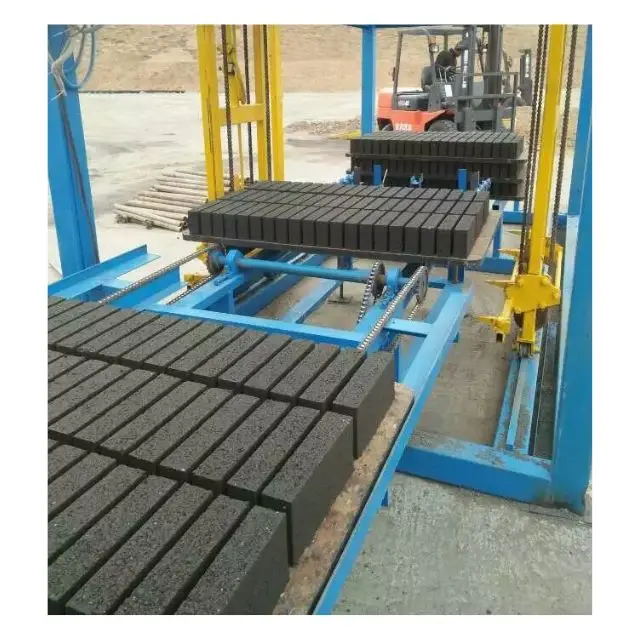
The 9350 mm frame length requires partial dismantling for ocean freight. The host machine, mixer, and pallet feeder are broken into secured sub-assemblies with bolt patterns documented in the packing photograph set. Each component is wrapped and blocked inside the container to prevent transit damage. This step is where many QT10-15 block machine in stock orders stall — dismantling takes time, and if it is not planned before the container arrives at the yard, you pay demurrage [NEED_CITE: container demurrage cost structures at major export ports].
Reading the Specs That Affect Your Timeline
The 1100×900 mm pallet size determines how many blocks cure per rack cycle, which in turn dictates the curing area footprint your site must provide before the machine arrives. The 4500–5100 r/min platform vibration frequency is adjustable across formats, meaning one machine covers hollow blocks, solid bricks, and pavers without hardware changes beyond the mould swap. Rated pressure at 21 MPa combined with the vibration force produces consistent density across the 1025×810 mm moulding area, whether you are running fly ash or crushed stone aggregate. The Mitsubishi PLC with Schneider electrical elements means replacement components are typically available through regional distributors rather than requiring direct shipment from the factory.
The Cost of Arriving Late
When a block machine shows up three weeks after the promised date, the concrete batch plant has already been scheduled and cancelled once. Crews hired for the production window have moved to other jobs. The curing area prepared on-site sits exposed to weather. For housing project contractors, this delay compresses the remaining schedule and forces overtime costs that exceed the machine price difference between suppliers [NEED_CITE: scheduling impact of delayed equipment delivery on construction sites]. Confirming a written arrival estimate — port to port, accounting for inland haul — before payment protects the timeline.
Why Buyers Source the QT10-15 Block Machine in Stock From Here
Block machinery is our single focus, so the QT10-15 arrives with mould, pallet, and handling equipment specified as one matched system rather than assembled from separate suppliers. We confirm voltage, frequency, and PLC display language before production or dispatch, preventing commissioning delays after arrival. Stocked machines ship with standard mould sets for the formats the buyer’s market actually sells, and custom mould drawings are available for additional formats. Installation support includes operator training on the specific mix design and local aggregate the buyer will run.
Documentation & Verification
- Factory test record showing cycle times on your specified block format before dispatch
- Voltage and control language confirmation sheet signed prior to container loading
- Packing photographs documenting each sub-assembly before sealing
- Machine specification sheet with pallet size and moulding area matched to your curing layout
- Customs documentation support including HS code and certificate of origin
Installation, Commissioning & Support
- Foundation plan based on the 9350×2320 mm footprint and 44 kW power draw
- Electrical connection matching your confirmed voltage and frequency before shipment
- Dismantled sub-assemblies reassembled on-site with bolt-torque documentation
- First-run parameter tuning on your local aggregate and target block format
- Operator training covering PLC navigation and mould change procedures
- Wear parts and mould list provided with reorder part numbers
Before You Request a Quote
To give you an accurate arrival estimate, we need your destination port, the block formats your market sells, your local aggregate type and gradation, and the voltage and frequency standard at your site. If you have an existing curing area or forklift fleet, share the pallet dimensions you are already using so the configuration aligns with your current infrastructure.
Frequently Asked Questions
Q: Which QT10-15 models and standard moulds are currently in stock?
A: Stocked configurations include the QT10-15 with standard hollow block and solid brick moulds matching the 1025×810 mm moulding area. Pallet sets sized at 1100×900 mm are included. Availability shifts with order volume, so we confirm exact models and mould formats at the time of inquiry and provide a written dispatch date.
Q: What is the realistic dispatch lead time from order confirmation to container loading?
A: For stocked machines with standard mould sets, dismantling and container loading typically proceed within a short window after payment confirmation. Made-to-order configurations or custom mould requests extend this timeline. We quote the dispatch date in writing at order stage so your project schedule has a fixed reference point.
Q: How is the machine dismantled and packed for container shipment?
A: The 9350 mm frame is separated into the host machine, mixer, and pallet feeder sub-assemblies. Each section is wrapped, blocked, and secured inside a standard 40-foot container. A complete set of packing photographs is provided before the container is sealed, documenting the condition and labeling of every component.
Q: What is the estimated arrival time to my destination port?
A: Ocean transit time depends on your destination port and current shipping lane schedules. We provide a port-to-port arrival estimate at the quotation stage, and inland transport from port to site can be factored in if you share your final delivery address. This estimate is stated in writing before order confirmation.
Q: Are spare parts and additional moulds shipped together or ordered separately?
A: Standard wear parts ship with the machine inside the same container. Additional moulds for formats beyond the stocked set can be included in the same shipment if ordered before container loading, or dispatched separately afterward. We provide a complete wear parts and mould list with reorder part numbers at delivery.