

Description
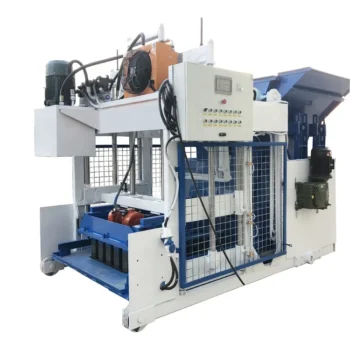
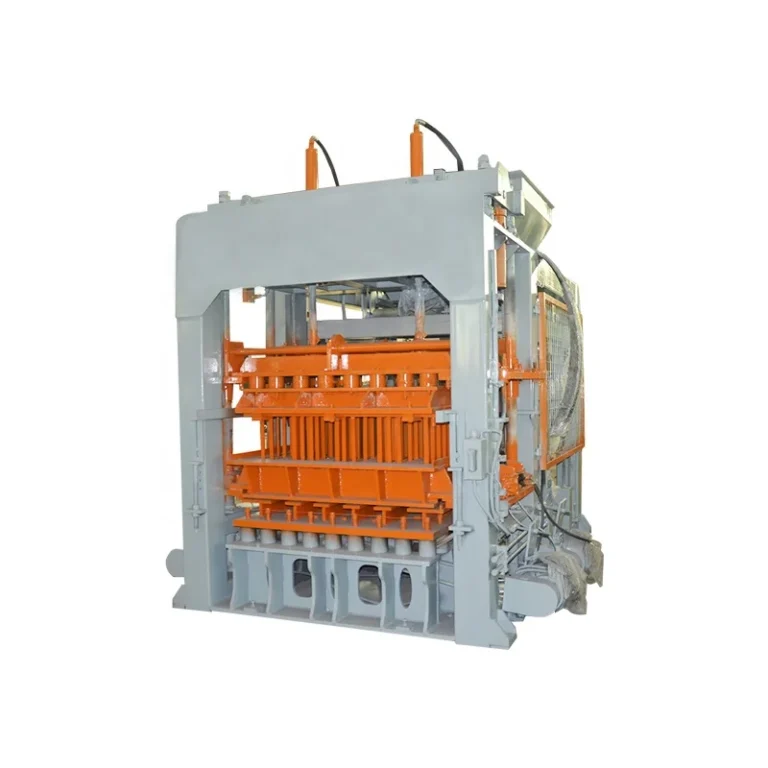
Dispatch-Ready Configuration — the QT12-15 is held as a stocked model with standard pallets and moulds prepared, cutting the typical multi-week build delay for project-deadline buyers.
Technical Specifications
| Parameter | Value |
|---|---|
| Model | QT12-15 |
| Product Type | Hydraulic Block Making Machine |
| Total Power | 62 kW |
| Pallet Size | 1300 × 900 mm |
| Moulding Cycle | 15–30 seconds (basis to be confirmed by block format) |
| Vibration Type | Table vibration |
| Voltage | Customized according to local industrial voltage |
| Moulds | Customized according to target block format |
| Key Features | Hydraulic press with table vibration, pallet-based forming, custom mould mounting |
Application Suitability
| Application | Material or Output |
|---|---|
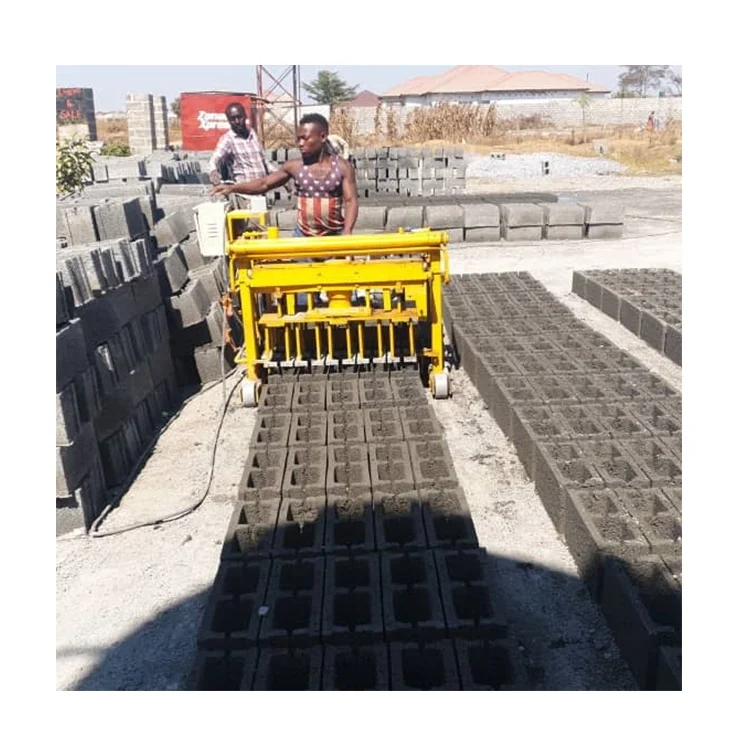
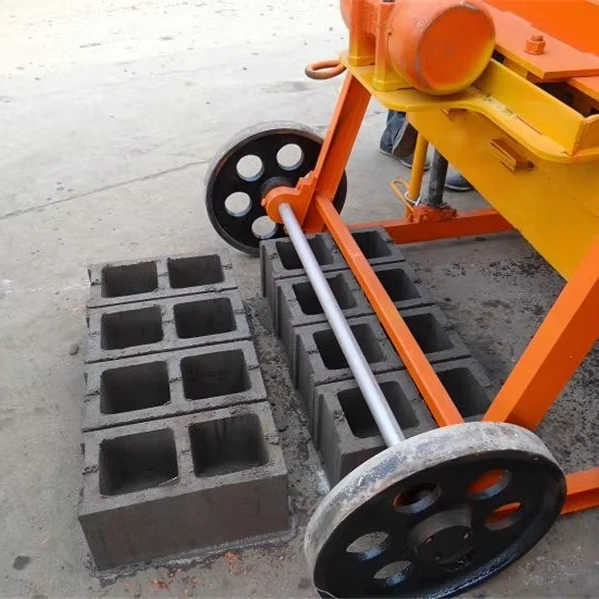
| Hollow block production | Cement, crushed stone, sand aggregate |
| Solid block and wall block production | Cement, river sand, gravel |
| Pavement brick and paver production | Cement, fine aggregate, pigment for colour layers |
| Porous brick production | Cement, lightweight aggregate, permeable mix |
| Slope protection brick production | Cement, coarse aggregate, reinforced mix |
Why "15–30 Seconds" Means Nothing Without the Block Format
Cycle time only matters when tied to the exact block you intend to sell.
Buyers often see a moulding cycle quoted as a range and assume the lower end applies to every format. In practice, a 15-second cycle may only be achievable on a thin paver, while a 300 mm hollow block requires the full 30 seconds or more to reach adequate compaction. I have watched contractors base their entire project schedule on the fast end of that range, only to find daily output falling well short once the actual block format is on the pallet. That gap between quoted and real output is where construction timelines slip. [NEED_CITE: block format impact on cycle time and daily output in concrete masonry production]
When you are evaluating the QT12-15 block machine in stock for a site with a fixed deadline, the first question should never be "how fast does it run" but "how fast does it run on the specific block my market buys." Without that answer, every downstream calculation — trucking, curing space, labour shifts — is built on guesswork.
Stocked Model Means the Machine Leaves Sooner, Not That the Configuration Is Generic
Holding the QT12-15 as a stocked unit shortens the gap between purchase order and container departure. The press frame, hydraulic station, and vibration table are pre-assembled and tested. What still requires buyer input is the mould set, the pallet material choice, and the electrical configuration. These are the variables that determine whether the machine produces usable block on day one at your site or sits idle while replacement parts are shipped.
The QT12-15 block machine in stock status applies to the base press. Mould tooling is configured to your target format before dispatch, which means you still need to confirm block dimensions, face mix requirements, and daily volume targets early in the order process. A stocked machine with the wrong mould is no faster than a built-to-order one.
Container Loading and What Arrives at Your Port
The 1300 × 900 mm pallet size means the QT12-15 and its supporting pallet stack will fill container space predictably. The machine can be partially dismantled for shipment — typically the hydraulic station, hopper, and control cabinet are separated from the main frame to fit standard 40-foot high-cube container door clearances. [NEED_CITE: standard container dimensions and loading practices for heavy industrial machinery]
Arrival estimates depend on shipping lane and port congestion, but quoting them upfront at the order stage prevents the situation where a buyer commits to a project start date without knowing when the equipment will clear customs. For the QT12-15 block machine in stock, the dispatch lead is measured in days rather than months, and the sea freight window is the dominant variable in your timeline.
Reading the Specifications That Actually Matter on Site
The 62 kW total power draw tells you what electrical infrastructure must be in place before the machine arrives. A dedicated circuit with the correct breaker rating and cable cross-section must be installed during the lead time — this is not something an electric improvises on commissioning day. Voltage customization before dispatch eliminates the mismatch that otherwise delays first production by weeks while a step-down transformer is sourced locally.
Table vibration transfers energy directly through the pallet into the mould cavity, which is why pallet flatness and stiffness matter as much as the vibration force itself. A warped pallet creates uneven compaction across the block face, producing units that pass on one side and crumble on the other. The 1300 × 900 mm pallet dimension should be cross-checked against your existing curing rack spacing and forklift fork width so that the handling chain works end to end.
Moulding cycle duration is governed by the interaction of hydraulic pressure, vibration amplitude, and the moisture content of your mix. A drier mix with angular aggregate compacts faster but demands higher vibration force to achieve interlock. This is why the same machine on two different local materials will show different cycle times and block strengths. [NEED_CITE: relationship between aggregate shape, moisture content, and compaction in concrete block production]
The Cost of Skipping Pre-Dispatch Configuration Checks
When voltage and control language are left unconfirmed, the machine arrives and sits while an electrician re-wires the panel and the operator struggles through an interface in a language they cannot read. I have seen commissioning delayed by several days because the PLC display defaulted to a language the local team did not work in, and the parameter labels on the HMI were meaningless to them. The fix is a firmware update, but sourcing the right technician on a remote site takes time that the project schedule did not account for.
Skipping the factory test against your own raw material sample means the first week of production becomes the test. Blocks that crack during curing or fail a simple drop test point to a mix-and-machine mismatch that could have been caught before the container was sealed. [NEED_CITE: common causes of block strength failure in concrete masonry unit production]
Why Buyers Source This Press Through This Channel
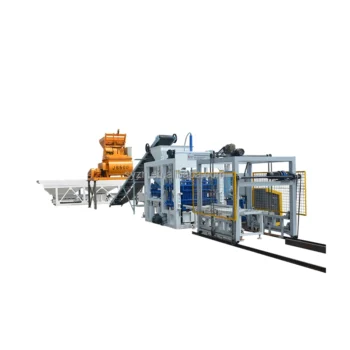
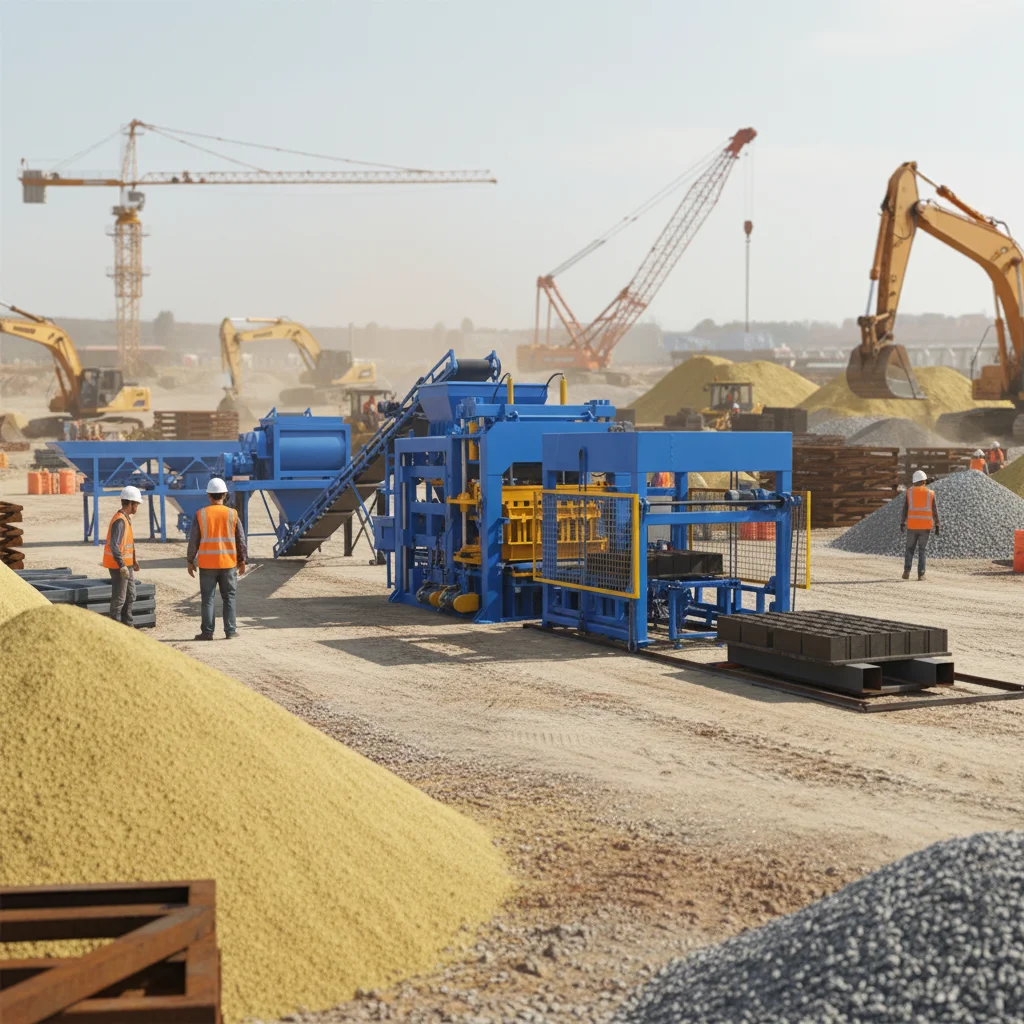
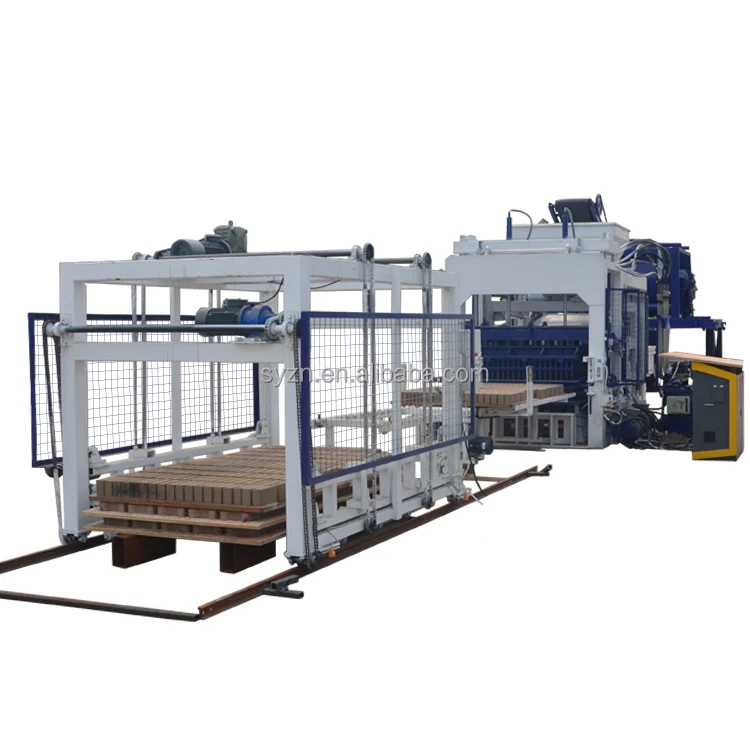
The QT12-15 is specified as part of a matched system — press, mould, pallet, and handling stations are sized together rather than assembled from separate suppliers who each optimise for their own component. This avoids the situation where the press cycle is faster than the pallet return conveyor can keep up with, leaving the machine idle between strokes.
Dispatch lead time is quoted in writing at the quotation stage, not estimated vaguely over a phone call. Stocked models have a defined preparation window that accounts for mould fitting, electrical configuration, and factory test before container loading.
Mould design follows the block formats that sell in your local market, including custom drawings when standard cavity layouts do not match regional building codes or architectural preferences. The mould is not an afterthought — it is the tool that determines what the machine actually produces.
Documentation & Verification
- Factory test record run on your target block format before container sealing
- Voltage and control language confirmation sheet signed before dispatch
- Mould drawing and cavity layout approved against your block dimensions
- Packing photographs showing machine dismantling and container loading sequence
- CE declaration documentation where applicable for your import market
Installation, Commissioning & Support
- Foundation pad sized for the QT12-15 vibration table load with anchor bolt template provided before machine arrival
- Dedicated 62 kW circuit with correct breaker rating installed during the shipping window
- Hydraulic station and control cabinet reconnected to main frame on site with torque-checked fittings
- First production run supervised with moulding cycle adjusted to your local aggregate and moisture level
- Operator training on mould change procedure and daily vibration table inspection
- Wear parts list with hydraulic seal and vibration motor brush specifications for local sourcing
What to Prepare Before You Request a Quote
To match the QT12-15 to your project, provide the block format and dimensions your market requires, the local aggregate type and source, and the daily output target stated per specific block size rather than as a general figure. Include your site voltage and frequency so that the electrical panel is built correctly before dispatch, and confirm the PLC display language your operators will work in. If you have existing curing racks or forklifts, share the dimensions so the 1300 × 900 mm pallet is validated against your handling equipment.
Frequently Asked Questions
Q: Is the QT12-15 currently stocked, and what is the dispatch lead time?
A: The QT12-15 is held as a stocked base unit. Once mould configuration, voltage, and pallet material are confirmed, the preparation window covers mould fitting, factory test, and dismantling for container loading. Dispatch lead time is stated in writing at quotation so your project schedule can be built around a firm date rather than an estimate.
Q: How is container loading handled, and can the machine be dismantled for shipment?
A: The QT12-15 is partially dismantled before loading — the hydraulic station, hopper, and control cabinet are separated from the main frame to clear standard container door dimensions. Packing photographs are taken during loading so you can verify securement and reassembly sequence before the container is sealed at the port of departure.
Q: What arrival estimate can be quoted for my destination port?
A: Sea freight transit time depends on the shipping lane and current port conditions. Once the container is booked, an arrival estimate is provided covering port-to-port transit plus typical customs clearance duration. This lets you align site preparation and raw material procurement with a realistic equipment arrival window.
Q: Are standard moulds and pallets included in the stock shipment?
A: Standard mould cavity layouts and pallets in the 1300 × 900 mm size can ship with the stocked press. Custom moulds designed to your specific block dimensions require a short additional lead for tooling fabrication and are fitted and tested at the factory before the machine is dismantled for dispatch.
Q: Can voltage and control language be confirmed before dispatch to prevent delays?
A: Voltage, frequency, and PLC display language are confirmed in writing before the electrical panel is built. This eliminates the most common cause of post-arrival commissioning delay — a machine that powers up but cannot run because the supply voltage is wrong or the operator interface is in an unfamiliar language.