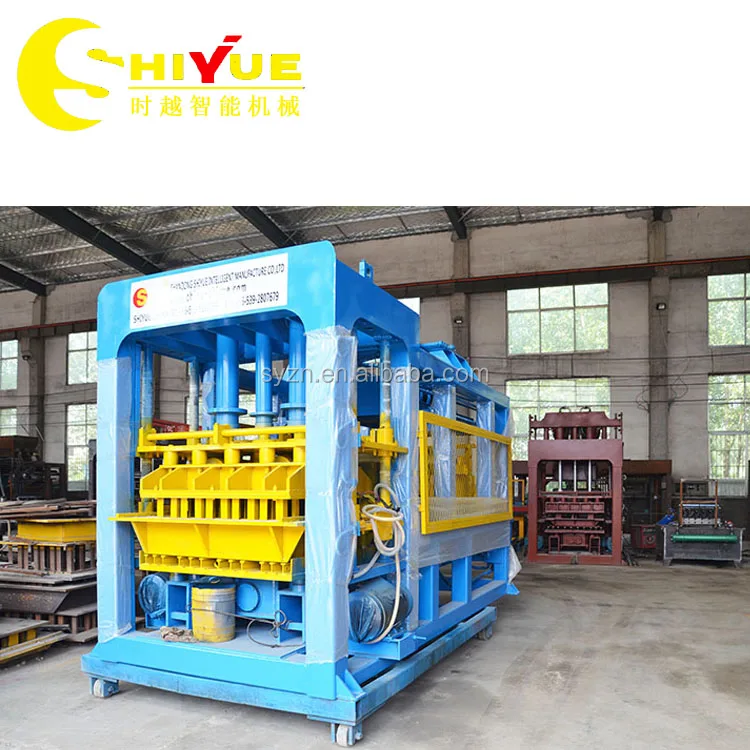
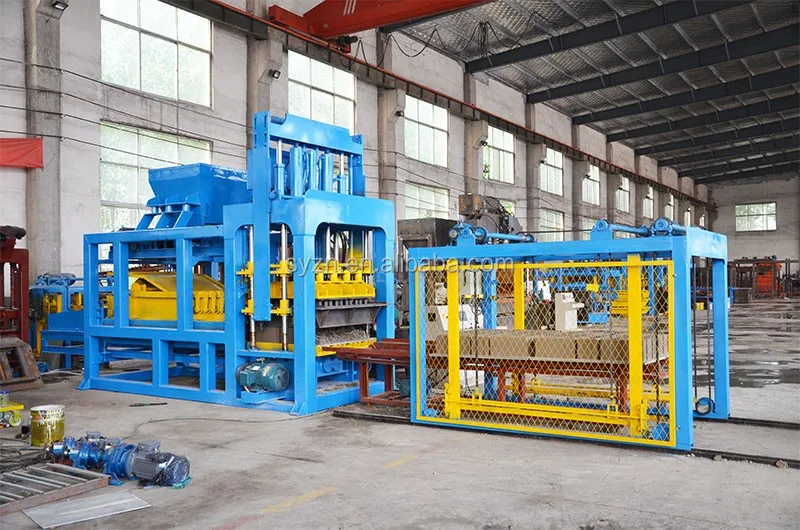
Description
Dispatch Readiness — QT12-15 configurations held in stock with standard mould sets, allowing container loading plans and arrival estimates to be confirmed before order placement rather than after production queues clear.
Technical Specifications
| Parameter | Value |
|---|---|
| Model | QT12-15 |
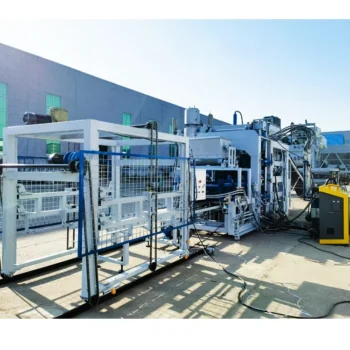
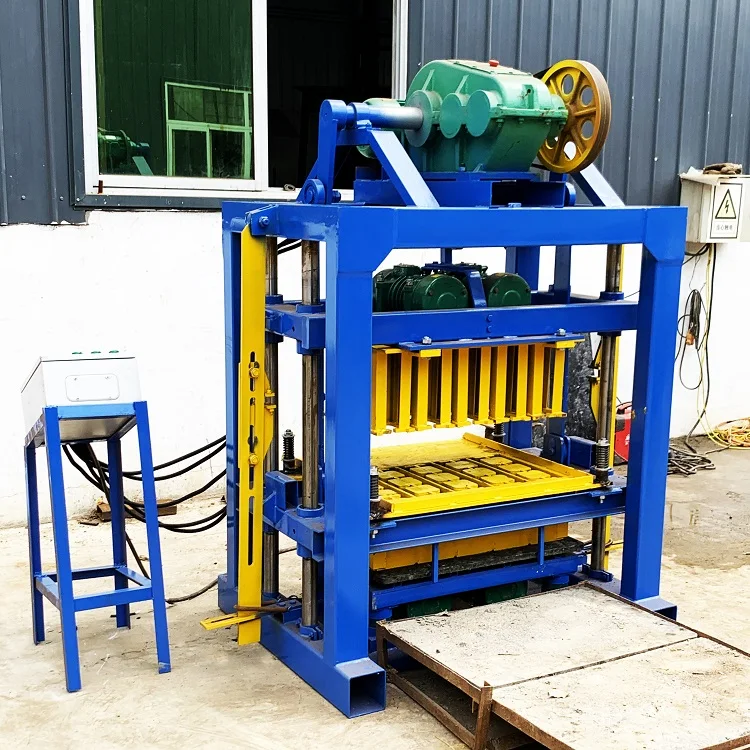
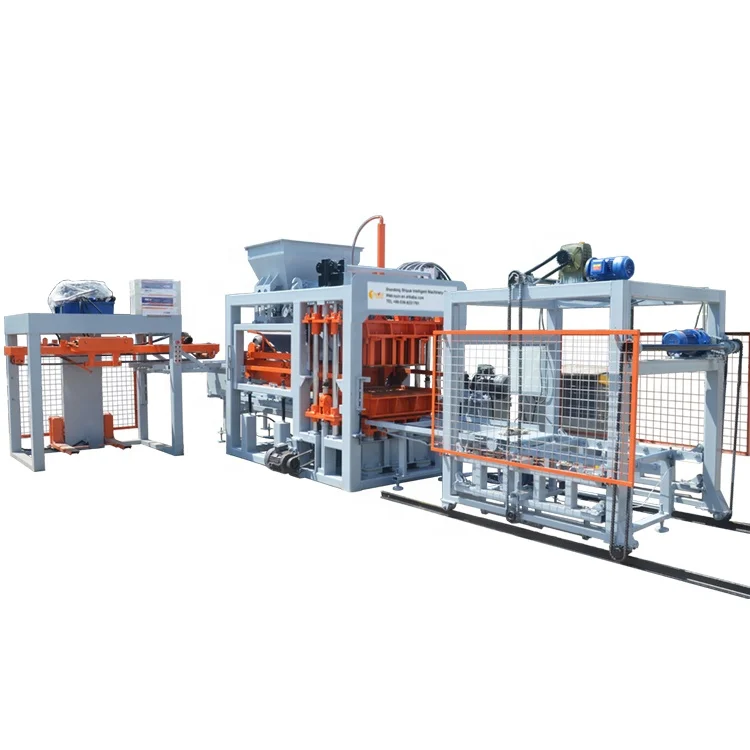
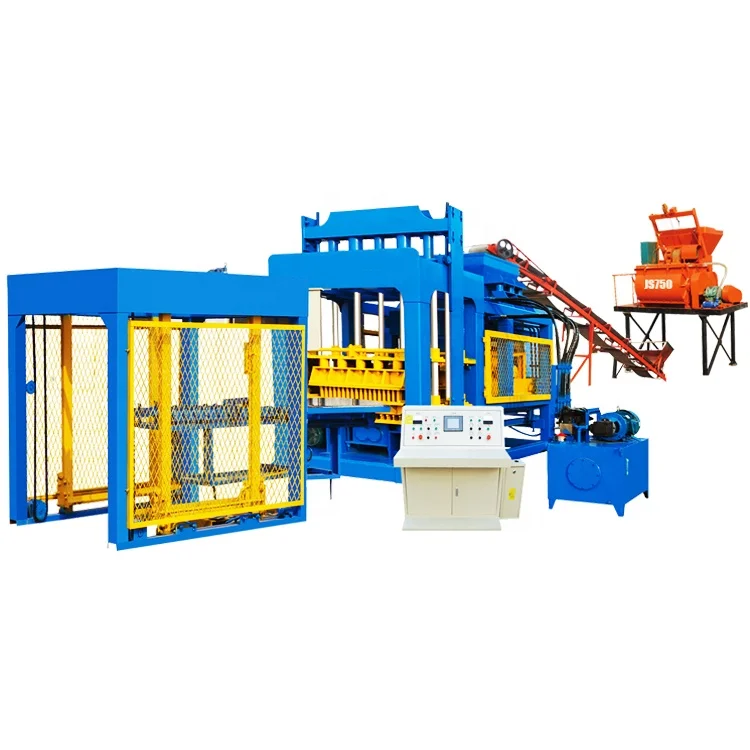
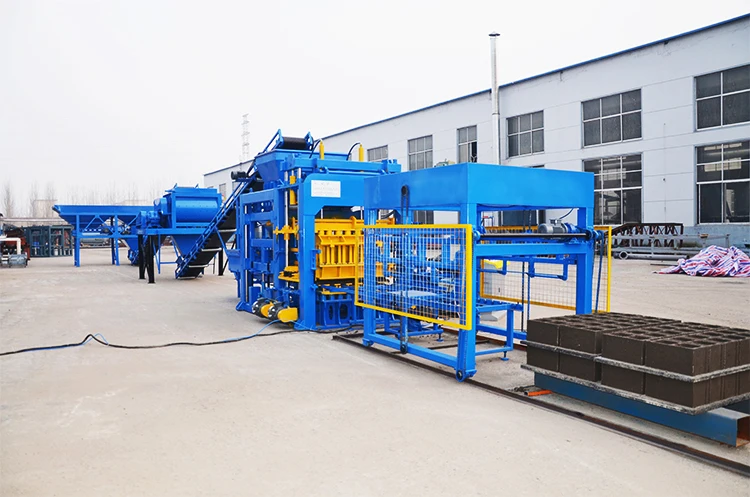
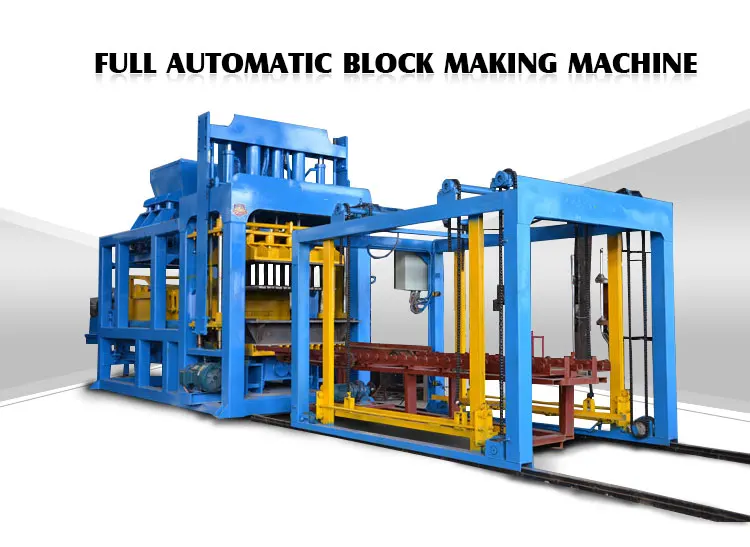
| Product Type | Fully Automatic Stationary Block Making Machine |
| Machine Power | 44.58 kW |
| Molding Cycle | 15–20 seconds |
| Hydraulic Pressure | 16–21 MPa |
| Machine Weight | 11000 kg |
| Overall Dimensions (L×W×H) | 9350 × 2520 × 2950 mm |
| Main Vibration Form | Platform Vibration |
| Pallet Size | 1300 × 900 mm |
| Voltage | Customized to local voltage (basis to be confirmed) |
| Control System | Computer with fault diagnosis system (verify PLC brand and language options) |
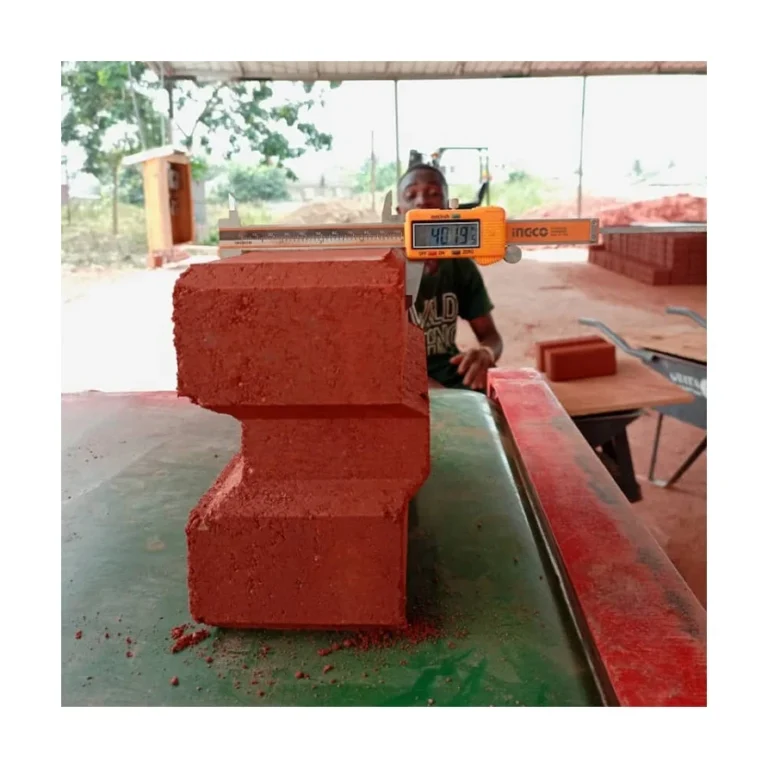
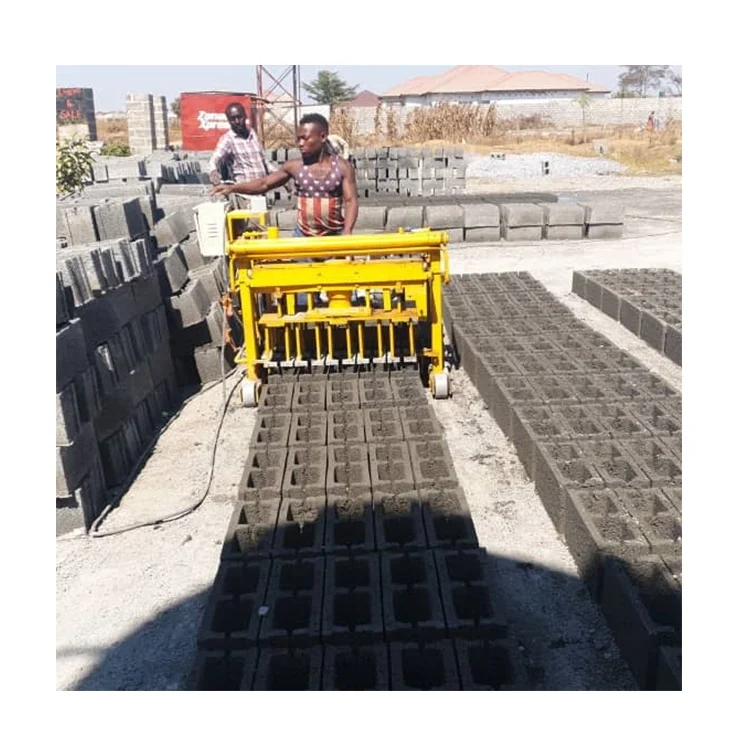
| Applied Products | Hollow blocks, solid blocks, pavers, interlocking blocks, curbstone, porous bricks |
| Raw Materials | Crushed stone, sand, cement, fly ash, gravel, slag, dust |
| Theoretical Output — Hollow Block 400×200×200 mm | 12 pcs/mould, 20–25 s cycle, 21600 pcs/day |
| Theoretical Output — Porous Block 240×115×90 mm | 30 pcs/mould, 15–20 s cycle, 72000 pcs/day |
| Theoretical Output — Standard Block 240×115×53 mm | 60 pcs/mould, 15–17 s cycle, 144000 pcs/day |
| Warranty | 1 year (excluding wearing parts) |
| Standards | CE, ISO |
Application Suitability
| Application | Material or Output |
|---|---|
| High-volume hollow block production for commercial and residential construction | Crushed stone, sand, cement, fly ash blends |
| Solid block manufacturing for load-bearing walls | Gravel, sand, cement mixes with local aggregate |
| Interlocking paver and colored paver runs for municipal and landscaping projects | Fine aggregate with pigment additives |
| Kerbstone and curb production for road and infrastructure works | High-strength concrete with coarse aggregate |
| Porous brick runs for permeable paving applications | Graded aggregate with controlled cement content |
What "In Stock" Actually Means for Your Project Timeline
A stocked QT12-15 stationary block machine in stock eliminates the production queue, but dispatch speed still depends on confirming voltage, control language, and mould format before the crate is sealed.
Project-bound buyers often assume that a machine listed as available will ship identically to every destination. The reality is that voltage mismatches and untranslated PLC screens cause commissioning delays that erase any lead-time advantage gained from buying off the shelf [NEED_CITE: voltage and frequency standards by export market]. When a housing project contractor needs blocks on site within weeks, a QT12-15 stationary block machine in stock only delivers that speed if the electrical configuration and control interface are locked down before the machine leaves the factory floor.
Dispatch Lead Time and Container Loading
Stocked QT12-15 units are dismantled into major assemblies — main frame, hydraulic station, control cabinet, and mould set — for container loading. A typical dispatch involves one 40-foot high-cube container for the press and supporting structure, with pallets and spare moulds consolidated into the same shipment when pallet quantities remain within standard configuration. Buyers receive packing photographs showing the dismantled state and blocking arrangement before the container is sealed, so the receiving team knows the unloading sequence before the vessel arrives.
Arrival Estimate and Customs Documentation
Once the container is booked, an estimated arrival date is provided based on the destination port and current sailing schedules. The shipping documentation package includes the commercial invoice, packing list, bill of lading, and CE declaration where applicable. For importers who need to clear customs quickly, having the QT12-15 stationary block machine in stock means the factory test record and machine specification sheet are already complete — there is no waiting for post-production paperwork to catch up with the shipment [NEED_CITE: CE machinery directive requirements for industrial equipment].
How Platform Vibration and Hydraulic Pressure Interact on the QT12-15
The platform vibration system delivers force uniformly across the 1300 × 900 mm pallet area, which matters when the mould contains a mix of hollow and solid cavities. Hydraulic pressure in the 16–21 MPa range compresses the concrete mix before vibration consolidates it, and the two forces must be balanced to the buyer’s specific aggregate and cement ratio. A mix with high fly ash content, for example, responds differently to vibration than a pure crushed-stone blend, so the pressure and cycle settings are adjusted during factory testing against the buyer’s sample material. The 44.58 kW total machine power supports sustained cycling at 15–20 seconds per mould without thermal derating of the hydraulic pump over a full shift.
The Cost of Skipping Voltage Confirmation Before Dispatch
A machine wired for the wrong frequency will run its hydraulic pump at the incorrect speed, altering vibration characteristics and cycle times in ways that are not immediately obvious on the first day of production. Buyers who skip the voltage and frequency confirmation step to save a few days of pre-shipment communication often face a multi-week delay while a replacement transformer or motor is sourced locally [NEED_CITE: electrical compatibility requirements for exported industrial machinery]. The fault diagnosis system in the control cabinet will flag motor current anomalies, but it cannot correct a fundamental supply mismatch.
Why Sourcing the QT12-15 Here Reduces Shipment Risk
Block machinery is the sole focus of this operation, so the QT12-15 is specified and tested as a matched system — press, mould, pallet, and handling equipment leave the factory together rather than arriving from separate suppliers at different times. Standard mould formats for hollow blocks, solid blocks, and pavers are held alongside the press, meaning a buyer can confirm the exact mould set that ships with a stocked unit. Factory testing is conducted with the buyer’s target block format loaded in the mould, so the cycle time and output figures recorded in the test report reflect the actual product rather than a generic catalogue block. Container loading plans are prepared per shipment, with dismantling sequences documented so that the receiving crew can reassemble in the correct order. Installation support and operator training are scheduled to align with the estimated arrival date, preventing idle time between unloading and first production run.
Documentation & Verification
- Machine specification sheet listing confirmed voltage, frequency, and PLC display language
- Factory test record showing cycle times for the buyer’s specified block format
- Mould drawing and format list for every mould set included in the shipment
- Hydraulic and electrical schematic matching the dispatched configuration
- Packing photographs documenting dismantling state and container loading arrangement
- CE declaration included where applicable to the destination market
Installation, Commissioning & Support
- Foundation must support the 11000 kg machine weight across the 9350 × 2520 mm footprint with level tolerance for platform vibration alignment
- Dedicated electrical circuit sized for 44.58 kW total draw with voltage and frequency confirmed before dispatch
- Machine arrives dismantled into major assemblies with a documented reassembly sequence for site crews
- First-run commissioning includes hydraulic pressure calibration within the 16–21 MPa range against the buyer’s local mix
- Operator training covers mould change procedure, fault diagnosis system response, and daily lubrication points
- Wearing parts list and standard mould inventory provided for first reorder planning
What to Include in Your Inquiry
Provide the block formats your market requires — hollow, solid, paver, or specialty shapes — along with the daily volume your project or distribution schedule demands. Confirm your local voltage, frequency, and preferred PLC display language so the stocked QT12-15 stationary block machine in stock can be verified against your site conditions before dispatch. If you have an existing curing yard and forklift fleet, share the pallet dimensions you currently handle so the 1300 × 900 mm pallet configuration can be assessed for compatibility.
Frequently Asked Questions
Q: Which QT12-15 configurations and mould formats are currently in stock?
A: Stocked configurations include the standard QT12-15 press with mould sets for common hollow block, solid block, and paver formats. Availability of specific mould sizes and automation levels should be confirmed at inquiry, as stock rotates with orders. Non-standard mould formats may require a short production lead time.
Q: What is the dispatch lead time and estimated arrival for my destination port?
A: Dispatch lead time for a stocked unit depends on completing voltage confirmation, control language selection, and factory testing with the buyer’s chosen mould format. Once these are confirmed, container booking and loading follow. An arrival estimate is provided based on current sailing schedules to the buyer’s named port.
Q: How is the machine dismantled and loaded into containers for shipment?
A: The QT12-15 is dismantled into its main frame, hydraulic station, control cabinet, and mould assemblies. A loading plan is prepared showing blocking and bracing within the container. Packing photographs are shared with the buyer before the container is sealed so the receiving team can plan unloading and reassembly.
Q: Can voltage and control language be confirmed before the machine leaves the factory?
A: Yes. Voltage, frequency, and PLC display language must be confirmed before dispatch to prevent commissioning delays. The fault diagnosis system and all operator-facing screens are set to the buyer’s specified language during factory testing, and the electrical configuration is verified against the stated supply.
Q: What wearing parts and standard moulds ship together with the stocked machine?
A: Each stocked shipment includes the mould set selected at order, a wearing parts list specific to the QT12-15, and a recommended first-order spare parts schedule. The exact mould formats and spare part quantities depend on the configuration confirmed at inquiry and are itemized in the packing list.