
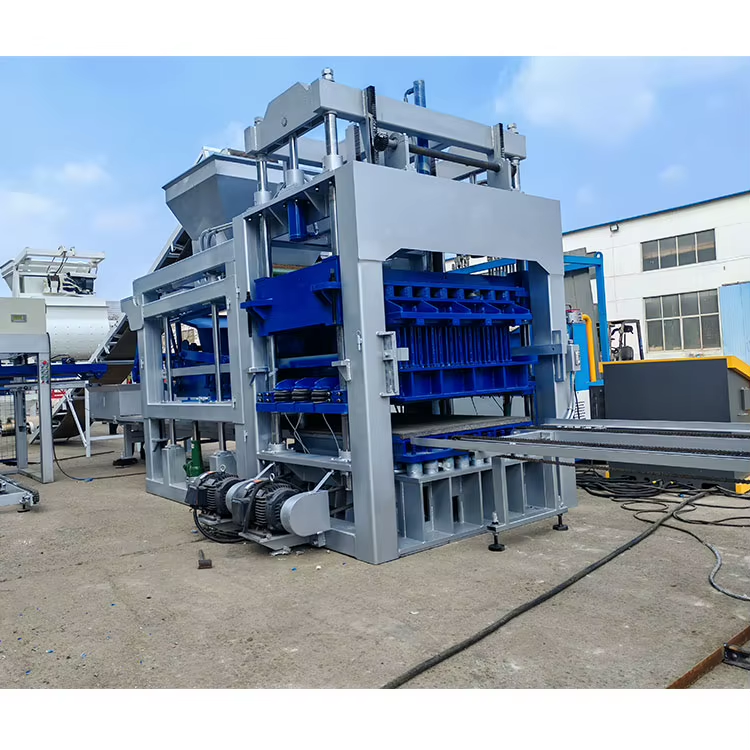
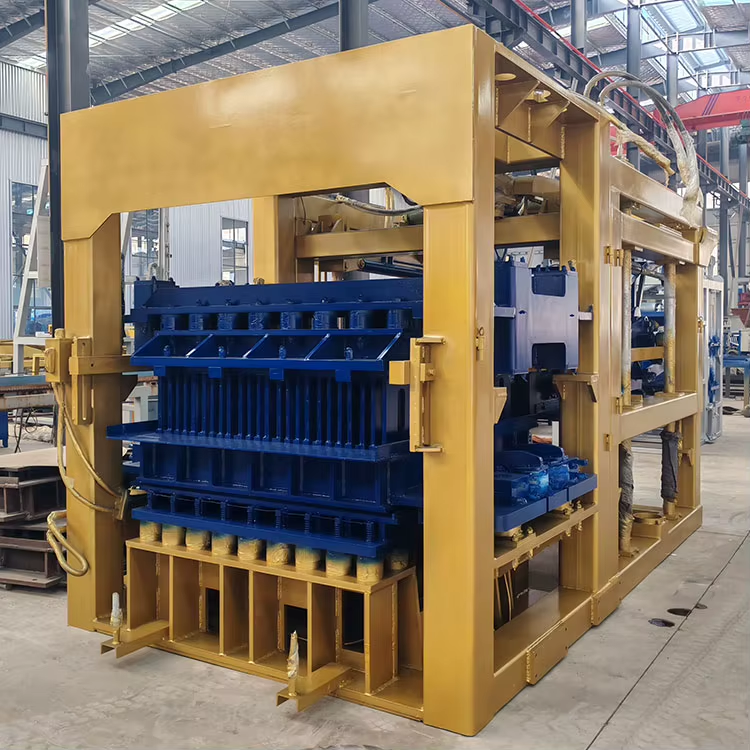
Description
Dispatch Readiness — the QT18-15 is prepared for immediate container loading with verified electrical matching to prevent site delays.
Technical Specifications
| Parameter | Value |
|---|---|
| Model | QT18-15 |
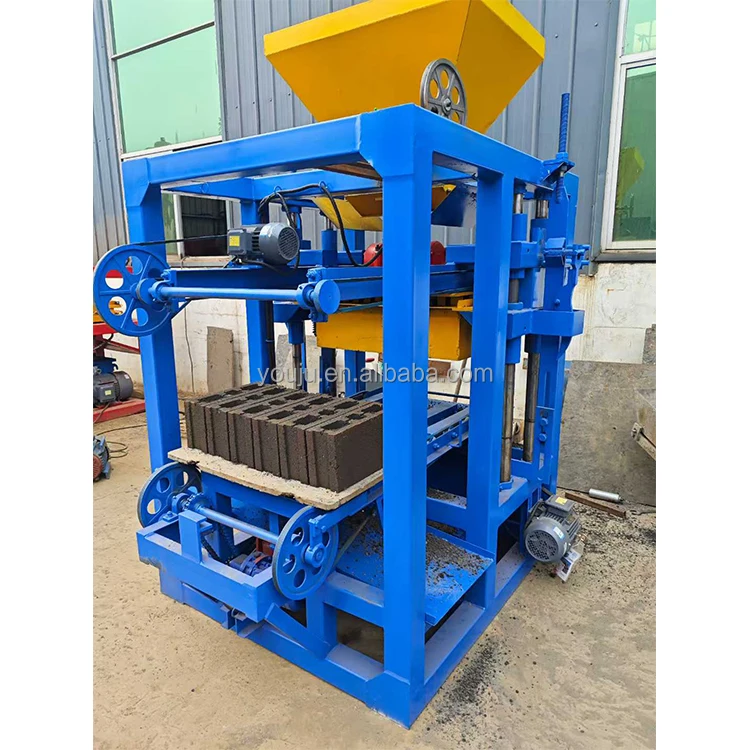
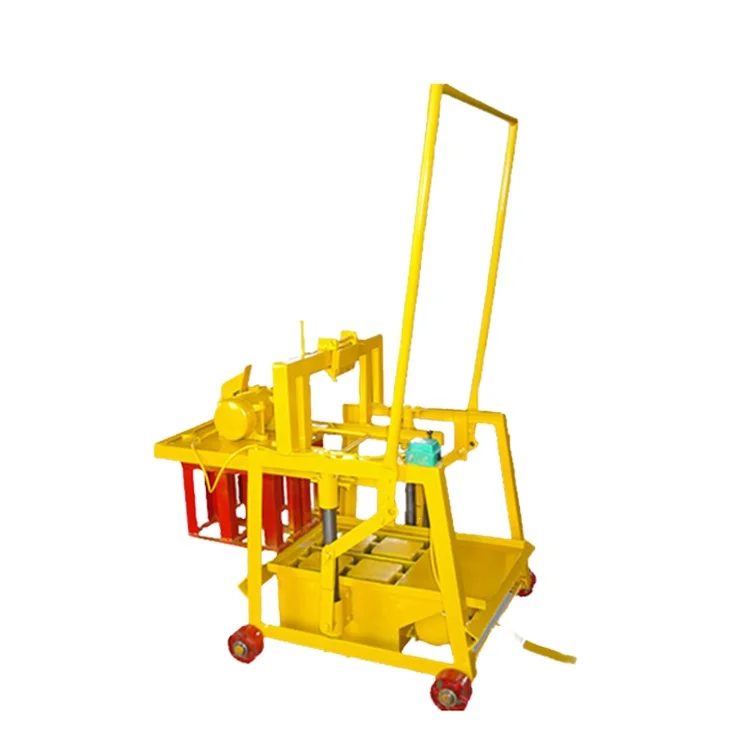
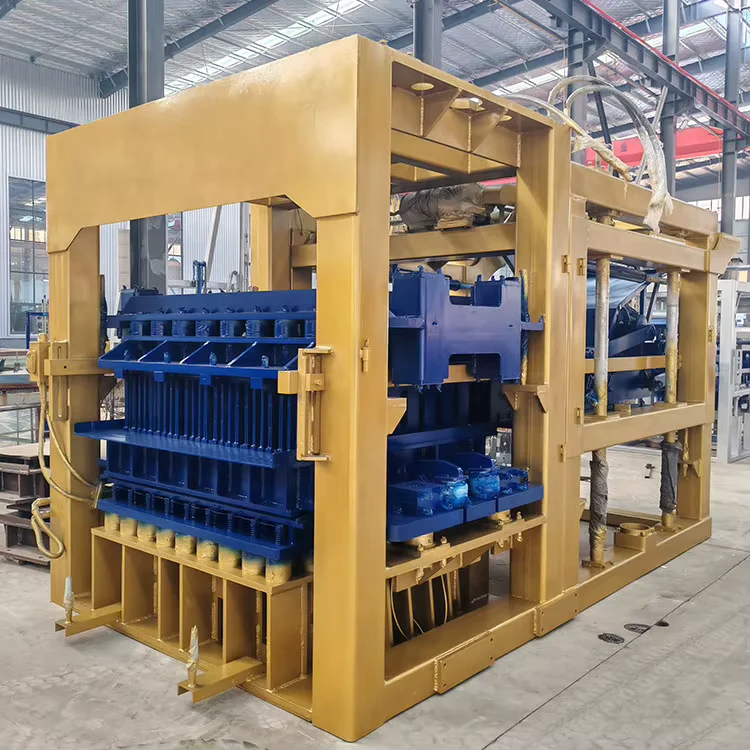
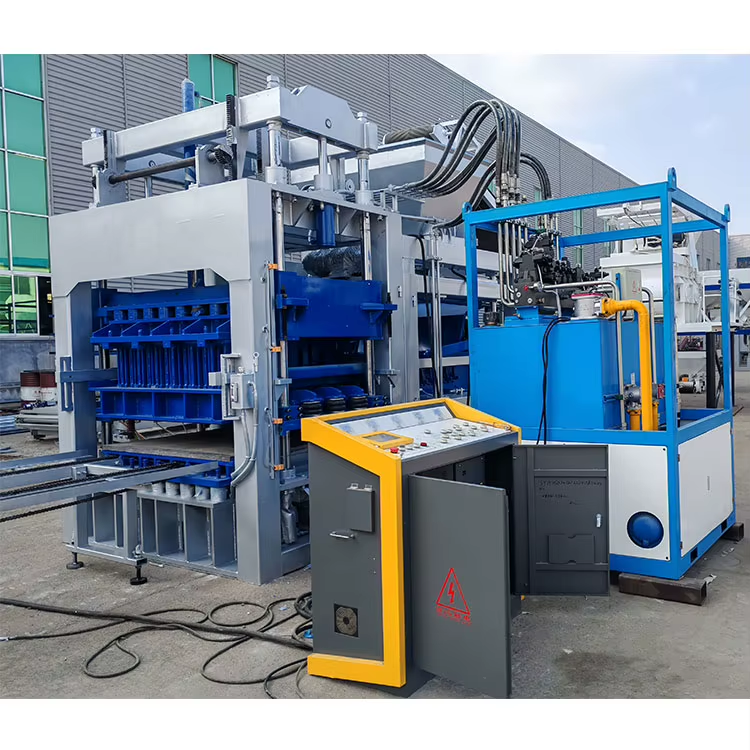
| Product Type | Fully Automatic Hydraulic Block Making Machine |
| Method | Hydraulic pressure |
| Dimension (LWH) | 935025202950mm |
| Weight | 12000 kg |
| Voltage | Local Voltage (source value — verify against manufacturer catalog) |
| Brick Raw Material | Cement, concrete, clay, Crushed Stone, Sand |
| Core Components | Motor, Pump |
| Molding cycle | Varies by format (basis not stated in source) |
| Warranty | More Than 5 Years |
Application Suitability
| Application | Material or Output |
|---|---|
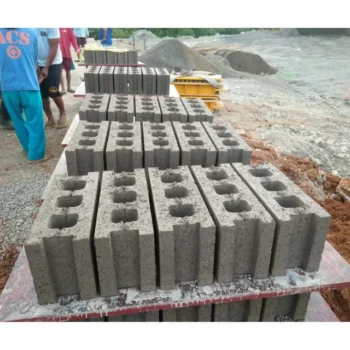
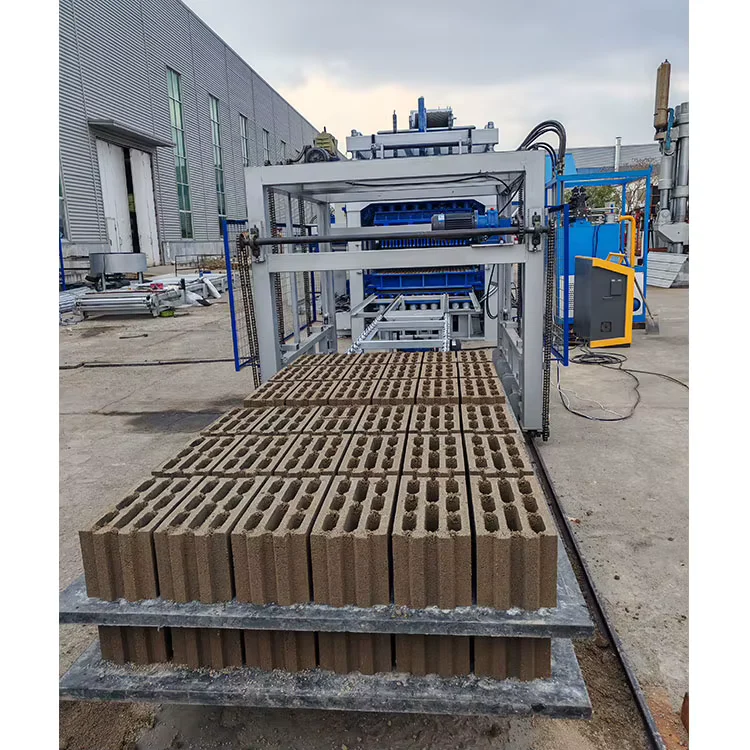
| Building construction | Standard hollow and solid concrete blocks |
| Roads and footpaths | Interlocking pavers and paving blocks |
| Precast concrete kerbs | Heavy-duty kerbstones from crushed stone and cement |
Why the Voltage Question Must Precede the Dispatch Date
Confirming the exact industrial voltage and frequency is the most critical step before loading the QT18-15 block making machine in stock.
I have seen project timelines collapse because a hydraulic press arrived in Latin America with a motor configured for the wrong grid. The local distribution cabinet could not handle the load, forcing the contractor to wait weeks for a custom transformer while the foundation sat idle. Securing the correct electrical specifications ensures the QT18-15 block making machine in stock powers up immediately upon arrival [NEED_CITE: voltage and frequency standards by export market]. Skipping this verification turns a fast-tracked equipment order into a prolonged site bottleneck.
Container Loading and Dismantling Protocols
Shipping a 12000 kg hydraulic press requires precise spatial planning to maximize container utility and protect structural components. The 935025202950mm footprint of the main frame dictates the dismantling sequence before the QT18-15 block making machine in stock enters the port. We separate the heavy hydraulic pump station and the motor assemblies to distribute weight evenly across the flat rack or open-top container floor. This systematic breakdown prevents transit damage and allows the local rigging team to reassemble the core structure using standard site equipment.
Upfront Arrival Estimates and Dispatch Timelines
Project deadlines do not pause for customs hold-ups or missing bills of lading. When we schedule a fast delivery for this hydraulic equipment, the arrival estimate is calculated from the moment the container is sealed, not just when it leaves the factory floor. Providing accurate dispatch lead times means aligning the factory test completion with the vessel booking window. Buyers working against strict construction milestones receive a transparent timeline that accounts for inland transport, port congestion, and ocean transit [NEED_CITE: standard maritime transit variables for heavy machinery].
Interpreting the Physical and Hydraulic Footprint
The physical dimensions and weight of this equipment directly influence your site preparation and unloading logistics. At 12000 kg, the main chassis requires a reinforced concrete foundation capable of absorbing continuous hydraulic pressure and vibration forces without settling. The 9350mm length means the machine spans a significant portion of the production hall, requiring clear overhead space for maintenance cranes. Furthermore, the reliance on core components like the main motor and hydraulic pump means the local facility must have dedicated, stable power circuits to prevent pressure drops during the compression cycle. The wide range of supported brick sizes simply reflects the physical platen area available for different standard mould formats.
The Hidden Cost of Rushing the Inspection Phase
Bypassing the final factory run-test to save a few days on dispatch often results in severe financial penalties at the destination. If the hydraulic hoses are not pressure-tested under load before dismantling, a blown seal on day one of local commissioning will halt the entire site. Missing outgoing inspection videos means the receiving team cannot verify that all loose components and standard moulds were actually loaded into the container. This oversight leads to frantic international air-freight shipments for missing bolts or hoses, entirely erasing the time saved by skipping the initial verification [NEED_CITE: common machinery commissioning delays due to missing parts].
Why Procure This Equipment Through Our Dispatch Channel
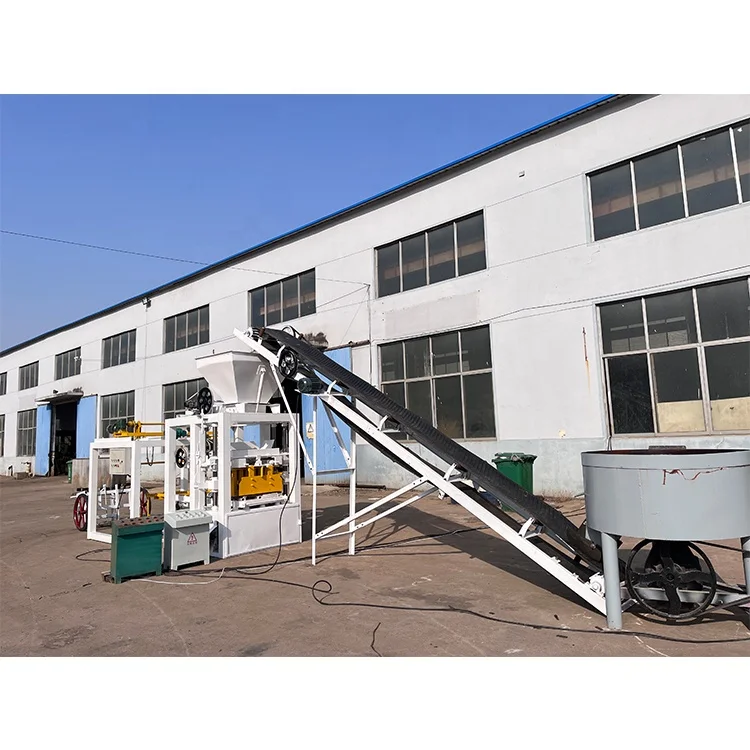
We treat the QT18-15 as a single matched system, ensuring the machine, pallets, and handling equipment are packed and documented together. Every configuration is verified against the buyer’s actual site conditions, specifically the local voltage and available curing space, rather than relying on catalogue defaults. We supply standard moulds that match the formats your local market actually purchases, eliminating the wait for custom tooling. The automation level is clearly defined before crating, so you know exactly which stacking and handling modules are included in the container. Finally, our installation support begins with the unloading plan, ensuring your operators are trained the moment the power is connected.
Documentation & Verification
- Factory test record confirming hydraulic pressure stability before dismantling.
- Video outgoing-inspection showing the specific motor and pump serial numbers.
- Container loading photographs documenting the securing of the 12000 kg chassis.
- Customs documentation support aligned with the destination port requirements.
- Complete packing list detailing every loose hydraulic fitting and standard mould.
Installation, Commissioning & Support
- Foundation blueprints mapped to the 935025202950mm footprint and dynamic load.
- Electrical schematics confirming the exact motor amperage for your local distribution panel.
- Dismantling diagrams guiding the local rigging crew during the initial site assembly.
- Hydraulic pressure calibration performed on-site to match your specific raw material density.
- Operator training focused on rapid mould change procedures and daily pump maintenance.
- Comprehensive wear parts list provided to ensure local inventory for high-friction components.
Preparing Your Site for Immediate Integration
To ensure the equipment integrates smoothly into your current operations, we need precise details about your facility before finalizing the shipping documents. Please provide the exact industrial voltage and frequency available at your main distribution board to confirm motor compatibility. We also require the dimensions of your existing curing area and the specific forklift capacity you use for pallet handling. Finally, confirm the primary block formats you intend to run on day one so we can verify the standard moulds are loaded and ready for immediate production.
Frequently Asked Questions
Q: Is the QT18-15 currently available for immediate dispatch?
A: Yes, we maintain the QT18-15 block making machine in stock to support urgent project timelines. Once the local voltage is confirmed and the standard moulds are selected, the equipment undergoes a final factory test before being dismantled for container loading. This process ensures the dispatch lead time remains minimal and predictable.
Q: How is the 12000 kg machine dismantled for ocean freight?
A: The main hydraulic press frame is secured as a single unit, while the pump station, motor, and control cabinets are detached and packed separately. This weight distribution allows the equipment to fit safely into standard flat rack or open-top containers. We provide detailed loading photographs and assembly diagrams to guide your local rigging team.
Q: What verification materials are provided before the container is sealed?
A: We supply a comprehensive video outgoing-inspection that captures the machine running under hydraulic pressure. You will also receive a machinery test report and detailed packing photographs showing exactly how the core components and moulds are secured inside the container. This documentation accelerates your receiving and verification process.
Q: Which documents are included to assist with destination customs clearance?
A: Every shipment includes a detailed commercial invoice, packing list, and bill of lading tailored to your port’s specific requirements. We also provide the necessary certificates of origin and machinery compliance documents. Our logistics team reviews these files with your local broker to prevent any unexpected delays during the final提货 phase.
Q: Can the dispatch be expedited if the project faces a strict deadline?
A: We prioritize orders with critical construction milestones by aligning the factory testing schedule directly with the earliest available vessel bookings. By confirming the electrical specifications and standard mould requirements upfront, we eliminate administrative bottlenecks. This focused approach ensures the fastest possible transit from our facility to your port.