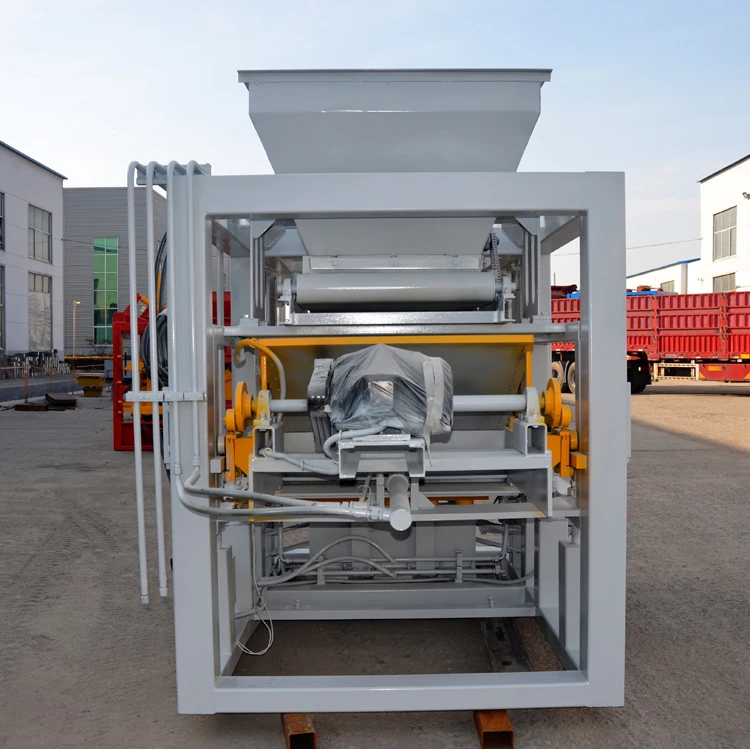

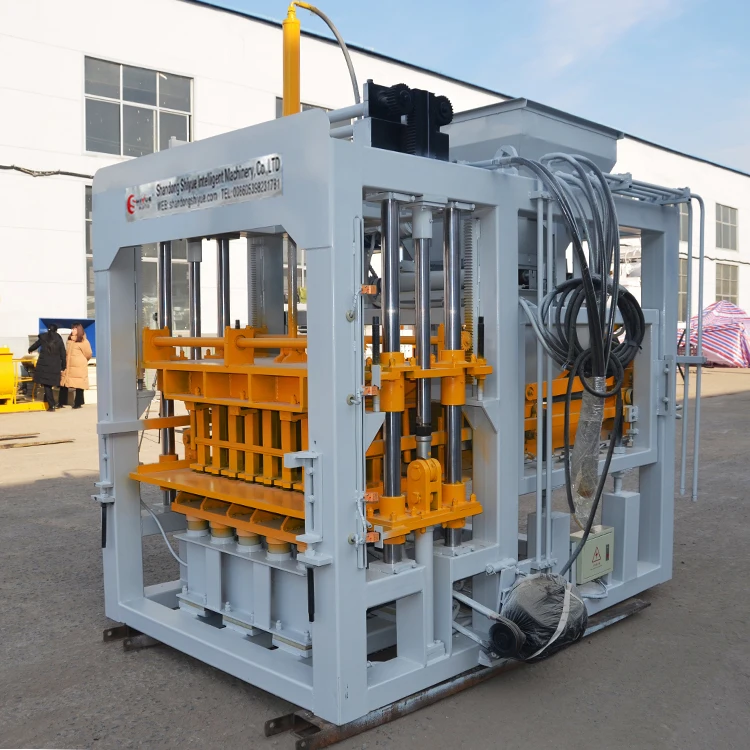
Description
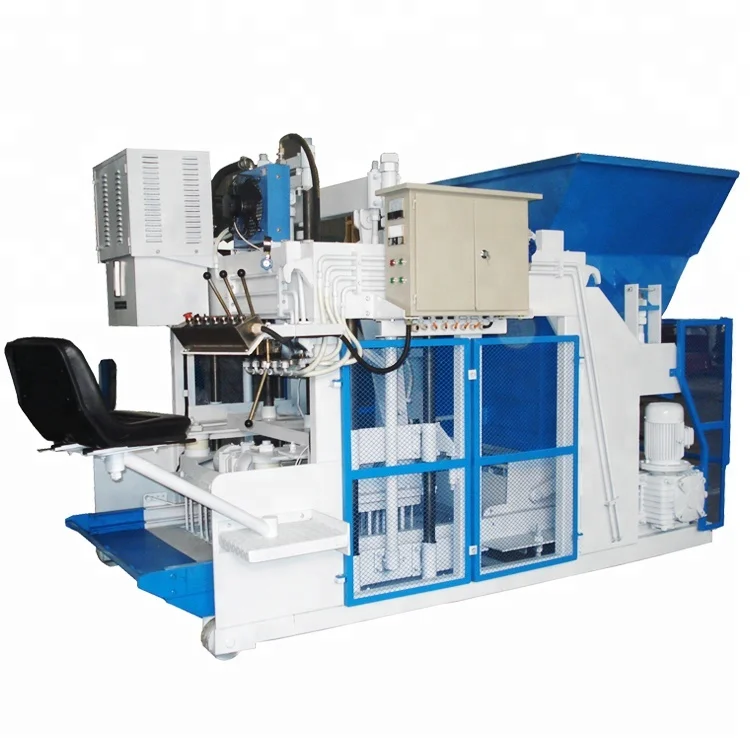
Rapid Dispatch — The QT5-15 block machine in stock is ready for container loading with arrival timing quoted before you commit, keeping your project deadline intact.
Technical Specifications
| Parameter | Value |
|---|---|
| Model | QT5-15 |
| Product Type | Hydraulic Block Making Machine |
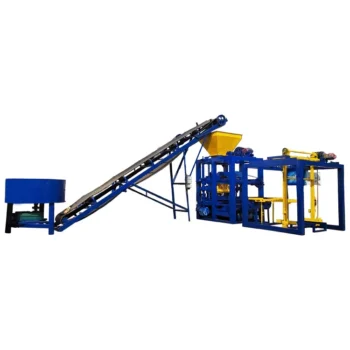
| Overall Dimensions | 7400 × 1950 × 2800 mm |
| Total Mass | 5000 kg |
| Vibration Frequency | 0–60 Hz |
| Vibration Form | Platform Vibration |
| Vibration Force | 80 kN |
| Moulding Mode | Automatic loading with vibration moulding |
| Demolding Method | Hydraulic |
| Hydraulic System | Independent integrated hydraulic station |
| Overall Power | 32 kW |
| Control System | PLC (Programmable Logic Controller) |
| Pallet Size | 1100 × 550 mm |
| Molding Cycle | 15–20 s (basis not stated in source — confirm block format / material / thickness) |
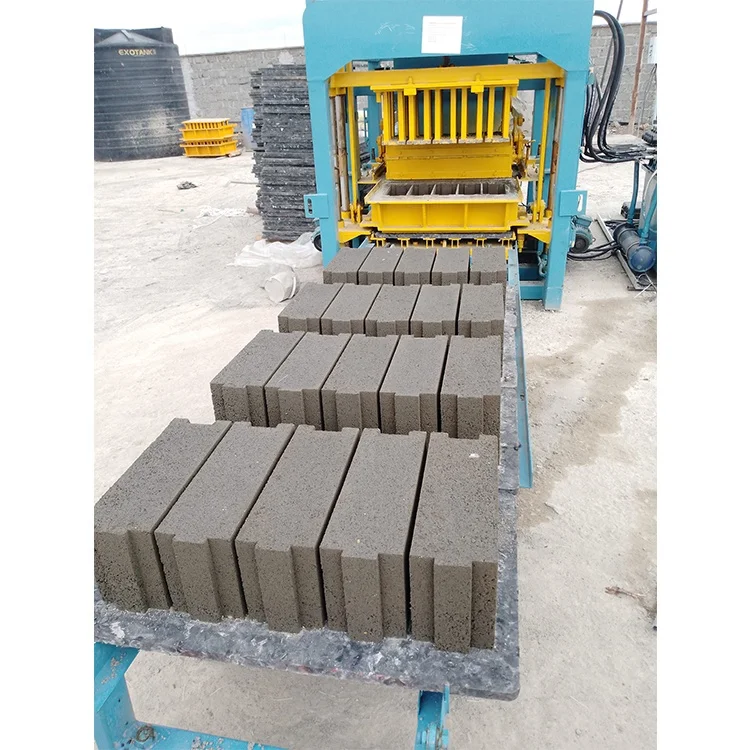
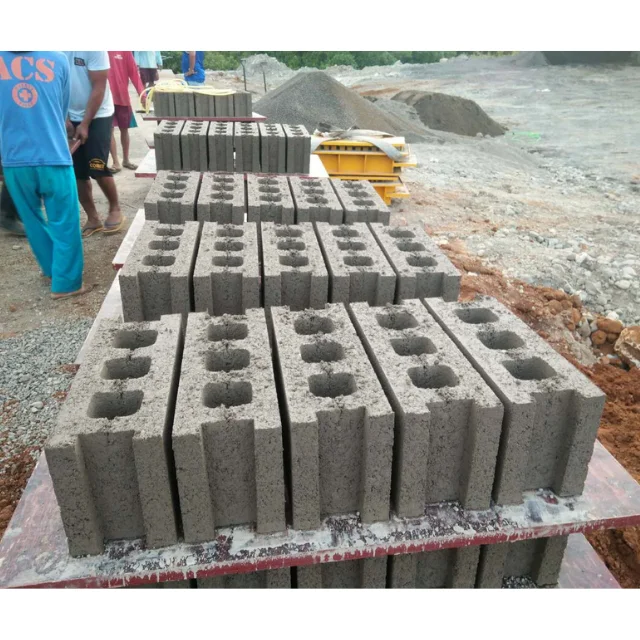
| Output: Hollow block 400×200×200 mm | 900–1200 pcs/h, 7200–9600 pcs/8hr |
| Output: Hollow block 400×150×200 mm | 1080–1440 pcs/h, 8640–11520 pcs/8hr |
| Output: Solid brick 240×115×53 mm | 5760–7680 pcs/h, 46080–61440 pcs/8hr |
| Output: Rectangular paver 200×100×60 mm | 3600–4500 pcs/h (cycle 20–25 s), 28800–36000 pcs/8hr |
| Output: Zigzag paver 225×112.5×60 mm | 2304–2880 pcs/h (cycle 20–25 s), 18432–23040 pcs/8hr |
| Factory Area Required | 1000 m² |
| Automation Level | Automatic (pallet feeding, material feeding, vibrating, demoulding) |
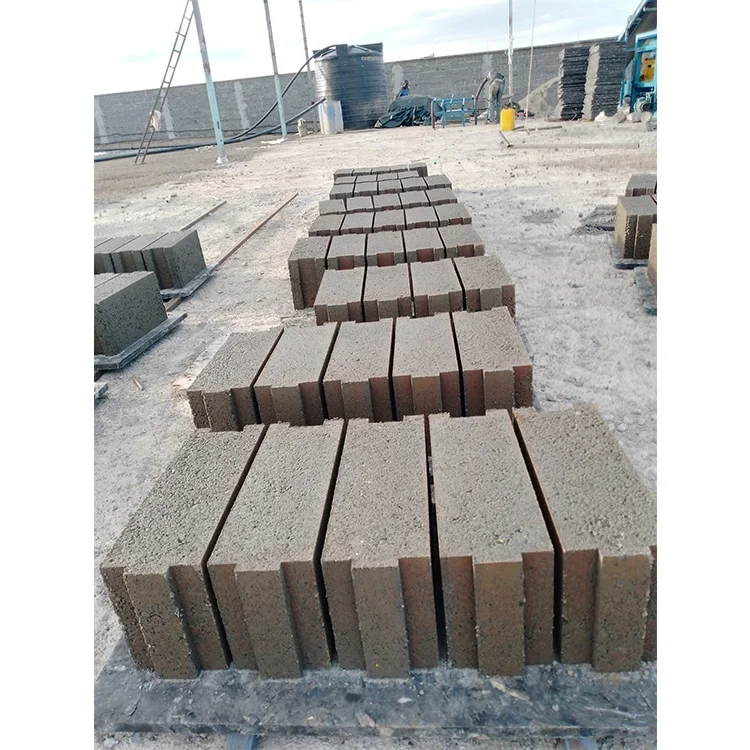
| Compressive Strength of Blocks | More than 15 MPa |
| Raw Material Compatibility | Fly ash (up to 70%), slag, gangue, sand, crushed stone, cement, water |
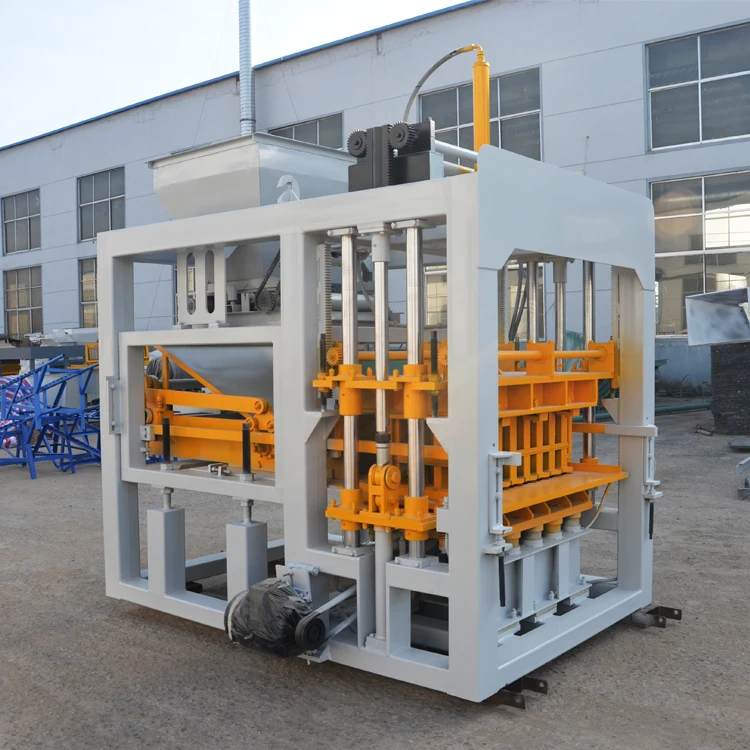
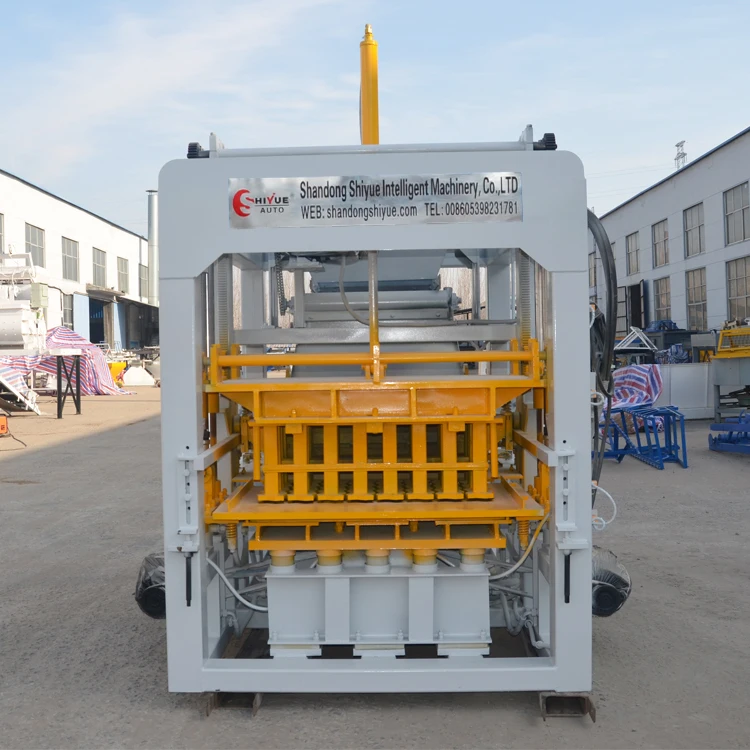
| Mould Change System | Simple mould replacement for multi-format production |
| Certification | CE (source value — verify against manufacturer catalog) |
| Warranty | 1 year (excluding spare parts) |
Application Suitability
| Application | Material or Output |
|---|---|
| Hollow block production | Crushed stone, sand, cement, fly ash blends for 400×200×200 mm and 400×150×200 mm formats |
| Solid brick production | Sand, crushed stone, and cement mixes for 240×115×53 mm standard bricks |
| Rectangular paver production | High-strength aggregate and cement for 200×100×60 mm paving units |
| Zigzag interlocking paver | Crushed stone and cement blends for 225×112.5×60 mm interlocking profiles |
| On-site contractor block making | Local river sand, fly ash, or slag with cement for project-specific formats |
| Building material distribution | Multi-format output from a single press using quick mould replacement |
What "Fast Delivery" Actually Means for a QT5-15 Block Machine in Stock
A stocked QT5-15 block machine in stock leaves our yard on a confirmed dispatch date — not an estimated production window that slips week after week.
When a contractor in East Africa ordered a mid-tier hydraulic block press based on a brochure lead time, the machine sat in production backlog while the building phase stalled. Two weeks turned into five. The crew was on-site, the curing area was ready, but the press had not left the factory floor. That delay cost more than the machine itself [NEED_CITE: typical construction project delay penalties for equipment delivery failures]. With the QT5-15 block machine in stock, the conversation starts with a dispatch date and a container loading plan, not a production queue.
Dispatch Lead Time That Holds Up
The QT5-15 block machine in stock ships as a stocked or standard-build unit with a firm dispatch date quoted at the point of order. Container loading is planned around the machine’s 7400 × 1950 × 2800 mm overall dimensions and 5000 kg total mass, with dismantling details confirmed so you know exactly what arrives and what needs reassembly on-site. Buyers working against a committed project timeline need arrival timing, not a production estimate that shifts when another order jumps the queue.
Arrival Estimate Quoted Before You Pay
Ocean transit time depends on the destination port, but the estimate is stated before the order is confirmed — not after the deposit clears. The container loading plan covers how the hydraulic station, PLC cabinet, and mould assemblies are secured for shipment [NEED_CITE: standard container loading procedures for heavy industrial machinery]. This means your customs broker receives packing photographs and documentation while the vessel is still in transit, avoiding clearance delays at the port of entry.
Matching the Pallet and Power to Your Site Before Shipment
The 1100 × 550 mm pallet size must align with your existing curing area and forklift capacity. If your curing racks were built around a different pallet dimension, blocks will need manual re-stacking — a bottleneck that erases the advantage of fast delivery. Voltage, frequency, and PLC display language are confirmed before the QT5-15 block machine in stock leaves the factory, so the 32 kW power system matches your local grid and operators can read the interface on day one.
How Vibration Force and Hydraulic Pressure Shape Block Density
The 80 kN vibration force combined with independent hydraulic demolding produces blocks rated above 15 MPa compressive strength — but only when the vibration frequency (0–60 Hz) and hydraulic pressure are matched to the buyer’s actual mix design. A river sand with high clay content absorbs vibration differently than clean crushed stone, which means the same cycle settings produce weaker blocks if the mix is not tested first. The platform vibration system transfers energy through the pallet, so pallet material stiffness directly influences how much force reaches the mould cavity. The independent integrated hydraulic station sits isolated from vibration and dust, which protects seal life and keeps demolding pressure consistent across every cycle [NEED_CITE: hydraulic seal failure rates in dusty block production environments].
The Cost of Skipping Dispatch Confirmation
When a buyer commits to a machine without confirming stocked versus build-to-order status, the arrival window becomes an assumption rather than a plan. A construction crew standing idle while waiting for a delayed press burns labour costs every single day. If voltage and PLC language are not locked in before production, the machine may arrive with an interface the operators cannot read and a motor rated for the wrong frequency — turning a fast delivery into a slow commissioning nightmare [NEED_CITE: electrical commissioning delays caused by voltage mismatch in export machinery].
Why Buyers Order the QT5-15 From This Stock Point
The QT5-15 is quoted as one matched system — press, mould, pallet, and handling — so nothing arrives that does not fit the rest. Dispatch lead time, container loading, and machine dismantling are addressed before the order, not discovered after. Capacity is stated per block format (hollow, solid, paver) so the numbers you plan against match the blocks you actually produce. Voltage and control language are confirmed before the machine ships. Packing photographs and customs documentation are provided to support smooth import clearance at your destination port.
Documentation & Verification
- Factory test record run on your specified block format before dispatch
- Voltage, frequency, and PLC language confirmation sheet signed prior to shipment
- Container loading plan showing dismantling points and securing method
- Packing photographs taken at the yard before container doors close
- Customs documentation package prepared for your import broker
Installation, Commissioning & Support
- The 7400 × 1950 × 2800 mm frame requires a level concrete pad within the 1000 m² factory area
- 32 kW total power demands a dedicated circuit matching your confirmed voltage and frequency
- Hydraulic station and PLC cabinet arrive pre-wired and reconnect at marked terminals
- Mould change procedure trained on-site so operators handle format swaps independently
- First production run supervised until block density and cycle timing match the test report
- Wear parts list and hydraulic seal kit identified before the machine leaves the yard
What We Need to Confirm Your Dispatch Date
To lock in a dispatch date for the QT5-15, provide your target block format, the local aggregate and sand type available at your site, and your local voltage and frequency standard. Share the pallet dimensions your curing area and forklift already handle, along with your destination port so we can quote an arrival estimate. If you have an existing mixer or batching system, let us know the model so we can confirm feed compatibility before the machine ships.
Frequently Asked Questions
Q: Is the QT5-15 currently in stock or built to order, and what is the dispatch lead time?
A: Availability depends on current yard inventory and recent orders. We confirm stocked versus standard-build status at the point of inquiry and quote a firm dispatch date before you commit. If the unit is in stock, it moves to container loading directly. If a standard build is required, the lead time is stated upfront so your project schedule can account for it.
Q: How is the machine dismantled and loaded for container shipment?
A: The QT5-15 is dismantled at defined separation points — hydraulic station, PLC cabinet, and mould assembly — to fit standard container dimensions. A loading plan is provided showing how each component is secured. Packing photographs are taken before the container doors close so you can verify condition and completeness on arrival.
Q: What arrival estimate can I expect based on my destination port?
A: Ocean transit time varies by port and shipping line. We state the estimated arrival date based on the dispatch date and your confirmed destination before the order is placed. This allows your customs broker and site crew to prepare in advance rather than reacting after the vessel has already departed.
Q: Are voltage, frequency, and PLC language confirmed before the machine leaves the factory?
A: Yes. Your local voltage, frequency, and preferred PLC display language are confirmed during the quotation stage and verified again before production or dispatch. This prevents commissioning delays caused by electrical mismatch or an interface the operators cannot read on first startup.
Q: What customs documentation and packing support do you provide for import clearance?
A: We supply a complete customs documentation package including commercial invoice, packing list, bill of lading support, and CE declaration where applicable. Packing photographs and container loading records are included so your broker can process clearance without requesting additional information after arrival.