Description
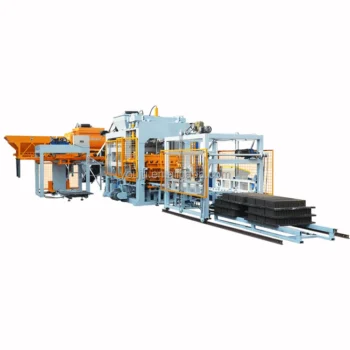
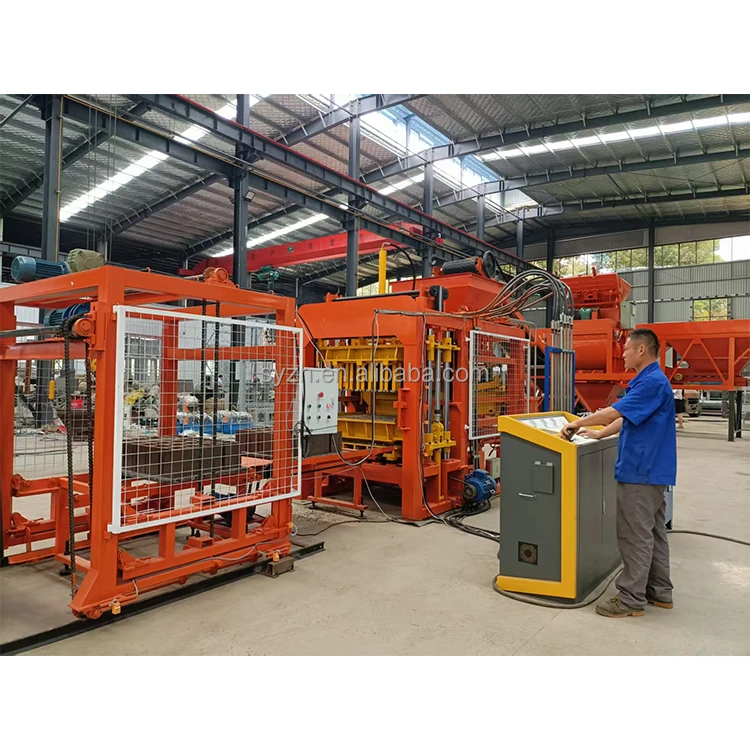
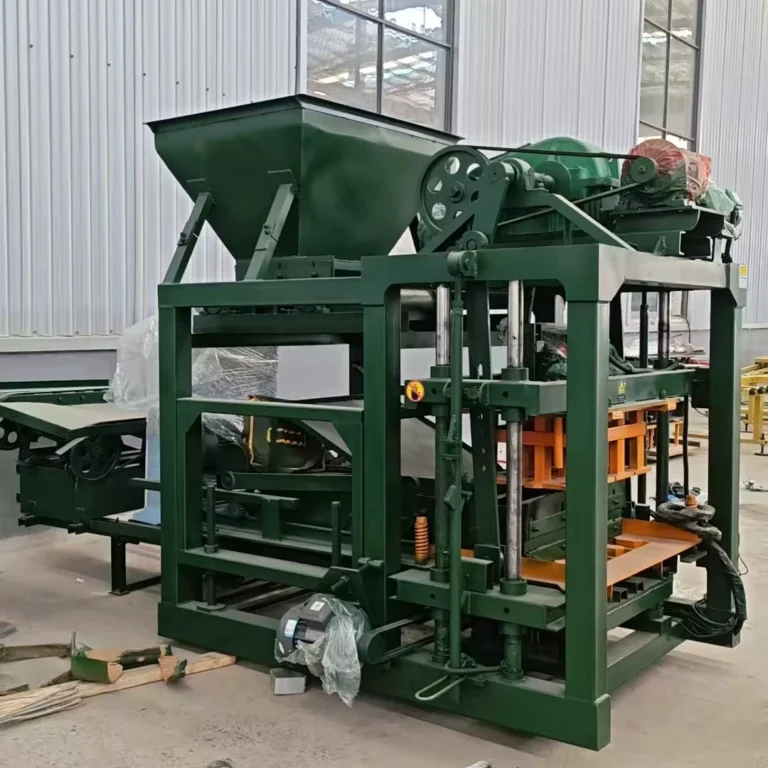
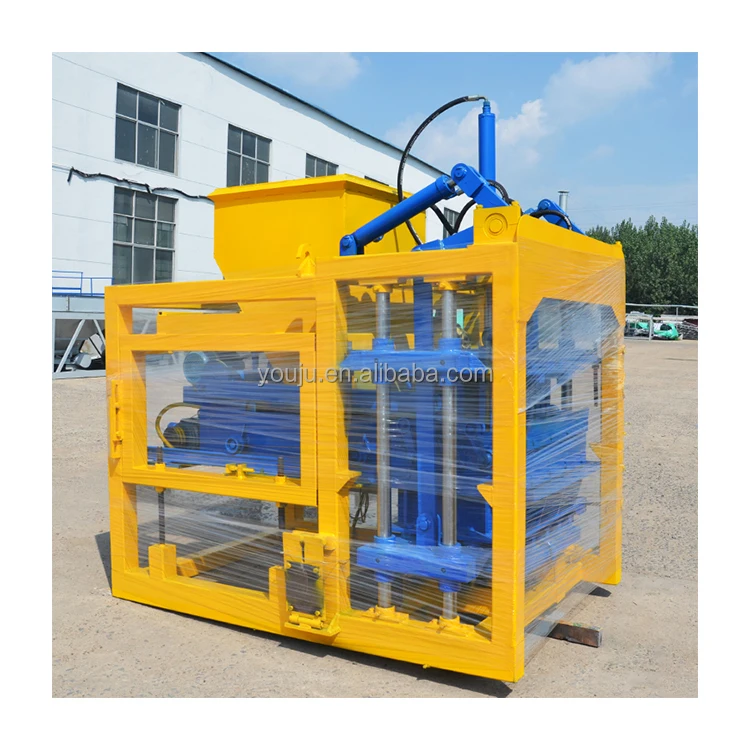
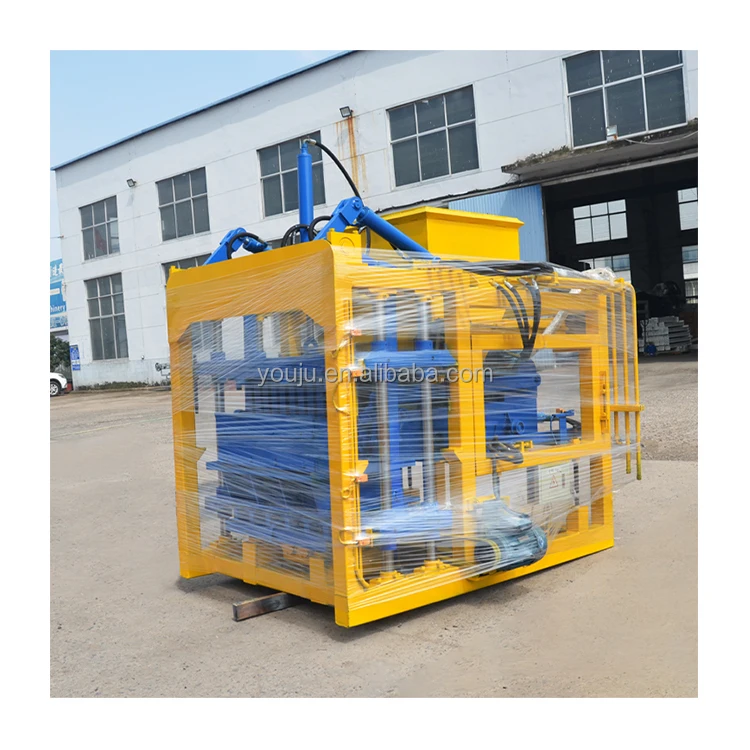
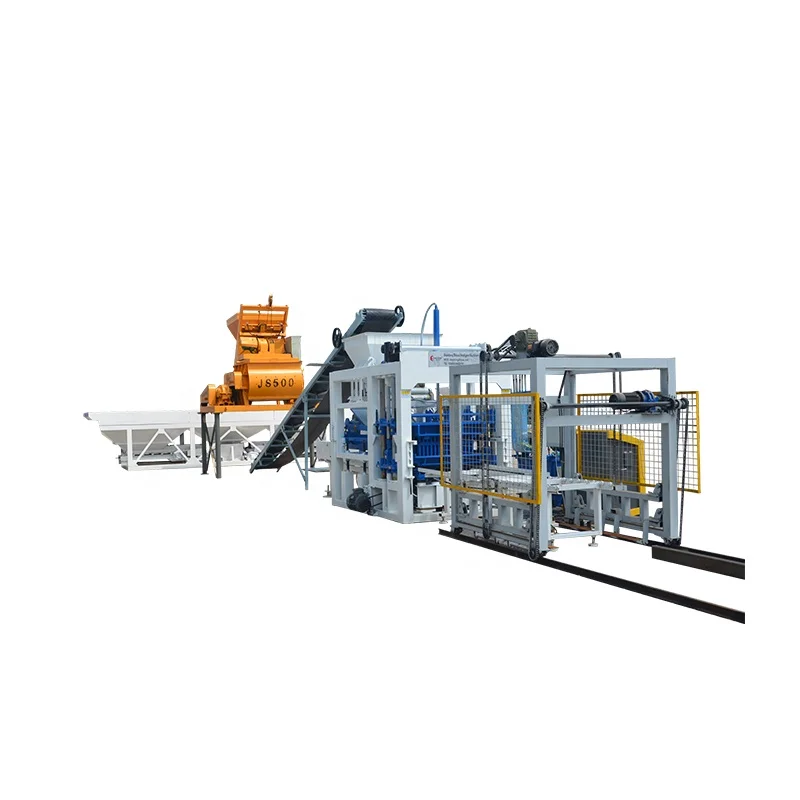
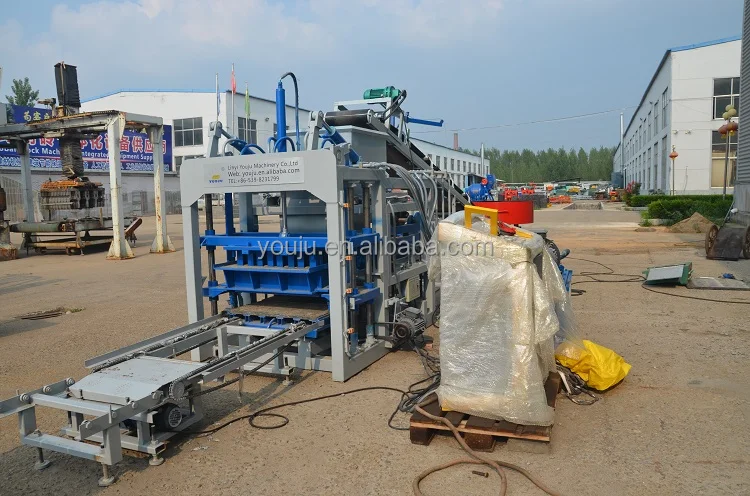
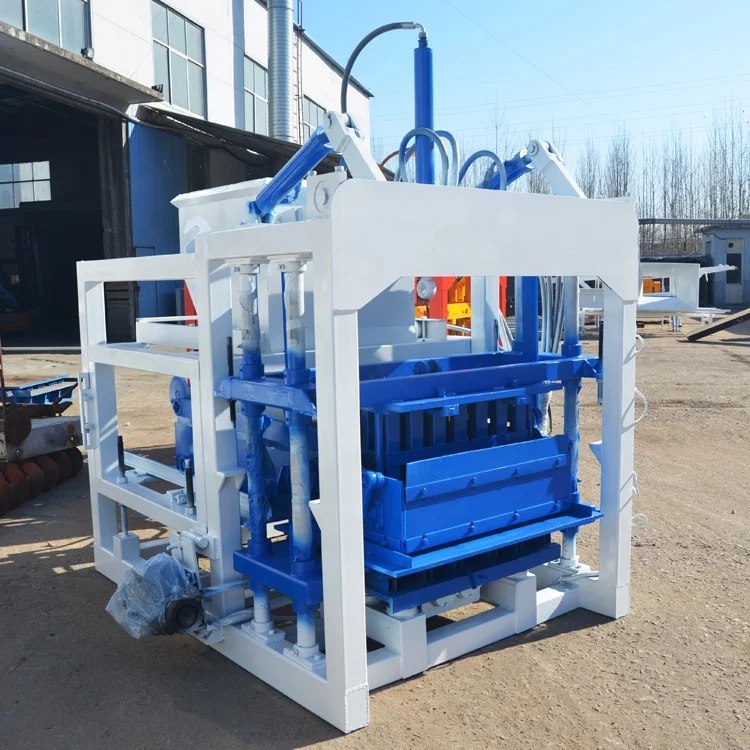
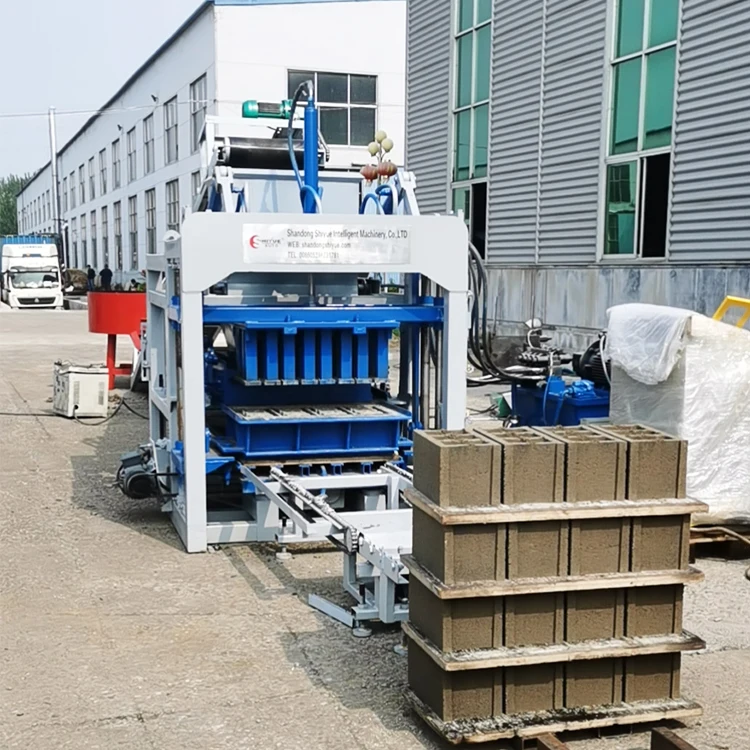
Single-Focus Machinery Line — The QT4-15A is specified as a complete press and supporting system rather than a standalone machine, with pallet feeder, stacker and mixer confirmed in the build before dispatch.
Technical Specifications
| Parameter | Value |
|---|---|
| Model | QT4-15A |
| Product Type | Automatic Concrete Block Making Machine |
| Overall Dimensions | 7100 x 1600 x 2610 mm |
| Rated Pressure | 16 MPa |
| Vibration Form | Platform Vibration |
| Pallet Size | 1020 x 570 mm |
| Molding Cycle | 15-25 s (basis to be confirmed) |
| Overall Power | 27.5 kW |
| Control System | PLC electronic console |
| Voltage & Frequency | Configurable before shipment |
| Key Features | Hydraulic-driven pallet feeder, block conveyor included, one free hollow mould |
Application Suitability
| Application | Material or Output |
|---|---|
| Hollow block production | Concrete mix with cement, sand, crushed stone or fly ash |
| Solid block manufacturing | Dense aggregate and cement blends for load-bearing walls |
| Paving block and kerbstone | High-strength mix designs subject to mould configuration |
| On-site contractor production | Temporary or fixed plant setups with batching plant and pan mixer |
Why the Arrival Date Matters More Than the Cycle Time
Stocked QT4-15A units with a confirmed dispatch window eliminate the most common delay in block plant setup: waiting for a production slot to open.
Buyers working to a project deadline often compare machines by the molding cycle printed in the brochure, only to discover the unit they ordered is eight weeks from build start. With this QT4-15 automatic block making machine in stock, the conversation shifts from "when can we start building it" to "when can we load the container." The lead time is quoted from order confirmation, not from a speculative queue position [NEED_CITE: typical lead times for block machinery built to order versus stocked units].
Dispatch Timeline and Container Loading Plan
Once an order is confirmed, the stocked QT4-15A is prepared for dismantling and container loading without waiting for a production run to finish. The machine is partially disassembled to fit standard container dimensions, and each component is photographed before crating. This QT4-15 automatic block making machine in stock ships with the supporting equipment — pan mixer, belt conveyor, and stacker — loaded in the same container or a paired container so nothing arrives weeks later on a separate vessel.
What Arrives Together and What Does Not
A block press standing alone in a yard cannot produce a single unit. The QT4-15A listing clarifies which supporting items ship with the press: the JQ500 pan mixer, an 8 m belt conveyor, a stacker, block clamper, and a trolley. The cement silo and batching plant are listed separately, so the buyer knows exactly which ancillary items to source locally or add to the order before the container door closes [NEED_CITE: common shipment mismatches when supporting equipment is assumed included].
Reading the Specification Sheet for Real Output
The rated pressure of 16 MPa combined with platform vibration determines how densely the concrete is compacted into the mould. A higher vibration force paired with insufficient hydraulic pressure produces blocks that look solid at the surface but crumble at the core — a failure pattern I have seen on sites where the mix was adjusted to compensate for weak compaction rather than fixing the machine setting. The 1020 x 570 mm pallet size must match the curing racks and forklift tines the buyer already operates; a mismatch here means pallets cannot be moved mechanically, forcing manual handling that slows the entire line. The overall power rating of 27.5 kW lets the site electrician confirm whether a dedicated circuit is needed or whether the existing panel can absorb the load without voltage drops that trip the PLC mid-cycle.
The Hidden Cost of an Unconfirmed Voltage
When voltage and frequency are left to a default setting and discovered only after the container is opened, commissioning stalls until a transformer or frequency converter is sourced locally. The QT4-15 automatic block making machine in stock can be configured for the destination market’s standard before it leaves the factory — but only if the buyer states the requirement before the dispatch date. A three-day delay to rewire a control cabinet at the factory is far shorter than the two-week delay of finding compatible electrical components at a remote project site [NEED_CITE: voltage and frequency standards by export market].
Why This Listing Removes the Guesswork
Block machinery is the single product focus here, so the QT4-15A is quoted as a matched system — press, mould, pallet, and handling — rather than assembled from separate supplier catalogues. The dispatch lead time is confirmed at the point of order, not estimated from a production schedule that shifts with every new contract. Every machine leaves with a factory test record run on the buyer’s chosen hollow mould, and packing photographs are provided so the buyer can verify container loading against a written list before the seal is applied.
Documentation & Verification
- Factory test record on the buyer’s target hollow mould before container loading
- Hydraulic and electrical schematic matching the as-built configuration
- Voltage and PLC display language confirmed in writing before dispatch
- Packing photographs and component list for customs clearance
- Operation and maintenance manual with wear parts catalogue
Installation, Commissioning & Support
- Foundation pad sized to the 7100 x 1600 mm machine footprint with anchor bolt template
- Dedicated 27.5 kW circuit with confirmed voltage and frequency before energizing the PLC
- Partial dismantling for shipment reassembled on site with alignment checks on the vibration platform
- First-run parameter adjustment for local aggregate and mix design with operator present
- Operator training on mould change procedure and daily pallet inspection routine
- Wear parts list and mould catalogue provided for first replacement order planning
Sending a Productive Inquiry
Buyers evaluating the QT4-15 automatic block making machine in stock should share the target block format, the local aggregate type and source, and the site’s confirmed voltage and frequency. Including the curing area dimensions and the pallet handling equipment already on site allows the supporting equipment list to be matched before the order is finalized. If the project deadline is fixed, state the required on-site date so the dispatch and shipping window can be verified against it.
Frequently Asked Questions
Q: Is the QT4-15A currently in stock or built to order?
A: This listing refers to stocked units prepared for dispatch without entering a production queue. The exact quantity and available mould configurations are confirmed at the point of inquiry, and the dispatch timeline is quoted from the order confirmation date rather than from a future build slot.
Q: What is the dispatch lead time from order to container loading?
A: Stocked machines are dismantled, photographed, and loaded within a timeframe quoted in writing before the order is finalized. The timeline includes partial dismantling for container fit and paired loading of supporting equipment so the full line arrives on the same vessel.
Q: Which supporting items ship with the machine?
A: The JQ500 pan mixer, 8 m belt conveyor, stacker, block clamper, and trolley are listed as included. The cement silo and batching plant are separate line items. Confirming this split before ordering prevents gaps when the container arrives.
Q: Can the electrical system be configured for my market before shipment?
A: Voltage, frequency, and PLC display language are confirmed during the order process and set before the machine leaves the factory. Providing these details early avoids commissioning delays caused by incompatible control components at the destination site.