


Description
Fast-dispatch block press — the QT4-15 ships from stock or within a standard production window, with container loading plans and port-to-port transit estimates confirmed at quotation stage rather than after the deposit is paid.
Technical Specifications
| Parameter | Value |
|---|---|
| Product Type | Automatic Concrete Block Making Machine |
| Model | QT4-15 |
| Overall Dimensions (L×W×H) | 7100 × 1600 × 2610 mm |
| Rated Pressure | 16 MPa |
| Vibration Form | Platform Vibration |
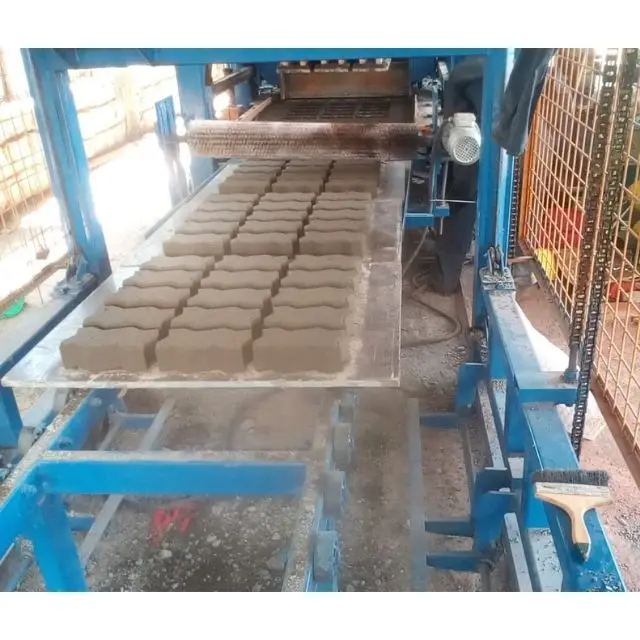
| Pallet Size | 1020 × 570 mm |
| Molding Cycle | 15–25 s (basis not stated in source — confirm block format, material and thickness) |
| Overall Power | 27.5 kW |
| Control System | PLC electronic console |
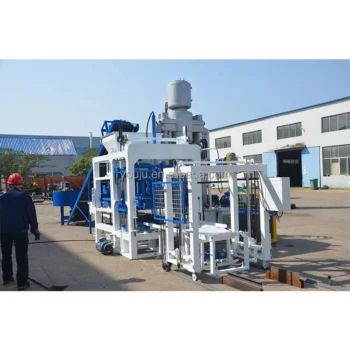
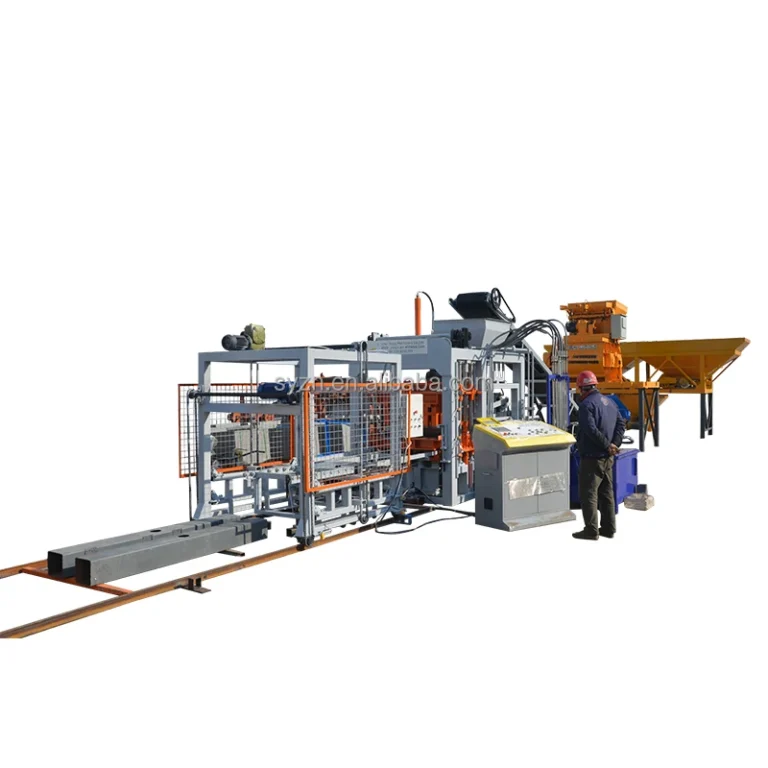
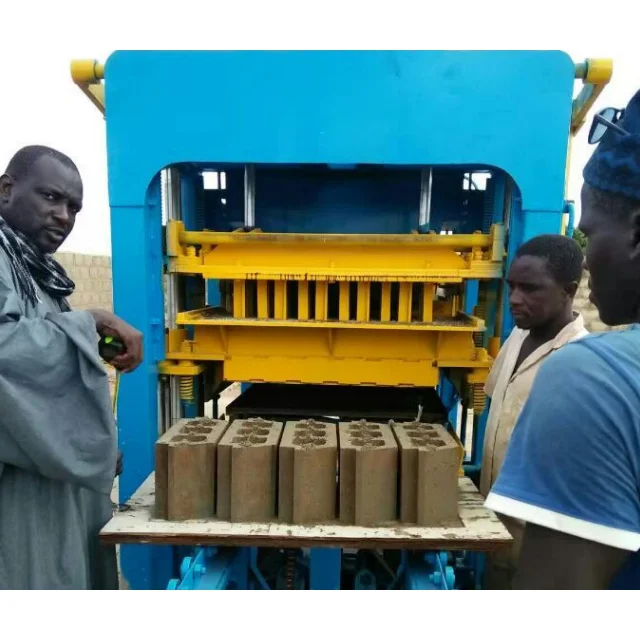
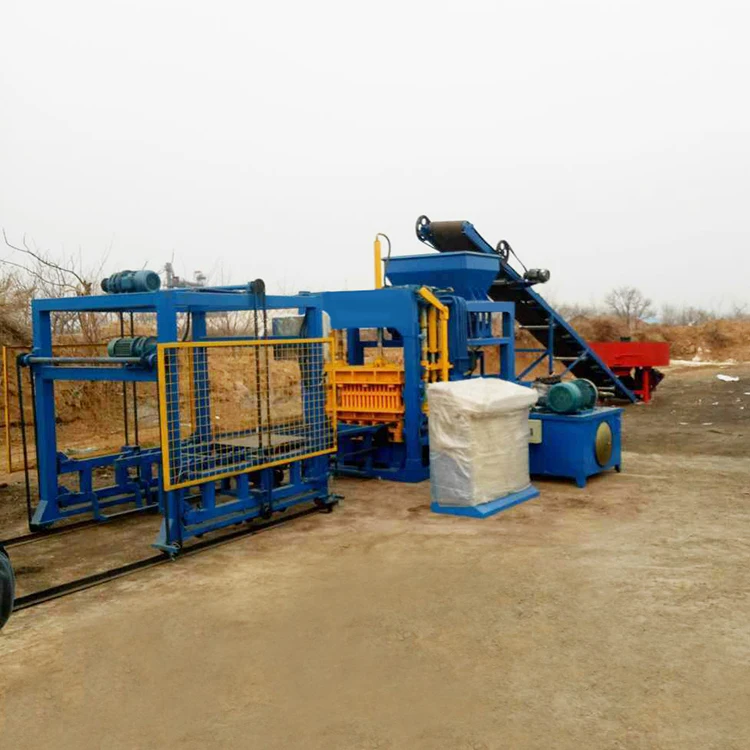
| Composition | Mixer, pallet conveyor, molding machine, block conveyor, hydraulic station, electronic console |
| Material Feeder System | Hopper, feeding box, feeding platform, conveyor system |
| Molding System | Frame, vibrating platform, moulds, synchronizing mechanism system |
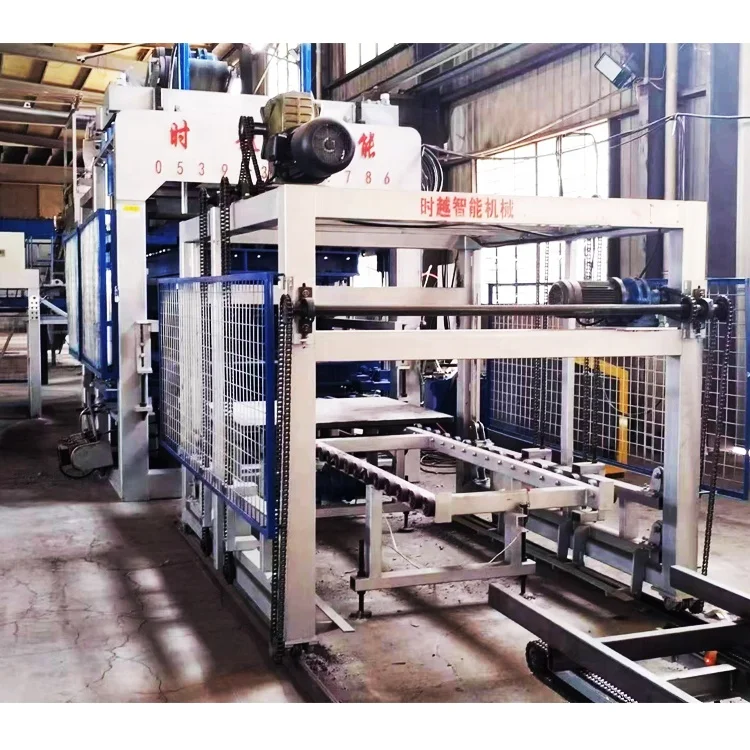
| Block Receiver | Frame, convey system, idler wheels, motor, reducer, triangle belt |
| Pallet Feeder Power Source | Hydro-cylinder |
| Voltage & Frequency | Configurable per destination market (basis to be confirmed before dispatch) |
| Net Weight | (basis to be confirmed) |
| Automation Level | Automatic, with manual mould change procedure |
| Mould Change Method | Manual bolt removal — M24 bolts for mould box, four bolts for upper mould |
| Compatible Mould Formats | Interlocking, hollow, paving (including grass paver) |
Application Suitability
| Application | Material or Output |
|---|---|
| Hollow block production for structural walls | Crushed stone, sand, cement and water blends |
| Interlocking brick manufacturing | Concrete mixes suited to dry-cast vibration pressing |
| Paving block and grass paver production | Aggregate-cement blends compacted on 1020 × 570 mm pallets |
| On-site block production for housing projects | Locally sourced aggregates matched to mixer output |
| Fixed plant manufacturing with curing yard | Continuous run supported by pallet conveyor and block receiver |
What the Molding Cycle Number Leaves Out When You Order an Automatic Block Machine in Stock
Cycle time only matters once you know which block format it was measured against.
I once stood on a site in the Gulf watching a QT-class automatic block machine run well below the quoted cycle rate. The seller had promised a 15-second cycle, but nobody had asked which block that figure assumed. The contractor was producing 200 mm hollow blocks with a local aggregate high in fines, and the mix demanded longer vibration and higher pressure just to hold together. The machine itself was fine — the specification conversation had simply stopped too early. That gap between quoted cycle and real-world output is the single biggest source of deadline slippage I see on fast-tracked projects. When you are evaluating an automatic block machine in stock for a project with a fixed start date, the cycle time must be tied to your exact format, wall thickness and mix design, not left as a catalogue default [NEED_CITE: block cycle time dependency on format and mix design].
Dispatch Timing That Matches Your Project Calendar
The QT4-15 is positioned as a stocked or standard-lead model, which means the gap between purchase order and container departure is measured in days or weeks rather than months. For contractors working backward from a site handover date, this matters more than any single parameter on the spec sheet. The dispatch schedule is confirmed alongside the quotation, so the buyer can lock the shipping window before committing the deposit. An automatic block machine in stock removes the most variable lead-time element from the procurement chain and lets the logistics plan start from a known date.
Container Loading and Dismantling for Shipment
At 7100 mm in length the QT4-15 main frame does not fit inside a standard 40-foot container in one piece. The machine is therefore dismantled into shipping modules — molding unit, hydraulic station, mixer, pallet conveyor and block receiver are separated and secured against movement. Packing photographs are taken before the container doors close, giving the buyer a visual record for insurance and customs clearance. Standard moulds and pallets ride in the same container where space allows, reducing the number of separate shipments a first-time plant needs to coordinate.
Reading the Numbers That Actually Affect Daily Output
The 16 MPa rated pressure and platform vibration work together to compact the concrete mix inside the mould cavity; pressure alone without sufficient vibration leaves voids, while vibration without adequate pressure produces blocks that slump on de-moulding. The 1020 × 570 mm pallet size sets the footprint of every curing rack you build and the fork truck capacity you need on site — get this wrong and you end up replacing material handling equipment before the first production run. The 27.5 kW overall power figure covers the full composition including mixer, conveyors and hydraulic station, which means the electrical supply must support the combined load at start-up, not just steady-state pressing. Mould change uses M24 bolts on the mould box and four bolts on the upper mould, a manual procedure that keeps the machine price within the reach of smaller plants but requires a planned changeover window rather than a mid-shift swap [NEED_CITE: hydraulic pressure and vibration force matching in block pressing].
The Cost of Skipping the Voltage Conversation
An automatic block machine in stock that arrives with the wrong voltage or frequency sits idle until a transformer is sourced or the motor is rewound — a delay that can stretch into weeks on remote sites. I have seen projects lose an entire commissioning window because the PLC display language was not confirmed before the machine left the factory, leaving operators staring at error codes they could not read. The cost is not just the rewinding bill; it is the idle crew, the rented equipment standing unused, and the credibility hit with the project owner. Confirming voltage, frequency and control language at the quotation stage costs nothing and protects the entire installation schedule [NEED_CITE: industrial voltage and frequency standards by export destination].
Why Sourcing This Model Through a Block-Machinery Specialist Matters
Block machinery is the sole product focus here, so the QT4-15 is specified as one matched system — press, mould, pallet and conveyor — rather than assembled from unrelated suppliers. Configuration is set against the buyer’s actual mix design and target block format, not a catalogue default, which keeps the molding cycle realistic from day one. Mould design covers the formats the buyer’s market actually sells, and custom mould drawings can be produced when standard formats do not fit. Automation level is selectable, so a buyer can start with the QT4-15 automatic line and add stacking or cubing modules later. Installation support includes operator training on the PLC console and manual mould change procedure, reducing the time between container opening and first saleable block.
Documentation & Verification
- Line layout drawing showing QT4-15 station positions and pallet flow path
- Machine specification sheet with confirmed voltage, frequency and PLC language
- Mould drawing and format list for every cavity ordered
- Factory test record on buyer’s target block format before dispatch
- Hydraulic and electrical schematic for on-site troubleshooting
- Packing photographs taken before container doors close
Installation, Commissioning & Support
- Foundation must support 7100 × 1600 mm footprint with level tolerance for platform vibration
- Dedicated electrical circuit sized for 27.5 kW combined load at motor start-up surge
- Machine arrives dismantled; reassembly covers molding unit, hydraulic station and conveyors
- First run validates PLC console parameters against buyer’s mix and block format
- Operator training includes manual M24 bolt mould change and pallet feeder hydro-cylinder use
- Wear parts list covers hydraulic seals, vibration springs and conveyor belts
Preparing Your Inquiry
Share the block formats your market sells, the local aggregate type available, and the daily volume you need to sustain. Confirm your site voltage and frequency, the PLC display language your operators read, and whether you already have pallets and curing racks on site. If you are working to a fixed project start date, state that date so the dispatch and transit estimate can be built backward from it.
Frequently Asked Questions
Q: Is the QT4-15 currently in stock or built to order?
A: The QT4-15 is held as a standard-lead model. Specific stock status and the dispatch window available at the time of your inquiry are confirmed during the quotation stage, along with the container loading plan and estimated transit time to your destination port.
Q: How is the machine loaded into a shipping container?
A: The QT4-15 is dismantled into shipping modules — molding unit, hydraulic station, mixer, conveyors — and secured inside the container. Standard moulds and pallets are included in the same container where space permits, and packing photographs are taken before loading is completed.
Q: Can arrival time be estimated before I place the order?
A: Yes. Port-to-port transit time is calculated from the dispatch port to your destination and included in the quotation. This lets you align the machine arrival with your site preparation and crew mobilization schedule.
Q: Is the voltage and frequency adjustable to my local supply?
A: Voltage and frequency are configured to match the buyer’s destination market and confirmed in writing before the machine enters final assembly. The PLC display language is also set at this stage so operators can read the console from the first production shift.
Q: Which mould formats ship with the machine by default?
A: The QT4-15 is quoted with mould formats matching the buyer’s target products — interlocking, hollow, paving or grass paver. Additional moulds can be included in the same container if ordered before the packing plan is finalized.