

Description
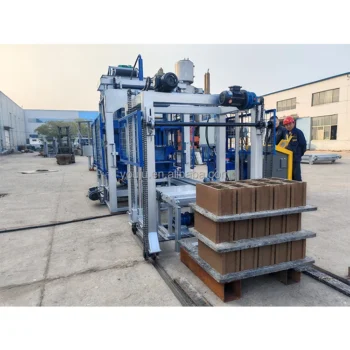
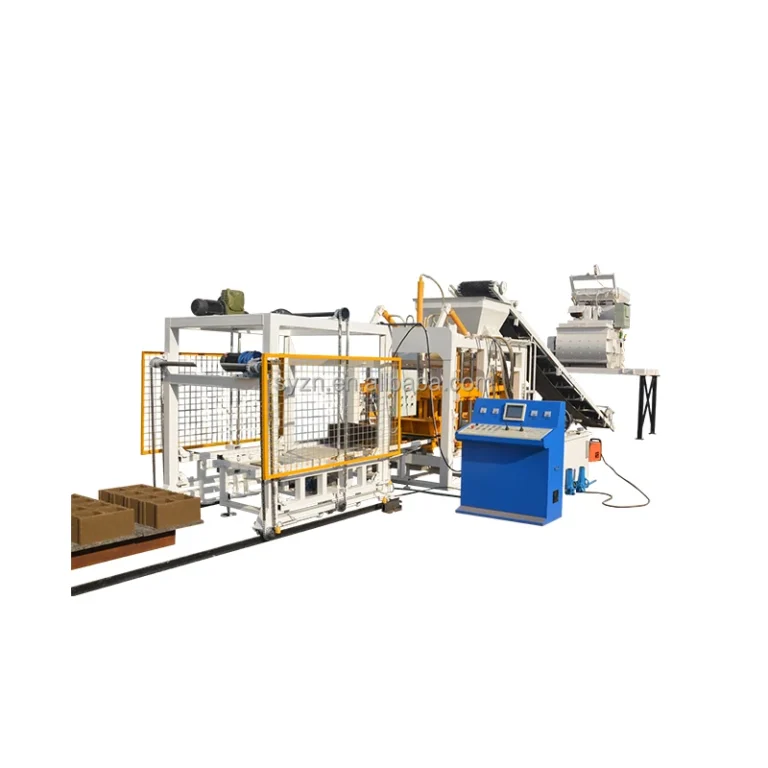
Fast Dispatch — Lead time is quoted against real stock, not a factory promise, so you know when the QT4-15 block making machine in stock leaves the yard.
Technical Specifications
| Parameter | Value |
|---|---|
| Model | QT4-15 |
| Product Type | Hydraulic Block Making Machine |
| Control System | PLC |
| Automation Level | Automatic (PLC controlled, hydraulic powered) |
| Molding Cycle | 15-30s |
| Vibration Type | Platform vibration |
| Vibration Frequency | 50-70Hz |
| Overall Power | 24.5kW |
| Pallet Size | 900x500mm |
| Product Height Range | 50-220mm |
| Demolding Method | Hydraulic |
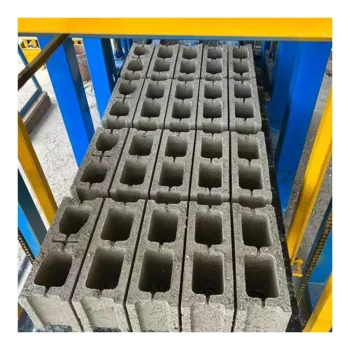
| Mould Format | Hollow block, paver, solid brick (interchangeable moulds) |
| Output (hollow block 400x200x200mm) | 900-1200 pcs/h, 7200-9600 pcs/8hr (basis stated per format in source) |
| Output (hollow block 400x150x200mm) | 1080-1440 pcs/h, 8640-11520 pcs/8hr (basis stated per format in source) |
| Output (hollow block 400x100x200mm) | 1440-1920 pcs/h, 11520-15360 pcs/8hr (basis stated per format in source) |
| Output (paver 200x100x60mm) | 2880-3840 pcs/h, 23040-30720 pcs/8hr (basis stated per format in source) |
| Output (solid brick 240x115x53mm) | 5930-6720 pcs/h, 47400-53700 pcs/8hr (basis stated per format in source) |
| Cycle Time per Format | 15-20s (basis stated per format in source) |
| Compressive Strength of Blocks | more than 15 MPa (source value — verify against manufacturer catalog) |
| Voltage & Frequency | (basis to be confirmed) |
| Hydraulic Pressure | (basis to be confirmed) |
| Vibration Force | (basis to be confirmed) |
| Overall Dimensions | (basis to be confirmed) |
| Net Weight | (basis to be confirmed) |
| Raw Material Compatibility | Fly ash, slag, gangue, sand, water, crushed stone, cement |
Application Suitability
| Application | Material or Output |
|---|---|
| Medium block production plants | Hollow block production from fly ash, slag, and cement |
| Construction contractors on-site | Solid brick manufacturing from crushed stone and sand |
| Paver and kerbstone manufacturing | Interlocking paver production from fine aggregate and cement |
| First block plant setup by entrepreneurs | Multiple format output using interchangeable moulds |
What "Cycles per Hour" Hides When Ordering a QT4-15 block making machine in stock
Capacity numbers mean nothing unless the block format and cycle time are written next to them.
A catalogue figure of "1500 blocks per hour" usually assumes a solid brick that a buyer may never intend to sell, leaving the actual daily hollow block output far below the figure the buyer used to justify the purchase. I have seen container loads of stationary block machines arrive on site, only for the buyer to realize the quoted output was based on a 40mm paver cycle, not the 200mm hollow block they actually need for their housing project [NEED_CITE: common misalignment between quoted machine capacity and actual block format requirements]. The capacity tables for this model separate the 400×200×200mm hollow block, the 200×100×60mm paver, and the 240×115×53mm solid brick, showing the cycle time and eight-hour output for each format individually.
Dispatch Timeline Quoted Before the Order is Placed
When a project contractor works to a completion deadline, the machine arrival date matters more than the sticker price. The dispatch lead time for this QT4-15 block making machine in stock is confirmed at the quotation stage, not after the deposit clears. Container loading plans and machine dismantling positions for shipment are worked out before the order, so the arrival estimate stays reliable through the logistics chain.
Stock Configuration Verified Against Site Voltage
I once shipped a hydraulic block machine wired for 380V/50Hz to a site that ran on 440V/60Hz; the motor burned on the first test, and the replacement parts sat in air freight for weeks while the project stalled. That mistake is not repeated here. Voltage and frequency are confirmed line-by-line before the machine leaves the factory floor, and the PLC display language is set to match the operator’s native tongue so commissioning starts on day one, not after a software update arrives by email [NEED_CITE: voltage and frequency standards by export market].
How Vibration Frequency and Pallet Size Shape the Daily Run
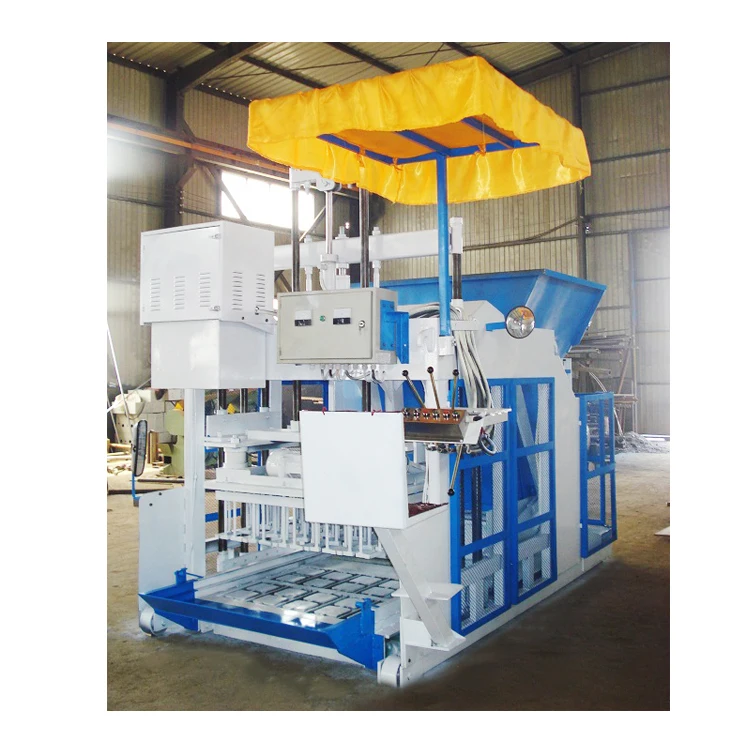
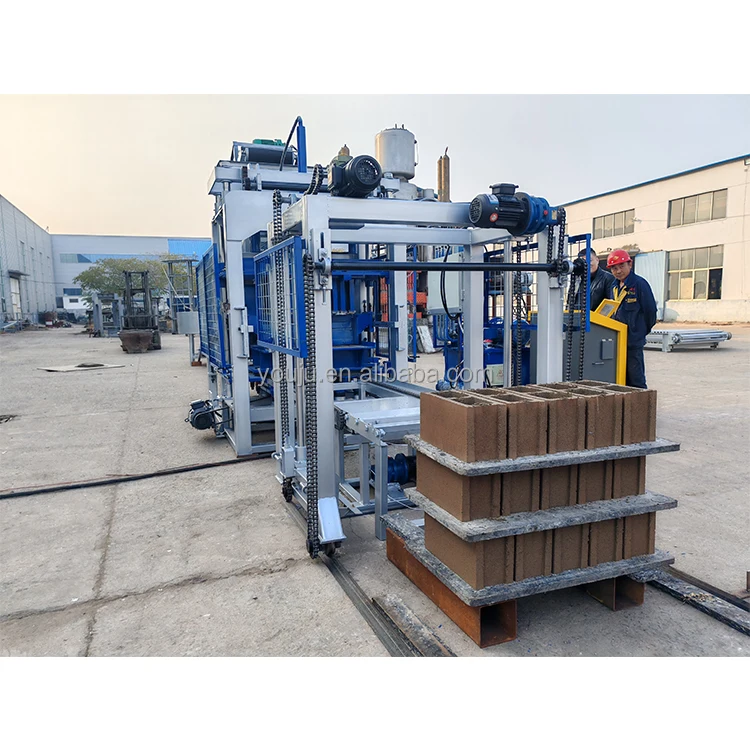
Platform vibration at 50-70Hz drives the mix into the mould cavity, while the hydraulic pressure clamps and densifies the block before demolding. The 900×500mm pallet size dictates how many blocks cure on each pallet and how those pallets stack in the curing area; if the buyer’s existing forklift and curing racks were built for a different pallet dimension, the entire handling chain has to be rebuilt around the press. Matching pallet size to the site’s existing infrastructure is a step that happens before the machine ships, not after it is bolted to the floor.
The Cost of Skipping the Voltage and Language Check
When a PLC panel arrives with menu labels in a language the operator cannot read, every parameter adjustment becomes a guessing game. Wrong vibration times, incorrect feeder delays, and skipped mould change sequences follow, wearing out hydraulic seals and cracking blocks that should have passed the strength test [NEED_CITE: CE machinery directive requirements for industrial equipment]. The downtime is not measured in hours; it is measured in the weeks it takes to fly in a replacement controller or translate the interface manually on site.
Why This Dispatch Point Works for Deadline-Driven Buyers
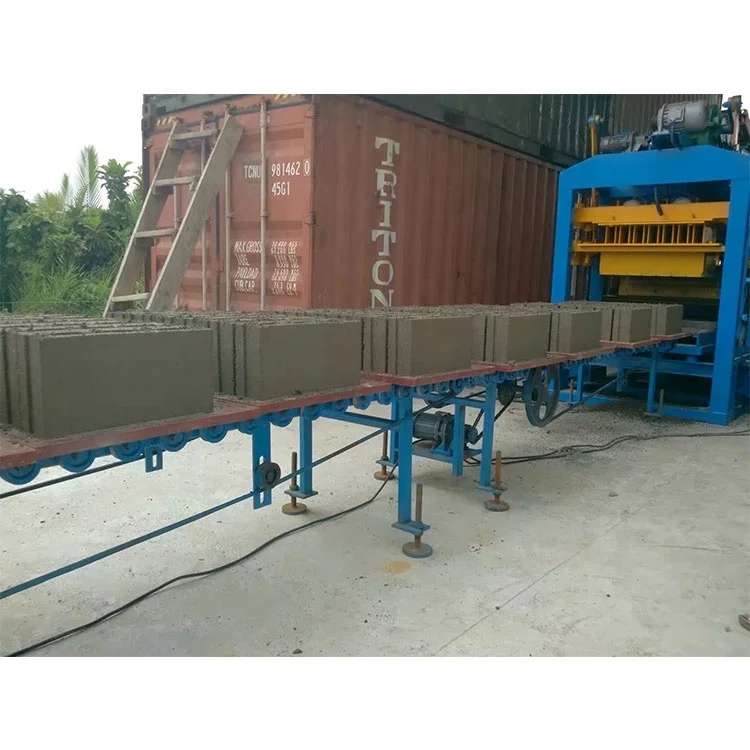
The focus here is on availability and arrival timing, not on selling the largest machine in the catalogue. Standard moulds and stocked machine models ship without waiting for a production slot to open. Container loading is planned around the dismantling positions of the press and the feeder, so the QT4-15 block making machine in stock fits the container type the buyer has booked. Factory test records and packing photographs are issued before the container doors close, giving the buyer visual proof of what is on the water.
Documentation & Verification
- Factory test record on your specified hollow block and paver format before dispatch
- Packing photographs showing dismantling positions and container loading plan
- Voltage, frequency, and PLC display language confirmation sheet signed before shipment
- Hydraulic and electrical schematic matching the as-built machine
- Mould drawing and format list for every interchangeable mould in the shipment
Installation, Commissioning & Support
- Foundation pad must be level to support the 24.5kW hydraulic station and vibration platform
- Dedicated power circuit required, matching the confirmed voltage and frequency before connection
- Machine arrives partially dismantled; reassembly positions marked on the frame
- PLC parameters set during commissioning against the buyer’s actual mix design and block format
- Operator training covers mould change procedure and pallet handling sequence
- Wear parts list and hydraulic seal kit included in the first shipment
Preparing the Inquiry
To get a reliable arrival estimate, the inquiry should state the target block format, the daily output required for that format, and the local voltage and frequency. Include the pallet size currently used in the curing area if one exists, so the handling equipment around the press can be matched. Stating the raw materials available on site helps confirm the mix compatibility before the machine is configured.
Frequently Asked Questions
Q: Which models and moulds are in stock, and how is dispatch lead time calculated?
A: Stocked models and standard moulds are listed at the time of inquiry, and the dispatch lead time is quoted against actual warehouse availability, not a factory production schedule. The lead time covers the period from order confirmation to the machine reaching the container yard, with dismantling and loading included in that window.
Q: How is the machine dismantled for container loading, and what arrival estimate can I expect?
A: The press, feeder, and hydraulic station are separated and secured in positions that match the container dimensions. The arrival estimate depends on the shipping route and the container booking the buyer holds, and it is provided once the loading plan is confirmed against the port of destination.
Q: Can voltage, frequency, and PLC language be locked in before the machine ships?
A: These three parameters are confirmed in writing before production or dispatch begins. The confirmation covers the motor rating, the control panel wiring, and the display language on the PLC, so the operator can read every menu item on the first day of commissioning.
Q: How do I read the capacity table for different block formats?
A: Each row in the capacity table names the exact block dimension, the cycle time for that format, and the resulting hourly and eight-hour output. This removes the guesswork of a single headline figure that assumes a block format the buyer may never produce.