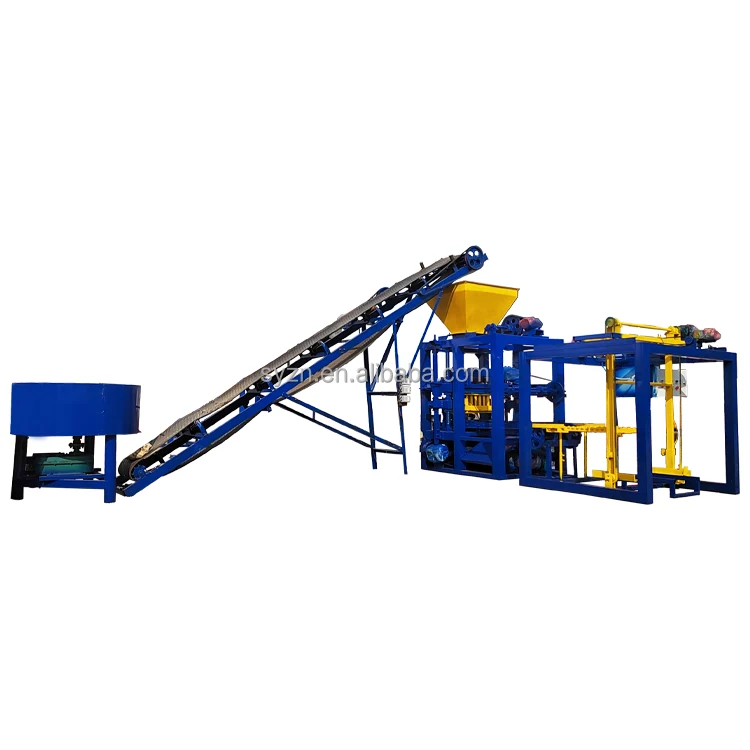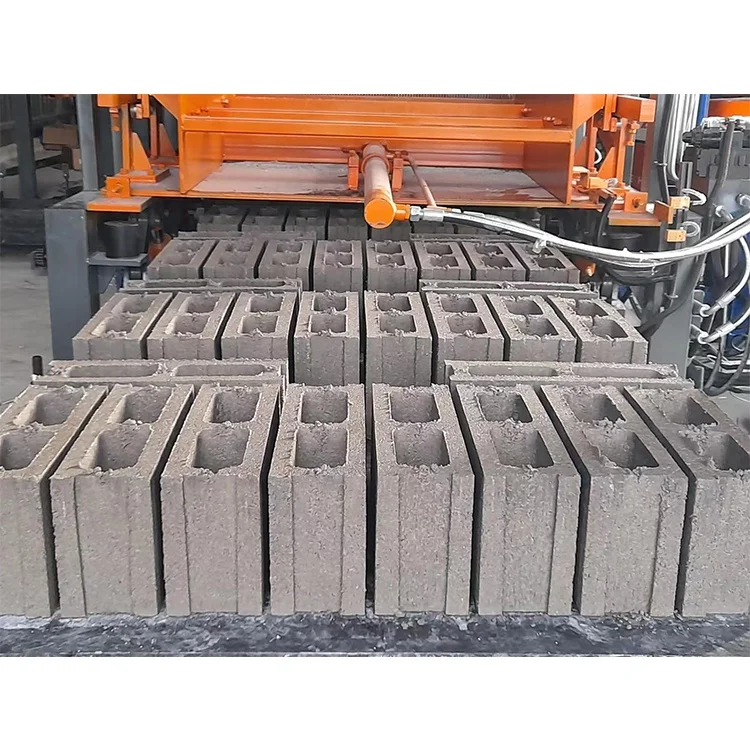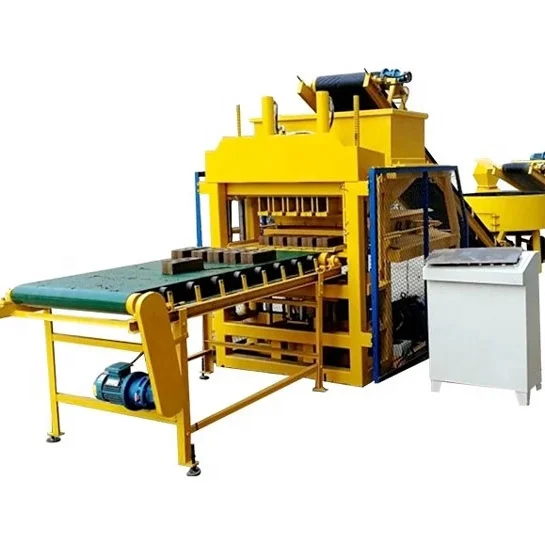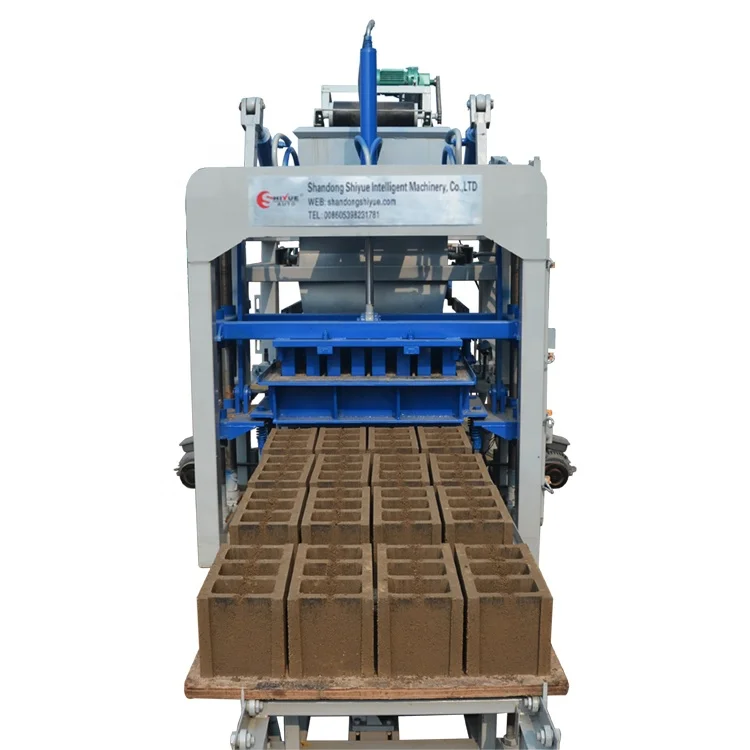
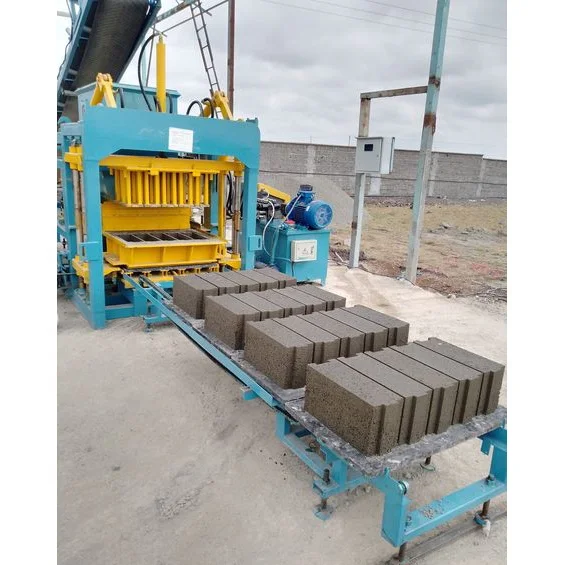
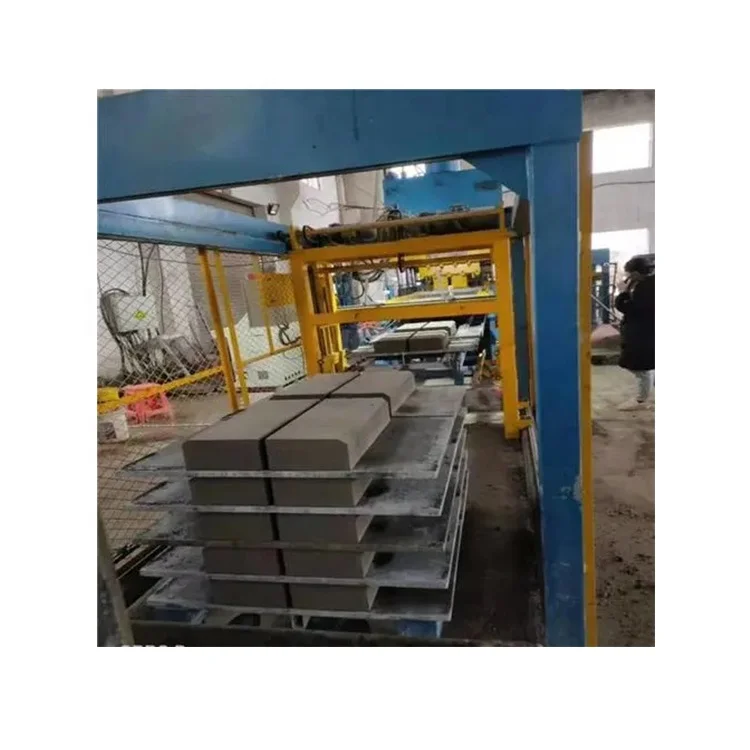
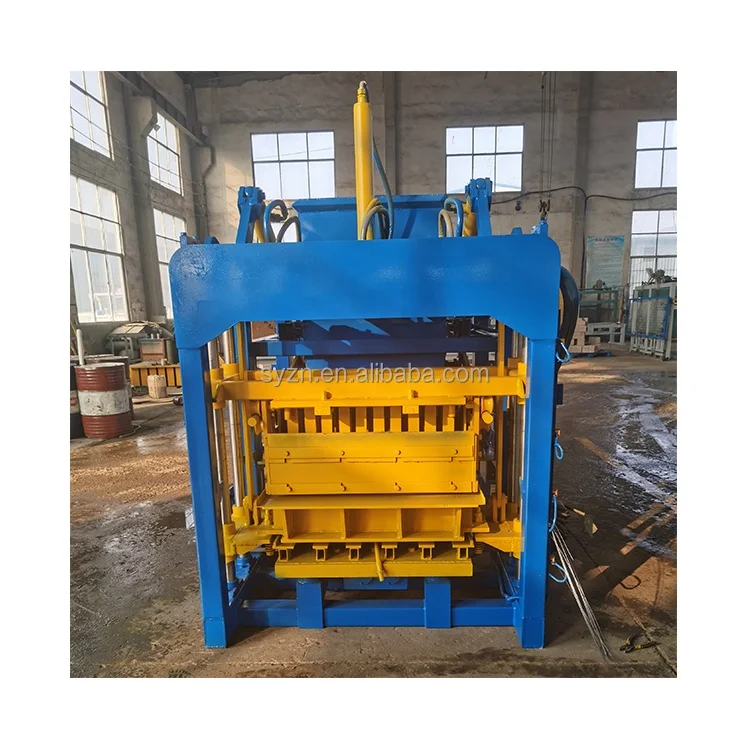
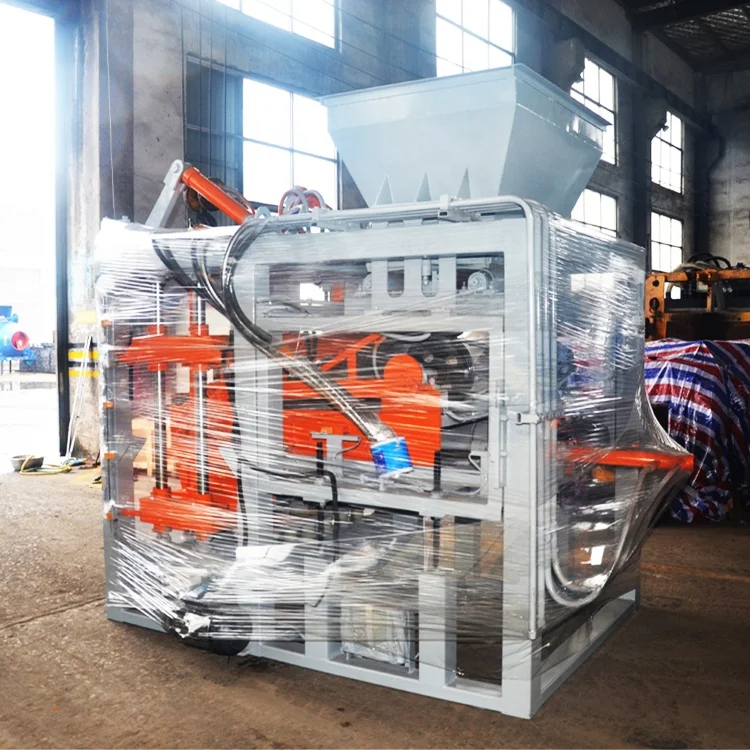
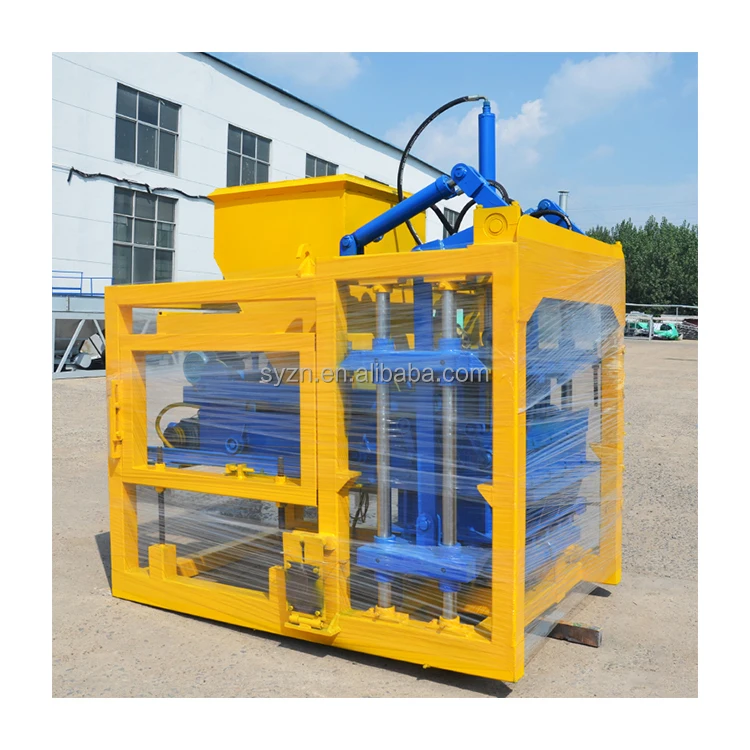
Description
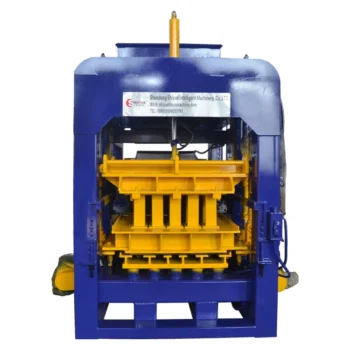
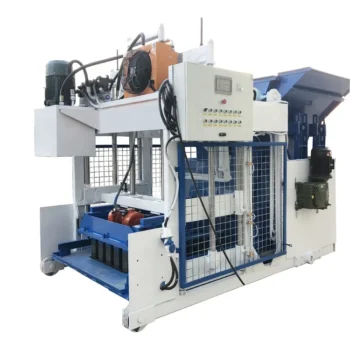
Stocked Machines, Clear Dispatch Plans — We confirm QT4-15 availability and container loading specifics before you commit, eliminating shipping guesswork for deadline-driven projects.
Technical Specifications
| Parameter | Value |
|---|---|
| Model | QT4-15 |
| Product Type | Fully Automatic Hydraulic Block Making Machine |
| Overall Dimensions (L×W×H) | 7100×1600×2610 mm |
| Net Weight | 5800 kg |
| Rated Power | 27.5 kW |
| Voltage & Frequency | 380V (customizable to buyer’s local standard) |
| Control System | PLC (language and brand subject to confirmation) |
| Vibration Force | 60 kN |
| Pallet Size | 1020×850×40 mm |
| Mould Formats Included | 400×200×200 mm hollow block (4 pcs/mould), 400×150×200 mm hollow block (6 pcs/mould), 225×112.5×53 mm solid brick (16 pcs/mould) |
| Output Capacity | 7,680 pcs/day (based on 400×200×200 mm hollow block); 11,520 pcs/day (based on 400×150×200 mm hollow block); 30,720 pcs/day (based on 225×112.5×53 mm solid brick) |
| Automation Level | Fully automatic (line configuration for pallet feeding, stacking, cubing to be confirmed) |
| Warranty | 1 year |
| Standards | ISO 9001:2008, CE |
Application Suitability
| Application | Material or Output |
|---|---|
| Concrete block production plants | Standard grey cement, crushed stone, sand, and fly ash blends for hollow and solid blocks |
| On-site construction projects | Locally sourced aggregate and cement for immediate wall construction on housing developments |
| Paver and kerbstone manufacturing | High-density concrete mixes with fine aggregates for interlocking formats and paving units |
| Regional building material supply | High-volume solid brick runs for distribution to masonry contractors and hardware distributors |
What "In Stock" Should Actually Mean for Your Timeline
A stocked QT4-15 block making machine is only useful if it clears your port before the wet season starts.
Many machinery suppliers use "in stock" as a marketing hook, but when you ask for a confirmed dispatch date, the answer shifts to "after payment verification" or "pending mould assembly." I have watched contractors in the Middle East and Africa lose entire foundation seasons because a machine sat in a container yard while customs documentation was corrected. When you are working against a project deadline, the difference between a confirmed loading plan and a vague promise is the difference between finishing the ground floor on schedule and paying idle crews for weeks. [NEED_CITE: typical port dwell times for industrial machinery in developing markets]
Dispatch Lead Time as a Contractual Commitment
When a buyer sources a QT4-15 block making machine for a fixed-date housing project, the quotation must include a written dispatch lead time tied to a specific vessel schedule. We provide this in the proforma invoice, not in a follow-up email after the deposit lands. The lead time accounts for final factory testing, dismantling for container loading, and inland transport to the port of shipment.
Container Loading and Dismantling Clarity
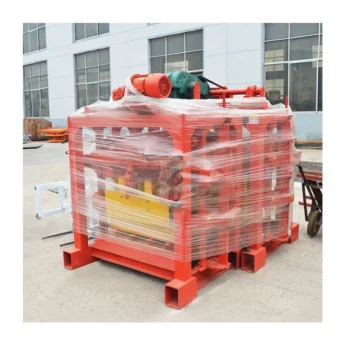
A 5,800 kg machine with a 7.1-meter frame length does not simply roll into a 40-foot container fully assembled. We specify which components are dismantled — typically the hydraulic station, PLC cabinet, and mould rack — and provide a loading diagram showing how the main frame, pallets, and moulds are secured. This eliminates surprise damage claims and ensures your forklift team knows how to unload and reassemble on arrival. [NEED_CITE: standard container loading practices for heavy block machinery]
Arrival Estimates Quoted Before Payment
Port congestion, transshipment delays, and customs inspections are variables no supplier can fully control. What we do control is providing a realistic estimated arrival date based on current shipping line schedules, and flagging any known disruptions on the route to your destination port. This estimate is included with the quotation so your project manager can plan crew mobilization and raw material deliveries accordingly.
Voltage and Frequency Confirmation Before Dispatch
Arriving with a machine wired for the wrong frequency means weeks of transformer sourcing or motor rewinding on your site. We confirm your local voltage and frequency standard in writing before the electrical panel is assembled, and verify the PLC display language matches your operator team. [NEED_CITE: voltage and frequency standards by export market]
Why the Pallet Size Question Matters More Than You Think
The QT4-15 uses a 1020×850×40 mm pallet. If your existing curing yard racks are built for 900×700 mm pallets, or your forklift tines are spaced for a different dimension, you will spend the first week improvising rather than producing. We ask for your curing area layout and forklift specifications during the inquiry stage so pallet compatibility is resolved before the machine ships, not after it arrives. This applies equally to pallet material — wood, bamboo, PVC, or steel — each with different durability and cost profiles depending on your local climate and replacement supply chain.
Reading the Capacity Numbers Honestly
The QT4-15 block making machine output figures are meaningful only when tied to a specific block format. Producing 7,680 pieces per day of 400×200×200 mm hollow blocks assumes a consistent mix design, uninterrupted pallet flow, and a curing system that keeps pace. If you plan to run 150 mm hollow blocks for most of the week and switch to solid bricks on Fridays, the 11,520 pieces per day figure for the smaller hollow block becomes your realistic planning baseline. Any supplier quoting a single "daily capacity" number without naming the block format is giving you a marketing figure, not a production plan. [NEED_CITE: realistic block production planning based on format and mix design]
What 60 kN Vibration Force Means for Block Density
The QT4-15’s 60 kN vibration force, working in combination with hydraulic pressure, determines how densely the concrete mix is compacted in the mould. Higher compaction means stronger blocks with lower cement consumption, but only if the vibration is tuned to your specific aggregate size and moisture content. A mix with fine sand and high moisture requires different vibration timing than one with coarse crushed stone. This is why we request a raw material test report before finalizing the machine’s vibration parameters, rather than shipping a factory default that may not suit your local quarry output.
The Automation Scope You Must Define
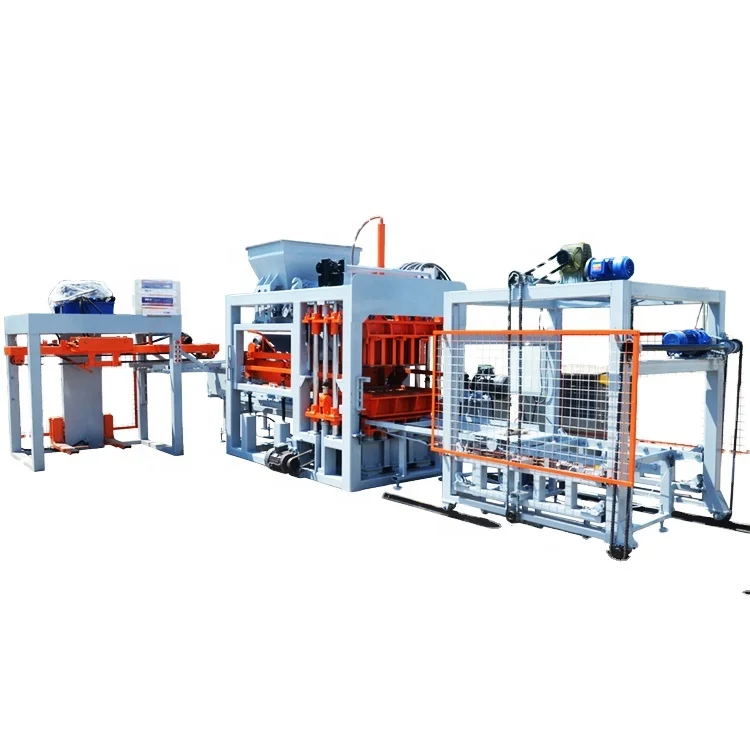
"Fully automatic" can mean different things to different suppliers. For the QT4-15, confirm whether the quotation includes automatic pallet feeding from a magazine, automatic stacking of finished blocks on the pallet, and cubing for the curing rack. If these stations are excluded, your line still requires manual pallet handling and stacking, which changes your labour planning entirely. The 27.5 kW rated power covers the press itself; additional motors for conveyors, stackers, and mixers draw from separate circuits. [NEED_CITE: labour requirements for block production lines at different automation levels]
The Cost of Skipping the Mould Change Question
If you plan to produce three different block formats from one QT4-15, the time it takes to swap moulds directly affects your weekly output. A mould change that requires two technicians and four hours effectively cancels the flexibility you paid for. We confirm the mould change system and realistic swap duration during the proposal stage so you can plan your production schedule around format changes rather than discovering the penalty on your first week of operation.
The Consequence of Unconfirmed Electrical Standards
A machine wired for 50 Hz running on a 60 Hz grid will overheat motors and burn out the hydraulic pump within weeks. This is not a theoretical risk — it happens regularly when voltage confirmation is treated as an afterthought rather than a prerequisite. The cost of rewinding motors at your destination port, combined with the production delay, far exceeds the time spent confirming these details before the QT4-15 block making machine leaves our factory.
Why Buyers With Deadlines Choose This Source
The QT4-15 is held as a stocked model with standard mould sets, meaning the machine body and common block format moulds are ready for final configuration rather than built from scratch on order. Dispatch lead times are quoted in writing on the proforma invoice, tied to actual vessel schedules, not generic "30–45 day" estimates. Container loading plans and dismantling diagrams are provided before shipment so your receiving team is prepared. Electrical specifications — voltage, frequency, and PLC language — are locked in during the inquiry stage, preventing commissioning delays on arrival. Customs documentation is prepared with CE and ISO 9001:2008 declarations to support import clearance in regulated markets.
Documentation & Verification
- Capacity calculation sheet stating the specific block format and mix assumption for your QT4-15
- Voltage, frequency, and PLC display language confirmation record signed before assembly
- Factory test record showing cycle times for your specified mould format before dispatch
- Container loading diagram with dismantling instructions for on-site reassembly
- CE declaration and ISO 9001:2008 certificate copies for customs clearance at your port
Installation, Commissioning & Support
- Foundation plan accounting for the QT4-15’s 5,800 kg weight and vibration load on your workshop floor
- Electrical circuit schedule for the 27.5 kW main motor plus auxiliary equipment on separate breakers
- Dismantling and reassembly sequence for the hydraulic station, PLC cabinet, and mould rack
- First-run vibration parameter adjustment against your local aggregate test report
- Operator training on PLC interface in your confirmed display language
- Wear parts and mould replacement list with part numbers for your first reorder
What to Include in Your Inquiry
To move from quotation to confirmed dispatch on a QT4-15 block making machine, provide your target block format, required daily output, and local raw material description including aggregate type and source. Confirm your site’s voltage and frequency standard, and let us know your preferred PLC display language. If you have an existing curing yard or forklift fleet, share the pallet dimensions and rack spacing so we can verify compatibility before the machine ships.
Frequently Asked Questions
Q: Is the QT4-15 currently in stock, and which moulds ship with it?
A: The QT4-15 block making machine is maintained as a stocked model. Standard mould sets for 400×200×200 mm and 400×150×200 mm hollow blocks, plus 225×112.5×53 mm solid bricks, are typically available for immediate configuration. Custom mould formats require additional lead time and are confirmed during the inquiry stage.
Q: What is the dispatch lead time and estimated arrival at my port?
A: Dispatch lead time is quoted in writing on the proforma invoice and accounts for final testing, dismantling, and inland transport. Estimated arrival depends on your destination port and current shipping line schedules. Both figures are provided before payment so your project timeline is based on confirmed dates, not estimates.
Q: How is the machine dismantled for container loading, and what container type is required?
A: The QT4-15 is partially dismantled — hydraulic station, PLC cabinet, and mould rack are separated from the main frame — for loading into a standard 40-foot container. A detailed loading diagram and reassembly guide are provided before shipment so your site team can plan the unloading and setup sequence.
Q: Can voltage and frequency be customized to my country’s standard before dispatch?
A: Yes. Voltage and frequency are confirmed during the inquiry stage and locked into the electrical assembly before the machine leaves the factory. The PLC display language is also set to your preference. This prevents motor damage and commissioning delays caused by mismatched electrical standards at your destination.
Q: What customs documentation is provided to clear import on arrival?
A: We provide a CE declaration, ISO 9001:2008 certificate copy, commercial invoice, packing list, and bill of lading. Additional documents such as certificates of origin or specific import permits can be arranged based on your destination country’s requirements. Confirm your local customs broker’s needs during the order stage.