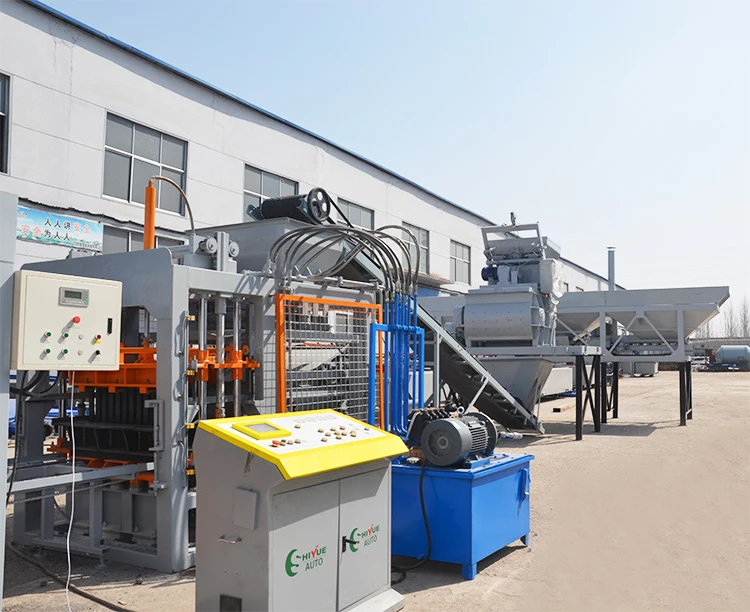
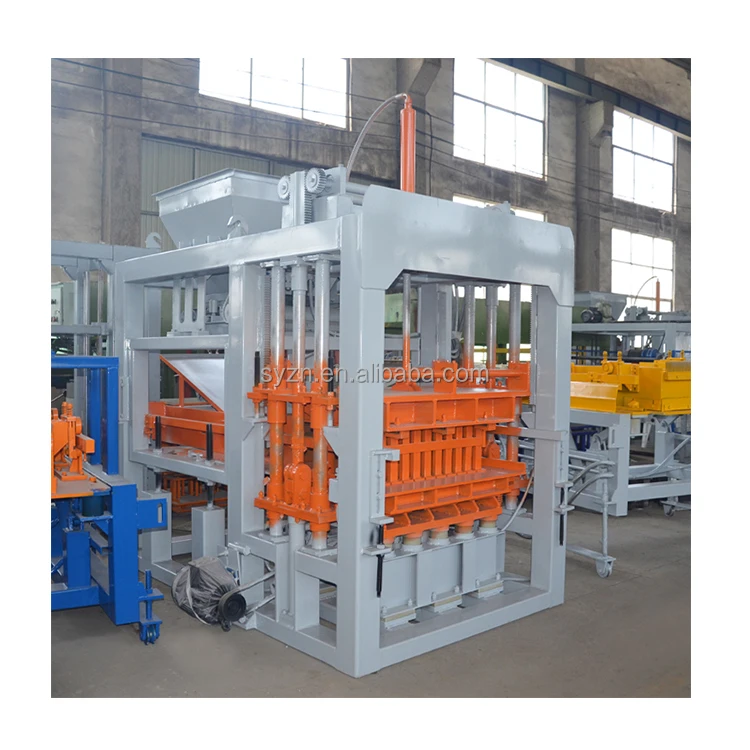
Description
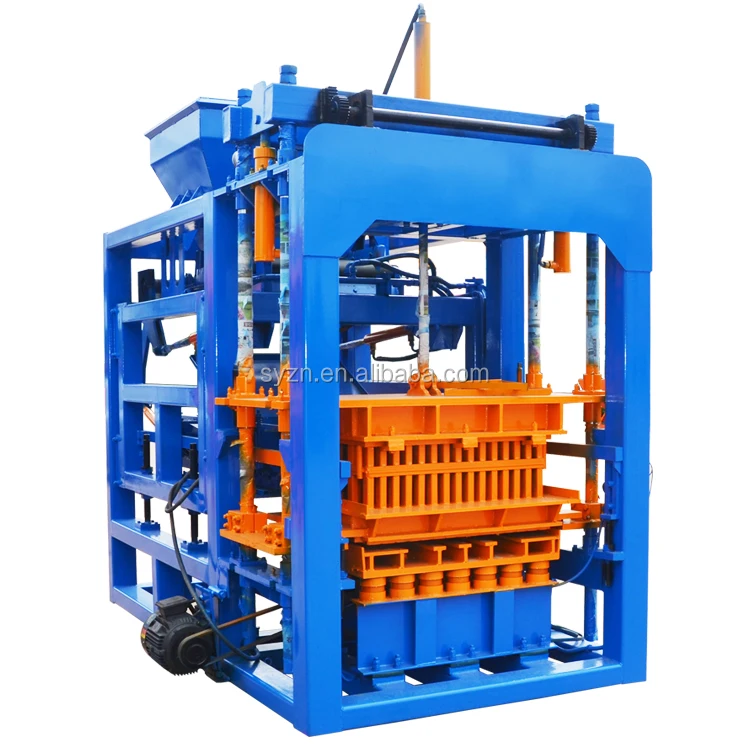
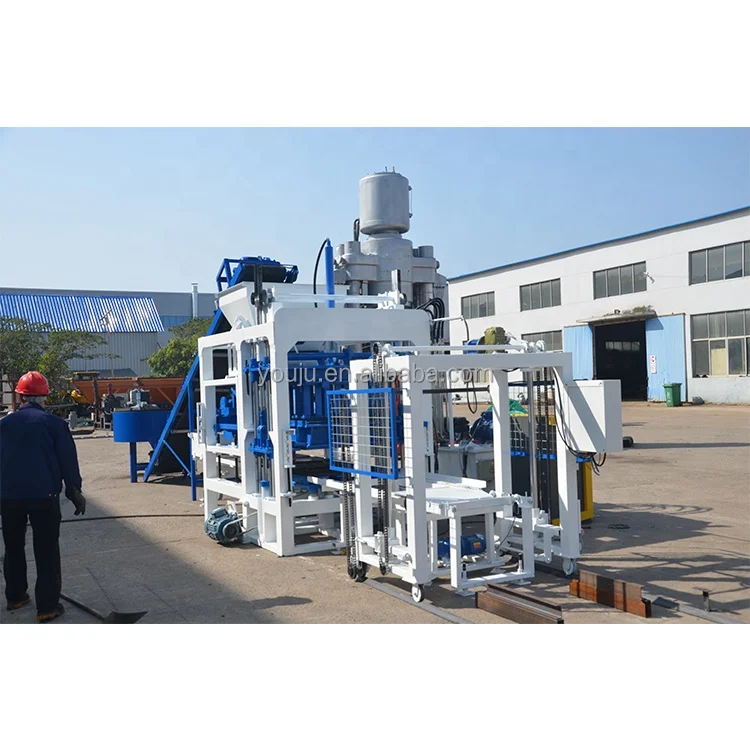
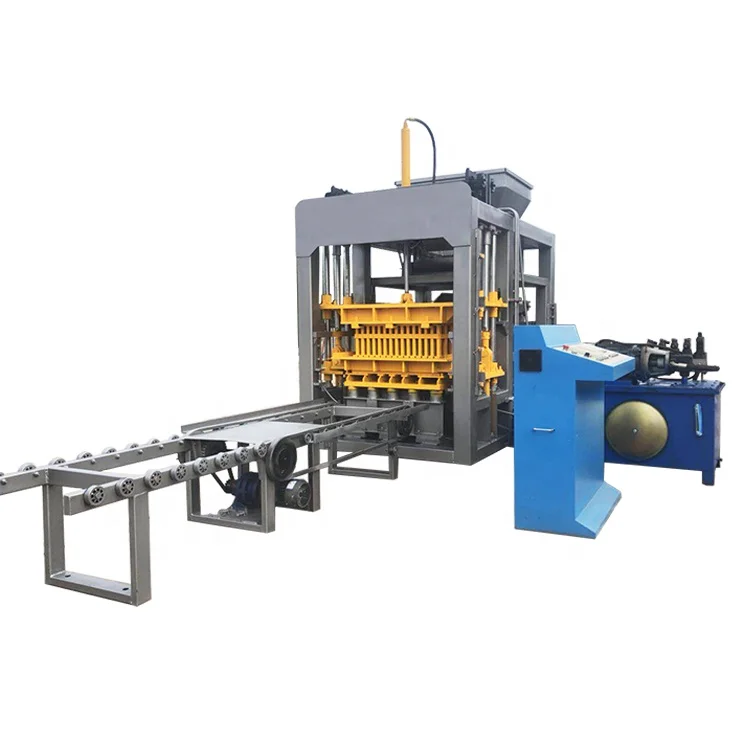
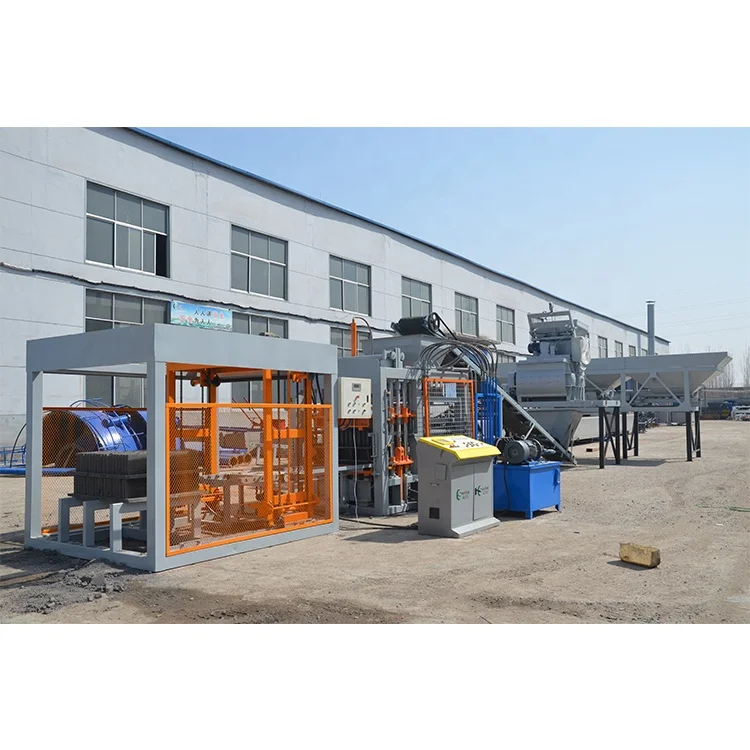
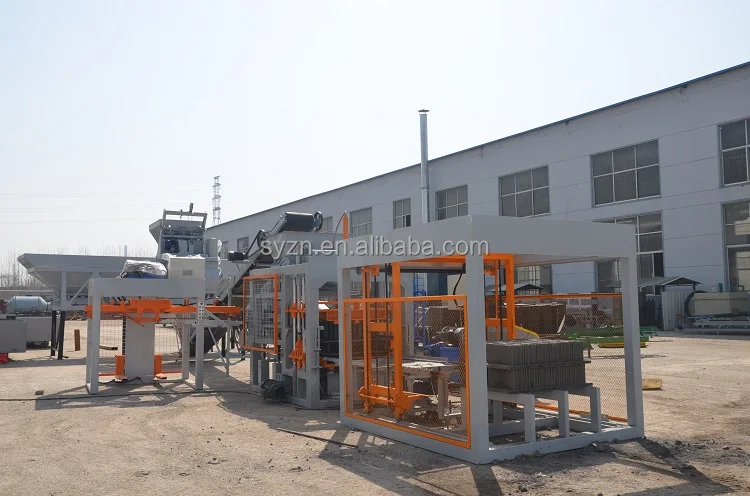
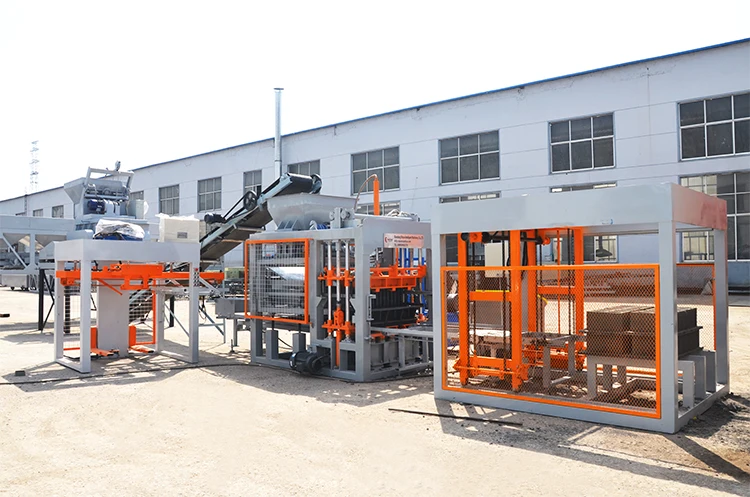
Dispatch-Ready Machinery — A QT5-15 fully automatic concrete block machine held in stock for rapid container loading, configured and tested against your target block format before it leaves the factory floor.
Technical Specifications
| Parameter | Value |
|---|---|
| Model | QT5-15 |
| Product Type | Fully Automatic Concrete Block Making Machine |
| Overall Dimensions (L×W×H) | 7400×1950×2800 mm |
| Rated Pressure | 21 MPa |
| Main Vibration Form | Platform Vibration |
| Vibration Frequency | 2800–4500 r/min |
| Pallet Size | 1100×550 mm |
| Molding Cycle | 15–25 s |
| Overall Power | 26.5 kW |
| Demolding Method | Hydraulic |
| Automation Level | Fully Automatic |
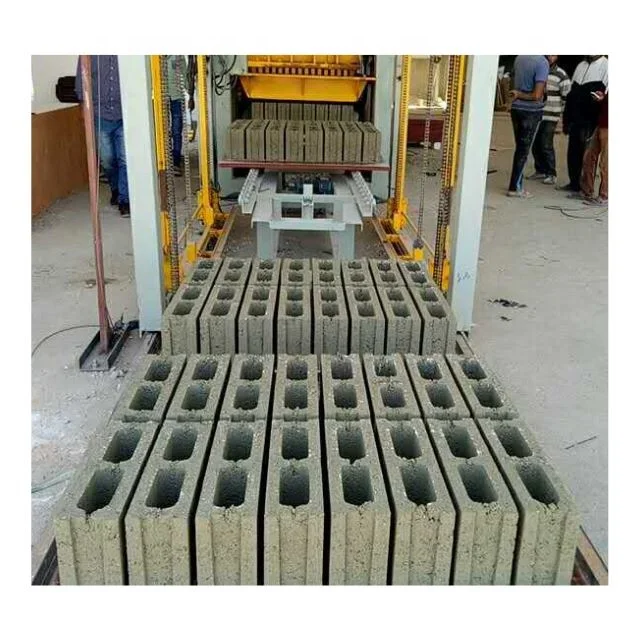
| Output Capacity | 1800 pcs/h based on 400×200×200 mm hollow block, 5 pcs/mold, 16–20 s cycle |
| Output Capacity | 1300 pcs/h based on 400×150×200 mm hollow block, 6 pcs/mold, 15–20 s cycle |
| Output Capacity | 3700 pcs/h based on 225×112.5×60 mm S paver, 16 pcs/mold, 15–17 s cycle |
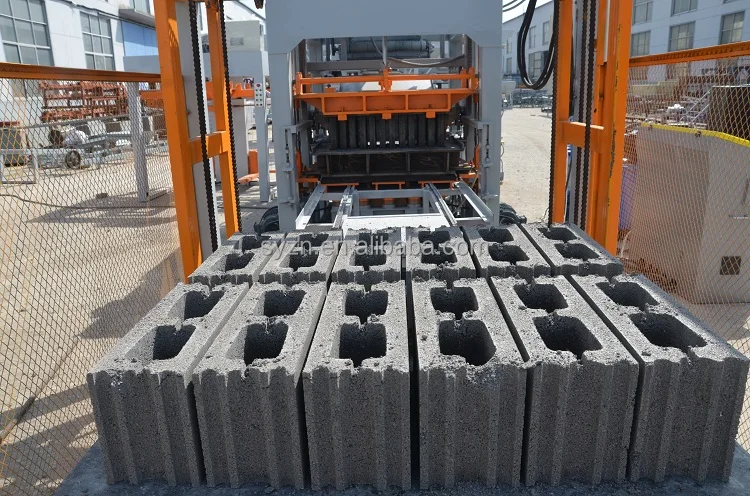
| Applied Products | Concrete blocks, hollow/solid blocks, pavers, interlocking blocks, curbstone, colored pavers |
| Raw Materials | Crushed stone, sand, cement, dust, fly ash, gravel, slag |
| Standards | CE declaration where applicable |
Application Suitability
| Application | Material or Output |
|---|---|
| Housing project on-site block production | Hollow and solid concrete blocks from local crushed stone and cement |
| Paver and curbstone manufacturing for municipal works | Interlocking pavers, S pavers, and kerbstones from sand, gravel, and pigment |
| Building material distributor stock replenishment | Multiple block formats from a single machine with quick mould changeovers |
| Fly ash brick production near thermal power plants | Solid and hollow blocks using fly ash, sand, and cement blends |
What the "Pieces per Hour" Figure Never Tells You
Capacity means nothing unless the block format behind it matches what your market actually buys.
A stationary block machine in stock can ship within days, but if the quoted throughput assumes a hollow block size your customers never order, your real daily output will fall far short of the brochure promise. I have watched contractors in West Africa unpack a new machine only to discover the rated 1800 pieces per hour was calculated for a format they had zero demand for [NEED_CITE: capacity calculation transparency in block machinery exports]. The QT5-15 fast delivery QT5-15 listing on this page states output against three distinct block formats so you can cross-reference your own order book before committing.
Container Loading and Dispatch Timing
A stocked QT5-15 is dismantled into mainframe, hydraulic station, and control cabinet sections for container loading. The overall dimensions of 7400×1950×2800 mm mean the press frame typically occupies one 40-foot high-cube container together with the pallet feeder and a standard mould set. Dispatch lead time for a stationary block machine in stock is quoted at inquiry stage, accounting for any voltage reconfiguration or PLC language change required for the destination market.
Mould Inventory and Format Compatibility
The 1100×550 mm pallet size governs which mould formats the press can accept. Standard moulds for 400×200×200 mm hollow blocks, 400×150×200 mm hollow blocks, and S pavers are commonly held alongside the machine. Additional moulds for interlocking bricks, curbstone, or porous pavers can be added to the same shipment provided they share the same pallet footprint. Mould change on the QT5-15 is hydraulic-assisted, reducing the format switch to a matter of bolting and aligning rather than a full-shift teardown [NEED_CITE: mould change procedures on hydraulic block presses].
How Pressure, Vibration, and Cycle Time Interact
The 21 MPa rated hydraulic pressure and the platform vibration system work together to compact the mix into a dense, uniform block. Vibration frequency is adjustable across 2800–4500 r/min, which matters because a stiff, low-slump mix with coarse aggregate needs higher frequency to settle, while a wetter fly-ash blend requires less. The molding cycle of 15–25 seconds spans this range: a thin-walled S paver with 16 cavities completes its cycle faster than a thick-walled 200 mm hollow block with only five cavities. Matching vibration, pressure, and cycle to the buyer’s actual mix design is what separates consistent block strength from a pile of crumbly rejects.
The Cost of Skipping the Voltage Conversation
Shipping a machine wired for a voltage and frequency that does not match the local grid is a commissioning nightmare. The QT5-15 operates on an overall power draw of 26.5 kW, which means motor windings, contactors, and the PLC power supply must all be matched to the destination supply before the container is sealed. I have stood on a job site where a newly arrived press sat idle for ten days because the control transformer was tapped for a voltage the local utility could not deliver. Confirming voltage, frequency, and PLC display language during the order stage eliminates this kind of delay entirely [NEED_CITE: voltage and frequency standards by export market].
Why Buyers Source This Machine Here
Block machinery is the single focus of this operation, so the QT5-15 is specified as a matched system of press, mould, pallet, and handling equipment rather than assembled from unrelated suppliers. Configuration is set against the buyer’s local aggregate and target block format, not a catalogue default. Moulds for the formats that actually sell in the buyer’s market are designed and supplied in-house, including custom drawings when needed. Automation level is selectable, allowing a buyer to start with the fully automatic QT5-15 and integrate upstream batching or downstream stacking later. Installation support includes operator training so the crew is running production blocks before the commissioning engineer leaves site.
Documentation & Verification
- Line layout and capacity calculation stating the exact block format assumed for each output figure
- Machine specification sheet with confirmed voltage, frequency, and PLC display language
- Mould drawing and format list covering every mould included in the shipment
- Factory test record demonstrating cycle time and block density before container loading
- Packing photographs and customs documentation support for smooth port clearance
Installation, Commissioning & Support
- Foundation pad sized to the 7400×1950 mm footprint with anchor bolt template provided before machine arrival
- Dedicated power circuit rated for the 26.5 kW total draw with correct voltage and frequency confirmed at order
- Mainframe, hydraulic station, and control cabinet reassembled on site with alignment checks before first cycle
- Initial molding trials run with the buyer’s own mix to validate block density against the 21 MPa hydraulic pressure
- Operator training covering mould change procedure, pallet feeding sequence, and daily vibration system inspection
- Wear parts list including hydraulic seals, vibration belts, and mould liner inserts supplied with the first shipment
Requesting a Dispatch Quote
To get an accurate lead time and container plan for a stationary block machine in stock, share your target block formats, the voltage and frequency at your site, and the PLC display language your operators need. If you already have pallets or a curing rack system in place, send the pallet dimensions so we can confirm compatibility with the 1100×550 mm press pallet before loading.
Frequently Asked Questions
Q: What is the dispatch lead time for a stocked QT5-15 and standard mould set?
A: A QT5-15 held in stock can typically be prepared for container loading within a short window after voltage, frequency, and PLC language are confirmed. Standard moulds for common hollow block and paver formats are often available alongside the machine. The exact dispatch date is quoted at inquiry so you can plan your shipping schedule around a fixed departure rather than an estimate.
Q: How is the machine dismantled and loaded into containers for shipment?
A: The QT5-15 is broken down into the main press frame, hydraulic power unit, control cabinet, and pallet feeder to fit within a 40-foot high-cube container. Each section is secured with steel bracing and blocking to prevent movement at sea. Dismantling photographs are taken before the container doors close and shared with the buyer for reference during on-site reassembly.
Q: Can I add extra mould formats to the same shipment without delaying dispatch?
A: Extra moulds that share the 1100×550 mm pallet footprint can usually be included in the same container as the QT5-15 without affecting the loading schedule. Custom mould designs that require new tooling may need additional production time. Confirming your full format list at the order stage lets us check stock mould availability and flag any items that need fabrication.
Q: How do I verify the real daily output for my specific block format before ordering?
A: Share the exact block dimensions and wall thickness you intend to produce. We provide a capacity calculation that states the expected pieces per hour and the assumed molding cycle for that specific format, rather than quoting a single headline number. This lets you compare the QT5-15 output against your daily sales volume with confidence.
Q: What voltage and frequency configurations are available from stock?
A: The QT5-15 can be configured for a range of industrial voltage and frequency combinations common across African, South Asian, and Middle Eastern grids. Motor windings, control transformers, and PLC power supplies are matched to the confirmed supply before dispatch. Stating your site voltage at inquiry ensures the machine arrives ready for connection without needing local rewinding.