
Description
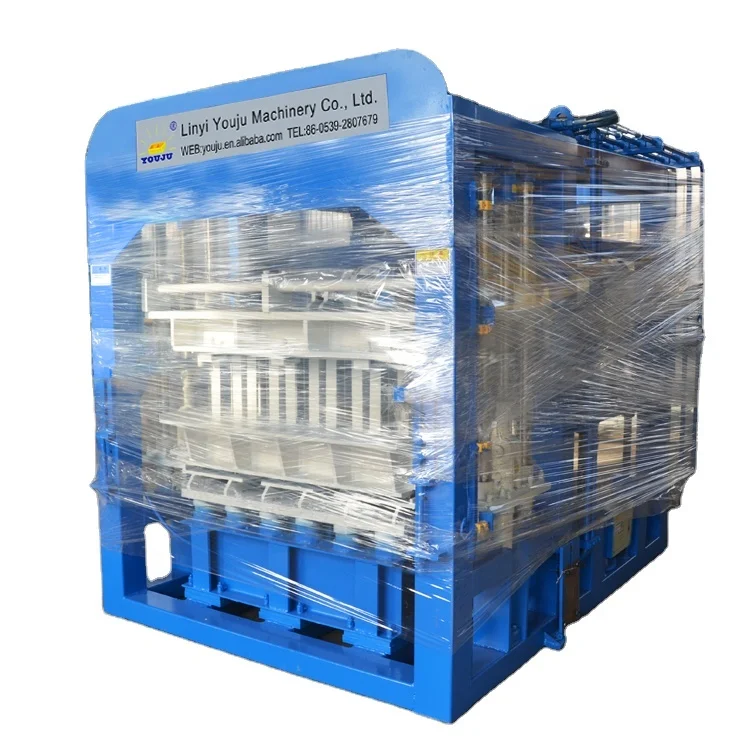
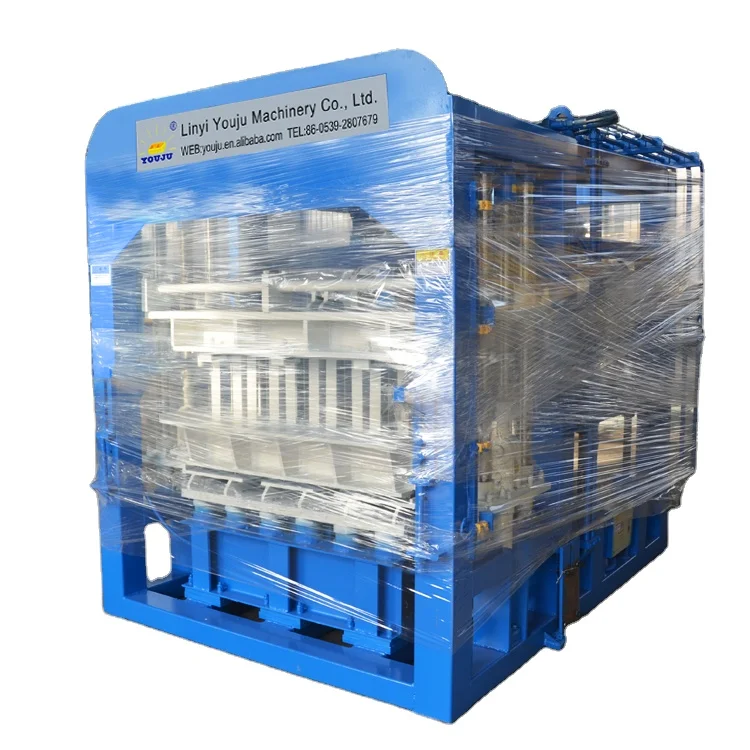
Stocked Readiness — QT5-15 units are pre-configured for common export voltages and can be loaded into containers within days of order confirmation, not weeks.
Technical Specifications
| Parameter | Value |
|---|---|
| Model | QT5-15 |
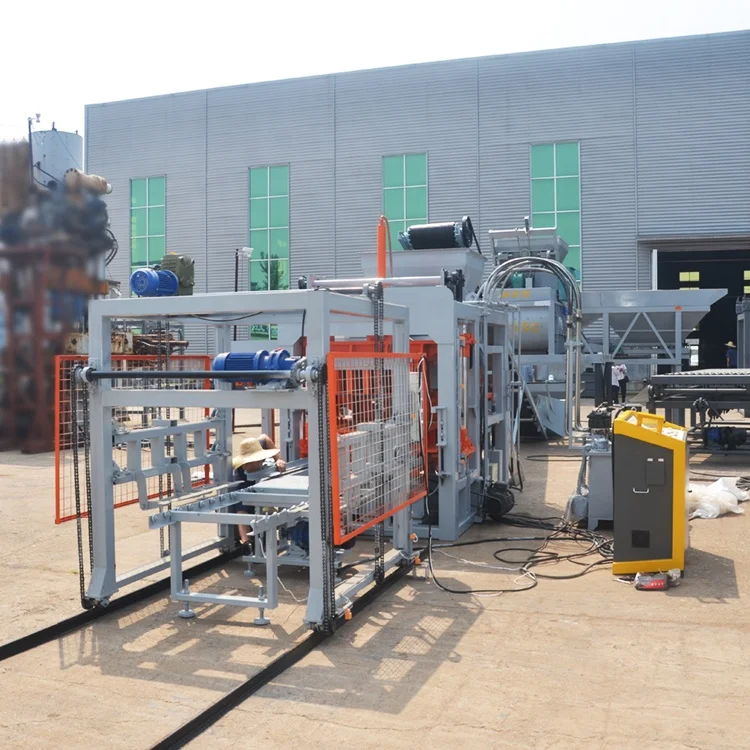
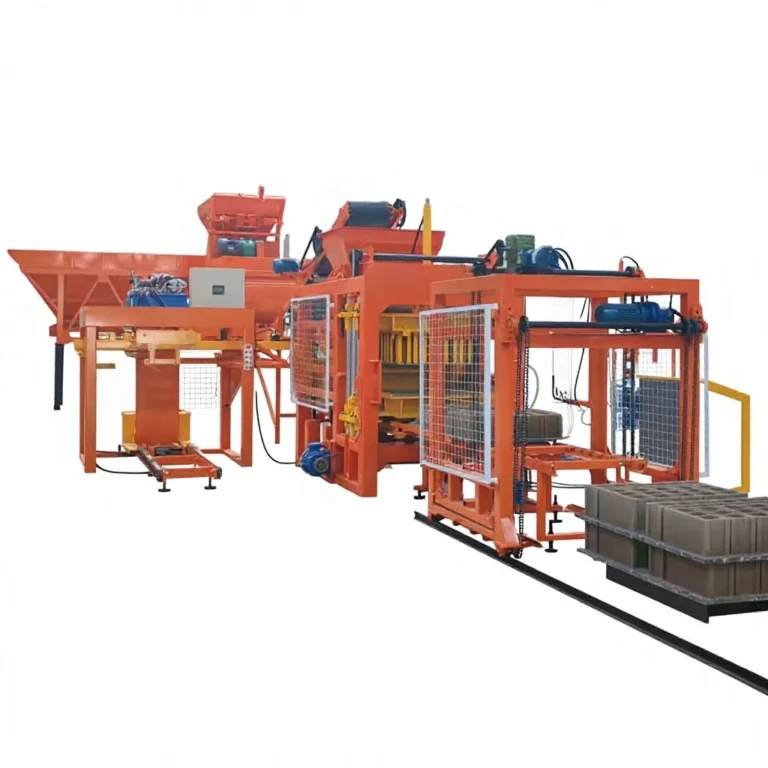
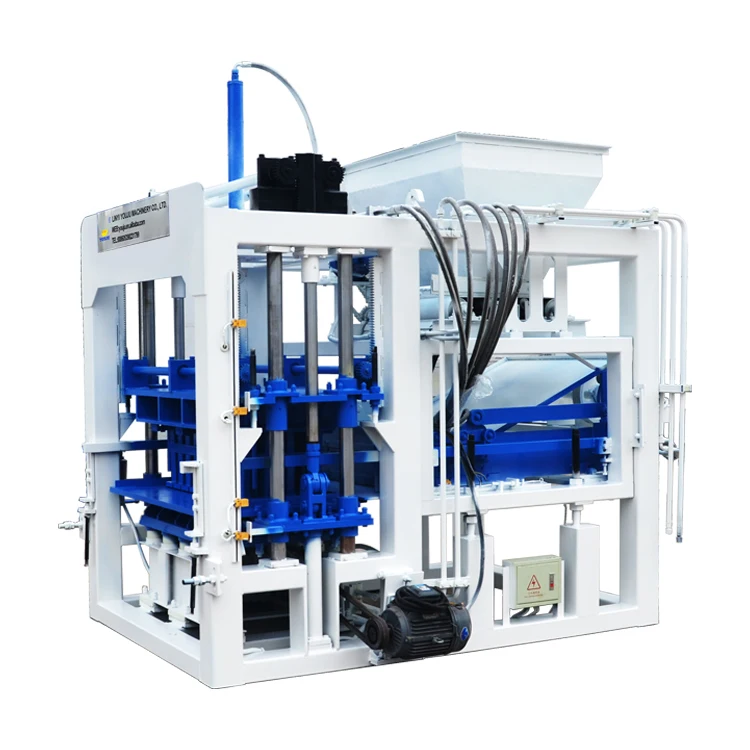
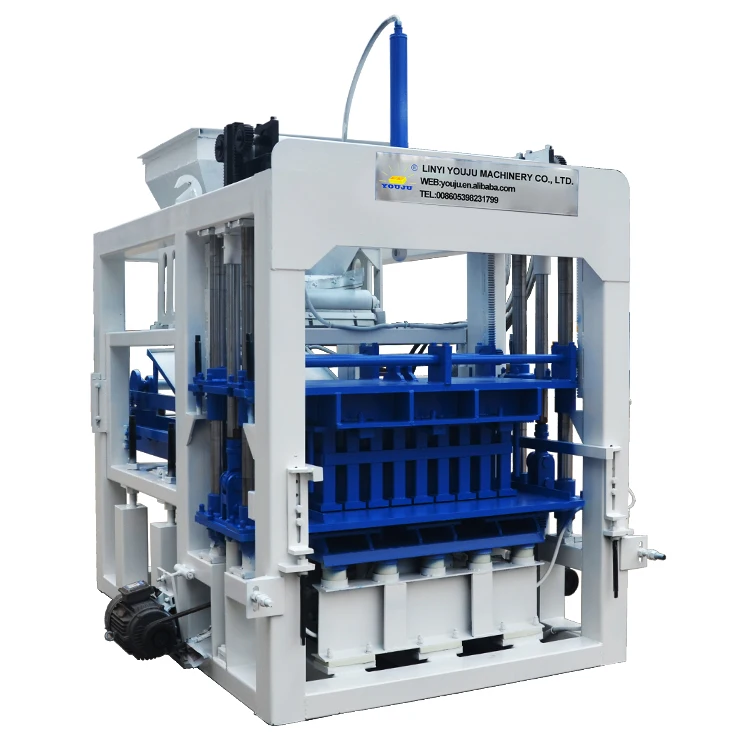
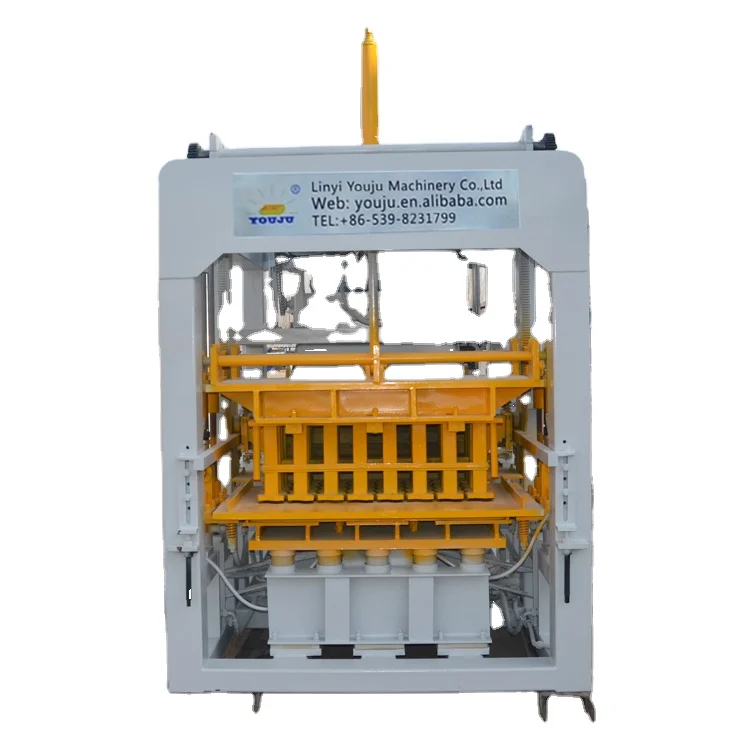
| Product Type | Stationary Concrete Block Making Machine |
| Overall Dimensions (L×W×H) | 7400×1950×2800 mm |
| Rated Pressure | 21 MPa |
| Main Vibration Form | Hydraulic platform vibration |
| Vibrating Frequency | 2800-4500 rolls/minute |
| Cycle Time | 15~20 seconds (basis not stated in source — confirm block format / material / thickness) |
| Motors Power | 26.5 kW |
| Pallet Size | 1100×550 mm |
| Net Weight | 6 T |
| Voltage | Configurable to buyer requirement |
| Control System | PLC with fault diagnosis and remote monitoring |
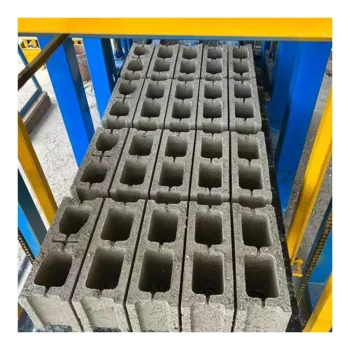
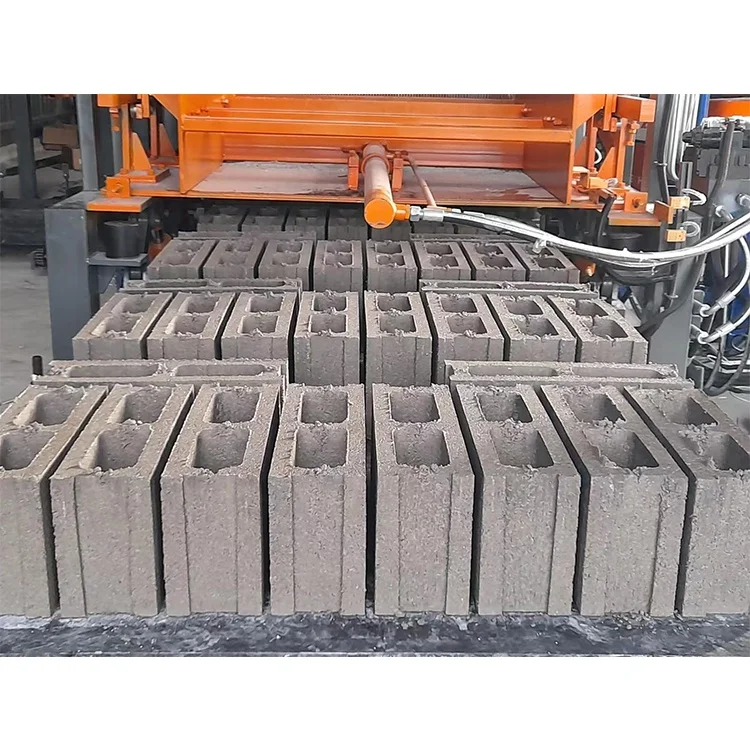
| Capacity (Hollow Block) | 7200-9600 pcs/8h based on 400×200×200 mm format, 5 pcs/mould |
| Capacity (Standard Brick) | 23040-28800 pcs/8h based on 240×115×90 mm format, 16 pcs/mould |
| Capacity (Paver / Thin Brick) | 61440-70400 pcs/8h based on 400×115×53 mm format, 32 pcs/mould |
| Automation Level | Full automatic |
| Assembly State | Stationary plant installation required |
| Certification | CE declared |
Application Suitability
| Application | Material or Output |
|---|---|
| Hollow block production | Crushed stone, cement, sand aggregate mixes for load-bearing and partition walls |
| Solid and multicellular brick | Dense concrete mixes for structural and facing brick formats |
| Paving block and paver | High-strength concrete with fine aggregate for interlocking and rectangular pavers |
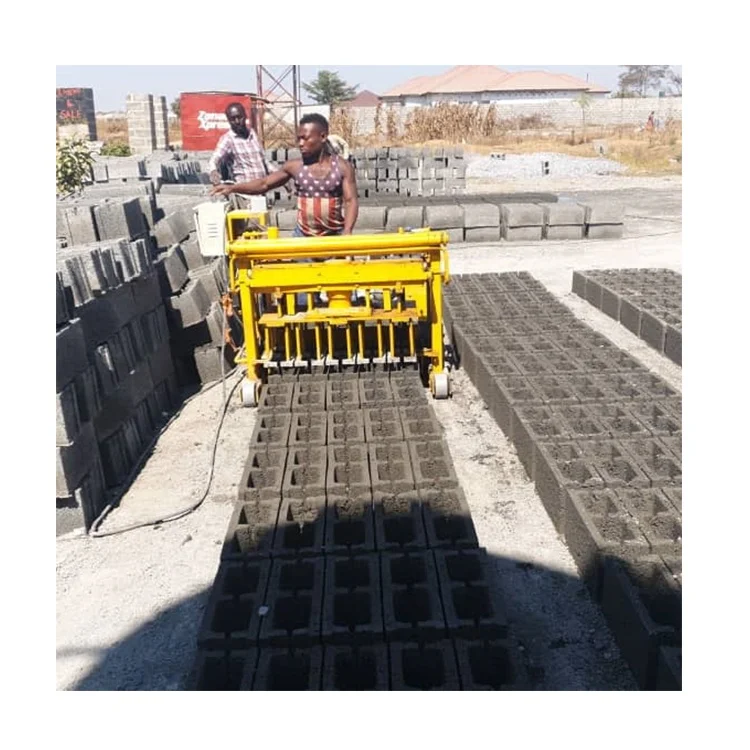
| Contractor on-site block yard | Standard brick and block formats produced locally at housing or infrastructure project sites |
Why Voltage Must Be Locked Before the QT5-15 Block Machine in Stock Leaves the Factory
A mismatched motor winding turns a fast delivery into a three-week idle machine on site.
I once watched a QT5-15 block machine in stock arrive at a Middle East job site wired for 380V, only to be connected to a 415V supply. The main hydraulic pump tripped its breaker within seconds, and the crew stood around the control cabinet for over twenty days waiting for a step-down transformer to clear customs. That machine was technically perfect — the voltage simply had not been confirmed against the local grid before it left Linyi. Every QT5-15 automatic block making machine we dispatch now ships only after the buyer signs off on a voltage, frequency, and PLC display language checklist tied to the actual site conditions. [NEED_CITE: voltage and frequency standards by export market]
Dispatch Readiness and Container Loading Plans
Buyers working to a project deadline cannot afford a production queue that stretches past their foundation pour date. The QT5-15 block machine in stock is held in a state where dismantling for shipment, pallet bundling, and hydraulic line capping are already mapped to container dimensions. Before an order is finalized, the loading plan specifies which assemblies travel in which container, so the buyer knows freight cost and can prepare the unloading sequence on arrival.
Arrival Timing Quoted Before Commitment
Once the machine leaves the factory yard, transit time depends on port routing, and that estimate is given at the quotation stage — not after payment. The dispatch lead time for the QT5-15 block machine in stock accounts for factory testing, packing photography, and customs documentation preparation, giving the buyer a realistic arrival window to align with site mobilization schedules. [NEED_CITE: typical sea freight transit times from Shandong ports to major global destinations]
Reading the Numbers That Matter for Block Output
The rated pressure of 21 MPa combined with hydraulic platform vibration at 2800-4500 rolls per minute determines how densely the concrete mix is compacted inside the mould. Higher compaction density produces blocks with greater compressive strength, which is critical when local building codes require load-bearing hollow blocks to meet a minimum MPa rating. The pallet size of 1100×550 mm must match the curing racks and forklift tines the buyer already has on site — ordering a machine without checking this dimension can force an unplanned investment in new handling equipment. The PLC fault diagnosis and remote monitoring capability means that when a sensor drifts or a solenoid valve sticks, the control system flags the fault code rather than producing an entire shift of out-of-spec blocks before anyone notices. Cycle time is listed at 15 to 20 seconds, but this figure depends on block format, mix workability, and thickness; a 200 mm hollow block will naturally require a longer vibration and pressing cycle than a 53 mm paver.
The Cost of Skipping Pre-Shipment Verification
When voltage and PLC language are left unconfirmed, the machine arrives as dead weight. Electricians spend days rewiring motor connections, and operators who cannot read the control display make parameter errors that damage moulds or produce weak blocks. Pallet size mismatches mean cured blocks cannot be moved to the yard with existing forklifts, forcing manual handling that slows the entire line. These are not warranty issues — they are specification gaps that could have been closed with a single pre-shipment checklist review. [NEED_CITE: common commissioning delays caused by unconfirmed electrical specifications in exported machinery]
Why Source This Machine Through Our Dispatch Channel
Block machinery is our single focus, which means the QT5-15 is specified as a matched system — press, mould, pallet, and handling equipment are verified together rather than assembled from unrelated suppliers. Configuration is set against the buyer’s actual mix design and local aggregate, not pulled from a generic catalogue default. Moulds for the formats the buyer’s market actually sells are included in the dispatch plan, and custom mould drawings can be added to the same shipment. Automation level is selectable, so a buyer can take delivery of a fully automatic line now or plan an upgrade path later. Every unit undergoes a factory test with photographs and video shared before the container seal is applied.
Documentation & Verification
- Factory test record showing cycle times on the buyer’s specified block format before dispatch
- Voltage, frequency, and PLC language confirmation sheet signed off prior to shipment
- Hydraulic and electrical schematics matching the as-built machine configuration
- Packing photographs documenting dismantling state and container loading sequence
- CE declaration documentation included with customs paperwork for clearance
- Wear parts and mould compatibility list for first replacement ordering
Installation, Commissioning & Support
- Foundation plan provided matching the 7400×1950 mm footprint and 6 T operating weight
- Dedicated circuit sizing confirmed for the 26.5 kW total motor load at site voltage
- Dismantling layout details which sub-assemblies require reassembly on arrival
- First-run parameter setting covers vibration frequency, pressure, and cycle timing per block format
- Operator training addresses PLC fault codes and remote monitoring interface navigation
- Wear parts list identifies hydraulic seals and mould liners due for first replacement
What to Include in Your Inquiry
To match a QT5-15 unit to your project timeline, share the target block format and daily output requirement along with your local aggregate type and mix proportions. Confirm the site voltage, frequency, and preferred PLC display language so that electrical configuration is locked before the machine is crated. If you have existing curing racks, pallets, or forklifts, provide their dimensions so the pallet feed and handling interfaces are verified before dispatch.
Frequently Asked Questions
Q: Is the QT5-15 currently in stock, or what is the production lead time?
A: Stock status varies by configuration. Standard models with common mould sets and export voltage configurations are typically available for near-term dispatch. Units requiring custom voltage, non-standard pallet sizes, or specific mould formats enter a production schedule once the specification sheet is signed off. We confirm the exact dispatch date at quotation stage so you can plan site mobilization accordingly.
Q: How is the machine dismantled and loaded into containers?
A: The QT5-15 is broken down into major sub-assemblies — main press frame, hydraulic power unit, pallet feeder, and control cabinet — each secured with bolted connections designed for field reassembly. A loading plan specifies which components go into which container, and the number of containers required depends on the mould and pallet quantity included in the order.
Q: What is the estimated arrival date once shipped?
A: Arrival timing depends on the destination port and current shipping schedules from Shandong. We provide a transit estimate at the quotation stage based on available sailing dates. This allows buyers to align machine arrival with foundation completion and utility connection timelines at the project site.
Q: Can voltage, frequency, and PLC language be confirmed before dispatch?
A: Yes, and this confirmation is a mandatory step before the machine leaves the factory. We require the buyer to sign off on the exact voltage, frequency, and PLC display language matching the installation site. This prevents commissioning delays caused by motor rewiring or unreadable control interfaces upon arrival.
Q: Which standard moulds ship with the machine and are additional moulds available?
A: The standard mould set is selected based on the block formats specified in the inquiry. Additional moulds for hollow blocks, pavers, or solid bricks can be included in the same container shipment if they are in stock or scheduled for production alongside the machine. Custom mould designs based on buyer drawings are also available.