

Description
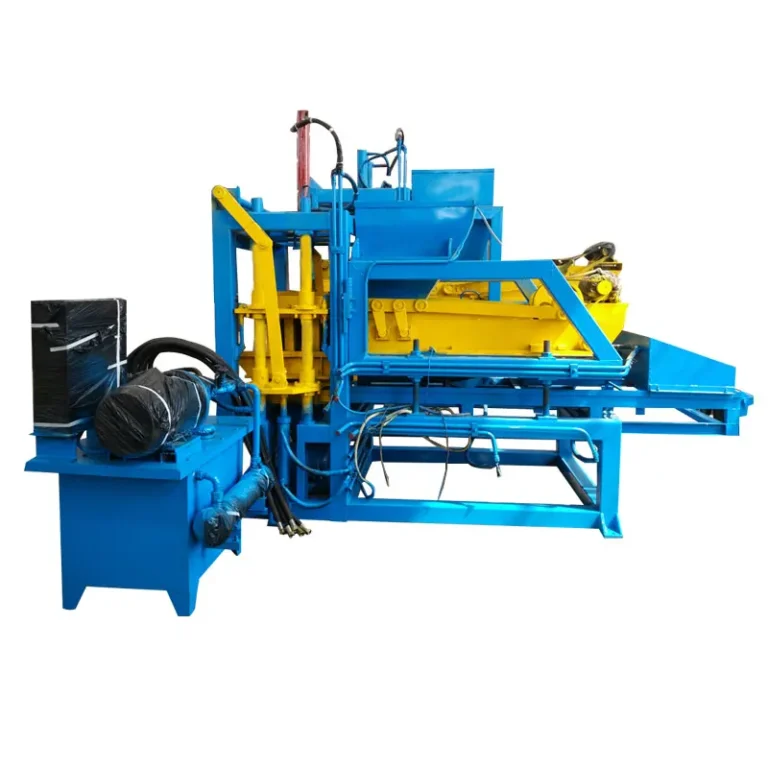
Single-focus block machinery supply — machine, mould, pallet and handling specified as one matched system from inquiry through dispatch, so nothing arrives incompatible with your curing yard or local aggregate.
Technical Specifications
| Parameter | Value |
|---|---|
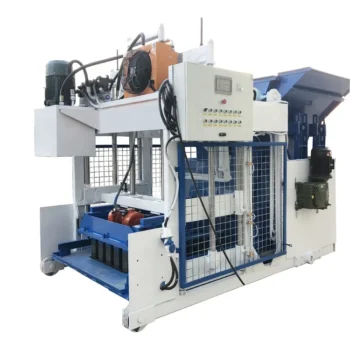
| Model | QT7-15 |
| Product Type | Hydraulic Concrete Block Making Machine |
| Pallet Size | 1150×700 mm |
| Molding Cycle | 15–20 s |
| Overall Power | 45 kW |
| Vibration Force | 100 kN |
| Vibration Frequency | 0–60 Hz |
| Vibration Form | Platform Vibration |
| Total Mass | 8 T |
| Demolding Method | Hydraulic |
| Control System | PLC with touch screen interface |
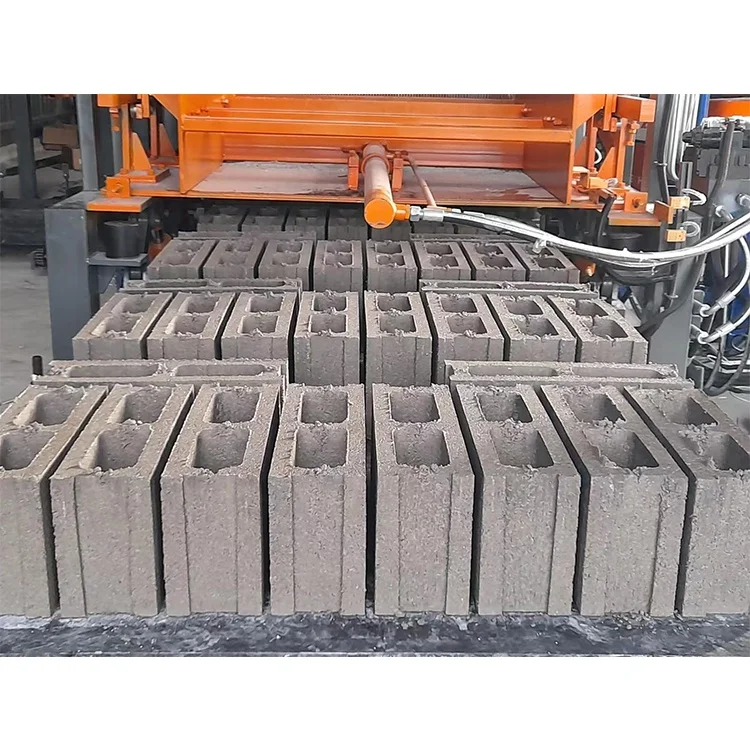
| Output (Hollow 400×200×200 mm) | 10,080–13,440 pcs/8 hr (basis: 15–20 s cycle) |
| Output (Hollow 400×150×200 mm) | 11,520–15,360 pcs/8 hr (basis: 15–20 s cycle) |
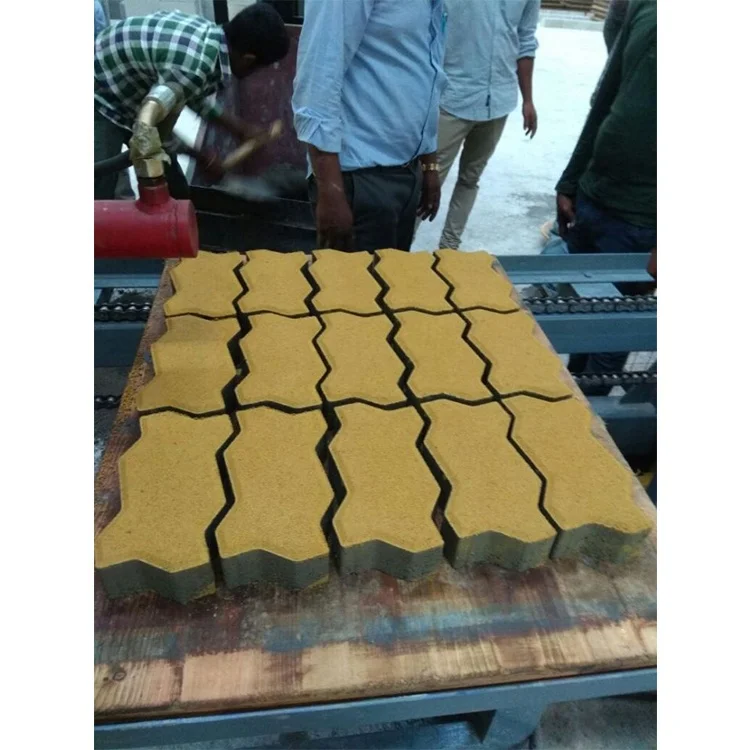
| Output (Paver 200×100×60 mm) | 31,104–38,880 pcs/8 hr (basis: 15–20 s cycle) |
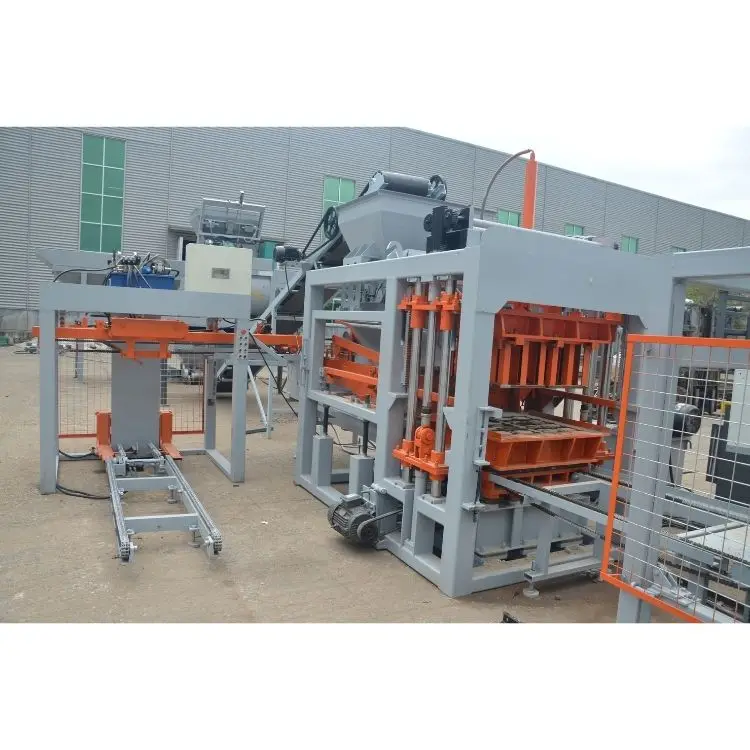
| Automation Level | Automatic (pallet feed, storage hopper, conveyor, hydraulic unit, PLC cabinet) |
| Warranty | 1 year for the whole machine (excluding spare parts) |
| Standards | CE (verify per shipment) |
Application Suitability
| Application | Material or Output |
|---|---|
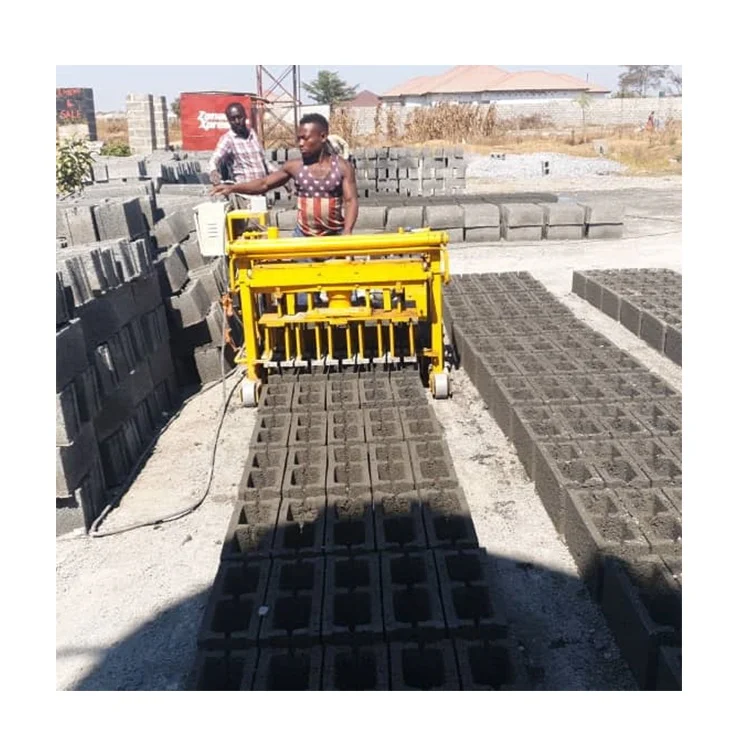
| Hollow block production | Crushed stone, sand, cement, water — 400×200×200 mm and 400×150×200 mm formats |
| Solid block production | Dense aggregate mix for load-bearing wall units |
| Rectangular paving brick | Fine aggregate and cement — 200×100×60 mm format |
| On-site block manufacturing | Mobile plant setup for housing or infrastructure projects |
| Multi-format plant production | Mould change between hollow, solid and paver formats on a single line |
Why the Dispatch Date Matters More Than the Cycle Time
A QT7-15 block machine in stock means your project deadline is protected from the moment payment clears.
When a contractor is two weeks from needing blocks on the wall, lead time collapses into the only variable that counts. I have watched project sites stall because a machine was still in production while foundations cured and scaffolding sat idle. The QT7-15 block machine in stock removes that gap — dispatch timing can be quoted at the inquiry stage rather than after weeks of silence. [NEED_CITE: impact of equipment lead time on construction project scheduling]
Stock Availability and Dispatch Sequence
For buyers working against a construction deadline, the first question is not what the machine can make but when it will arrive. This QT7-15 block machine in stock is held ready for container loading, with dispatch lead time confirmed before the order is placed. The buying sequence stays short: format confirmation, voltage check, pallet spec agreement, then loading schedule.
Container Loading and Machine Dismantling
The 8-tonne mass and overall dimensions of the QT7-15 require partial dismantling for container shipment. The hydraulic unit, PLC cabinet and mould assembly are separated and secured to prevent transit damage. A loading plan is shared with the buyer before the container is sealed, showing exactly how each sub-assembly is positioned and braced.
Arrival Estimate Quoted Upfront
Port-to-port transit time varies by destination, but the estimate is given at the quotation stage so the buyer can work backward from a project start date. This matters for contractors who have already committed to a masonry crew schedule and cannot absorb a two-week arrival delay. [NEED_CITE: container transit time variability by destination port]
Platform Vibration and Pallet Compatibility
The 100 kN platform vibration at 0–60 Hz adjustable frequency is what drives compaction density across both hollow block and paver formats. Equally important is the 1150×700 mm pallet size — it must match the curing racks and forklifts already on site. A mismatch here means the buyer either replaces their curing infrastructure or hand-stacks output that should have been palletised.
Why Buying Here Reduces Arrival Risk
Block machinery is the single focus of this supply chain, so the QT7-15 ships with mould, pallet and handling equipment specified together rather than sourced separately. Configuration is checked against the buyer’s actual mix design and local aggregate before dispatch, not set to a catalogue default. Standard moulds for the formats the buyer’s market sells are available from stock. Voltage, frequency and PLC display language are confirmed before the machine leaves the factory, preventing commissioning delays on arrival. Factory test records and packing photographs are shared before shipment so the buyer sees exactly what is going into the container.
Documentation & Verification
- Line layout showing the block format used for the capacity calculation
- Machine specification sheet with pallet size and vibration ratings confirmed
- Mould drawing and format list matching the buyer’s ordered block types
- Voltage, frequency and PLC language confirmation signed off pre-dispatch
- Factory test record on the buyer’s specified block format before loading
Installation, Commissioning & Support
- Foundation must support the 8-tonne operating mass with level tolerance for the 1150×700 mm pallet track
- Dedicated power circuit sized for the 45 kW overall draw with correct voltage and frequency
- Machine arrives partially dismantled; hydraulic unit and PLC cabinet reconnect on site
- PLC touch screen configured to the buyer’s language before commissioning begins
- Operator training covers mould change procedure and cycle adjustment by format
What to Include in Your Inquiry
Share the block formats your market requires, the daily output target, your local aggregate type and moisture conditions, and the voltage and frequency standard at your site. If you already have curing racks and forklifts, send the dimensions so pallet compatibility can be confirmed before the machine ships.
Frequently Asked Questions
Q: Is the QT7-15 currently in stock and what is the dispatch lead time?
A: Stock status and dispatch lead time are confirmed at the inquiry stage. When a unit is available, the loading schedule is set once pallet specification, voltage and control language are agreed. This means the timeline is established before the order, not discovered weeks later.
Q: How is the machine dismantled and loaded for container shipment?
A: The hydraulic unit, PLC cabinet and mould assembly are separated from the main frame for container loading. A loading plan with positioning and bracing details is shared before the container is sealed so the buyer knows exactly what to expect on arrival.
Q: What is the estimated arrival time to my port?
A: Port-to-port transit estimates are provided at the quotation stage based on the destination. This allows contractors and plant owners to align the machine arrival with their project start date and masonry crew scheduling.
Q: Are standard moulds included with the stocked QT7-15 unit?
A: Standard moulds for common hollow block and paver formats are available alongside the stocked machine. Custom moulds to buyer drawings can be included, with format and cycle time confirmed before the order is finalised.
Q: Can voltage and control language be changed before dispatch?
A: Voltage, frequency and PLC display language are confirmed with the buyer and set before the machine ships. This prevents the common situation where a machine arrives on site but cannot be commissioned because the electrical supply or interface language does not match local requirements. [NEED_CITE: voltage and frequency standards by export market]