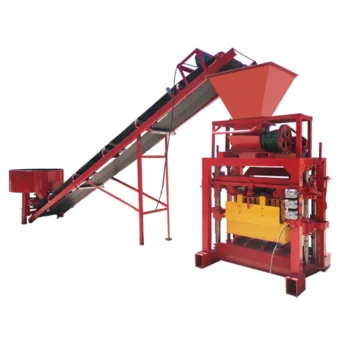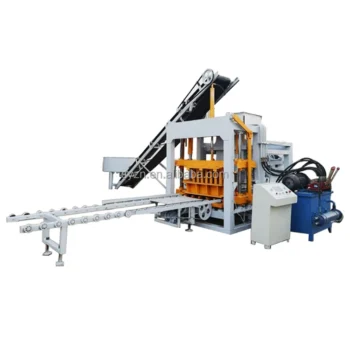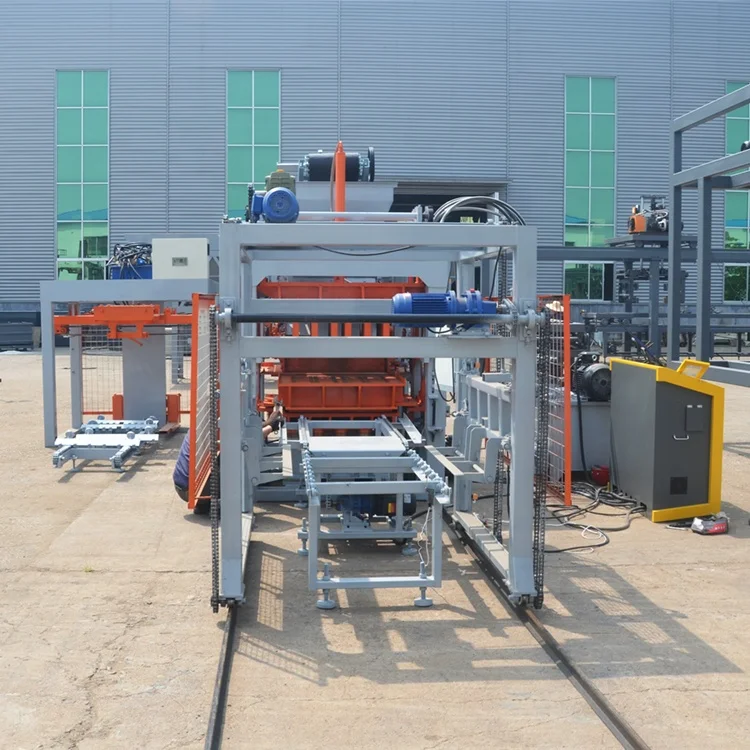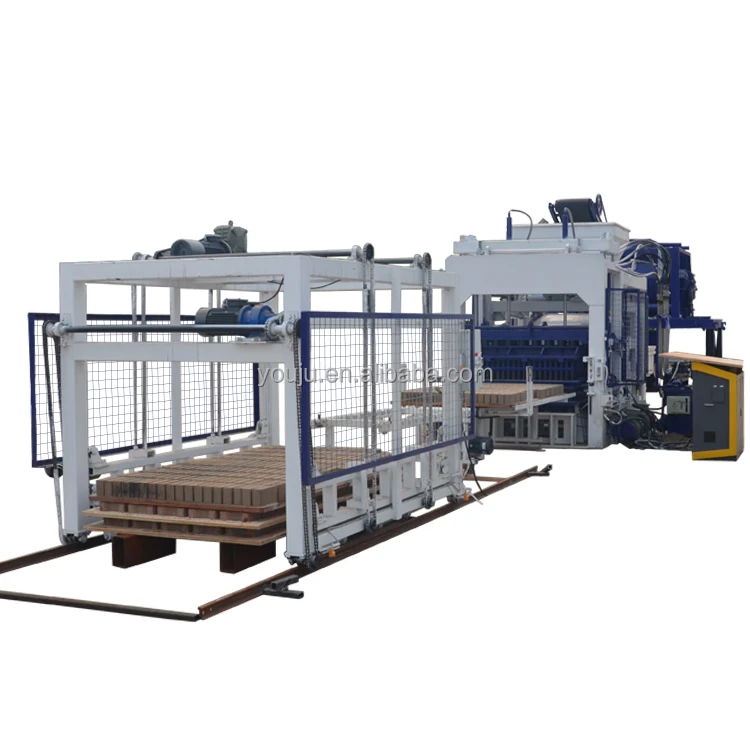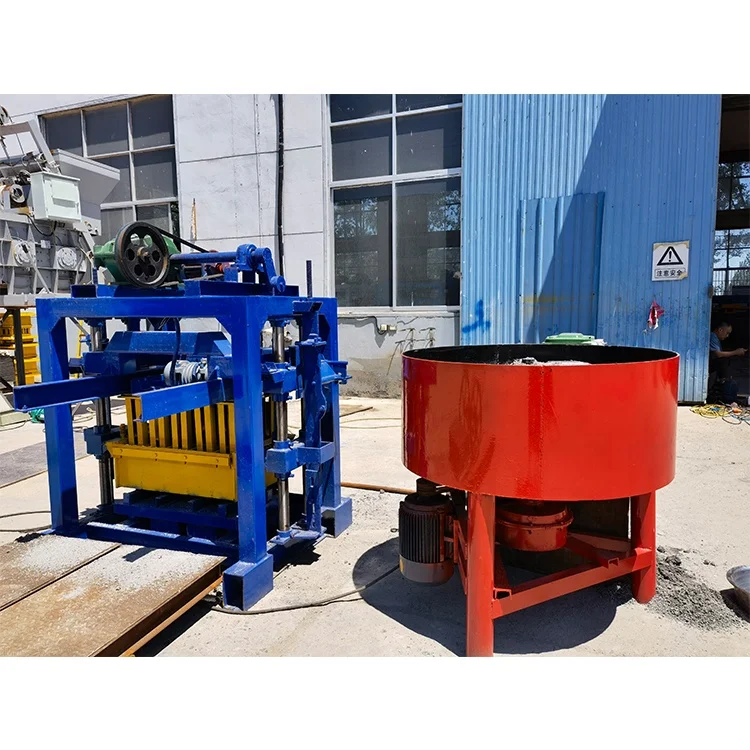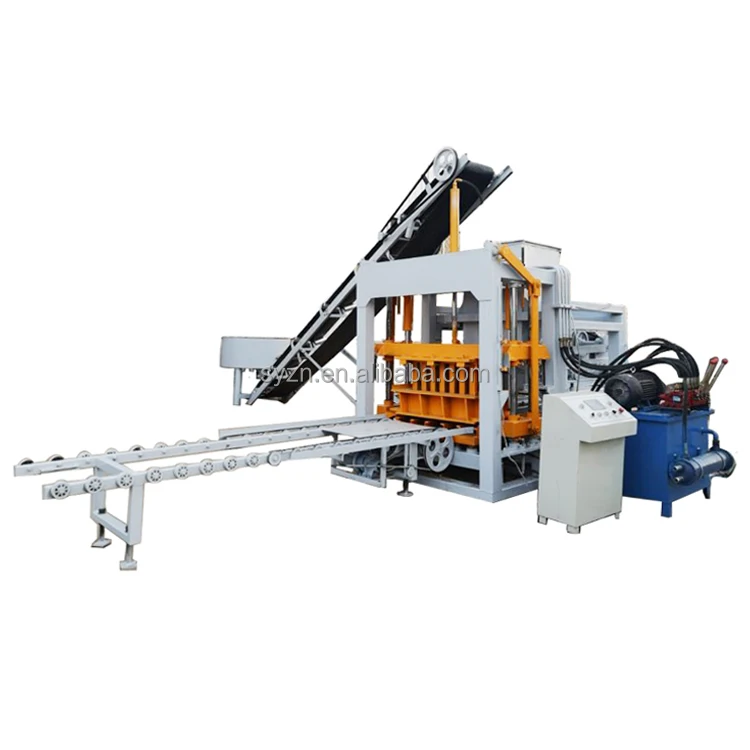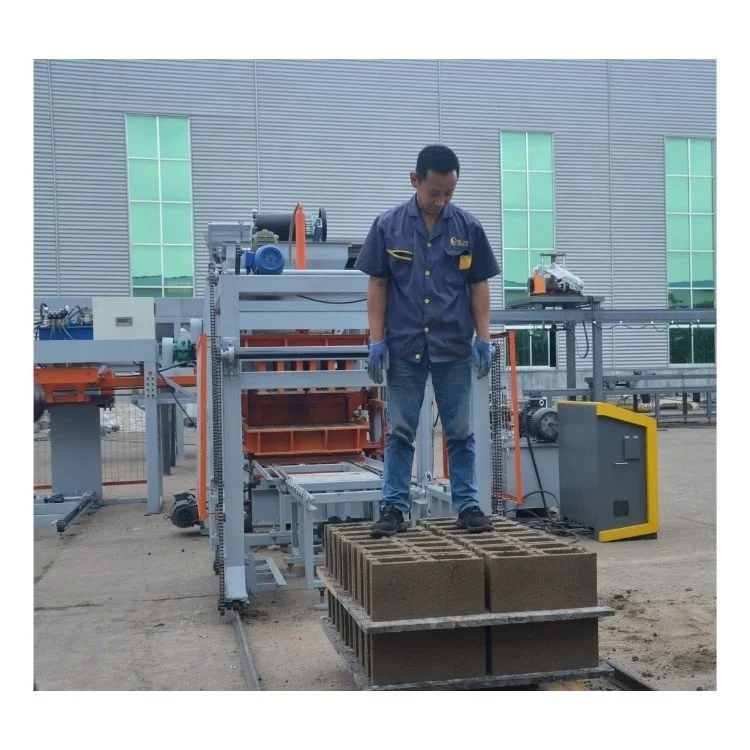


Description
Fast Dispatch Readiness — QT6-15 units are assembled, factory-tested and crated so container loading begins within days of deposit clearance, not weeks.
Technical Specifications
| Parameter | Value |
|---|---|
| Model | QT6-15 |
| Product Type | Automatic Concrete Block Making Machine |
| Dimension | 7350 × 1780 × 2950 mm |
| Rated Pressure | 16 MPa |
| Main Vibration | Platform vibration |
| Vibration Frequency | 4600 r/min |
| Pallet Size | 880 × 700 mm |
| Molding Cycle | 15–20 s |
| Overall Power | 30.5 kW |
| Automation Level | Automatic |
| Standards | CE, SGS, ISO 9001 |
| Warranty | One year |
| Assembly State | Full production line, container sea shipping |
Application Suitability
| Application | Material or Output |
|---|---|
| Hollow block production | Crushed stone, sand, cement, fly ash rated at 1080 pcs/hour based on 400×200×200 mm hollow block |
| Porous brick manufacturing | Cement, slag, gangue rated at 2800 pcs/hour based on 240×115×90 mm porous brick |
| Standard solid brick output | Sand, cinder, gravel rated at 6800 pcs/hour based on 240×115×53 mm standard brick |
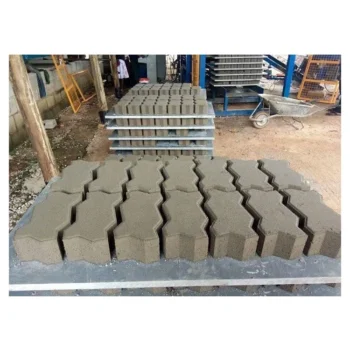
| Paving stone and kerbstone | Face-mix aggregates for road pavers, squares and landscaping products |
| On-site contractor production | Local aggregate and industrial waste for housing and development projects |
What "8640 Pieces per Day" Leaves Out About Delivery Timelines
A capacity number means nothing if the machine is still sitting on the factory floor waiting for a voltage confirmation.
Buyers often fixate on daily output and forget that the real bottleneck is arrival timing. A QT6-15 block machine in stock can ship within 20 days after deposit, but only if voltage, frequency, and control panel language are locked in before production finalizes. I once watched a container sit at port for three weeks because the control panel was in Chinese and the local electrician could not read the error codes. The output figures — 8640 hollow blocks per day based on 400×200×200 mm format — only start counting once the machine is actually running on your site. [NEED_CITE: voltage and frequency standards by export market]
Dispatch Sequence From Factory Floor to Container
Every QT6-15 block machine in stock goes through a final factory test cycle before dismantling for shipment. The platform vibration system is run under load, hydraulic pressure verified at 16 MPa, and the molding cycle timed across multiple formats. Once testing is complete, the machine is cleaned, paint protection is applied, and plastic film winding secures all exposed surfaces. This sequence is what separates a 20-day dispatch from a 60-day delay.
Container Loading and Arrival Estimation
The 7350 × 1780 × 2950 mm frame dimension means the QT6-15 requires careful container loading planning. The machine is dismantled into major assemblies — main press, hydraulic station, and control cabinet — each secured with reinforcement rings inside the container. Buyers receive a loading plan before dispatch so they know exactly which components arrive and in what order they come off the truck. Arrival estimates are quoted upfront based on destination port, not left as a surprise. [NEED_CITE: typical ocean freight transit times by region]
Reading the Specs That Actually Affect Your Site
The 880 × 700 mm pallet size is not arbitrary — it must match the curing racks and forklifts you already have on site. If your curing area uses 850 × 680 mm pallets, the mismatch forces a rack replacement you did not budget for. The 30.5 kW overall power draw requires a dedicated circuit; sharing a line with other equipment risks tripping breakers during the vibration cycle. Platform vibration at 4600 r/min paired with 16 MPa hydraulic pressure determines block density, and changing one without adjusting the other produces inconsistent strength across batches.
The Hidden Cost of Skipping Pre-Shipment Confirmation
When voltage and control language are not confirmed before the machine leaves the factory, the result is idle time on your project site. An electrician spends days rewiring panels, operators cannot interpret alarm messages, and the commissioning schedule slips. I have seen projects lose an entire curing cycle — weeks of production — because a 380V/50Hz machine arrived at a 440V/60Hz site. The QT6-15 fast delivery advantage disappears the moment pre-shipment checks are skipped. [NEED_CITE: common commissioning delays in exported industrial machinery]
Why Sourcing the QT6-15 Here Reduces Arrival Risk
Single-focus block machinery sourcing means the press, moulds, pallets and handling equipment ship as one matched system, not as separate purchases that arrive on different schedules. Dispatch lead time is quoted at order confirmation, not revised after production starts. Factory test records are generated on your specific block format — whether hollow, porous, or standard brick — so capacity is verified before the machine is crated. Packing photographs are shared before the container is sealed, giving you visual confirmation of what is on the truck. Documentation packages include customs support so port clearance does not become a second delay.
Documentation & Verification
- Factory test record timed on your specific block format before dismantling
- Voltage and frequency confirmation sheet signed before container loading
- Packing photographs of each major assembly shared before dispatch
- Hydraulic and electrical schematic matching the shipped configuration
- Pallet specification sheet confirming 880 × 700 mm dimensions and material grade
- Customs documentation support including HS code and origin certificates
Installation, Commissioning & Support
- Foundation plan sized to the 7350 × 1780 × 2950 mm footprint and vibration load
- Dedicated 30.5 kW power circuit with confirmed voltage and frequency before energizing
- Reassembly supervision covering hydraulic lines, platform vibration, and pallet feed alignment
- First-run parameter setting for molding cycle across hollow, porous, and standard formats
- Operator training on PLC display in confirmed language with alarm code walkthrough
- Wear parts list covering hydraulic seals and vibration motor bearings for first replacement
What to Include With Your Inquiry
To get an accurate dispatch date and arrival estimate, provide your target block format and the daily volume your project requires. Confirm your site voltage, frequency, and the control panel language your operators need. If you have existing curing racks or forklifts, share the pallet dimensions they accommodate so the 880 × 700 mm pallet compatibility is verified before the QT6-15 block machine in stock is reserved for your order.
Frequently Asked Questions
Q: When will the QT6-15 be delivered after order confirmation?
A: Typical dispatch is 20 days after deposit, depending on stock availability and pre-shipment confirmations. Voltage, frequency, and control language must be finalized before the machine leaves the factory. Arrival time at your port depends on destination and shipping schedule, and both are quoted before you commit.
Q: Is the QT6-15 in stock or made to order?
A: Standard configurations of the QT6-15 block machine in stock are available for fast dispatch. Custom mould designs or non-standard voltage requirements may extend the lead time. Confirming your electrical specifications and block format early ensures the shortest path from order to container loading.
Q: How is the machine packed and loaded for container shipment?
A: The QT6-15 is dismantled into major assemblies, wrapped in plastic film, and secured with reinforcement rings inside the container. A loading plan is provided so you know the sequence of components. Packing photographs are shared before the container doors are sealed for final confirmation.
Q: What voltage and frequency options are available for immediate shipment?
A: Standard stock units are configured for common industrial voltages, but the exact voltage and frequency must match your site supply. Confirming this before dispatch avoids rewiring delays on arrival. The QT6-15 fast delivery timeline depends on this confirmation being completed before crating.
Q: Can I see packing photographs before the machine leaves the factory?
A: Yes, packing photographs of each major assembly — main press, hydraulic station, control cabinet, and pallet stack — are shared before the container is sealed. This gives you visual verification that the correct configuration is loaded and that protective wrapping is properly applied for ocean transit.