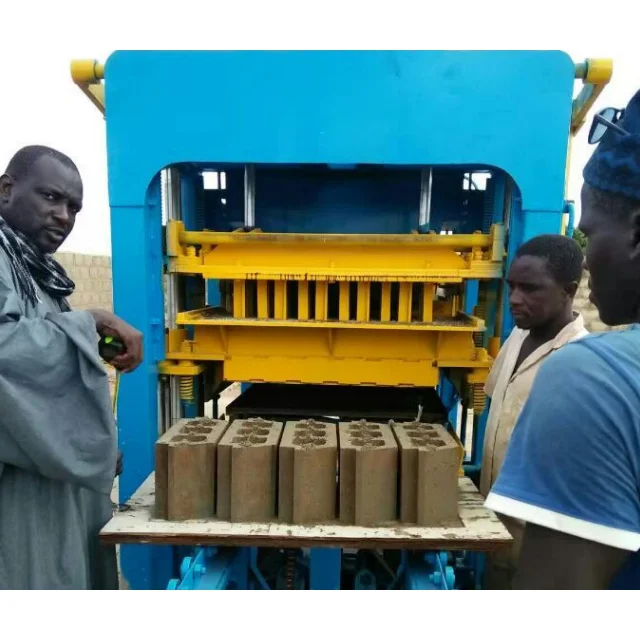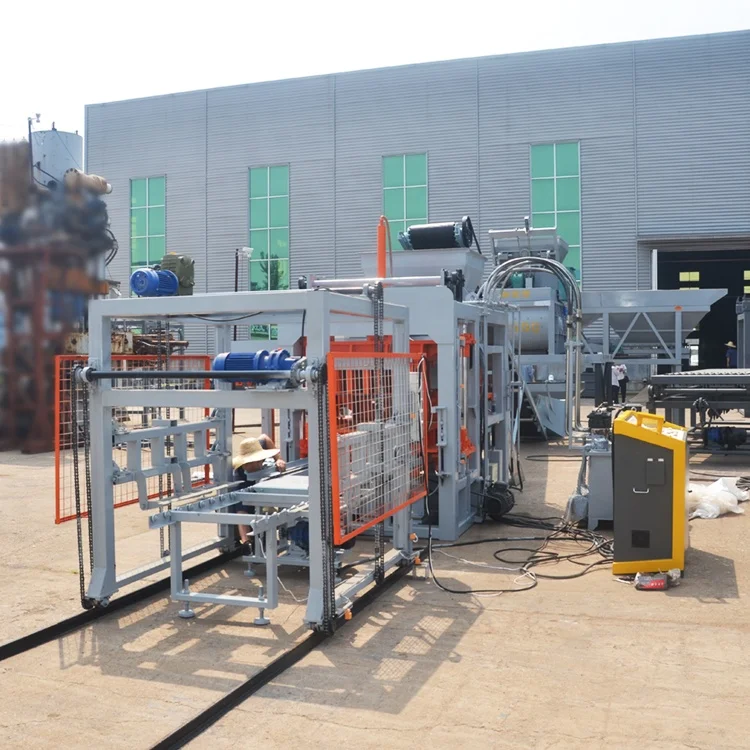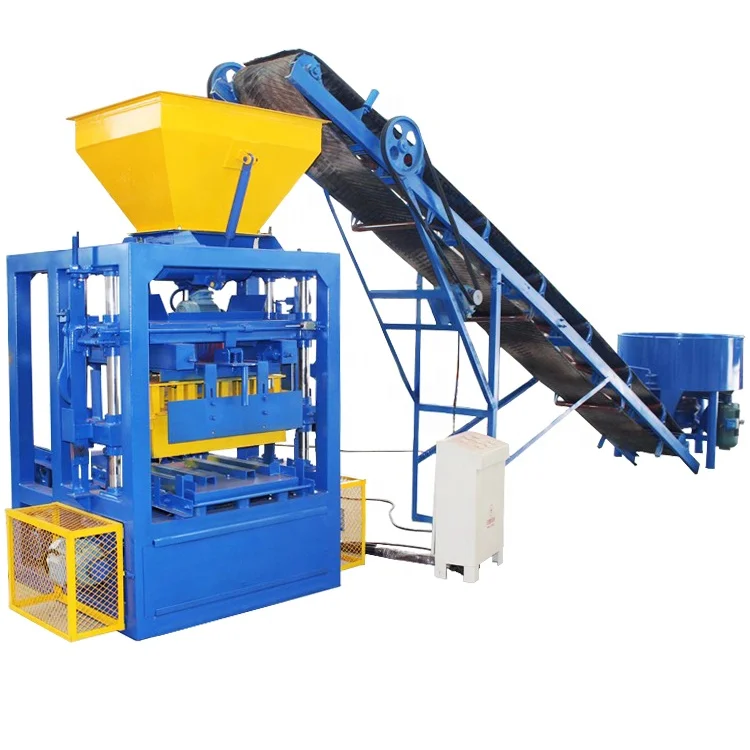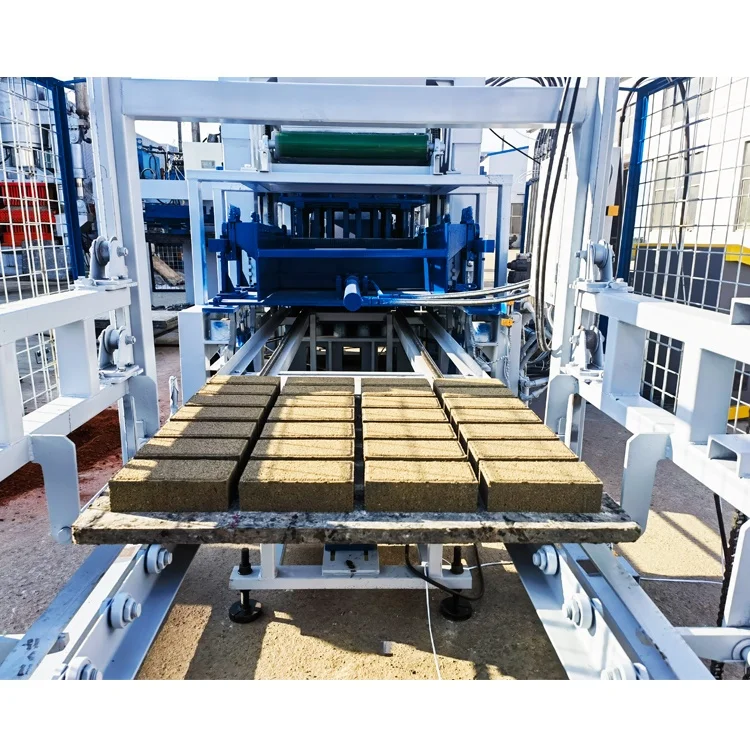
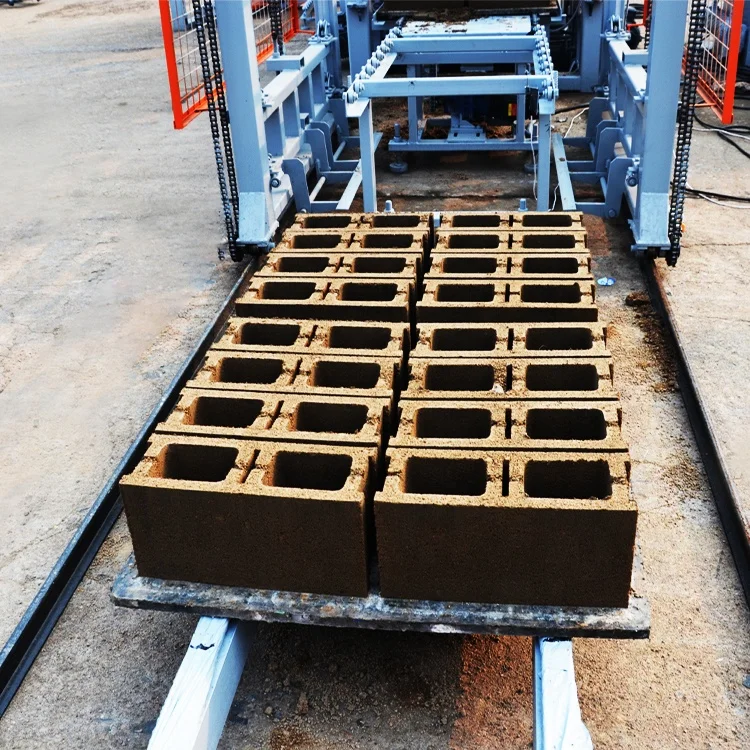
Description
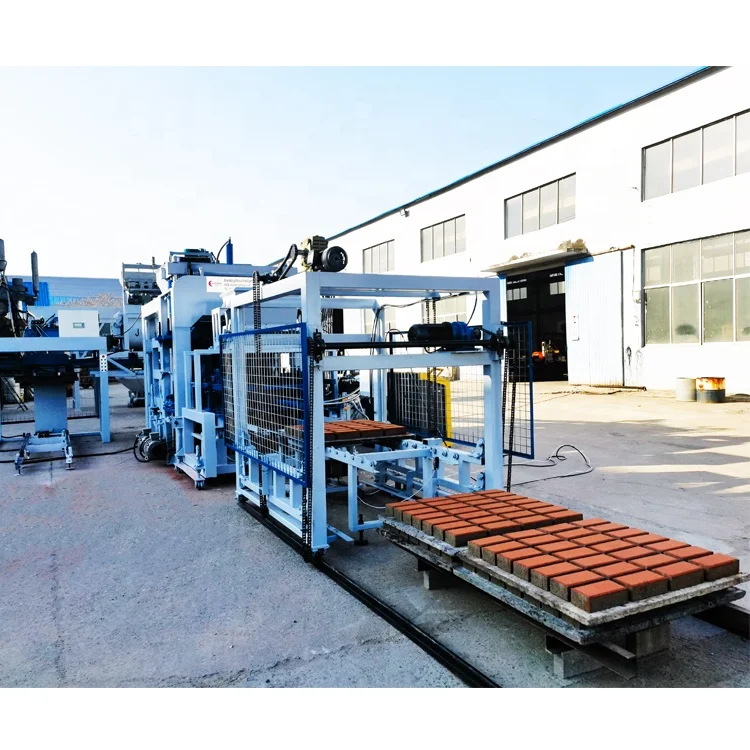
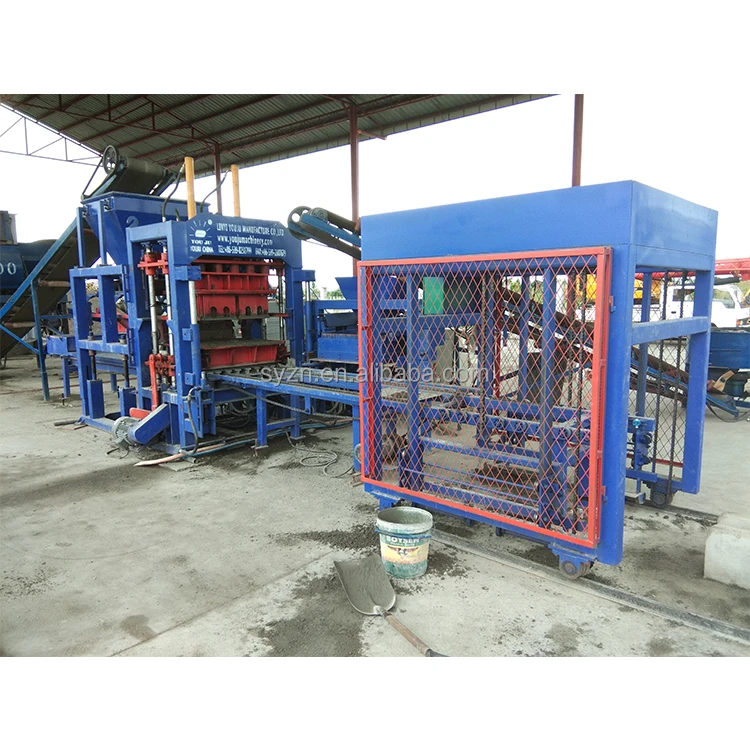
Container-Ready Dispatch — Standard QT612 configurations ship fully assembled with verified voltage and language settings confirmed against the buyer’s site before the factory doors close.
Technical Specifications
| Parameter | Value |
|---|---|
| Model | QT612 |
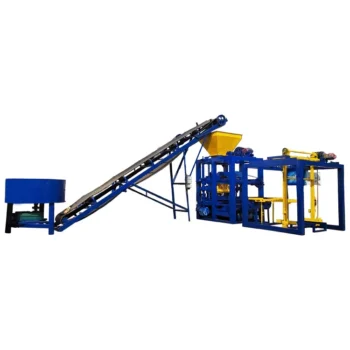
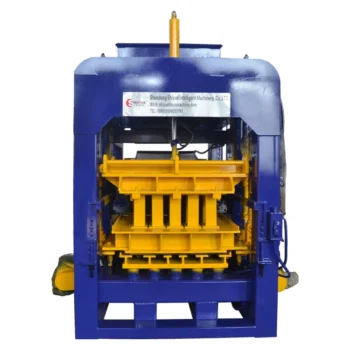
| Product Type | Hydraulic Block Making Machine |
| Overall Dimensions (L×W×H) | 7350×1780×2950 mm |
| Rated Pressure | 16 MPa |
| Main Vibration Type | Platform vibration |
| Vibration Frequency | 4600 r/min |
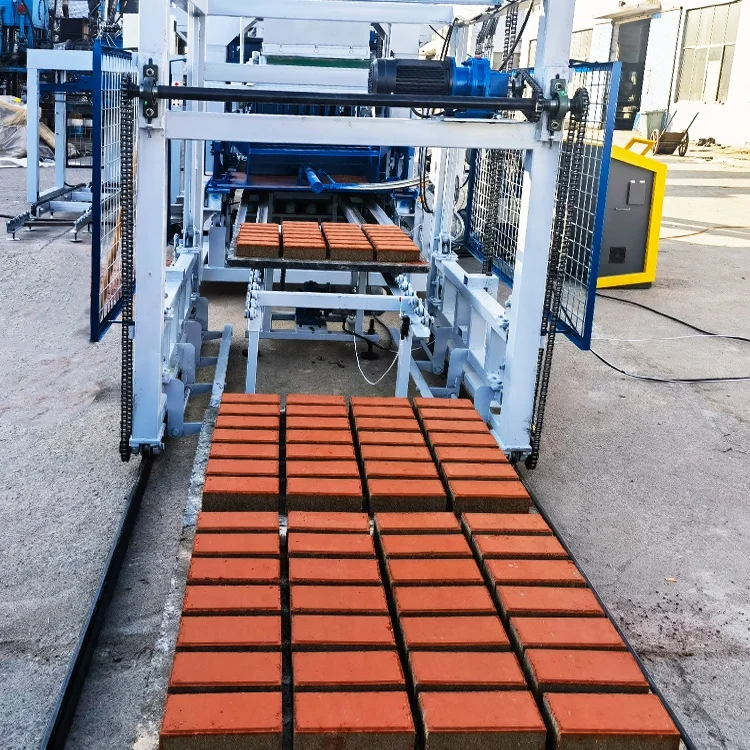
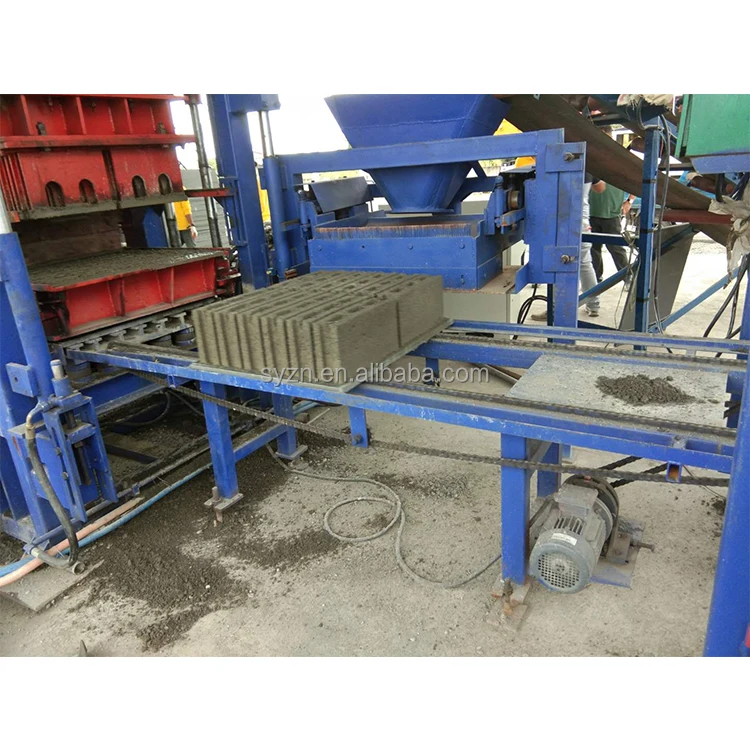
| Pallet Size | 880×700 mm |
| Molding Cycle | 15–20 s |
| Overall Power | 30.5 kW |
| Automation Level | Automatic |
| Raw Materials | Crushed stone, sand, cement, fly ash, cinder, slag, gangue, gravel, perlite, industrial waste |
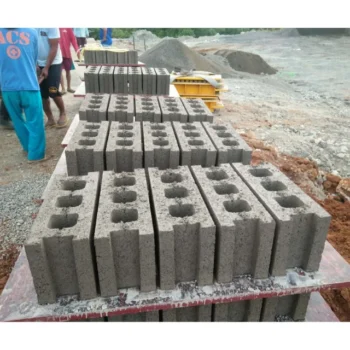
| Applied Products | Hollow, solid, porous, interlocking, paving blocks; kerbstones; landscaping products |
| Output Capacity (Hollow Block 400×200×200 mm) | 6 pcs/mould, 1080 pcs/h, 8640 pcs/day (based on 12–15 s cycle) |
| Output Capacity (Standard Brick 240×115×53 mm) | 30 pcs/mould, 6800 pcs/h, 54400 pcs/day (based on 14–17 s cycle) |
| Warranty | One year (one set of spare parts / wear & tear parts included with shipment) |
| Assembly State | Fully assembled, shipped by full container sea freight |
| Standards | CE, SGS, ISO 9001 |
Application Suitability
| Application | Material or Output |
|---|---|
| On-site block production for project contractors | Hollow blocks 400×200×200 mm from local crushed stone and cement |
| Commercial paver and kerbstone manufacturing | Interlocking paving stones and edge kerbs from face-mix aggregates |
| First-plant entrepreneurs targeting standard masonry | Porous bricks 240×115×90 mm and standard solid bricks 240×115×53 mm |
| Building material distributors expanding format range | Multiple formats from one press by changing moulds |
What "In Stock" Actually Means for Your Deadline
A stocked QT612 block machine shortens the procurement window, but only if the pallet handling, voltage, and PLC language are confirmed before the container is booked.
I’ve watched project timelines collapse because a machine arrived on site but couldn’t be powered on — the local grid was 440V/60Hz while the factory had wired for 380V/50Hz. The QT612 block machine in stock might be ready to ship, but "stock" without voltage and control language verification just moves the delay from the factory to your job site [NEED_CITE: voltage and frequency standards by export market]. A buyer working to a construction milestone needs the arrival estimate and container loading plan locked down, not just a dispatch date.
Stocked Configurations Versus Built-to-Order Reality
Not every mould format sits on the shelf. When evaluating a QT612 block machine in stock, the first question is which moulds ship with the standard package and which require a separate lead time. Standard hollow block and solid brick moulds typically move faster, while custom interlocking or landscaping profiles may add a production cycle before the machine leaves the factory.
Container Loading and Protective Measures
The QT612 ships fully assembled in a full container load. Before dispatch, the machine receives protective wrapping, reinforcement-ring securing to prevent shift during transit, and paint protection. The container loading plan should detail whether pallets, the spare parts set, and any stacking equipment are included in the same container or shipped separately — this distinction affects your on-site unpacking sequence [NEED_CITE: standard container loading practices for heavy industrial machinery].
Why 16 MPa and 4600 r/min Matter for Block Density
Platform vibration at 4600 r/min combined with 16 MPa rated hydraulic pressure determines the compaction density across every block format you run. Insufficient vibration force relative to the hydraulic pressure leaves porous bricks brittle at the edges; excessive pressure without matched vibration creates internal stress fractures in hollow blocks. The 880×700 mm pallet size is fixed, so your curing area layout and forklift capacity must accommodate that dimension from day one. The 15–20 second molding cycle varies by format — a 400×200×200 mm hollow block completes faster than a dense interlocking paver, so capacity calculations must reference the specific block format assumed.
The Hidden Cost of Skipping Pre-Shipment Verification
A machine that arrives with the wrong PLC display language forces operators to rely on hand gestures and guesswork during commissioning. Moulds that were ordered but not included in the stock configuration leave the buyer paying for format flexibility they cannot use until a second shipment clears customs. Pallet handling and stacking equipment excluded from the quotation means output piles up on the factory floor, waiting for manual labor that negated the automation advantage the buyer paid for [NEED_CITE: common commissioning delays in international machinery procurement].
Why Source the QT612 Here
Block machinery is the single focus, meaning the press, moulds, pallets, and handling equipment are specified as one matched system rather than assembled from separate suppliers. Configuration is set against your actual mix design, local aggregate, and target block format — not a catalogue default. The mould design covers the formats your market actually sells, and the automation level is selectable so you can start with the stocked semi-automatic setup and upgrade later. Factory test records ship with the machine, showing performance on your specified block format before it left the floor. Documentation includes the CE declaration, hydraulic and electrical schematics, and customs paperwork support to prevent clearance delays at your port.
Documentation & Verification
- Factory test record showing cycle time on your specified block format before dispatch
- Hydraulic and electrical schematic with confirmed voltage, frequency, and PLC language
- Mould drawing and format list for every mould included in your shipment
- Packing list and container loading plan detailing pallets, spare parts, and handling equipment
- CE declaration and ISO 9001 documentation package for customs clearance support
Installation, Commissioning & Support
- 7350×1780×2950 mm footprint requires a level concrete foundation with curing area sized for 880×700 mm pallets
- 30.5 kW overall power demands a dedicated circuit at the confirmed voltage and frequency
- Fully assembled state means on-site work is limited to electrical connection, hydraulic fluid fill, and pallet loading
- Commissioning includes parameter setting matched to your local aggregate and mix design
- Operator training covers mould change procedure, PLC navigation, and daily maintenance checkpoints
- One-year warranty with one set of wear and spare parts included; replacement schedule provided at handover
What We Need to Confirm Before Booking Your Container
Provide your target block format and the daily output you need for that specific format, not a generic figure. Share your local aggregate type and mix design so the vibration and pressure settings are calibrated before the machine ships. Confirm your site voltage, frequency, and preferred PLC display language so the control panel is wired and programmed correctly. Let us know your curing area dimensions and forklift capacity so the pallet specification is compatible from day one.
Frequently Asked Questions
Q: Which QT612 configurations and moulds are currently in stock versus made to order?
A: Standard hollow block and solid brick moulds typically ship with the stocked machine. Interlocking, landscaping, and custom profiles may require additional lead time. Request the exact stock list and dispatch date for your destination port before committing to a timeline.
Q: What is the dispatch lead time, and how is arrival at my port estimated?
A: Dispatch from the factory is quoted upfront based on stock status and container availability. Arrival estimates factor in sea freight duration to your specific port and customs clearance variables. Confirm your destination port for a detailed timeline.
Q: How is the machine loaded into a container, and what protective measures are taken?
A: The QT612 ships fully assembled with protective wrapping, reinforcement-ring securing, and paint protection applied. The container loading plan details whether pallets, spare parts, and stacking equipment are included in the same container or shipped separately.
Q: Is voltage, frequency, and control language confirmed before shipment?
A: Yes. The buyer must provide their site voltage, frequency, and preferred PLC display language in writing before the machine leaves the factory. This prevents commissioning delays and transformer waits on arrival.
Q: What spare parts ship with the machine, and when is the first replacement due?
A: One set of wear and spare parts is included in the shipment under the one-year warranty. The replacement schedule for hydraulic seals, vibration components, and mould wear surfaces is provided at commissioning based on your production volume.