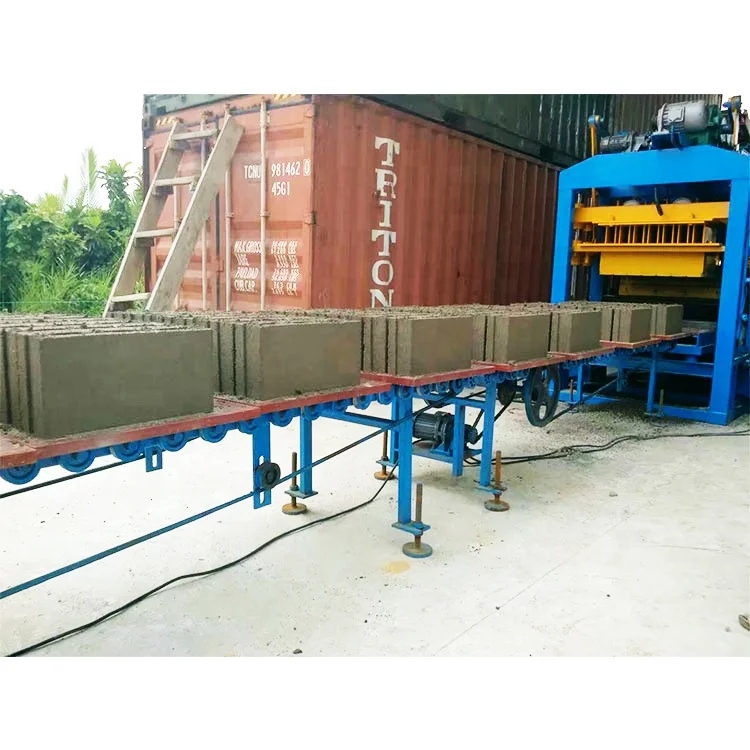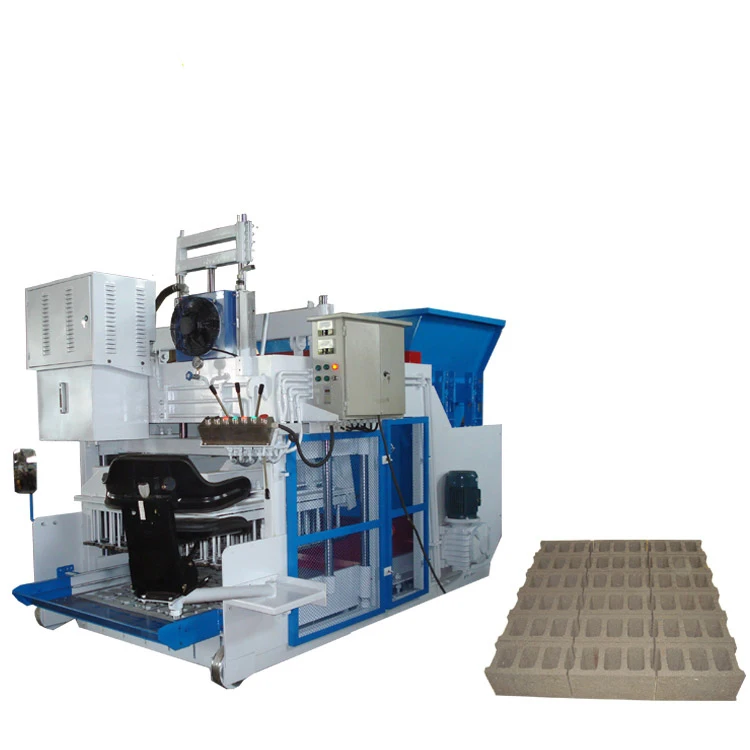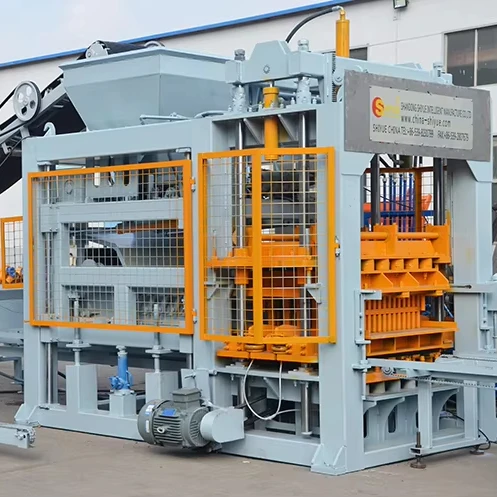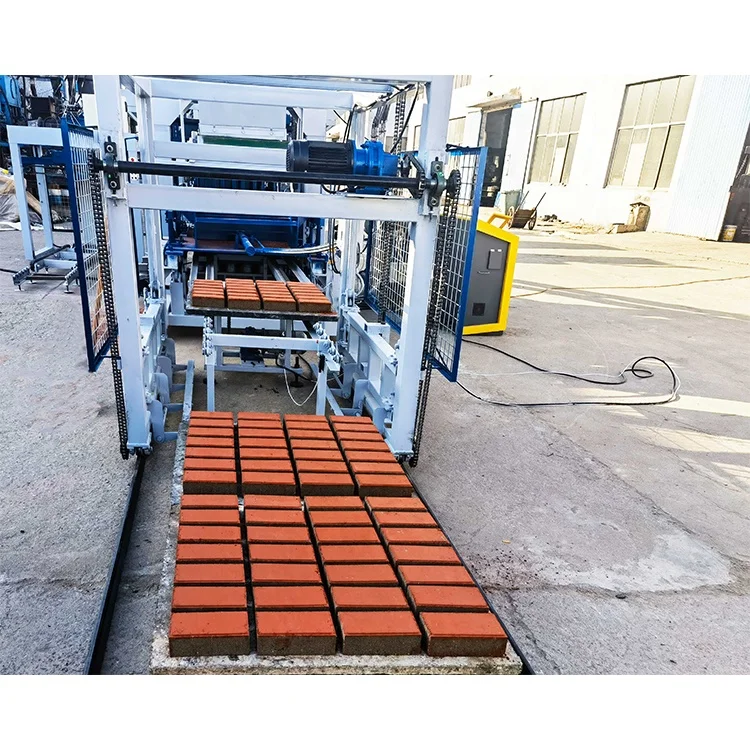
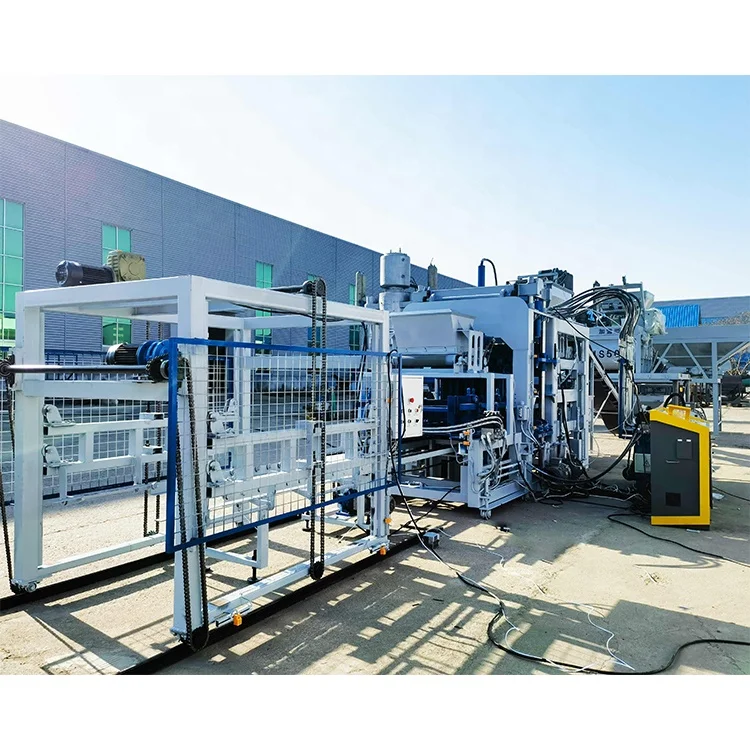
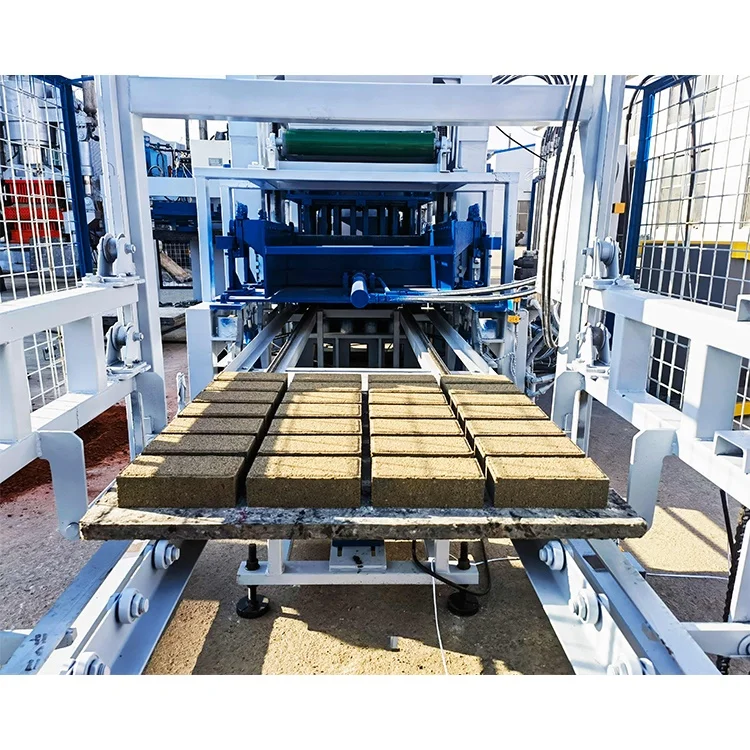
Description
Fast Dispatch — Every QT8-15 block machine in stock is dismantled, photographed, and container-loaded under a verified shipping checklist so arrival estimates hold up against actual project deadlines.
Technical Specifications
| Parameter | Value |
|---|---|
| Product Type | Automatic Concrete Block Making Machine |
| Model | QT8-15 |
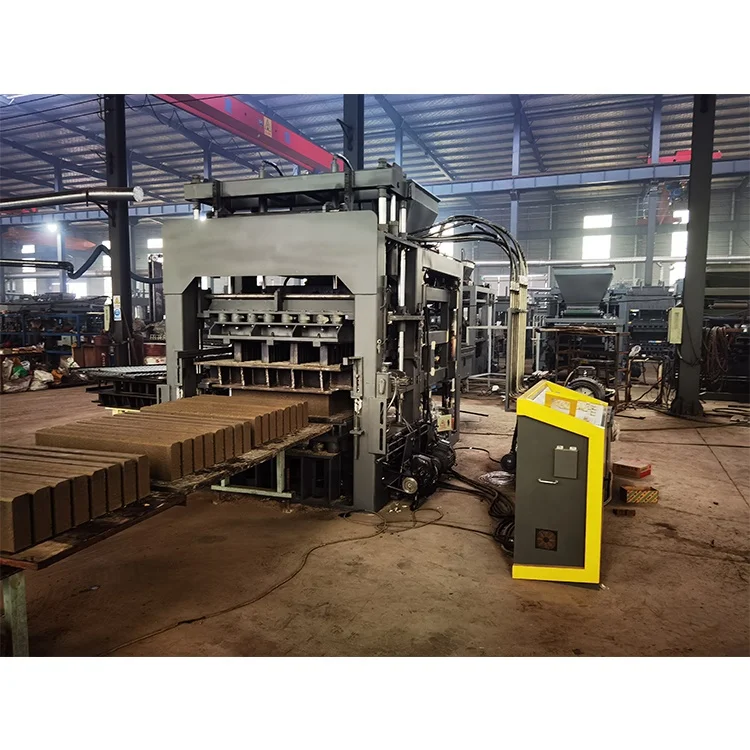
| Overall Dimensions (L×W×H) | 8300 × 1860 × 3000 mm |
| Total Mass | 9 T |
| Rated Pressure | 21 MPa |
| Main Vibration Form | Platform Vibration |
| Vibration Frequency | 2800–4500 r/min |
| Vibration Force | 60 kN |
| Pallet Size | 950 × 900 mm |
| Molding Cycle | 15–25 s (basis to be confirmed per block format) |
| Overall Power | 55.5 kW |
| Demolding Method | Hydraulic |
| General Water Consumption | 12 T/Day |
| Factory Area | 600 m² |
| Control System | PLC with human-machine interface dialogue system |
| Automation Level | Fully automatic (automatic material feeding and block stacking) |
| Vibration System | Synthetic output compounded with double vibration sources, frequency conversion and braking, vertically synchronous vibration |
| Feeding System | Semi-closed screen reticular rotational feeding unit with forced feeding |
| Voltage & Frequency | Configurable (to be confirmed before dispatch) |
| PLC Display Language | Configurable (to be confirmed before dispatch) |
Application Suitability
| Application | Material or Output |
|---|---|
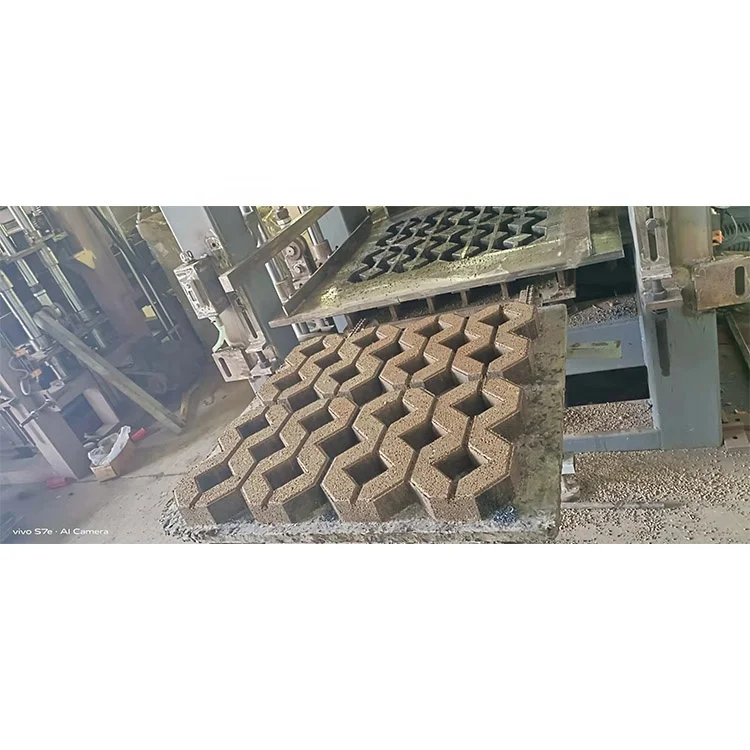
| Hollow block production for building walls | Crushed stone, sand, cement, fly ash |
| Solid block manufacturing for load-bearing structures | Gravel, sand, cement, slag |
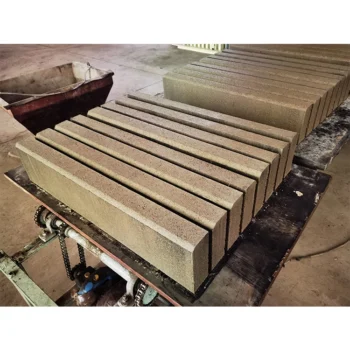
| Paving slab and colored paver runs | Fine aggregates, cement, pigment additives |
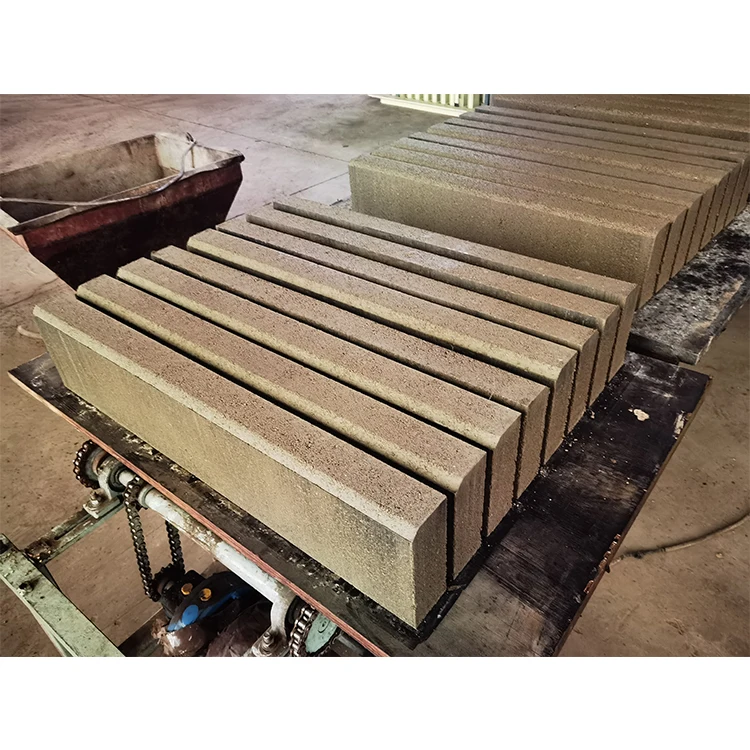
| Interlocking paver and curbstone output | Crushed stone, sand, cement blends |
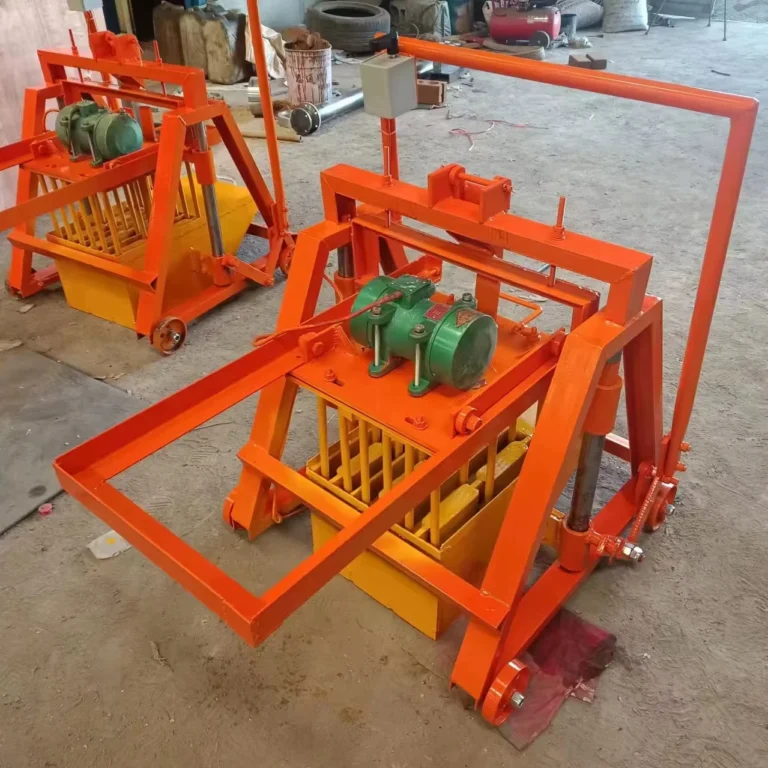
| On-site temporary block plants for construction projects | Locally sourced aggregate and cement |
What "Stocked and Ready to Ship" Actually Means for Your Timeline
A machine labeled "in stock" only matters if the container loading plan and dismantling checklist are already prepared.
Many buyers have discovered that a QT8-15 block machine in stock can still arrive at the port with the hydraulic station separated from the main frame across two containers and no labeling to indicate reassembly order. That single oversight adds days of idle time on site while crews figure out which bolts go where. When dispatch lead time is quoted without a written loading plan, the arrival estimate becomes unreliable. [NEED_CITE: typical container loading and customs clearance timelines for heavy machinery exports]
Dispatch Readiness Beyond the Warehouse Floor
Having a QT8-15 block machine in stock is only the first step. The machine must be dismantled in a sequence that matches how it will be reassembled at the destination. Hydraulic hoses, electrical panels, and the vibration platform each need separate crating with clear markings. A complete dispatch package includes the loading photograph set, container seal numbers, and a reassembly guide that operators on the receiving end can follow without waiting for an engineer to arrive.
Container Loading and the 9-Ton Reality
The QT8-15 carries a total mass of 9 T with overall dimensions of 8300 × 1860 × 3000 mm. This footprint demands a dismantling plan that fits standard container internal clearances while keeping heavy assemblies like the hydraulic press frame and vibration platform secure against shifting during sea transit. Incorrect weight distribution inside the container can delay port handling or trigger inspection holds. Every loading plan must account for the pallet feeding system, the stacking unit, and the main press as separate secured items. [NEED_CITE: container weight distribution standards for heavy industrial machinery]
Reading the Numbers That Matter for Production
The rated pressure of 21 MPa working alongside 60 kN vibration force determines how densely the concrete mix is compacted inside the mould. Higher compaction density produces blocks with greater compressive strength, but only when the local aggregate gradation and cement ratio are matched to those force settings. The 950 × 900 mm pallet size must align with whatever curing rack system and forklift the buyer already operates; a mismatch here creates a bottleneck between the press output and the curing area. The PLC-controlled fully automatic system manages material feeding through stacking, reducing manual handling stages, yet the molding cycle of 15–25 seconds varies depending on the block format being produced — thicker blocks and interlocking pavers sit at the longer end of that range. The 55.5 kW overall power draw requires a dedicated electrical circuit sized to handle startup surges from the vibration motors and hydraulic pump simultaneously.
When the Wrong Configuration Reaches the Port
Buyers who confirm voltage and PLC display language after the machine has shipped face weeks of delay while replacement control components are sourced locally. A QT8-15 block machine in stock that arrives with a 380V/50Hz setup in a market running 440V/60Hz will not commission until a transformer or motor swap is completed. Similarly, pallets specified without checking the curing yard dimensions force the buyer to either rebuild the curing area or handle blocks manually, negating the automatic stacking system the machine was configured to provide. [NEED_CITE: common commissioning delays caused by voltage and frequency mismatches in export machinery]
Why This Dispatch Point Matters for Your Project
Stock verification happens against a live inventory list, not a catalogue promise, so buyers receive a written dispatch date tied to a specific machine serial number. Dismantling follows a standardized checklist that photographs every separated component before it enters the container, creating a visual reassembly reference. Container loading plans are matched to the 9 T total mass and the 8300 mm frame length, preventing mid-transit damage claims. Documentation packages travel with the shipment and include the factory test record, hydraulic and electrical schematics, and customs paperwork in the formats the destination port requires. Every QT8-15 block machine in stock is configured against the buyer’s stated block format, local aggregate, and target voltage before the container is sealed.
Documentation & Verification
- Factory test record run on your specified block format before the machine leaves the floor
- Hydraulic and electrical schematic set matching the as-shipped configuration
- Container loading photograph series with component labeling and seal numbers
- Pallet specification sheet confirming 950 × 900 mm dimensions and material grade
- Customs documentation package prepared for the destination country’s import requirements
- Voltage and PLC display language confirmation document signed before production
Installation, Commissioning & Support
- Foundation must support the 9 T total mass across the 8300 × 1860 mm footprint with level tolerance
- Dedicated electrical circuit rated for the 55.5 kW overall power draw including motor startup surge
- Dismantled components arrive labeled per the loading photograph set for sequenced reassembly
- Commissioning includes PLC parameter setup for the confirmed block format and local voltage
- Operator training covers the fully automatic feeding and stacking sequence from first run
- Wear parts list with hydraulic seal and vibration motor brush replacement intervals provided
What We Need to Quote Your Dispatch Date
To lock in a shipping timeline, provide the block format you intend to produce daily, your local voltage and frequency standard, and the PLC display language your operators require. Confirm whether your curing yard can accommodate 950 × 900 mm pallets with your existing forklift. Share the port of destination so that sea transit days can be calculated into the arrival estimate before payment terms are finalized.
Frequently Asked Questions
Q: Is the QT8-15 currently in stock or scheduled for production?
A: Inventory status is checked against a live list at the time of inquiry. When a unit is available, a written dispatch date is issued tied to a specific machine, not a general product category. If production is required, the lead time is quoted from the confirmed order date with a factory test scheduled before container loading.
Q: How is the machine dismantled for container shipment?
A: The main press frame, hydraulic station, pallet feeding system, and stacking unit are separated following a standardized checklist. Each component is crated and photographed with labeling that matches the reassembly sequence. The dismantling plan accounts for the 8300 mm overall length to fit standard container clearances.
Q: What customs documents are included with the shipment?
A: The documentation package includes the commercial invoice, packing list, bill of lading, factory test record, and CE declaration where applicable. Documents are prepared in the format required by the destination country’s import regulations. Buyers receive digital copies before the vessel departs for pre-clearance preparation.
Q: Which mould formats ship together with the machine?
A: Standard moulds matching the buyer’s confirmed block format are included in the same container. Common formats include hollow blocks, solid blocks, and paving slabs. Custom mould designs based on buyer drawings can be produced and loaded in the same shipment if confirmed before the dispatch date.
Q: Can voltage and PLC language be matched to my market before shipping?
A: Both the electrical configuration and the PLC display language are confirmed in writing before the machine enters final assembly or is released from stock. This prevents commissioning delays at the destination where sourcing replacement control components locally would add significant idle time to the project schedule.