Description
Stock Dispatch Ready — QT8-15 units prepared for container loading, with dismantling plans and arrival timelines confirmed before you commit to a shipping date.
Technical Specifications
| Parameter | Value |
|---|---|
| Model | QT8-15 |
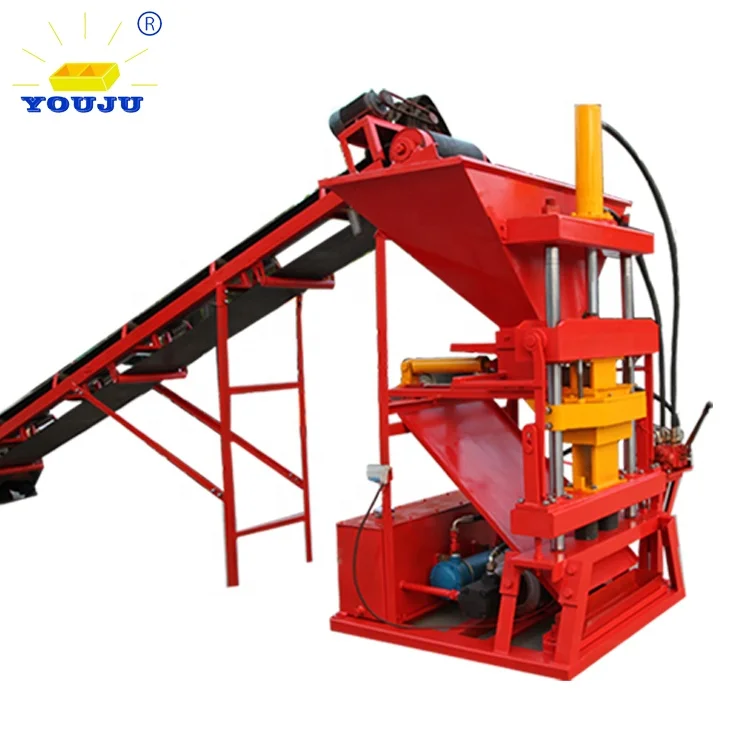
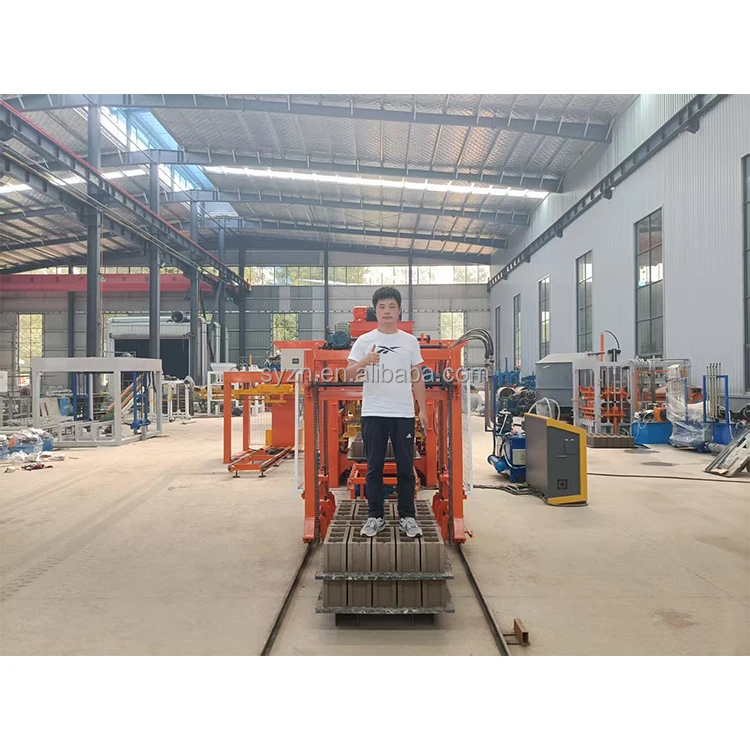
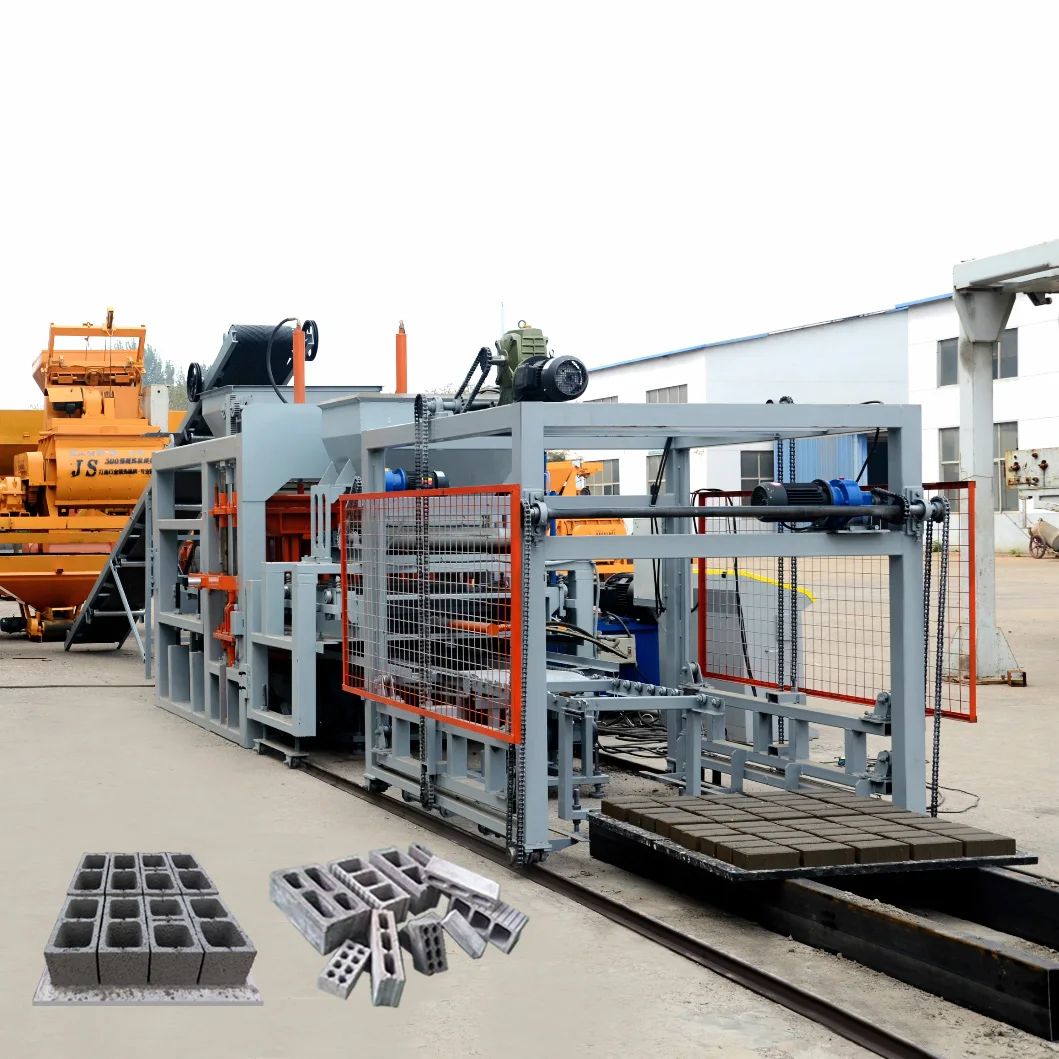
| Product Type | Automatic Concrete Block Making Machine |
| Overall Dimensions (L×W×H) | 8300 × 1860 × 3000 mm |
| Rated Pressure | 21 MPa |
| Vibration Form | Platform Vibration |
| Vibration Frequency | 2800–4500 RPM |
| Pallet Size | 950 × 900 mm |
| Moulding Cycle | 15–25 s (basis to be confirmed by block format) |
| Overall Power | 37 kW |
| Control System | PLC with touch screen human-computer interface |
| Automation Level | Automatic (manual/automatic mode selectable) |
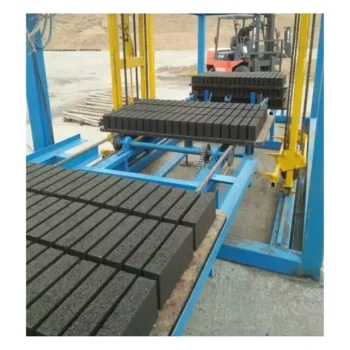
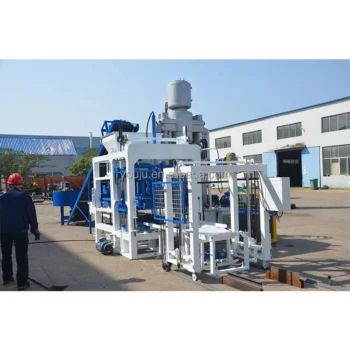
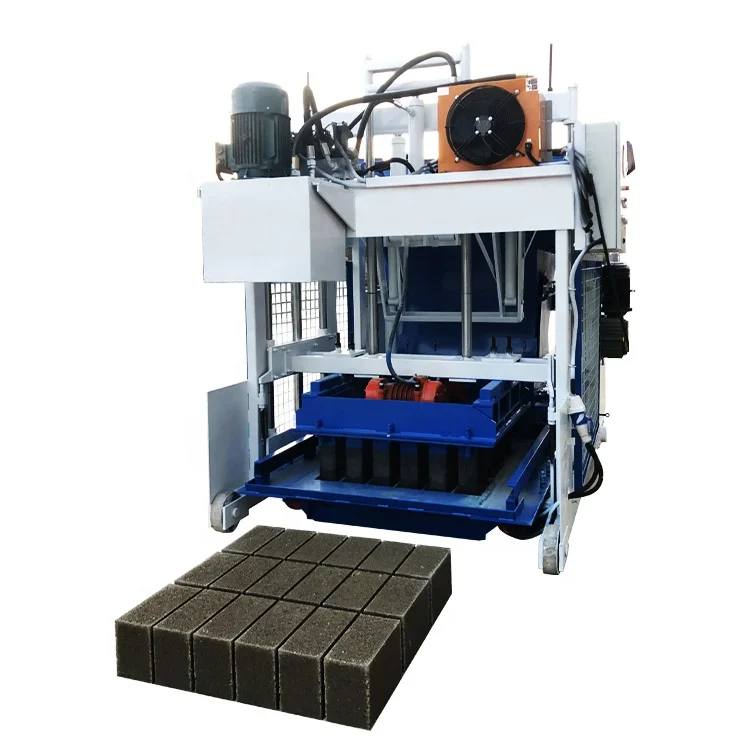
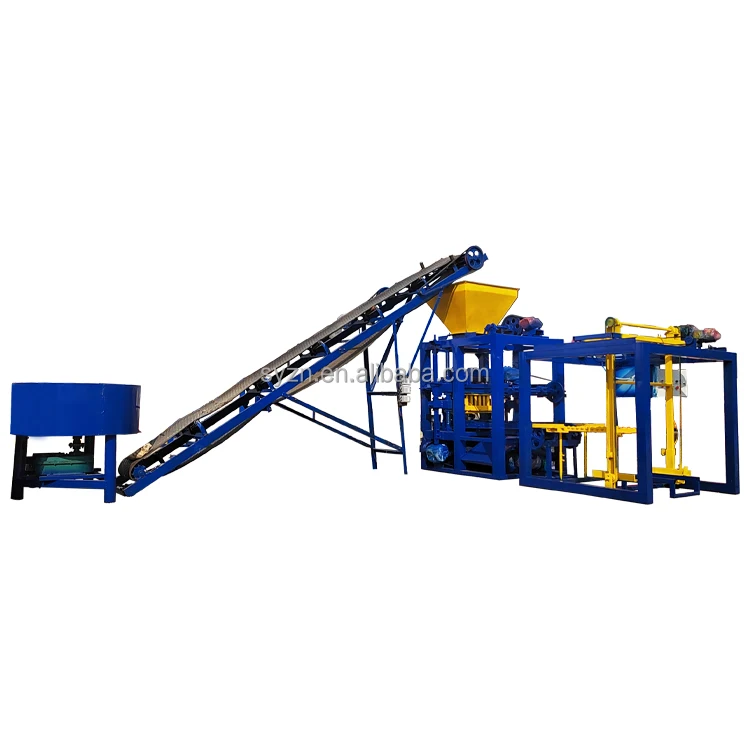
| Main Components | Pallet feeder, host machine, block conveyor, hydraulic station, PLC controller |
| Block Strength | Up to 15 MPa |
| Hydraulic System | Independent integrated hydraulic station |
| Voltage & Frequency | Configurable to destination market (to be confirmed before ordering) |
| CE Declaration | Available where applicable |
Application Suitability
| Application | Material or Output |
|---|---|
| Hollow block production | Crushed stone, sand, cement blends for load-bearing and partition walls |
| Solid block production | Dense aggregate mixes for foundation and structural masonry |
| Paving block production | Fine aggregate and cement for pedestrian and vehicular paving surfaces |
| Kerbstone and interlocking brick | Specialised mould formats using standard concrete raw materials |
What "Fast Delivery" Actually Means When You Are Counting Days on Site
A written dispatch date tied to container loading, not a verbal promise of "soon."
When a project mobilisation date is locked, every day a block machine spends in transit or stuck at a factory waiting for parts is a day of idle labour and equipment rental burning through the budget. I have watched contractors in Southeast Asia lose weeks because a supplier quoted "about thirty days" without confirming whether the PLC language, voltage, or mould set had been resolved before the machine left the floor [NEED_CITE: typical delays caused by unresolved electrical specifications at port of entry]. The QT8-15 block making machine in stock is meaningful only when the seller can show you the exact unit, its factory test record, and a loading plan that accounts for the 8300 mm host length inside a standard container.
Stock Visibility and Dispatch Transparency
The value of a stocked QT8-15 block making machine in stock lies in the documentation trail that accompanies it. Buyers receive factory test photographs, hydraulic pressure verification at 21 MPa, and a packing photograph set showing the dismantled host, hydraulic station, and pallet feeder staged for loading. This removes the guesswork about what actually arrives versus what was quoted.
Container Loading for an 8.3-Metre Host
The host machine measures 8300 × 1860 × 3000 mm, which requires a planned dismantling sequence to fit within standard flat-rack or open-top container configurations. Confirming the loading scheme before payment prevents the situation where a machine arrives with damage from improper bracing, or where the hydraulic station is separated from the host and delayed in a second shipment [NEED_CITE: container loading standards for heavy industrial machinery].
Pallet Size Alignment with Your Curing Yard
The 950 × 900 mm pallet size must match the racking spacing and forklift tine width already in use at the buyer’s curing area. Ordering a QT8-15 without verifying this dimension against existing infrastructure leads to costly pallet replacement or yard reconfiguration after arrival — a problem that is entirely avoidable when the question is asked during the quotation stage rather than at commissioning.
Reading the Specs That Matter on the Ground
The 21 MPa rated pressure combined with platform vibration at 2800–4500 RPM determines the compaction density and therefore the block strength achievable with a given mix. A higher vibration frequency suits finer aggregate blends, while the lower end of the range works better with coarser crushed stone. The independent integrated hydraulic station sits away from the main vibration zone, reducing the chance of fitting loosening during operation and simplifying the hydraulic line routing during on-site reassembly. PLC control with a touch screen interface allows operators to switch between manual and automatic modes, which is practical during the initial commissioning phase when parameters are still being dialled in to the local material. The 37 kW overall power draw requires a dedicated circuit with adequate capacity at the site transformer — confirming voltage and frequency before dispatch avoids motor rewinding or transformer replacement costs at destination.
The Cost of Skipping Pre-Shipment Confirmation
When voltage, PLC display language, or pallet material are left unresolved at order stage, the machine arrives and sits idle while the buyer sources a step-down transformer, waits for a technician who can navigate a foreign-language interface, or fabricates compatible pallets locally. These delays are not factory defects — they are specification gaps that could have been closed with a checklist before the container was sealed [NEED_CITE: common commissioning delays in exported concrete equipment].
Why Buyers Source This Machine Through This Channel
Block machinery is the single product focus here, meaning the QT8-15 is specified alongside its mould, pallet, and handling equipment as one matched set rather than assembled from unrelated suppliers. Dispatch lead times are quoted with the dismantling and loading plan already in place, so the timeline from order to port departure is measured in days rather than open-ended weeks. The factory test is conducted using the buyer’s confirmed block format where sample material is available, and the test record ships with the documentation package. Voltage, frequency, and control language are locked in writing before production or dispatch, eliminating the most common source of post-arrival delay. Moulds and hydraulic wear parts lists are included so the buyer can plan the first reorder before the original spares are consumed.
Documentation & Verification
- Factory test record showing cycle timing on confirmed block format before dispatch
- Hydraulic and electrical schematic matching the as-built QT8-15 configuration
- Voltage, frequency, and PLC language written confirmation before container sealing
- Packing photographs documenting dismantling state and bracing for container transit
- Wear parts and mould list with reorder codes for first replenishment planning
Installation, Commissioning & Support
- Foundation plan based on 8300 × 1860 mm footprint with anchor bolt positioning
- Dedicated 37 kW circuit with confirmed voltage and frequency at site panel
- Host reassembly from dismantled shipping state with hydraulic line reconnection
- PLC parameter setup for local mix design during first production run
- Operator training on manual and automatic mode switching via touch screen
- First-set hydraulic seals and vibration components shipped with main unit
Before You Request a Quote
Provide the block format you intend to produce, your daily volume target, and the local aggregate type so the moulding cycle and pallet configuration can be matched to your output requirement. Confirm your site voltage, frequency, and preferred PLC display language so these are written into the order specification. If you have existing curing racks or forklifts, share the dimensions so the 950 × 900 mm pallet compatibility is verified before the machine ships.
Frequently Asked Questions
Q: Is the QT8-15 currently in stock and how soon can it ship?
A: Availability of the QT8-15 block making machine in stock varies by configuration. Once your voltage, PLC language, and mould format are confirmed, a written dispatch timeline is provided showing factory test date, container loading date, and estimated port departure. Units held in standard configuration can move to loading faster than custom builds.
Q: How is the machine loaded given its 8.3-metre length?
A: The host frame is dismantled to fit standard container or flat-rack dimensions. A loading scheme is shared before dispatch showing how the host, hydraulic station, pallet feeder, and mould are positioned and braced. This plan prevents shipping damage and ensures all components arrive in the same consignment.
Q: Can voltage and control language be confirmed before dispatch?
A: Yes. Voltage, frequency, and PLC touch screen language are confirmed in writing before the machine leaves the factory. This step is built into the order process so that the QT8-15 arrives ready for electrical connection without requiring on-site transformer changes or interface translation.
Q: What happens during on-site commissioning after arrival?
A: Commissioning covers host reassembly, hydraulic line reconnection, PLC parameter tuning for the local mix, and a trial production run on the buyer’s target block format. Operator training on both manual and automatic modes is included so the crew can manage the transition from setup to daily production independently.