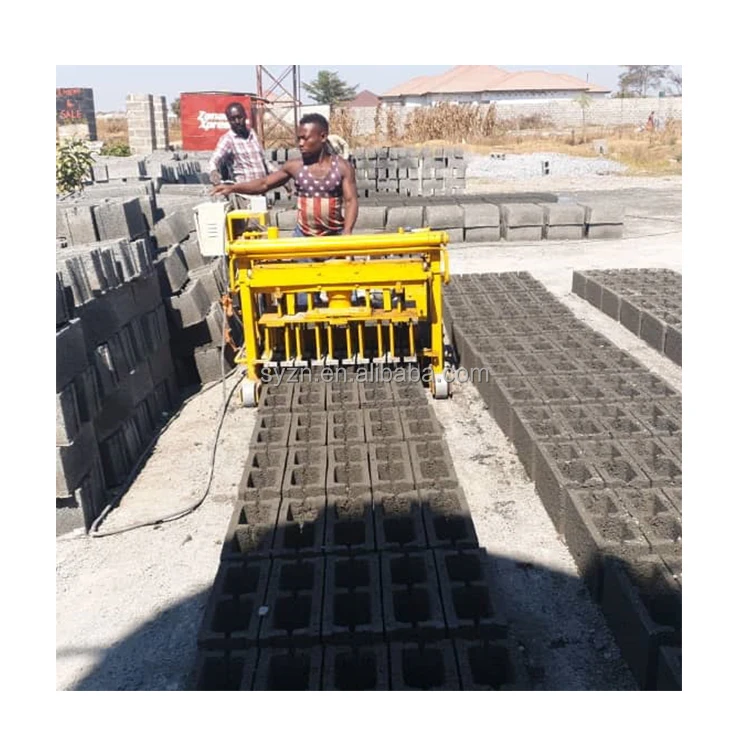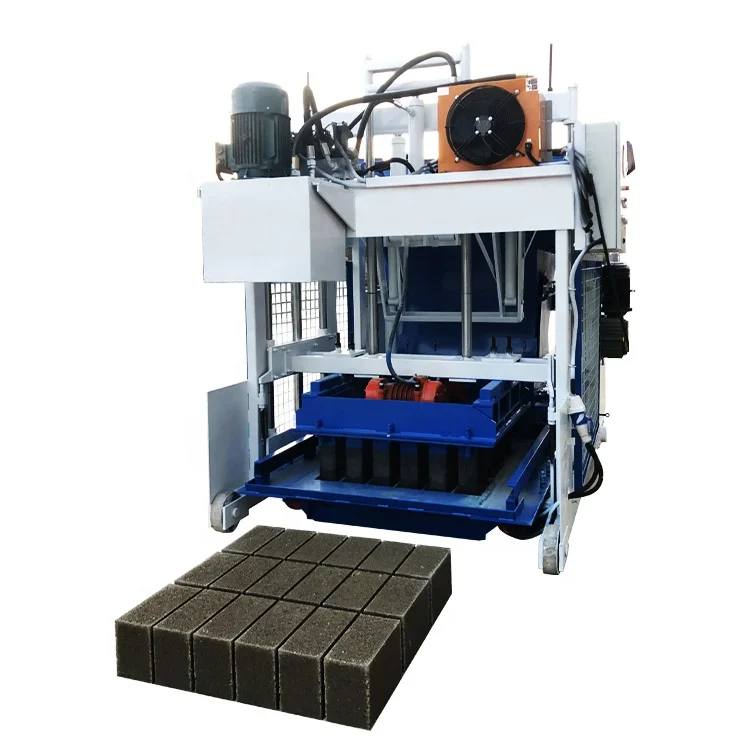
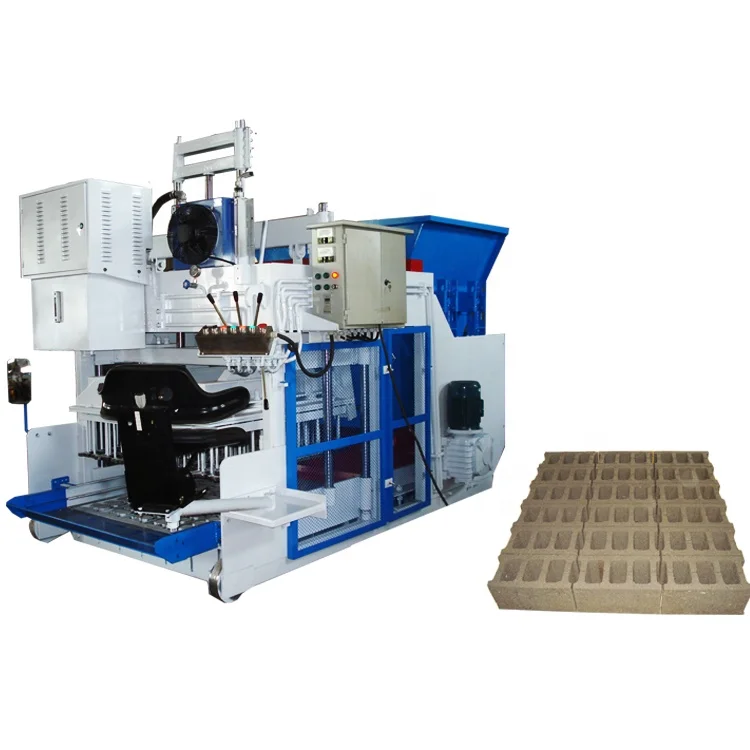
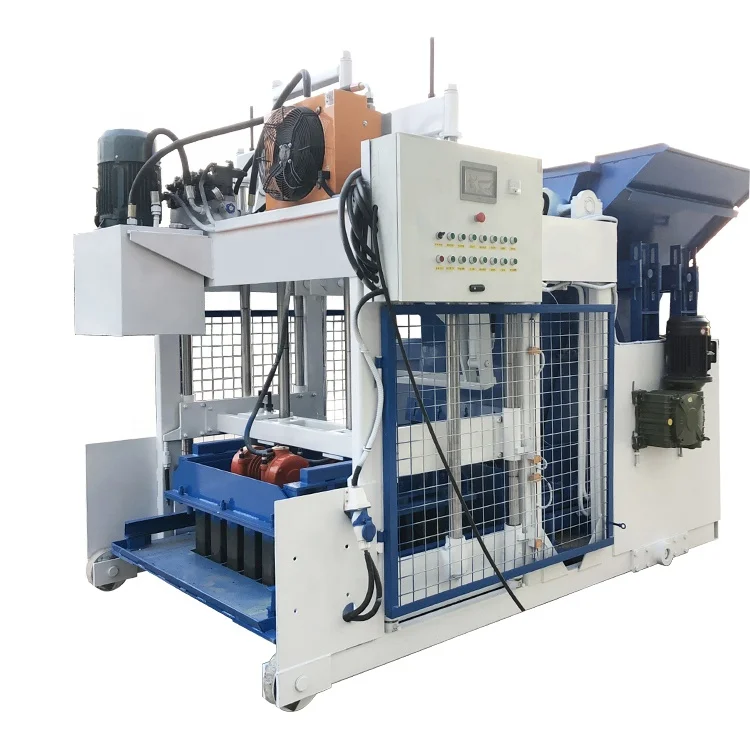
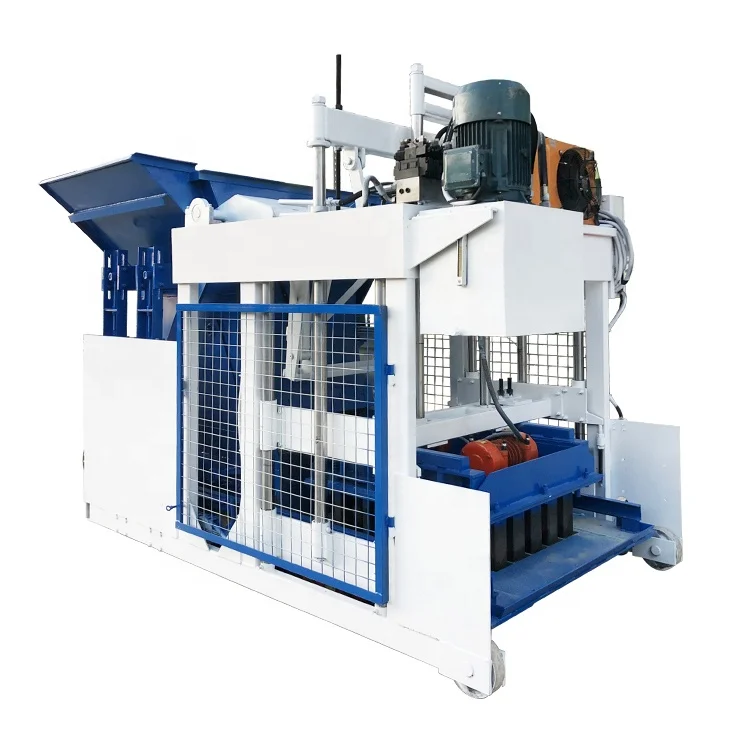
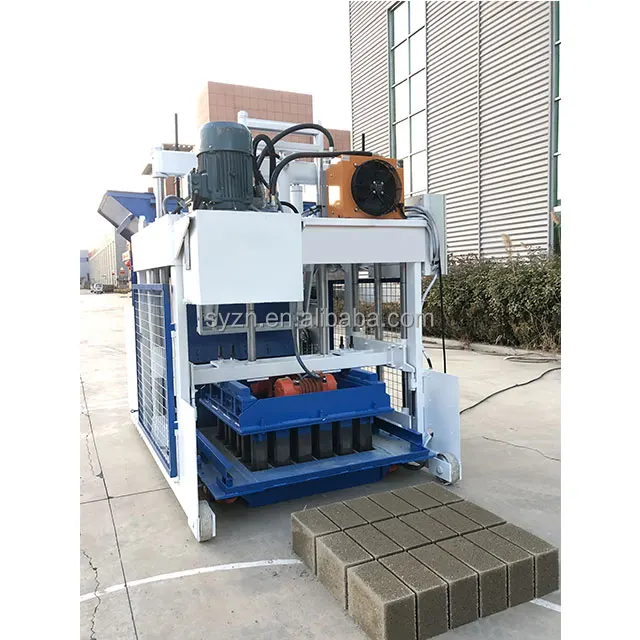
Description
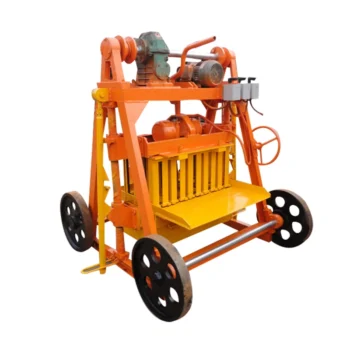
Fast dispatch capability — stocked QMY18-15 mobile egg laying block machine ready to load, cutting the wait between order placement and on-site block production to days rather than weeks.
Technical Specifications
| Parameter | Value |
|---|---|
| Model | QMY18-15 |
| Product Type | Mobile Egg Laying Concrete Block Making Machine |
| Rated Power | 24 kW |
| Working Method | Hydraulic |
| Control System | PLC |
| Automation Level | Semi-automatic |
| Pallet Requirement | None (egg laying / ground-laying design) |
| Voltage & Frequency | Customized to local industrial voltage (basis to be confirmed) |
| Output Capacity | Approx. 3,400 pcs per shift based on 400×200×200mm hollow block (basis to be confirmed for other formats) |
| Block Types | Customizable moulds for different block formats per buyer requirement |
| Key Features | Egg laying type, produces blocks directly on ground without pallets, PLC-controlled semi-automatic operation |
Application Suitability
| Application | Material or Output |
|---|---|
| On-site hollow block production for construction contractors | Crushed stone, sand, cement, and water mix laid directly on prepared ground |
| Small-scale block plants with minimal fixed infrastructure | Hollow blocks and customizable concrete formats without pallet investment |
| Housing and development projects requiring local block supply | Standard and custom concrete block formats produced at the job site |
Why "3,400 Blocks per Shift" May Not Match Your Actual Output
The quoted capacity assumes a specific block format, and your target product will change the real daily yield.
When I first started visiting project sites across West Africa, I watched contractors plan their entire pouring schedule around a machine’s headline output number — only to find the actual count fell noticeably short once they switched to a smaller solid block or an interlocking paver. The QMY18-15 Mobile Egg Laying Block Machine in stock is rated at approximately 3,400 pieces per shift based on a 400×200×200mm hollow block. If your market sells a different format, the cycle count and block dimensions both shift, and the final tally per shift will not match that figure [NEED_CITE: block format impact on egg layer cycle time and daily output].
Dispatch Timing That Fits a Project Schedule
Waiting for a custom-built machine is not realistic when a housing development deadline is already ticking. This Mobile Egg Laying Block Machine in stock is held in inventory so the lead time compresses from a typical multi-week build cycle down to the time needed for voltage confirmation, packing, and container loading. The buyer’s focus stays on site preparation rather than chasing production updates from the factory floor.
Voltage Confirmation Before the Crate Is Sealed
Arriving on site to discover the control panel does not match the local supply is a delay no contractor can afford. Voltage and frequency are confirmed against the buyer’s industrial grid specification before the QMY18-15 leaves the factory. This step matters especially in regions where 380V/50Hz, 415V/50Hz, or 440V/60Hz supplies coexist within the same industrial zone [NEED_CITE: voltage and frequency standards by export market].
Reading the Power and Hydraulic Specs
The 24 kW rated power feeds both the hydraulic station and the vibration system simultaneously. In an egg laying design, the machine moves forward after each cycle and deposits the block directly on the ground, so the hydraulic pressure must be sufficient to achieve full compaction in a single press stroke without pallet support. The PLC control manages the vibration duration and press sequence, keeping the cycle consistent even when different operators take shifts on site.
What Pallet-Free Production Really Means on the Ground
Eliminating pallets removes an entire layer of cost and logistics from block making. There are no pallets to purchase, no pallet return loop to manage, and no pallet storage area to allocate beside the curing zone. The trade-off is that the ground surface must be level and firm enough to accept freshly pressed blocks without settling or tilting. Site preparation becomes the foundation of block quality, and a poorly graded area will show up as uneven courses and cracked corners [NEED_CITE: ground preparation requirements for egg laying block machines].
The Cost of Skipping Voltage and Language Checks
Sending a machine to a site where the PLC display language does not match what the operators can read creates a silent delay. In northern Nigeria I once spent three full days communicating vibration parameter adjustments through hand gestures because the panel was in English and the crew spoke only Hausa. That kind of bottleneck does not appear in any quotation but it burns through project float faster than any mechanical issue [NEED_CITE: PLC language configuration importance in multilingual work environments].
Why Buyers Source This Machine Here
Block machinery is the single focus of this operation, so the QMY18-15 ships as a matched system — machine, mould, and hydraulic station specified together rather than assembled from separate suppliers. Voltage and frequency are confirmed to the buyer’s site supply before dispatch, not left as a default setting. Stock availability means the machine can be inspected and loaded without waiting through a build cycle. Mould options are selected around the block formats the buyer’s local market actually purchases, including custom drawings when standard formats do not fit.
Documentation & Verification
- Machine specification sheet listing confirmed voltage, frequency, and PLC language
- Capacity calculation stating the block format assumed for the output figure
- Factory test record with the buyer’s target mould installed before packing
- Packing photographs and container loading plan shared before dispatch
- Operation and maintenance manual in the confirmed control language
Installation, Commissioning & Support
- Level compacted ground required across the machine travel path for consistent egg laying
- Dedicated 24 kW electrical circuit matching the confirmed voltage and frequency
- Machine shipped in operational assembly; on-site setup limited to electrical connection and mould fitting
- First-run commissioning covers vibration timing, hydraulic pressure, and cycle sequence with the chosen mould
- Operator training addresses PLC navigation, mould change procedure, and daily greasing points
- Wear parts list supplied with hydraulic seal and vibration motor brush replacement intervals
What to Include in Your Inquiry
Provide the block format your market sells most, along with the daily volume your project schedule demands. Confirm the industrial voltage and frequency available at the site, and let us know the language your operators read on a control panel. If you have an existing curing area or forklift, share those dimensions so the machine travel path can be planned around them.
Frequently Asked Questions
Q: What is the dispatch lead time and estimated arrival for the QMY18-15?
A: The QMY18-15 is held in stock, so dispatch depends on the time needed for voltage confirmation, factory testing with the selected mould, packing, and container booking. Arrival timing then follows the shipping route to your destination port. Request a schedule estimate that lines up with your project deadline before placing the order.
Q: How is output capacity calculated, and what block format does the figure assume?
A: The quoted capacity of approximately 3,400 pieces per shift is based on a 400×200×200mm hollow block. Smaller solid blocks or pavers will yield a different count per shift because the mould cavity count and cycle time change. Ask for a capacity calculation tied to your specific target format before finalizing the order.
Q: Which voltage and frequency configurations are available from stock?
A: Voltage and frequency are configured to match the buyer’s local industrial supply before the machine leaves the factory. Common configurations include 380V/50Hz, 415V/50Hz, and 440V/60Hz, but the exact requirement must be confirmed against your site’s electrical infrastructure to prevent commissioning delays on arrival.
Q: What container loading arrangement is used, and is machine dismantling required?
A: The QMY18-15 is loaded into a standard shipping container. Depending on overall dimensions and the container size selected, partial dismantling of the hydraulic station or hopper may be needed to optimize space. Packing photographs and a loading plan are shared with the buyer before the container is sealed.
Q: Are standard moulds stocked, and what block formats can ship with the machine?
A: Standard moulds for common hollow block formats are available from stock alongside the machine. Custom moulds built to buyer drawings are also an option but may require additional lead time. Confirm which formats your local market demands so the right moulds are packed in the same container as the QMY18-15.