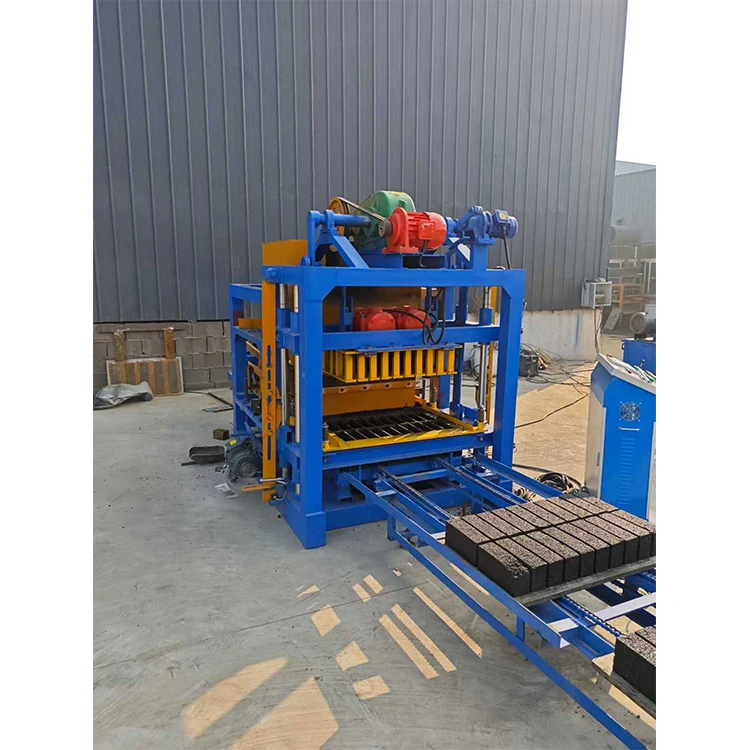
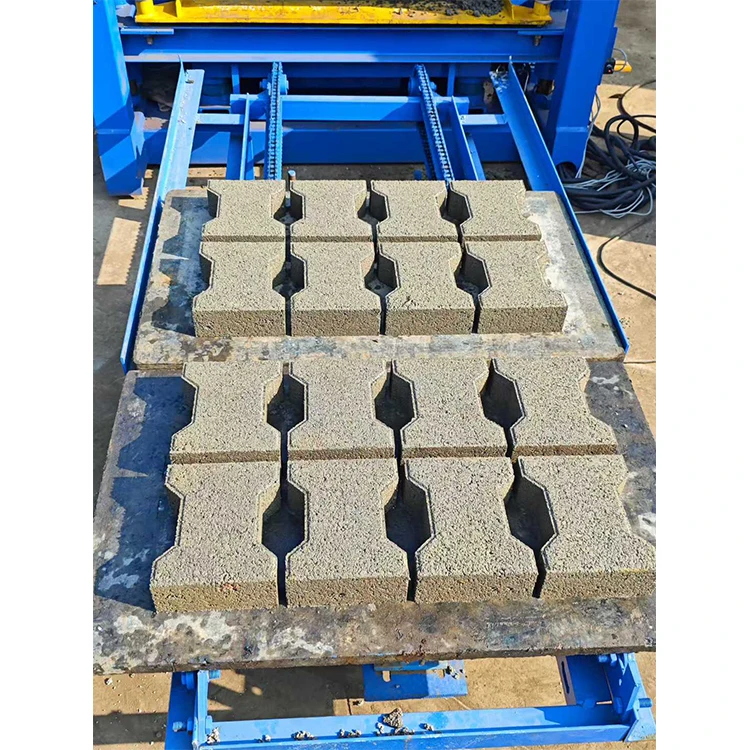
Description
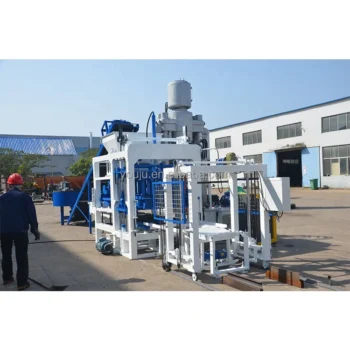
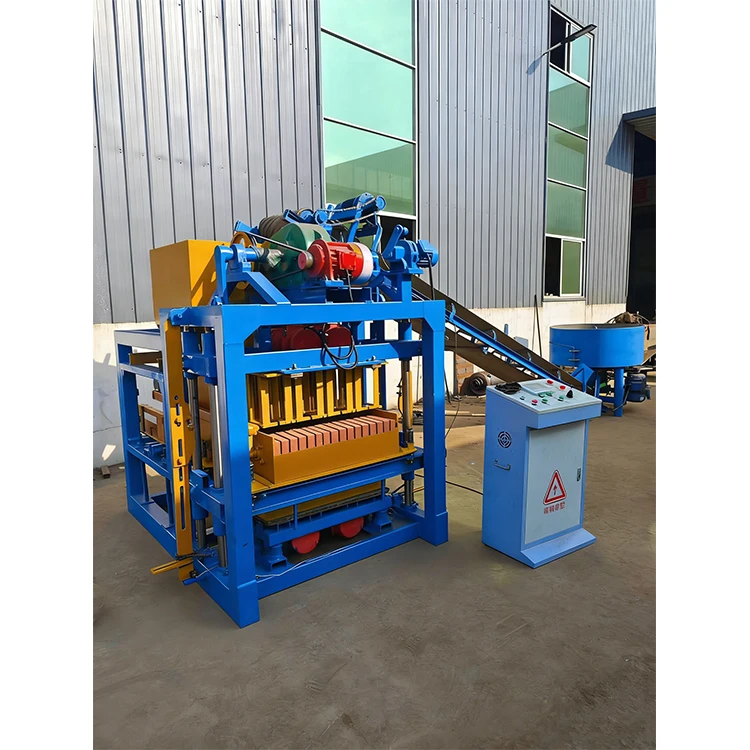
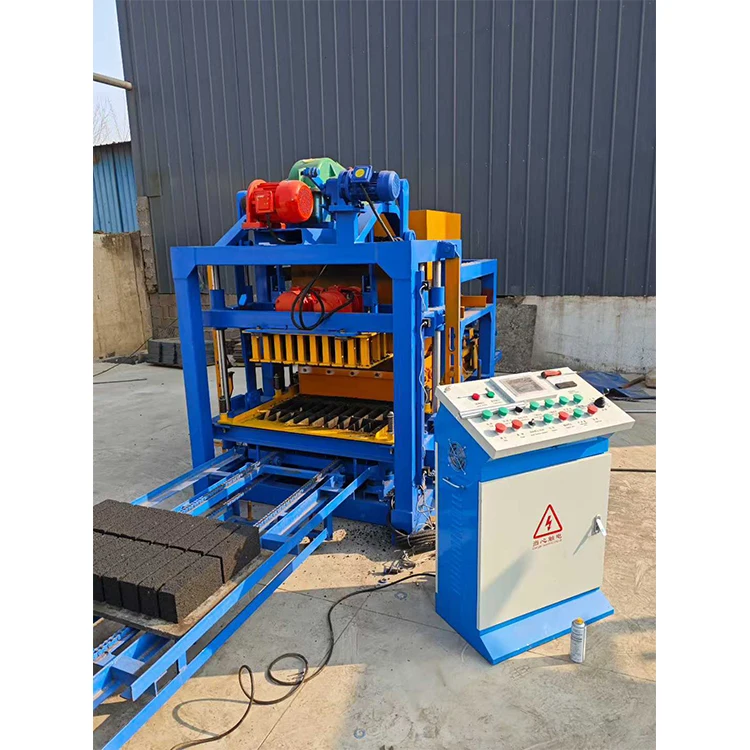
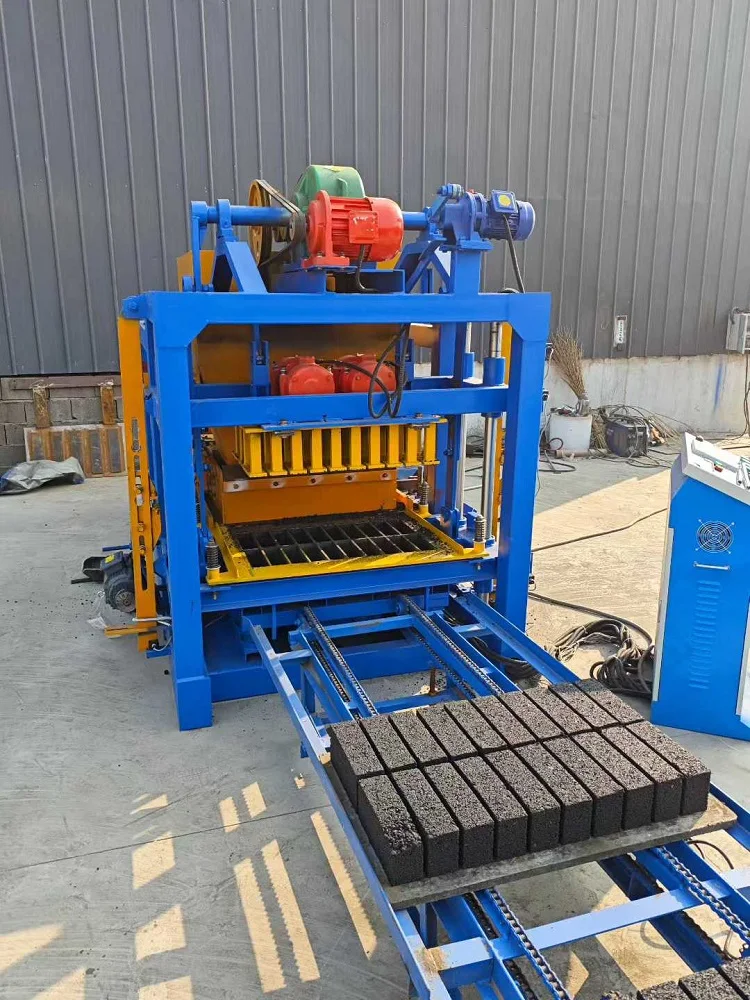
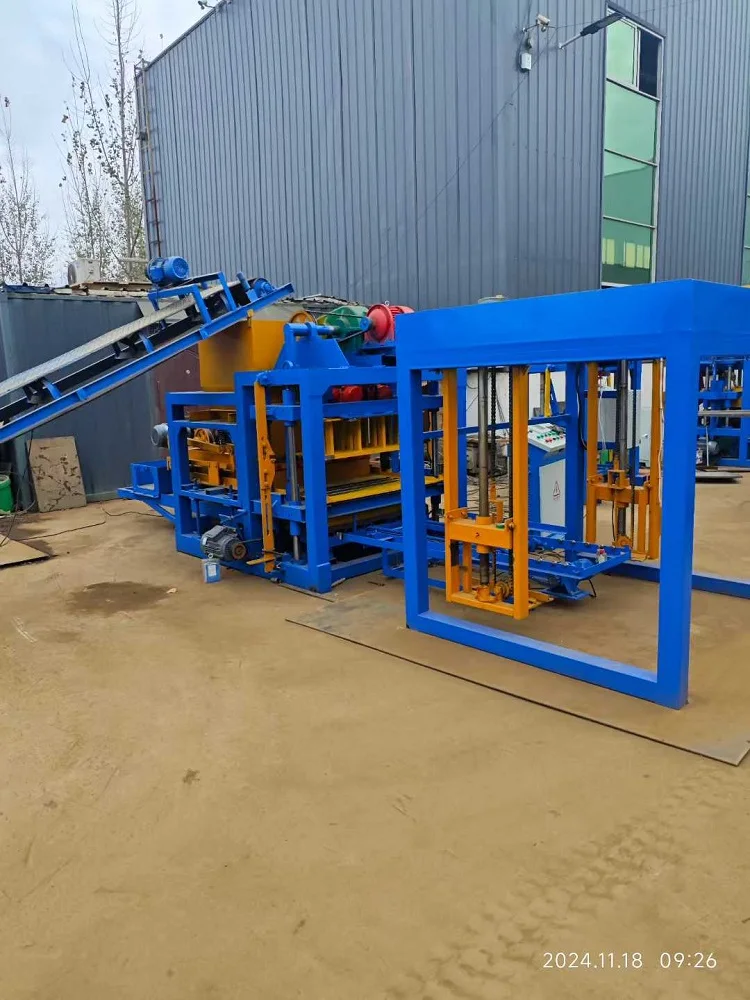
Stocked Units, Quoted Dispatch — QTJ4-25 block machines leave our factory within a confirmed lead time, not an open-ended production queue, so your project deadline stays intact.
Technical Specifications
| Parameter | Value |
|---|---|
| Model | QTJ4-25 |
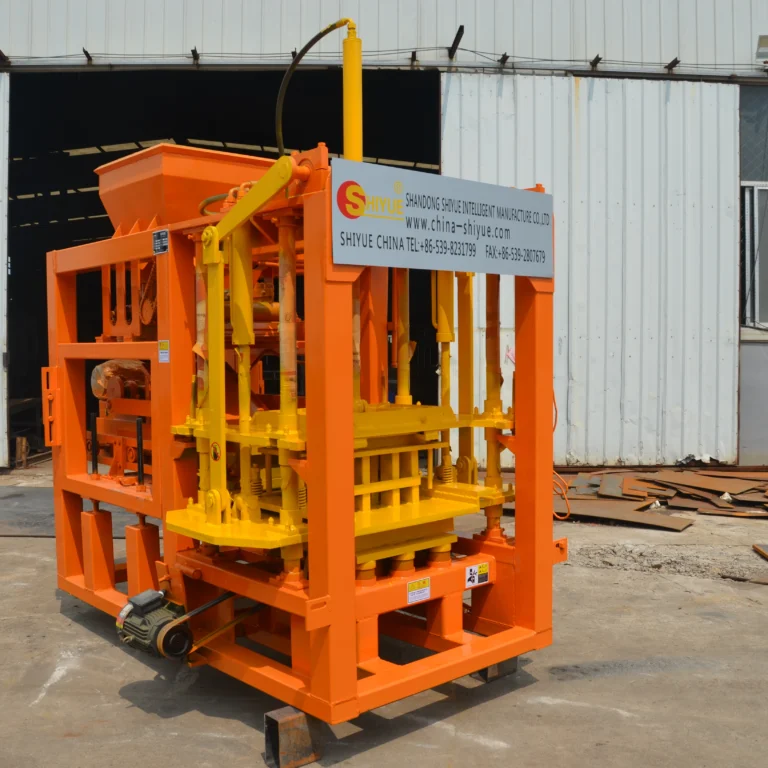
| Product Type | Automatic Concrete Block Making Machine |
| Control System | PLC controlled fully automatic |
| Rated Power | 16.58 kW |
| Molding Cycle | 25 seconds |
| Output Capacity | 4600 pcs/8hours (basis not stated in source — confirm block format / material / thickness) |
| Machine Weight | 5000 KGS |
| Overall Dimensions | 6400×1500×2700 mm |
| Pallet Size | 850×480 mm |
| Vibration System | Vibration motor with large vibration box |
| Motor Brand | Siemens motor |
| Frame Construction | Thickened steel frame |
| Automation Level | Full automatic (pallet feeding, material feeding and scraping, block stacker) |
| Voltage | According to local voltage (frequency and phase to be confirmed) |
| Block Formats | Hollow blocks, solid blocks/bricks, paver stone bricks |
| Warranty | One year with free parts supply during warranty period |
Application Suitability
| Application | Material or Output |
|---|---|
| Medium-sized block factory production | Concrete, sand, cement, fly ash, crushed stone, lime, water |
| On-site construction block manufacturing | Hollow blocks and solid bricks for building contractors |
| Paving stone production for landscaping projects | Interlocking paver stone bricks from cement and aggregate |
| Entrepreneurs launching a first block plant | Multiple block formats from a single machine configuration |
Why "4600 Pieces per 8 Hours" Can Mislead Your Planning
Output capacity means nothing without the block format behind it.
Buyers working to a project deadline often see a number like 4600 and plan their entire delivery schedule around it. But that figure shifts depending on whether you are pressing standard hollow blocks, smaller solid bricks, or thicker pavers. The mold determines the cycle, and the cycle determines what actually loads into the container at the end of the shift. I have seen contractors commit to supply contracts based on a headline number, only to discover their daily target required a format the machine cycles slower on [NEED_CITE: block format impact on cycle time and daily output].
The QTJ4-25 block machine in stock is ready to ship, but before the container is booked, we need to confirm which format you will actually produce and verify the realistic throughput for that specific mold.
Dispatch Lead Time and Container Loading Clarity
When you are replacing an aging machine or launching production for a committed housing project, vague delivery promises are not acceptable. The QTJ4-25 block machine in stock carries a dispatch lead time confirmed in writing before payment. You receive a container loading plan showing how the machine is dismantled at specific points for shipment, with packing photographs for your customs broker.
This removes the guesswork. You know when the QTJ4-25 leaves the factory, how it fits in the container, and what documents accompany it. No open-ended production waits, no surprises at the port.
Arrival Estimates Quoted Before You Commit
Shipping timelines vary by destination port and carrier schedule. What matters is that you receive an arrival estimate upfront, not after the machine is already on the water. For the QTJ4-25 block machine in stock, we confirm the destination port, select the carrier route, and quote the estimated arrival window alongside the dispatch date [NEED_CITE: typical ocean freight transit times by major export corridor].
This is especially important for project contractors who need block production running on-site before a construction deadline. The machine arriving two weeks late can cascade into delayed wall construction, idle labor, and penalty clauses. Knowing the timeline before ordering lets you sequence your site preparation accordingly.
How the Molding Cycle and Vibration System Shape Your Output
The 25-second molding cycle governs how fast each pallet of blocks completes the press stage. This cycle time applies under standard conditions and will vary with block format — hollow blocks with larger cavities may require extended vibration, while thinner solid bricks can cycle within or near the rated time. The vibration motor paired with a large vibration box delivers the forming force needed to compact the mix into dense, consistent blocks without hydraulic pressure.
The 850×480 mm pallet size is a critical dimension to cross-check against your curing area and the forklift you already operate. A mismatch here means blocks sit on the press waiting for rack space, or pallets do not stack properly on your curing shelves. The 16.58 kW rated power must be supported by a stable electrical supply at your confirmed voltage and frequency, otherwise motor performance degrades and cycle consistency drops [NEED_CITE: electrical supply stability requirements for industrial vibration motors].
What Happens When Voltage and Language Are Confirmed Too Late
A machine configured for the wrong voltage arrives at your site and will not start. The motor draws incorrect current, the PLC throws errors, and commissioning stalls while transformers are sourced or the motor is replaced. I have watched a QTJ4-25 block machine in stock sit on a factory floor for weeks because the frequency was never confirmed — the buyer assumed 50 Hz while the local grid ran at 60 Hz.
The same applies to the PLC display language. If the operator cannot read the control interface, every adjustment becomes guesswork, and troubleshooting requires flying in a technician who speaks the display language. Confirming voltage, frequency, phase, and control language before shipment is not a detail — it is the difference between commissioning in days and commissioning in weeks.
Why Buyers Source This Machine Here
Block machinery is our single focus, which means the QTJ4-25 is specified as a matched system — machine, pallet, and handling equipment are configured together rather than assembled from unrelated suppliers.
We set the vibration parameters against your actual mix design and local aggregate, not a catalogue default, so block strength is consistent from the first pallet to the last.
Stock status and dispatch lead time are confirmed before your payment is processed, removing the uncertainty of open-ended build schedules.
Container loading plans, packing photographs, and customs documentation are provided with the quotation, so your freight forwarder has everything needed before the machine arrives at port [NEED_CITE: export documentation requirements for heavy machinery shipments].
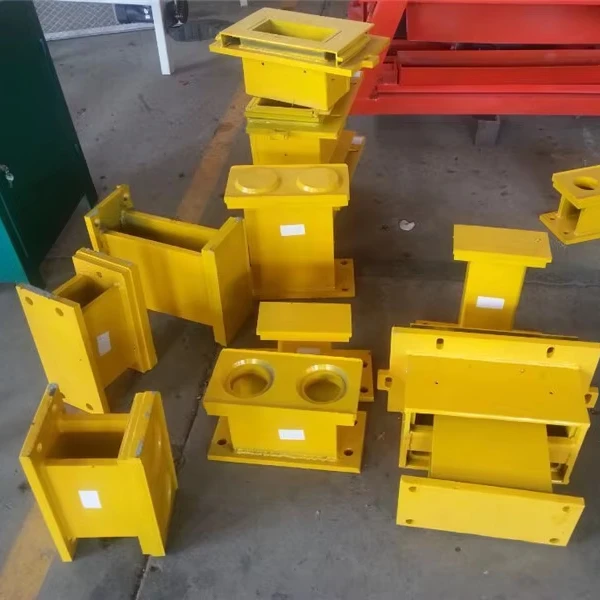
Moulds and wear parts are available for dispatch alongside the machine or separately, so your first replacement cycle does not halt production.
Documentation & Verification
- Factory test record run on your specified block format before dispatch
- Voltage, frequency, and PLC display language confirmation sheet signed before shipment
- Pallet specification matched to your curing area dimensions and forklift capacity
- Container loading plan with dismantling points and packing photographs
- Hydraulic and electrical schematic for your maintenance team
Installation, Commissioning & Support
- Foundation preparation guidance based on 6400×1500×2700 mm footprint and 5000 KGS operating weight
- Dedicated circuit sizing for 16.58 kW rated power at your confirmed voltage and frequency
- Skid-mounted assembly with on-site installation scope defined before dispatch
- First-run commissioning with vibration parameter adjustment to your local aggregate mix
- Operator training covering PLC interface, pallet feeding sequence, and block stacker operation
- Wear parts list and mould replacement schedule provided at handover
What to Include in Your Inquiry
To confirm stock availability and provide an accurate dispatch timeline, we need your target block format, daily production target, and the raw materials available at your site. Include your local voltage, frequency, and preferred PLC display language so the QTJ4-25 is configured correctly before it leaves the factory. If you have an existing curing area and forklift, share those specifications so the 850×480 mm pallet compatibility can be verified.
Frequently Asked Questions
Q: Is the QTJ4-25 currently in stock or built to order?
A: Stocked units are available for the QTJ4-25 block machine, and dispatch lead time is confirmed in writing before payment. If your configuration requires specific voltage or control language adjustments, a short preparation period applies before the machine is ready for container loading.
Q: How is the machine packed for container shipment?
A: The machine is dismantled at designated points to fit standard container dimensions. A loading plan is provided showing component placement, with packing photographs taken before the container is sealed for your customs clearance records.
Q: Will voltage and control language be confirmed before shipment?
A: Yes. Voltage, frequency, phase, and PLC display language are all confirmed and documented before the machine leaves the factory. This prevents commissioning delays caused by electrical mismatches or unreadable control interfaces at your site.
Q: What daily output should I expect from the QTJ4-25?
A: The stated capacity of 4600 pieces per 8 hours depends entirely on which block format you produce. Hollow blocks, solid bricks, and pavers each cycle at different rates. Share your target format so we can confirm realistic output for your specific mold configuration.
Q: How quickly can wear parts and replacement moulds ship?
A: Standard moulds and hydraulic wear parts are dispatched from stock. Lead time depends on your destination and shipping method, but orders are processed immediately so production downtime is minimized after your first replacement cycle.