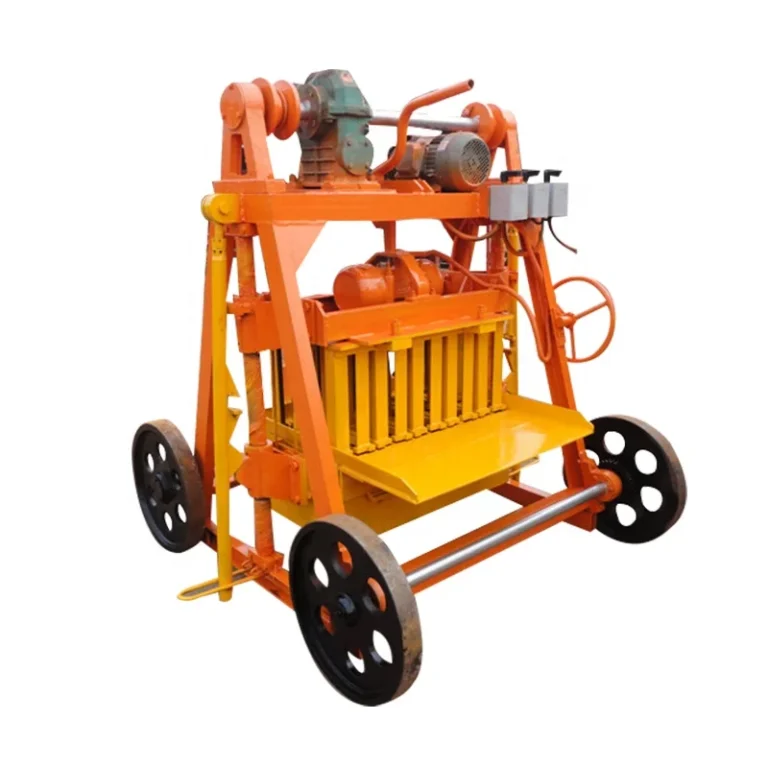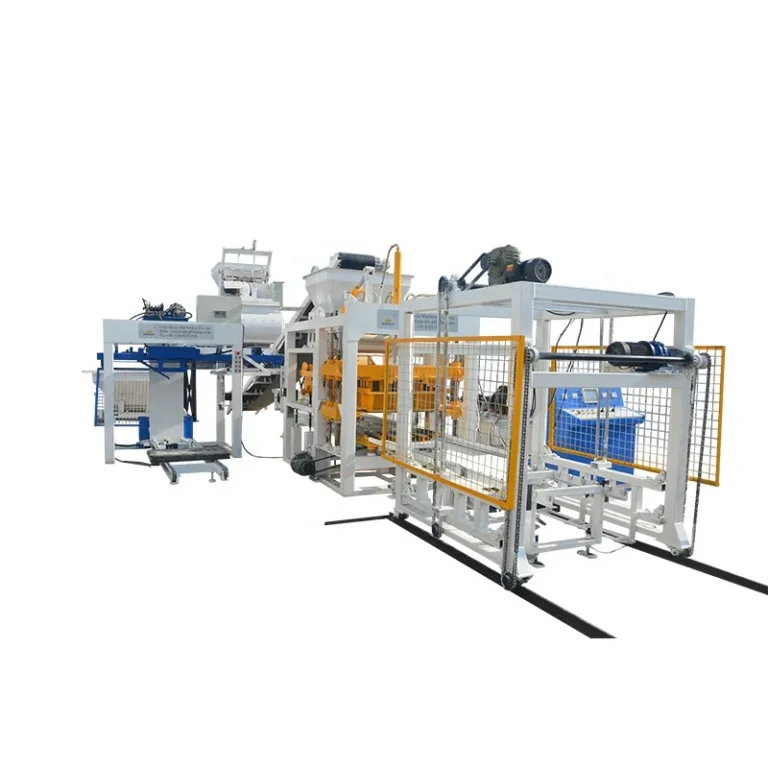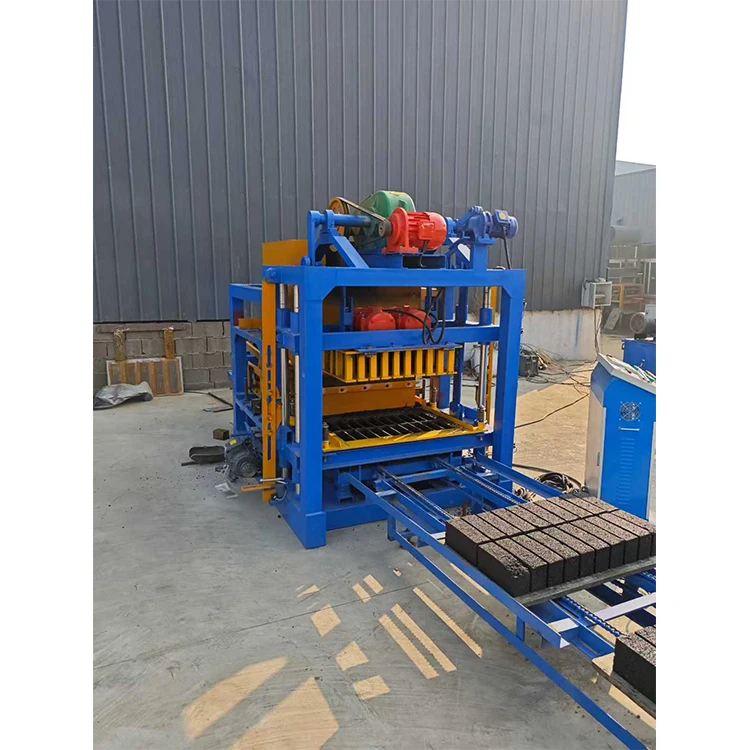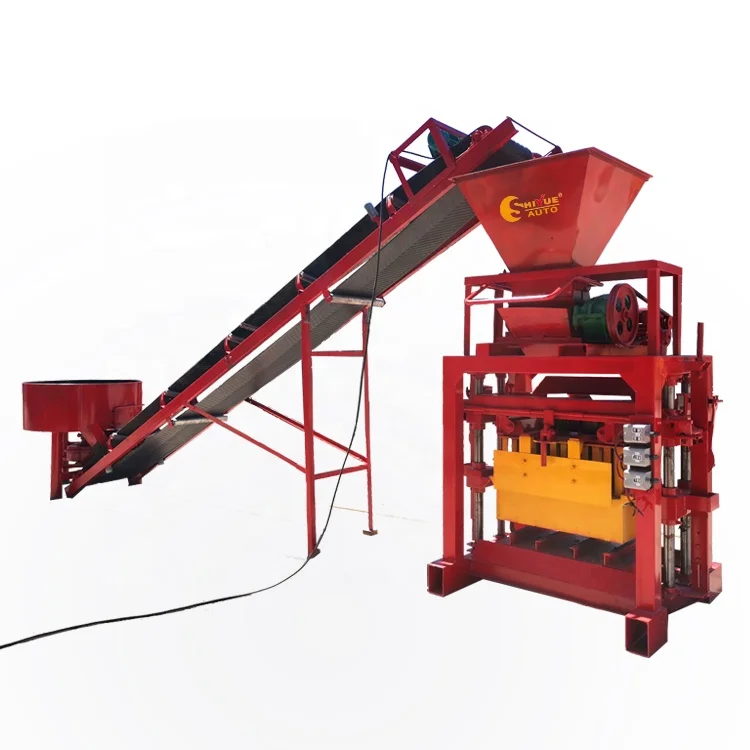
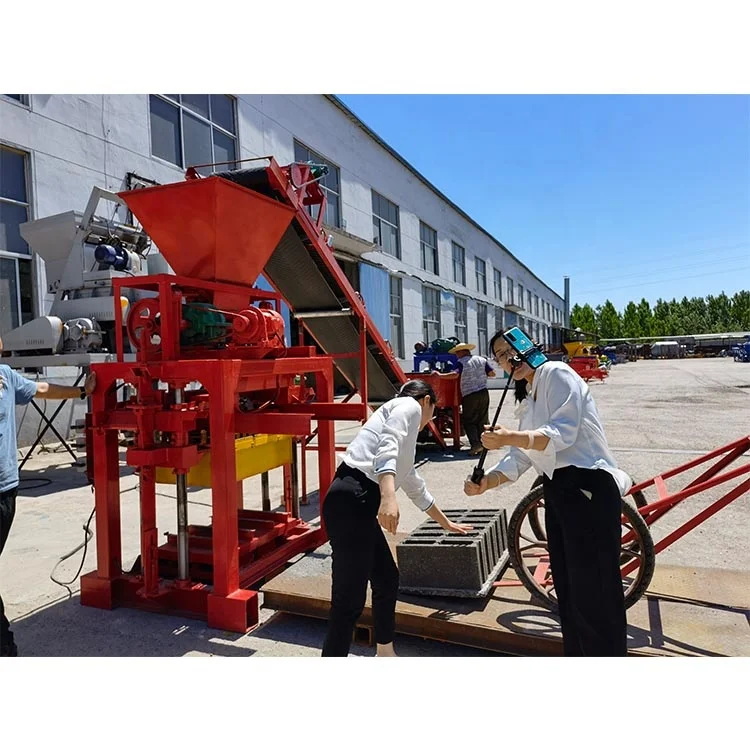
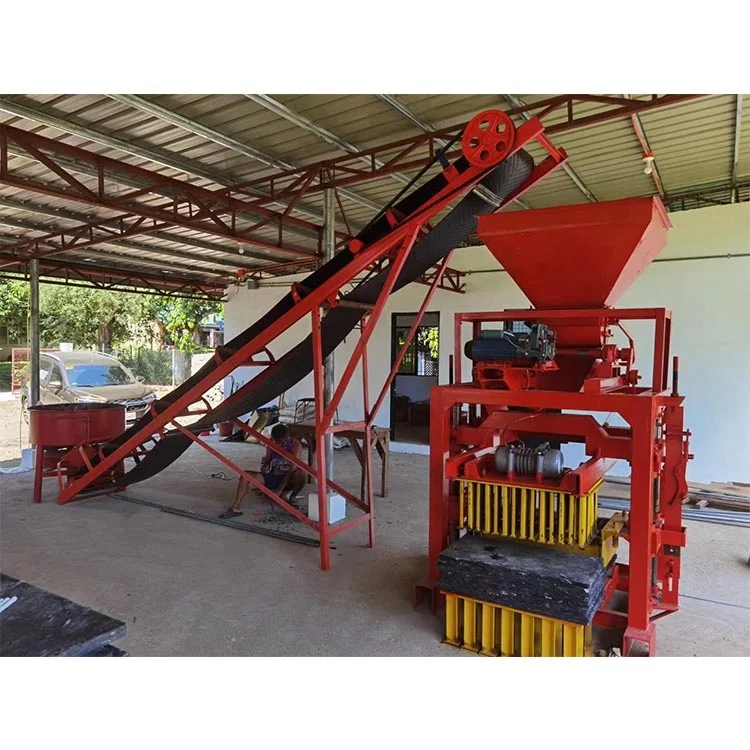
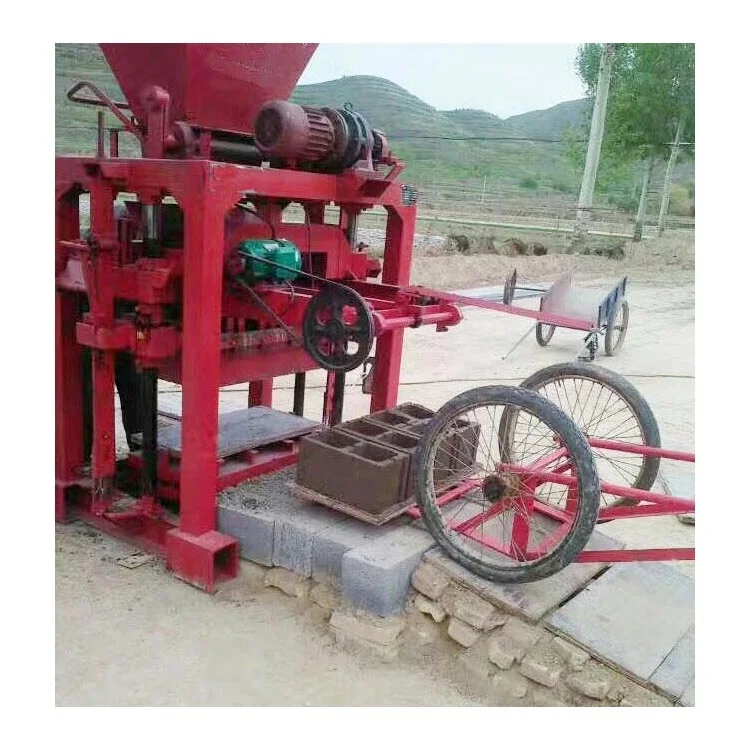
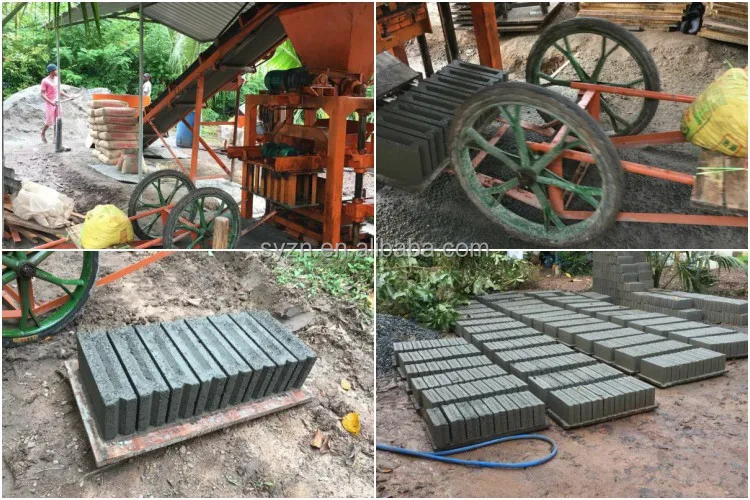
Description
Fast Dispatch Readiness — QTJ4-35 small block machine units and standard moulds are held in stock, with container loading plans and arrival estimates confirmed before you commit.
Technical Specifications
| Parameter | Value |
|---|---|
| Model | QTJ4-35 |
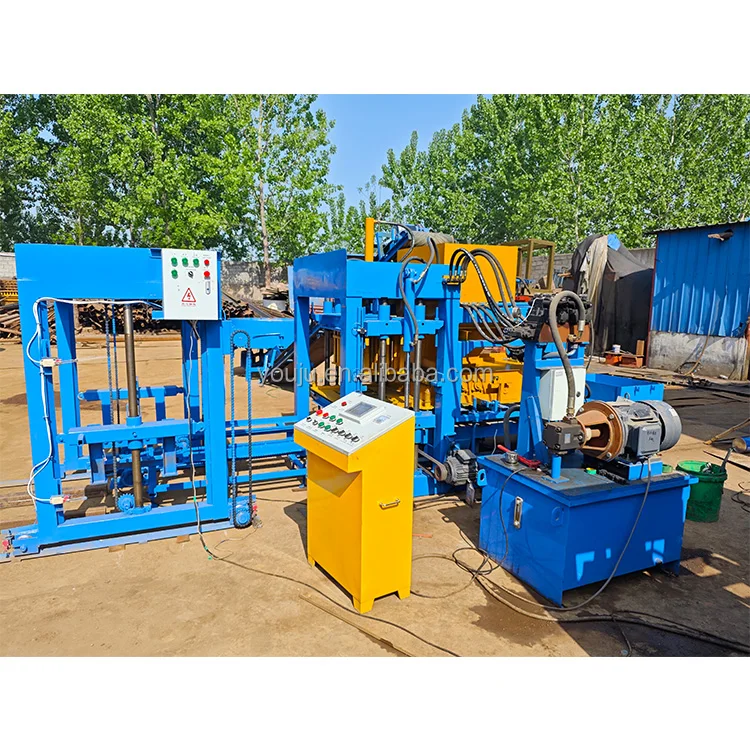
| Product Type | Small Concrete Block Making Machine |
| Overall Dimensions (L×W×H) | 1350×1460×1800 mm |
| Molding Cycle | 35 s |
| Vibration Frequency | 2800 r/min |
| Exciting Force | 30 kN |
| Total Power | 11.15 kW (including JQ350 mixer) |
| Pallet Size | 850×450×20 mm |
| Net Weight | 1500 kg |
| Frame Construction | Four-lead channel steel stand |
| Output Capacity | 408 pcs/hr based on 400×200×200 mm hollow block, 4 pcs/mould |
| Output Capacity | 510 pcs/hr based on 400×150×200 mm hollow block, 5 pcs/mould |
| Output Capacity | 2100 pcs/hr based on 240×115×53 mm solid brick, 18 pcs/mould |
| Daily Output (8 hr) | 3264 pcs based on 400×200×200 mm hollow block |
| Daily Output (8 hr) | 4080 pcs based on 400×150×200 mm hollow block |
| Daily Output (8 hr) | 17000 pcs based on 240×115×53 mm solid brick |
| Raw Materials | Crushed stones, sand, cement, dust, fly ash |
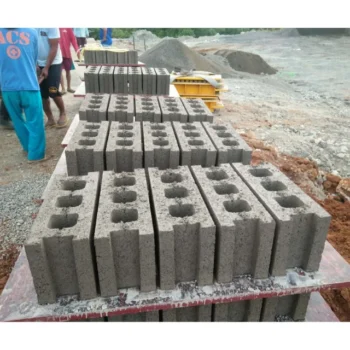
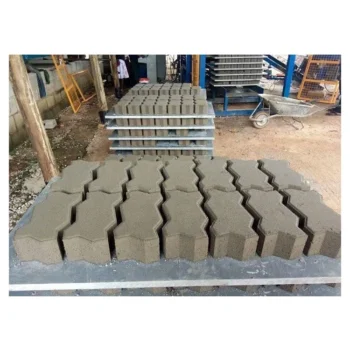
| Applied Products | 8-inch and 6-inch hollow blocks, solid bricks |
| Automation Level | Semi-automatic (basis not stated in source) |
| Voltage & Frequency | Basis not stated in source — confirm target market |
| Control System | Basis not stated in source — confirm PLC or manual |
Application Suitability
| Application | Material or Output |
|---|---|
| Small-scale workshop block production | Crushed stone, sand, and cement mixed on-site |
| On-site construction block making | Fly ash and dust blended with local aggregate |
| First-plant entrepreneur setup | 8-inch and 6-inch hollow blocks for local masonry markets |
| Solid brick production for residential builds | 240×115×53 mm solid bricks at 2100 pcs/hr (18 pcs/mould) |
What "Pieces per Hour" Actually Means When the Container Arrives Late
Dispatch timing matters more than quoted capacity when your project deadline is fixed.
I once watched a contractor lose two weeks of curing time because the machine arrived after the foundation crew had already moved to the next site. The quoted output figures were irrelevant — the blocks were needed before the rainy season, not after. For buyers working against a project schedule, a QTJ4-35 block machine in stock means the difference between pouring your own blocks on time and sourcing from a competitor at a premium. [NEED_CITE: typical ocean freight transit times from Chinese ports to West Africa and Southeast Asia]
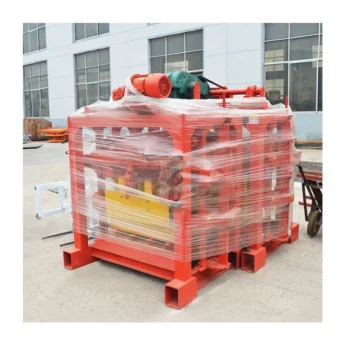
When a small block machine sits in a warehouse ready to load, the real conversation shifts from theoretical capacity to container loading method, dismantling sequence, and how many pallets fit alongside the press in a single 20GP. These logistics details determine whether your crew starts producing in the first week after arrival or spends that week still waiting at the port.
Stock Status and Dispatch Certainty
The QTJ4-35 is maintained as a stocked small block machine model, which means the frame, vibration assembly, and standard mould sets are assembled and tested before your inquiry rather than built to order. Standard moulds for 400×200×200 mm hollow blocks and 240×115×53 mm solid bricks are typically paired with the machine and ready for the same container. This eliminates the multi-week production queue that custom-order machines require.
Container Loading and Arrival Estimation
Before you confirm the order, the loading plan specifies how the QTJ4-35 is dismantled for shipment, how many pallets and mould sets share the container, and what the estimated arrival date looks like based on your destination port. Fast delivery small block machine orders succeed or fail on this step — a machine that ships quickly but arrives with missing pallets or incompatible voltage is no faster than one that took longer to prepare correctly. [NEED_CITE: standard container loading practices for semi-automatic block machinery]
Matching Pallet Quantity to Your Curing Space
The 850×450×20 mm pallet size on the QTJ4-35 was chosen for small-plant curing racks, but the number of pallets you order must match the curing area you actually have. Too few pallets and the press waits for cured blocks to be stripped; too many and you are paying to ship and store wood you cannot use. We confirm your curing rack layout before finalizing the pallet count in the container.
Power Supply Confirmation Before Dispatch
Total power is 11.15 kW including the JQ350 mixer, which fits within workshop-level supply in most markets. However, voltage and frequency must match your site before the machine leaves the factory. A QTJ4-35 wired for 380V/50Hz arriving at a 220V/60Hz site will not run until a transformer or motor swap is arranged — a delay that cancels out any advantage from fast dispatch.
Reading the Specification Sheet for Production Reality
The 35-second molding cycle applies to a single press stroke; the actual pieces-per-hour figure depends entirely on which block format sits in the mould. At 400×200×200 mm hollow block with 4 cavities, the QTJ4-35 produces 408 pieces per hour. Switch to 240×115×53 mm solid brick with 18 cavities and the same cycle yields 2100 pieces per hour. The vibration frequency of 2800 r/min and 30 kN exciting force are matched to standard sand-and-cement mixes; if your local aggregate has high clay content or unusual moisture, the vibration force may need adjustment to maintain block density. The four-lead channel steel frame provides the rigidity needed for consistent vibration transfer across all four guide posts, which directly affects whether blocks release from the mould with uniform edges. Pallet thickness at 20 mm is standard for small-plant wooden or bamboo pallets, keeping replacement cost low when wear eventually requires a batch change.
When Fast Delivery Turns Into a Costly Mistake
Ordering a machine purely on dispatch speed without confirming voltage, pallet count, and mould format leads to predictable problems on arrival. I have seen contractors receive a block machine that could not start because the local supply was single-phase while the motor required three-phase. Others have arrived at site to find the mould produces a block size the local market does not buy, leaving them to source a replacement mould locally at higher cost and longer wait. The pallet handling question is the most common gap — if your quotation does not specify how many pallets ship with the machine, you will be hand-stacking output on the first day while waiting for a separate pallet shipment. [NEED_CITE: common commissioning delays for imported concrete block machinery]
Why Source the QTJ4-35 Through This Channel
Block machinery is the single focus here, so the press, mould, pallet, and mixer are specified as one matched system rather than assembled from separate suppliers. Stock status and dispatch lead time are confirmed at the inquiry stage, not estimated from a catalogue. Container loading plans include the dismantling method, pallet count, and mould placement so nothing is left behind. Voltage, frequency, and control language are verified against your site conditions before the machine is released for shipment. Arrival estimates are quoted based on destination port at the quotation stage, so your project schedule can be planned with real dates rather than optimistic guesses.
Documentation & Verification
- Factory test record run on your specified block format before dispatch
- Pallet specification sheet matching your curing rack dimensions
- Voltage and frequency confirmation document signed before shipment
- Container loading photograph set showing dismantling and securing method
- Mould drawing and format list for every cavity included in the shipment
Installation, Commissioning & Support
- Foundation pad sized to the 1350×1460 mm footprint with level tolerance confirmed
- Dedicated three-phase circuit rated for 11.15 kW total draw including the JQ350 mixer
- Machine arrives dismantled with reassembly guide and bolt torque sequence
- First-day molding trial run with your local aggregate to verify vibration settings
- Operator training covers mould change procedure and pallet handling rhythm
- Wear parts list identifies vibration motor bearings and mould liner replacement intervals
What We Need to Move Your Order Forward
Send us the block format your market actually buys, the daily output target tied to that format, your site voltage and frequency, and the curing area dimensions you have planned. If you already own pallets or a forklift, share the pallet size so we can confirm compatibility with the 850×450 mm standard. We will respond with stock status, a loading plan, and an arrival estimate for your port.
Frequently Asked Questions
Q: Is the QTJ4-35 currently in stock, and what is the dispatch lead time?
A: The QTJ4-35 is maintained as a stocked model with standard moulds for common hollow block and solid brick formats. Dispatch lead time is confirmed at inquiry and depends on pallet quantity and any voltage customization required. Typical preparation for container loading takes a short period once specifications are locked.
Q: How many pallets and moulds fit in one 20GP container?
A: The loading plan is built around your mould selection and pallet requirement. The QTJ4-35 frame is dismantled for shipment, and the remaining container space is allocated to pallets and spare mould sets. Exact counts are confirmed in the quotation based on the formats you need.
Q: What voltage configurations can be shipped from stock?
A: Standard stock units are configured for common industrial voltages, but your site voltage and frequency must be confirmed before dispatch. If your market requires a non-standard configuration, the motor and control wiring are adjusted before the machine leaves the factory.
Q: Which block formats are the stated capacity figures based on?
A: Every output figure on this page states the exact block size and mould cavity count. The 408 pcs/hr figure assumes 400×200×200 mm hollow blocks with 4 cavities; the 2100 pcs/hr figure assumes 240×115×53 mm solid bricks with 18 cavities. No capacity number is stated without its format premise.
Q: What is the estimated arrival time at my destination port after dispatch?
A: Arrival estimates are quoted at the quotation stage based on your destination port and current shipping schedules. This estimate is provided alongside the dispatch date so you can plan site preparation, raw material delivery, and crew scheduling with real dates.