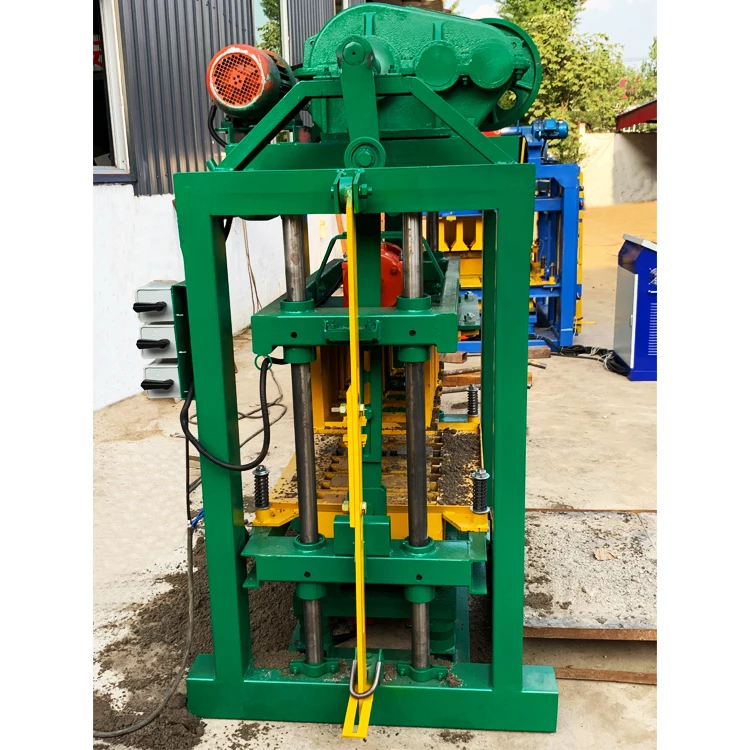

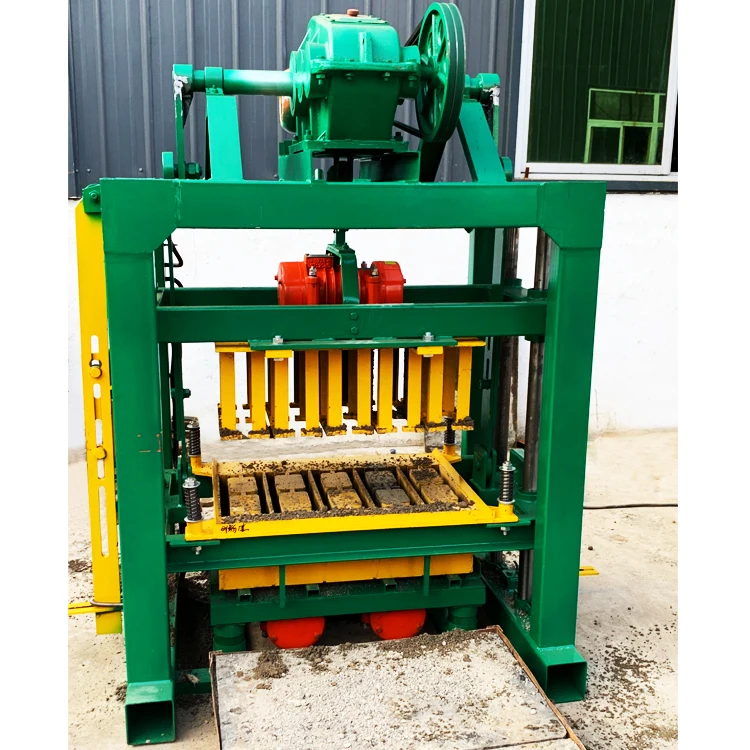
Description
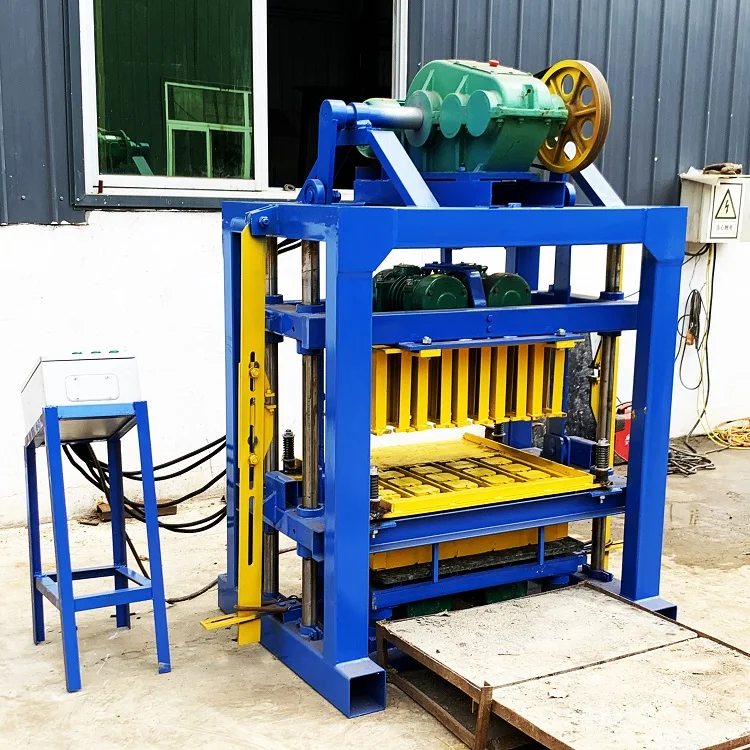
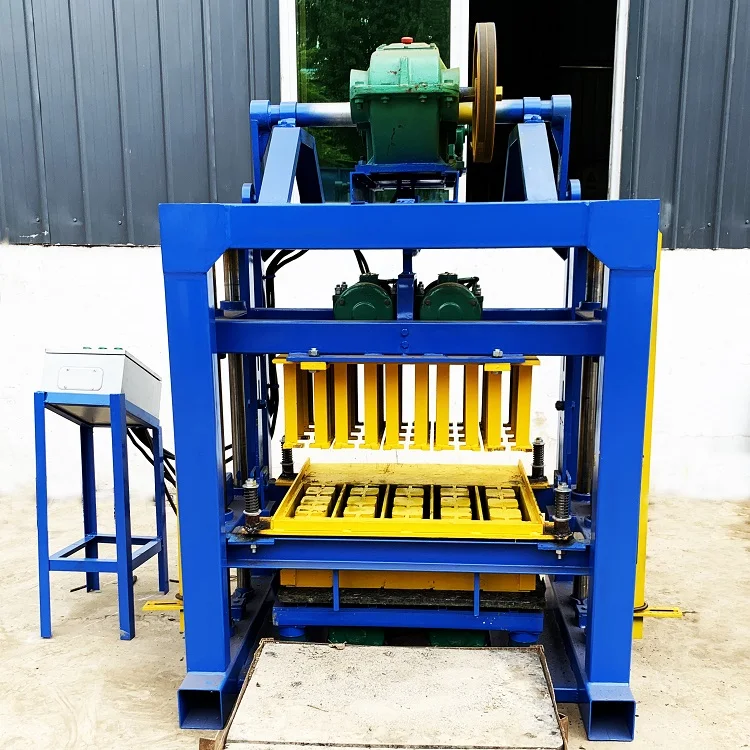
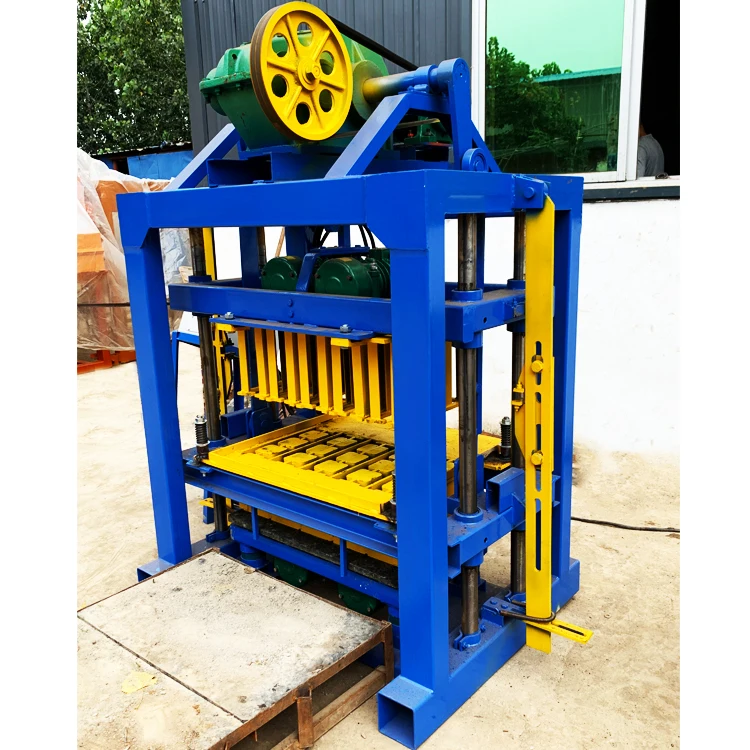
Rapid Dispatch Readiness — We keep the QTJ4-40 block machine in stock so project-driven buyers can start production without waiting out a typical multi-week manufacturing cycle.
Technical Specifications
| Parameter | Value |
|---|---|
| Model | QTJ4-40 |
| Product Type | Manual Movable Block Making Machine |
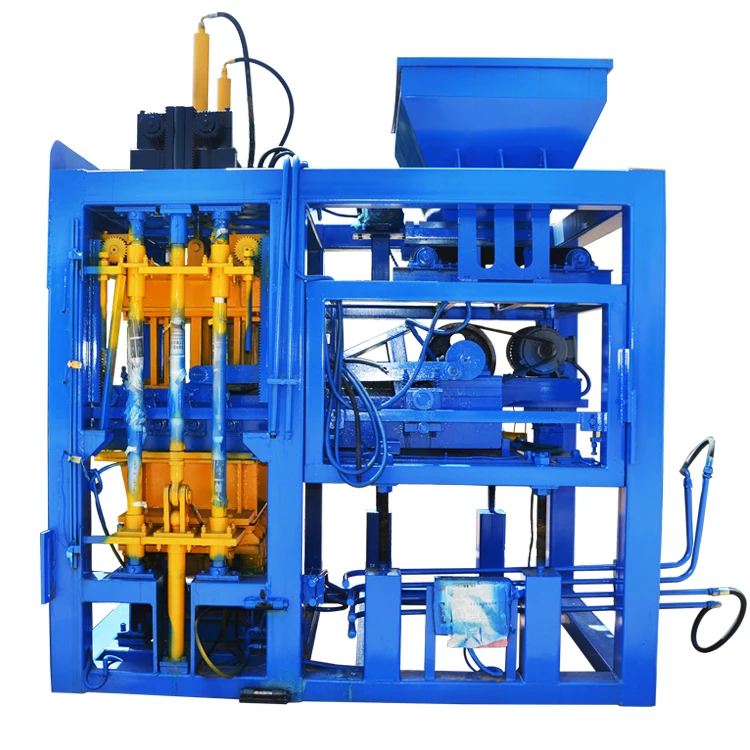
| Vibration Form | Platform Vibration |
| Vibration Frequency | 2800 r/min |
| Pallet Size | 850×450 mm |
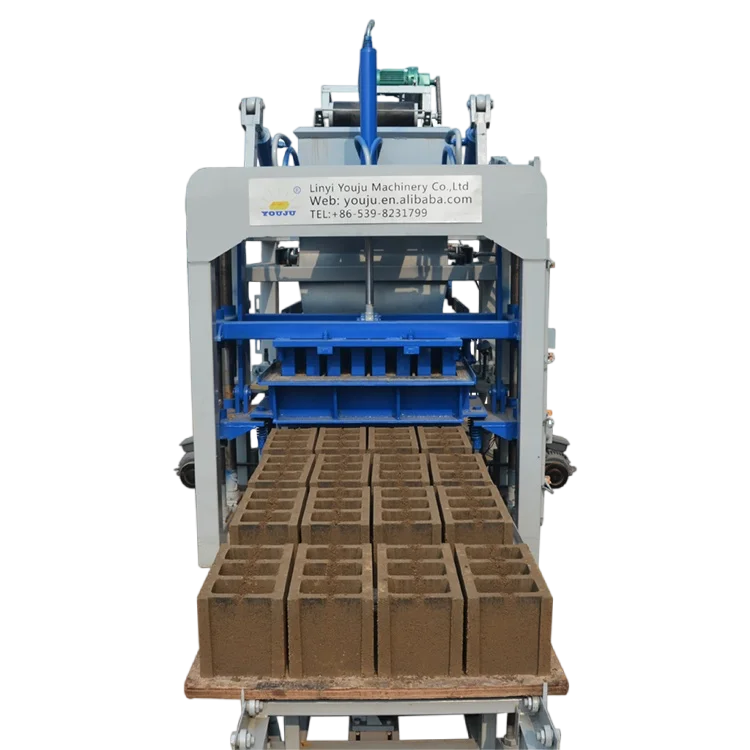
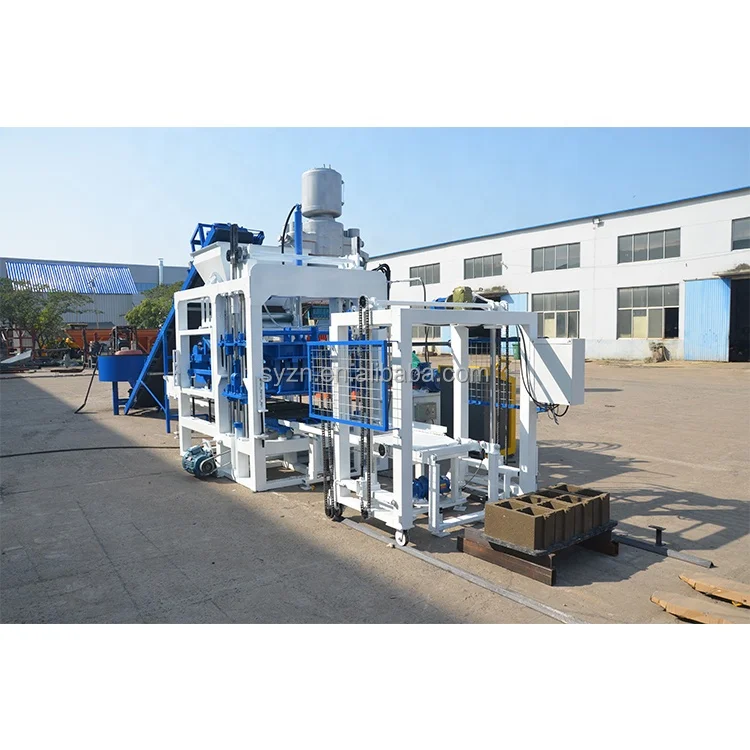
| Overall Dimensions (L×W×H) | 1350×1460×1800 mm |
| Machine Weight | 1T (source value — verify against manufacturer catalog) |
| Top Die Mechanism | Push and pull with automatic scraper |
| Control System | Manual operation |
| Worker Requirement | 1-3 people |
| Factory Area | 200 m² |
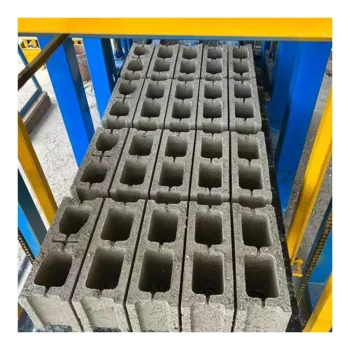
| Applied Products | Concrete blocks, hollow/solid blocks, pavers, interlocking blocks, curbstone |
| Raw Material | Concrete, cement, fly ash, crushed stone, sand, dust, gravel, slag |
| Capacity (400×200×200mm hollow block) | 360 pcs/h, 2880 pcs/day (4 moulds per cycle) |
| Capacity (400×150×200mm hollow block) | 500 pcs/h, 4000 pcs/day (5 moulds per cycle) |
| Capacity (225×112.5×60mm interlocking brick) | 900 pcs/h, 7200 pcs/day (9 moulds per cycle) |
| Standards | CE |
Application Suitability
| Application | Material or Output |
|---|---|
| On-site hollow block production for housing projects | Crushed stone, sand, cement |
| Interlocking brick manufacturing for local paving markets | Fly ash, gravel, cement |
| Solid block production for small masonry contractors | Sand, dust, slag, cement |
| Kerbstone and paver runs for landscaping distributors | Concrete mix with coarse aggregate |
| First plant setup for entrepreneurs entering block trade | Local aggregate blended with 8-10% cement |
Why "In Stock" Matters More Than the Quoted Cycle Time
When a buyer working against a fixed construction deadline sees a 45-day build lead, the entire project timeline shifts. Having a QTJ4-40 block machine in stock means the machine can be dispatched as soon as container space and voltage confirmation are locked in, rather than waiting for a production slot to open up [NEED_CITE: container booking lead times for industrial machinery].
I have watched project schedules collapse not because the machine was slow, but because it sat in a factory queue while the contractor’s crew stood idle on site. Stock availability is the first question I now answer before we even discuss mould options or pallet quantities.
Dispatch Timing and What It Actually Means
A stocked QTJ4-40 block machine in stock does not mean it rolls onto a ship the same day. It means the main frame, vibration platform, and top die assembly are built and tested. The remaining steps — voltage confirmation for your site, mould selection, and pallet matching — still need a short coordination window before the machine leaves the factory floor.
The real advantage is that those final steps take days, not weeks. Buyers working to a project start date can plan around a known dispatch window instead of an open-ended manufacturing promise.
Container Loading and Machine Preparation for Shipment
The compact dimensions of this movable block machine allow it to fit inside a standard container without requiring specialized flat-rack booking. Before loading, the vibration motor, top die mechanism, and control box are secured to prevent transit damage [NEED_CITE: export packing standards for heavy vibration equipment].
I always check that the dismantling method matches what the buyer has available on site. A machine that arrives in three bolted sections is straightforward for a crew with basic hand tools, but a fully welded frame that must be lifted as one unit needs a forklift waiting at the port of arrival.
How Platform Vibration and Mould Count Shape Real Output
The 2800 r/min platform vibration frequency is the force that compacts the concrete mix into the mould cavity. On a manual movable machine, this vibration must work across every block format the buyer intends to produce — from a dense hollow block using coarse crushed stone to a lighter interlocking brick using a finer sand blend.
The mould count per cycle directly sets the output ceiling for each format. With 4 moulds per cycle producing 400×200×200mm hollow blocks, the machine reaches its stated daily figure. Switch to the 9-mould interlocking brick configuration, and the per-cycle output more than doubles, which is why buyers should confirm their primary block format before ordering rather than comparing total capacity numbers across different product shapes.
The push-and-pull top die with automatic scraper keeps the cycle moving without the operator needing to manually clear excess material between presses, which matters when one or two workers are managing the entire run [NEED_CITE: manual block machine cycle consistency factors].
What Happens When Voltage and Motor Specs Are Left Unconfirmed
I have seen machines arrive at a job site only to find the local power supply runs at a frequency the motor was not wound for. The vibration frequency drops, the concrete does not compact properly, and blocks crumble before they leave the pallet.
This is not a manufacturing defect — it is a specification gap that should have been closed before the machine was crated. Every export order should have voltage, frequency, and phase confirmed against the buyer’s actual site supply, and the motor nameplate should be photographed and sent before container sealing.
Why Buyers Choose This Source for Fast-Dispatch Block Machines
Block machinery is the single focus here, which means the QTJ4-40 is not assembled from mismatched components pulled from different supplier catalogs. The vibration platform, mould cavity dimensions, and pallet size are specified as one working system.
Stock status is quoted honestly with a dispatch date, not a vague "soon" promise. Buyers receive container loading plans and packing photographs before the container door closes, so there are no surprises when the machine arrives at the project site.
Documentation & Verification
- Factory test record showing vibration performance on your specified block format before dispatch
- Mould drawing and format list confirming cavity dimensions for each ordered mould set
- Voltage and motor specification sheet matched to your site power supply standard
- Packing photographs taken after crating and before container door sealing
- Operation and maintenance manual covering top die adjustment and vibration platform care
Installation, Commissioning & Support
- Site must provide a level concrete pad within the 200 m² factory area for stable vibration platform operation
- Power supply must match confirmed voltage and frequency before the 1T machine is energized
- Machine arrives with vibration motor and top die secured; on-site reassembly uses basic hand tools
- First production run includes vibration frequency check at 2800 r/min under actual load conditions
- Operator training covers mould change procedure, top die push-and-pull adjustment, and scraper maintenance
- Wear parts list identifies vibration platform bearings and scraper blades as first replacement items
What to Include in Your Inquiry
To move from inquiry to dispatch quickly, share the primary block format you intend to produce and the daily volume your project requires. Include your site voltage and frequency so the motor can be confirmed before crating. If you already have pallets or a curing area with specific dimensions, mention the pallet size so we can check compatibility with the 850×450 mm platform.
Frequently Asked Questions
Q: Is the QTJ4-40 currently in stock and how fast can it ship?
A: The QTJ4-40 block machine in stock status is confirmed at inquiry. Once voltage, mould selection, and pallet size are agreed upon, the machine is prepared for container loading. Dispatch timing depends on container booking availability at the nearest port, which we quote alongside the order confirmation.
Q: What is the container loading arrangement for shipment?
A: The machine is dismantled into sections that fit within a standard container. The vibration platform, top die assembly, and motor are secured separately to prevent transit movement. A loading plan with photographs is provided before the container is sealed, so buyers know exactly what arrives and how to reassemble it.
Q: Which moulds are stocked as standard and what do they produce?
A: Standard stocked moulds cover common formats including hollow block, solid block, and interlocking brick configurations. Each mould set is matched to the 850×450 mm pallet size. Custom mould designs can be produced from buyer drawings if the standard range does not cover the format your local market requires.
Q: Are voltage and motor confirmed before dispatch?
A: Yes. Voltage, frequency, and phase are confirmed against the buyer’s site power standard before the motor is finalized. The motor nameplate specification is documented and shared before crating so there are no compatibility issues when the machine is connected to power on arrival.