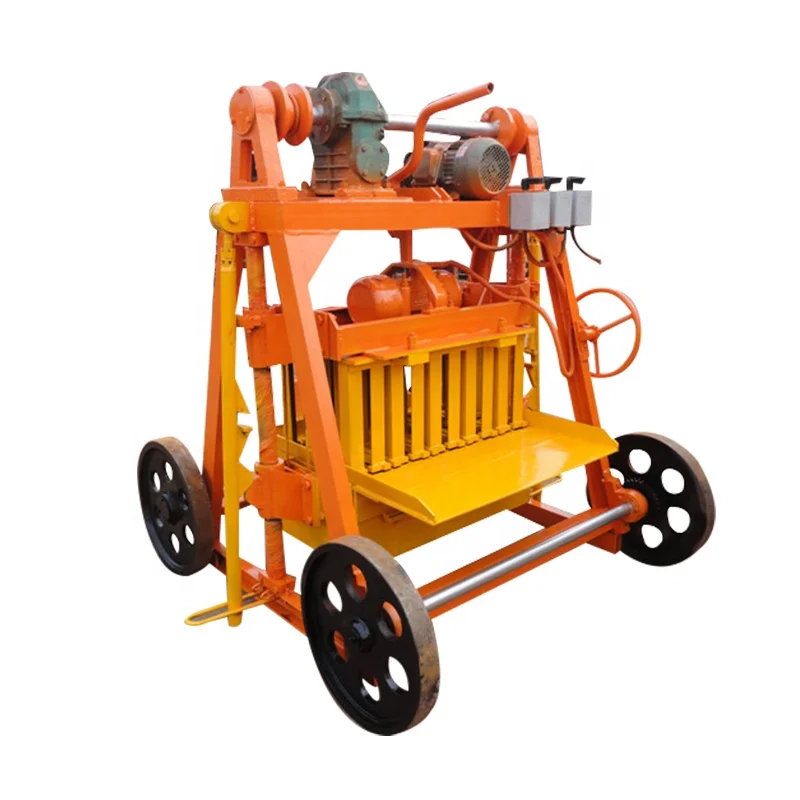
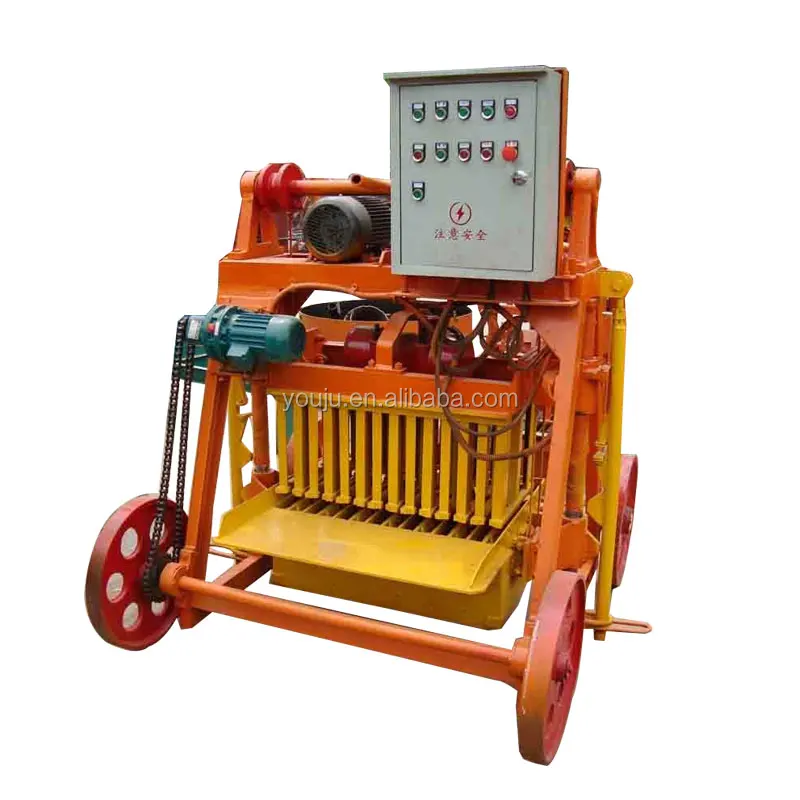
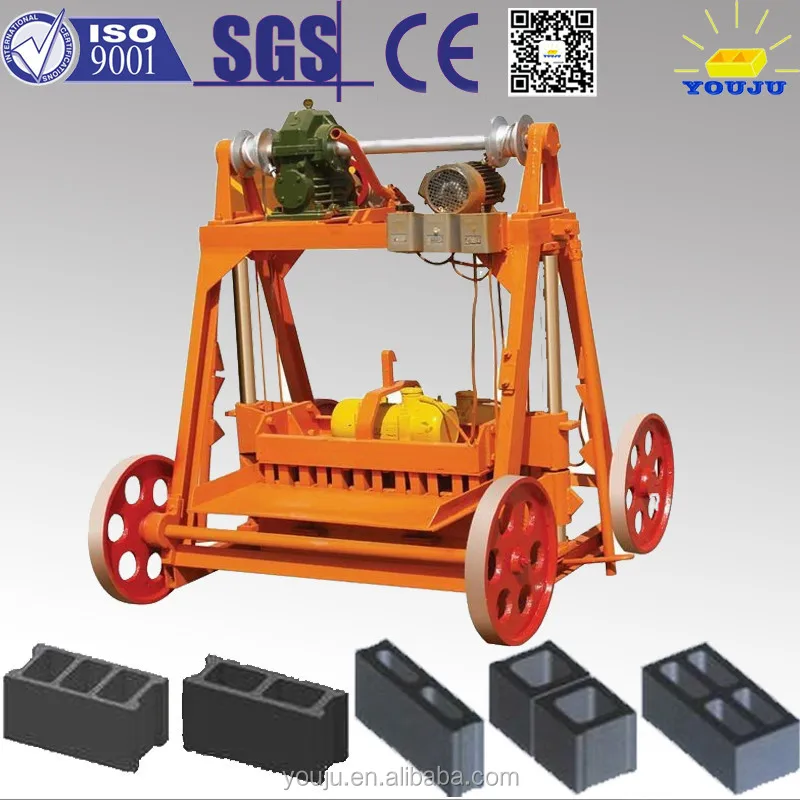
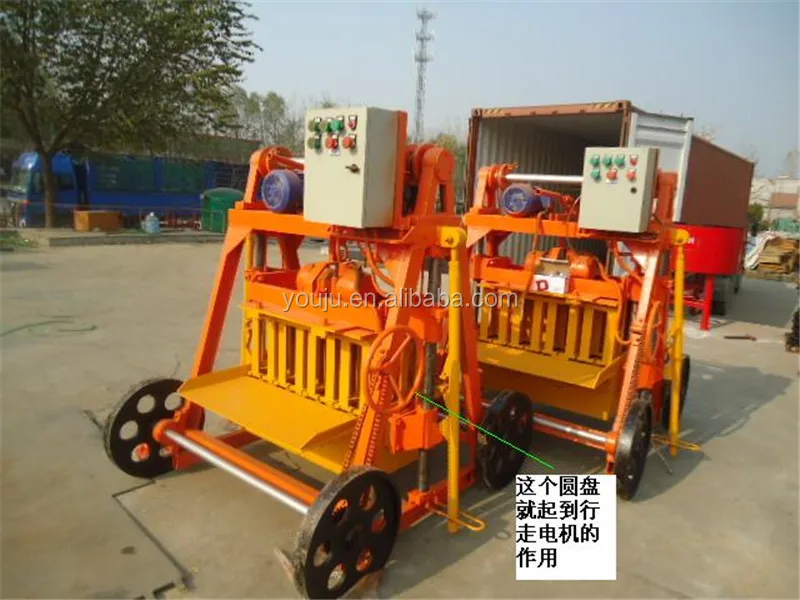
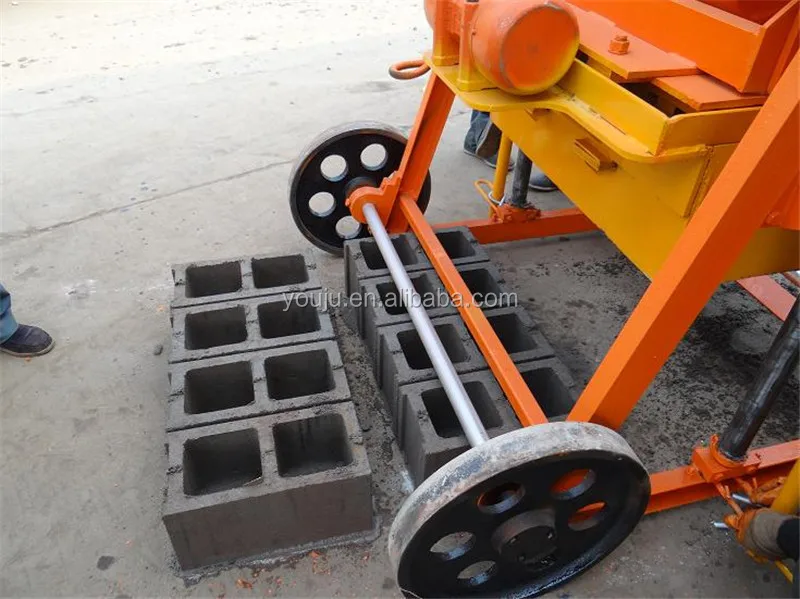
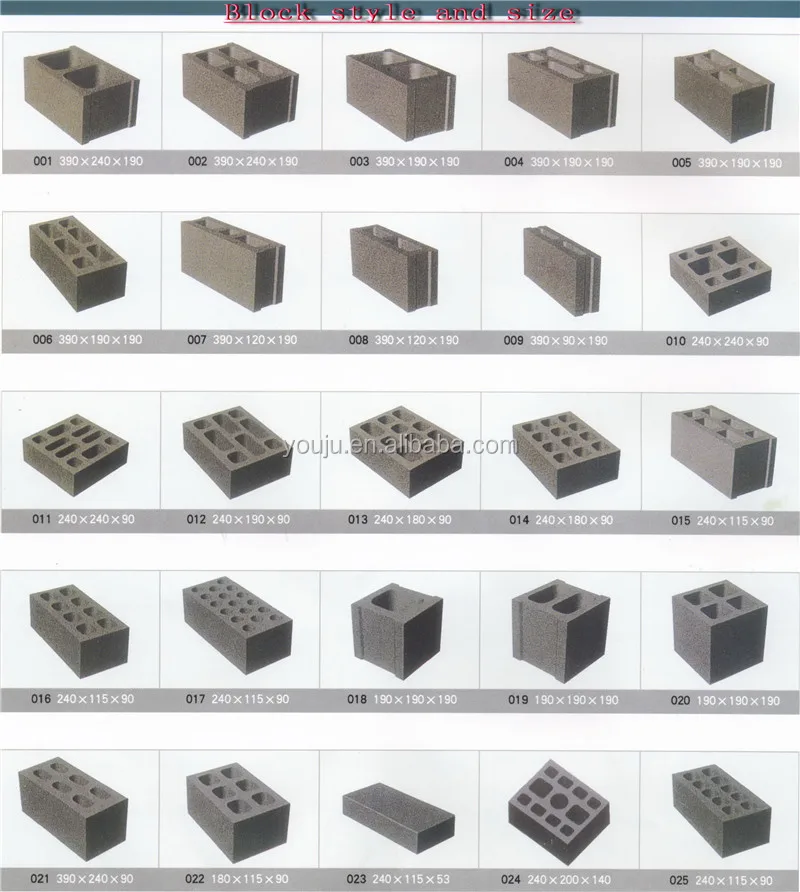
Description
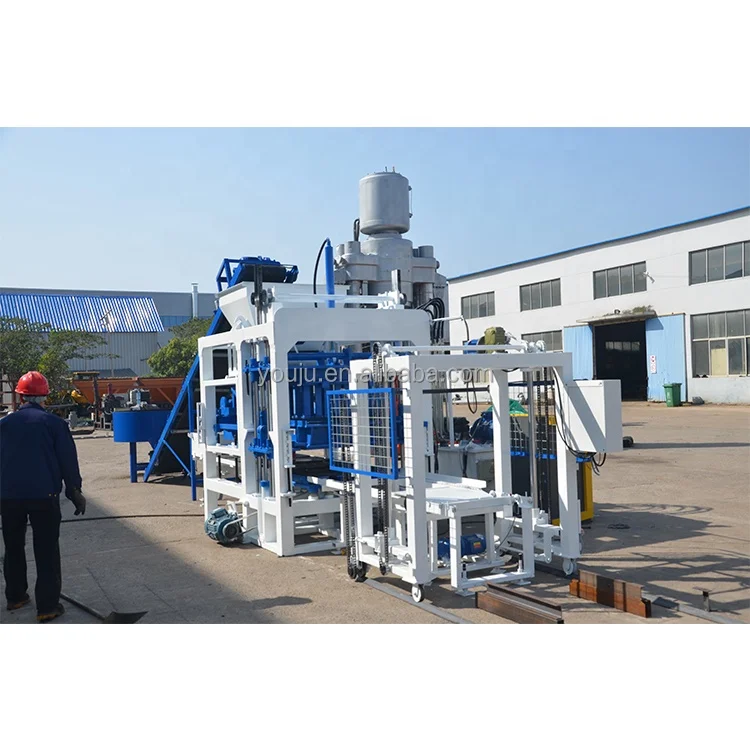
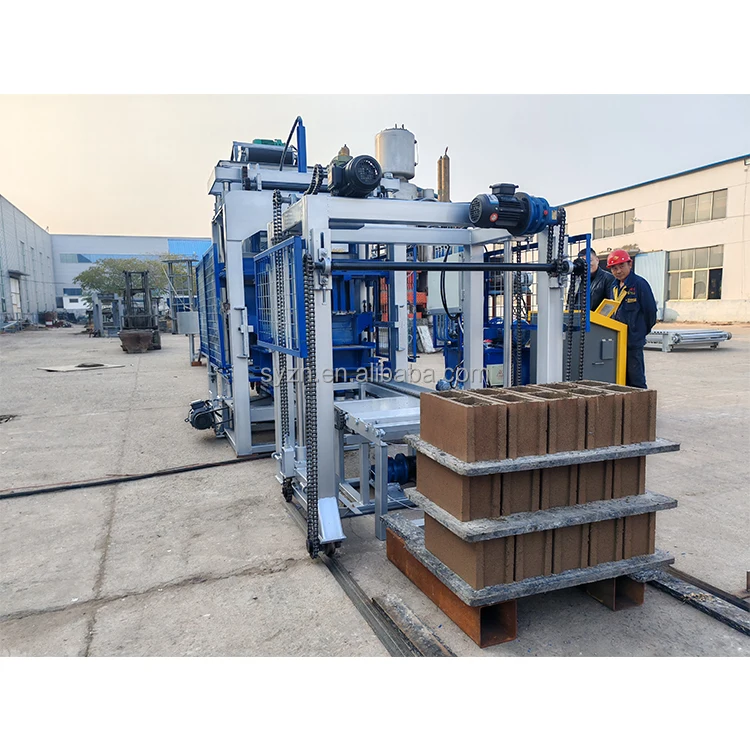
Dispatch-Ready Inventory — The QTJ4-45 mobile block machine in stock means your project timeline dictates the schedule, not a factory production queue.
Technical Specifications
| Parameter | Value |
|---|---|
| Model | QTJ4-45 |
| Product Type | Manual Egg Laying Block Making Machine |
| Molding Capacity | 4 pcs/mold (basis to be confirmed) |
| Vibration Frequency | 2400 r/m |
| Productivity | 2600-4000 pcs/day (basis to be confirmed) |
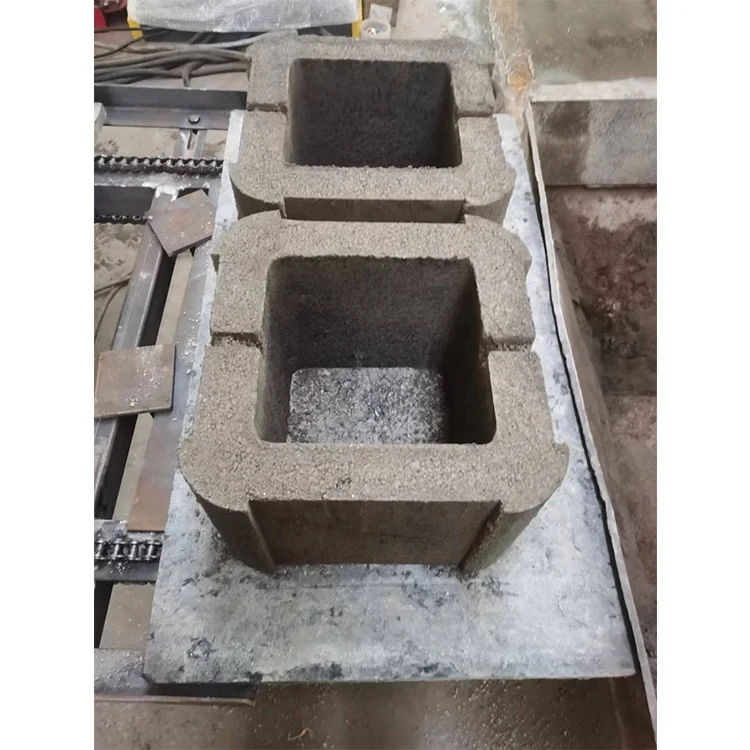
| Hollow Block Output (400×200×200mm) | 3000 pcs/day (8 hours) |
| Hollow Block Output (400×150×200mm) | 3500 pcs/day (8 hours) |
| Hollow Block Output (400×120×200mm) | 4500 pcs/day (8 hours) |
| Forming Method | Mold vibration |
| Demold Method | Manual |
| Turning Method | Manual |
| Total Power | 6KW |
| Power Source | Diesel/Petrol engine |
| Molding Cycle | 45s |
| Control System | Manual Operation |
| Mobility | Egg laying / Mobile on-site production |
Application Suitability
| Application | Material or Output |
|---|---|
| Remote construction sites without grid power | Hollow blocks from crushed stone, sand, and cement using diesel engine drive |
| On-site housing development projects | Solid and hollow blocks produced directly at the build location |
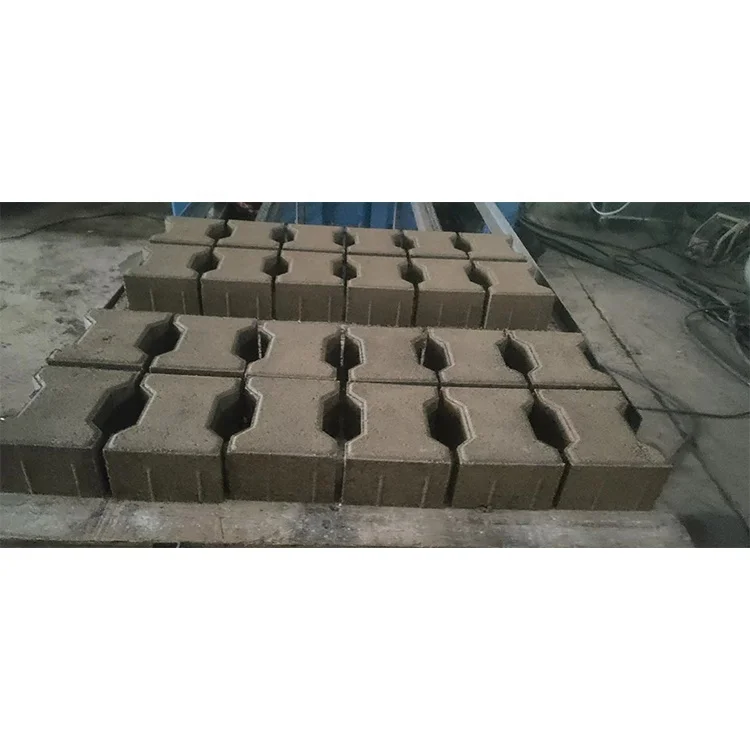
| Small workshop block production | Interlocking bricks and paving blocks in low-volume runs |
| First plant entrepreneurs | Entry-level block manufacturing with minimal infrastructure investment |
What "Ready for Dispatch" Actually Means for Your Deadline
Confirming a mobile block machine in stock before payment is the only way to guarantee your project start date.
Buyers working against construction milestones often discover that quoted lead times shift once the order is placed. A machine listed as available may still require assembly, testing, or engine fitting before it can leave the factory floor. When a contractor commits to a housing project timeline based on equipment arriving in three weeks, discovering a six-week production queue instead creates cascading delays across the entire build schedule [NEED_CITE: typical procurement delays in construction equipment sourcing]. I have seen project managers lose entire dry-season windows because the block machine they ordered was not actually built when they paid the deposit.
Engine-Powered Independence at Remote Sites
The diesel or petrol engine configuration eliminates the single biggest constraint on remote block production: grid electricity availability. Construction sites in developing regions frequently lack stable three-phase power, and running a generator large enough for an electric block machine adds fuel cost and maintenance complexity that erodes the project budget. A mobile block machine in stock with an engine drive arrives ready to produce on the first day, requiring only fuel and raw materials to begin operations.
Container Loading and Dismantling for Shipment
The egg laying design allows partial dismantling for container loading, reducing the shipping footprint compared to fixed-plant equipment. Buyers need to confirm the exact loading plan before dispatch — which components are removed, how the engine is secured, and whether the mold is shipped mounted or separately crated [NEED_CITE: standard container loading procedures for mobile construction machinery]. Knowing these details upfront prevents customs delays and ensures your forklift and crew are ready when the container arrives at the destination port.
Vibration Frequency, Engine Power, and Block Density
The 2400 r/m vibration frequency works within the constraints of a 6KW total power envelope to consolidate the concrete mix during each 45-second molding cycle. Lower vibration frequencies leave voids in the block wall, reducing compressive strength and increasing breakage during handling and curing. The engine must deliver consistent RPM under load; a worn or undersized engine will cause vibration force to drop mid-cycle, producing blocks with uneven density across the same batch. For hollow blocks at 400×200×200mm, the machine produces 3000 pcs/day over an 8-hour shift, while narrower formats like 400×120×200mm reach 4500 pcs/day in the same period because the mold fills faster and requires less vibration time to achieve full compaction.
The Cost of Ordering Without Confirming Stock Status
When buyers assume availability without written confirmation, the consequences extend beyond delayed shipment. Construction crews sit idle, aggregate stockpiles age and absorb moisture, and cement bags pass their optimal use window while waiting for equipment that has not yet been manufactured. The project overhead consumed during an unplanned wait often exceeds the price difference between a stocked unit and a made-to-order alternative [NEED_CITE: hidden costs of equipment procurement delays in construction projects]. A mobile block machine in stock with confirmed dispatch timing protects the entire project critical path, not just the equipment budget line.
Why Source This Machine Through a Stock-Focused Channel
Block machinery remains the single production focus, meaning the QTJ4-45 is specified as a matched system with its mold, engine, and manual handling components rather than assembled from separate suppliers. Configuration decisions are made against the buyer’s actual aggregate and target block format, not a catalog default that may not suit local materials. Molds for the formats your market actually sells are available from stock, and custom mold drawings can be accommodated when standard formats do not match local building codes. Dispatch lead time and container loading details are quoted upfront, eliminating the uncertainty that typically surrounds international machinery orders. Factory testing is completed before the machine leaves the workshop, with records documenting performance on your specified block format.
Documentation & Verification
- Factory test record showing cycle time and block output on your specified hollow block format
- Container loading photographs documenting engine securing and mold packaging before container seal
- Engine specification sheet confirming fuel type, power output, and spare parts compatibility
- Voltage and control language confirmation sheet for any electrical components included in the system
- Customs documentation package prepared for your destination country import requirements
Installation, Commissioning & Support
- Engine start-up procedure and break-in schedule provided for the 6KW diesel or petrol power unit
- Vibration frequency calibration to 2400 r/m verified during on-site commissioning with your local aggregate
- Manual demold and turning technique training covering the 45-second molding cycle workflow
- Mold change procedure documented for switching between hollow block formats on the same machine base
- Wear parts list identifying vibration components and engine consumables with replacement intervals
What to Include in Your Inquiry
Specify your target block format and the daily volume your project requires so the dispatch team can confirm whether a configured QTJ4-45 matching your needs is available from current inventory. Provide your destination port and preferred shipping timeline to receive an arrival estimate quoted against actual vessel schedules rather than generic transit assumptions. Indicate whether you need diesel or petrol engine configuration based on fuel availability at your project site.
Frequently Asked Questions
Q: Is the QTJ4-45 currently in stock or made-to-order?
A: Stock status is confirmed at the time of inquiry based on current inventory. The QTJ4-45 is maintained in ready-to-dispatch condition when available, with engine fitted and tested. Buyers receive written confirmation of stock status and exact dispatch date before payment is required, eliminating the uncertainty of ordering equipment that has not yet been assembled.
Q: What is the dispatch lead time from payment to port departure?
A: Dispatch timing depends on current stock position and container availability at the loading port. When a mobile block machine in stock is confirmed, the machine can typically be prepared for container loading within days rather than weeks. Buyers receive a specific departure window based on the next available vessel sailing to their destination port.
Q: How is the machine packed and loaded into containers?
A: The QTJ4-45 is partially dismantled for container loading, with the engine secured separately and the mold packaged to prevent damage during transit. Packing photographs are provided before the container is sealed, showing exactly how each component is positioned and braced. The loading plan accounts for destination port handling equipment availability.
Q: Can I get an arrival estimate for my specific destination?
A: Arrival estimates are quoted based on your named destination port and current vessel schedules from the port of loading. The estimate includes typical transit time plus port handling duration at both ends. Buyers working to project deadlines should request this estimate at inquiry stage to confirm the timeline before committing to the order.
Q: What engine options are available from stock?
A: The QTJ4-45 is configured with either a diesel or petrol engine based on buyer specification at the time of order. Stock units carry whichever engine type was most recently requested or built for inventory. Buyers with specific fuel requirements should confirm engine type availability when requesting stock status, as engine swaps require workshop time before dispatch.