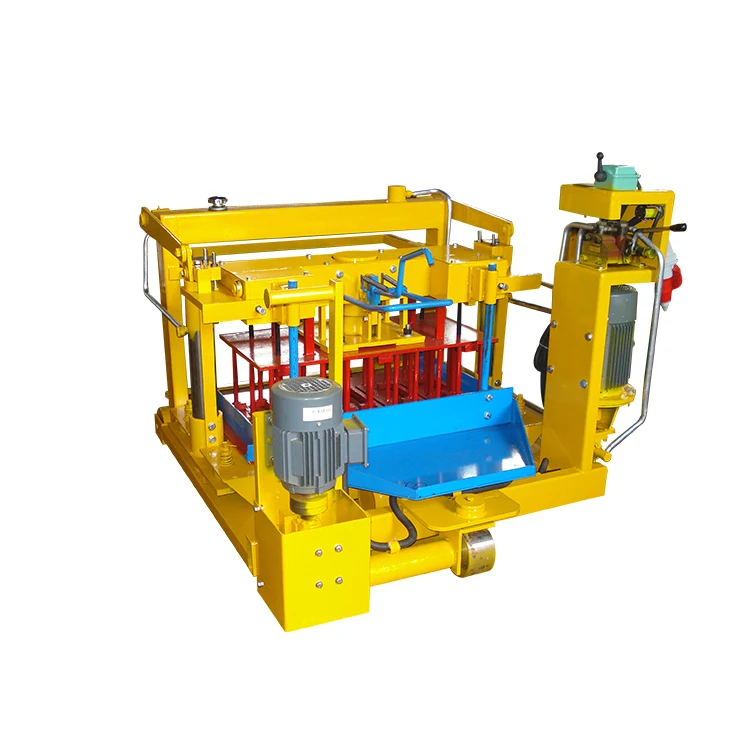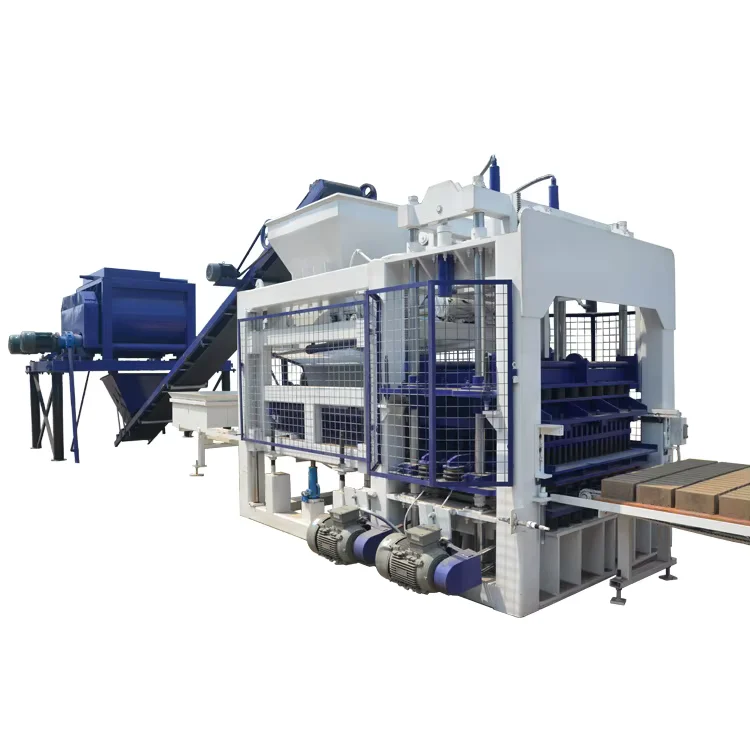
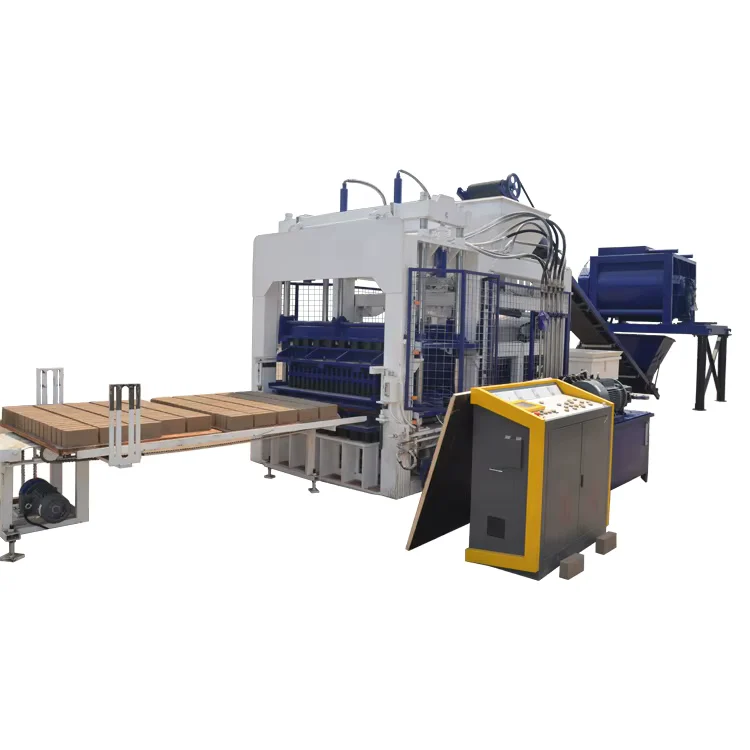
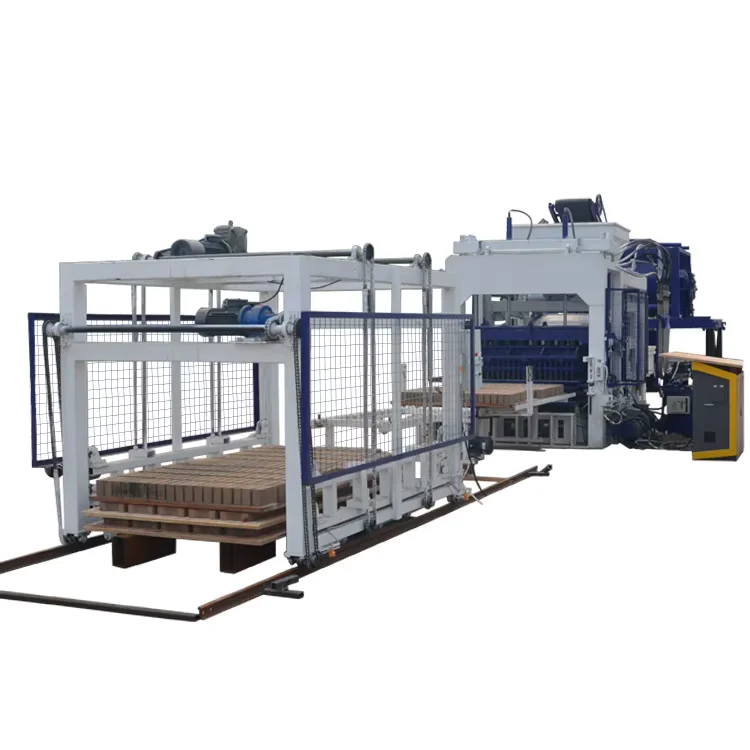
Description
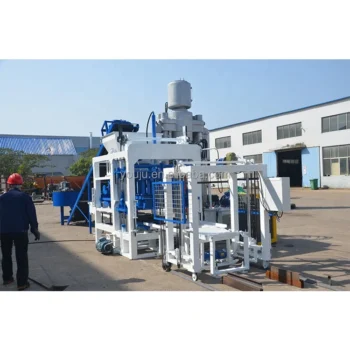
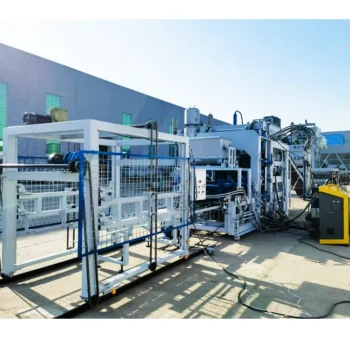
Rapid Dispatch Readiness — The SHIYUE QT12-15 mainframe is prepared for immediate container loading, ensuring your project timeline is not delayed by extended manufacturing queues.
Technical Specifications
| Parameter | Value |
|---|---|
| Model | QT12-15 |
| Product Type | Automatic Concrete Block Making Machine |
| Control System | PLC |
| Forming Method | Hydraulic pressure |
| Voltage Options | 110 V, 220 V, 240 V, 330 V, 380 V, 400 V, 415 V, 440 V |
| Overall Dimensions (L×W×H) | 5870 × 2220 × 2850 mm |
| Net Weight | 12000 kg |
| Brick Raw Material | Concrete |
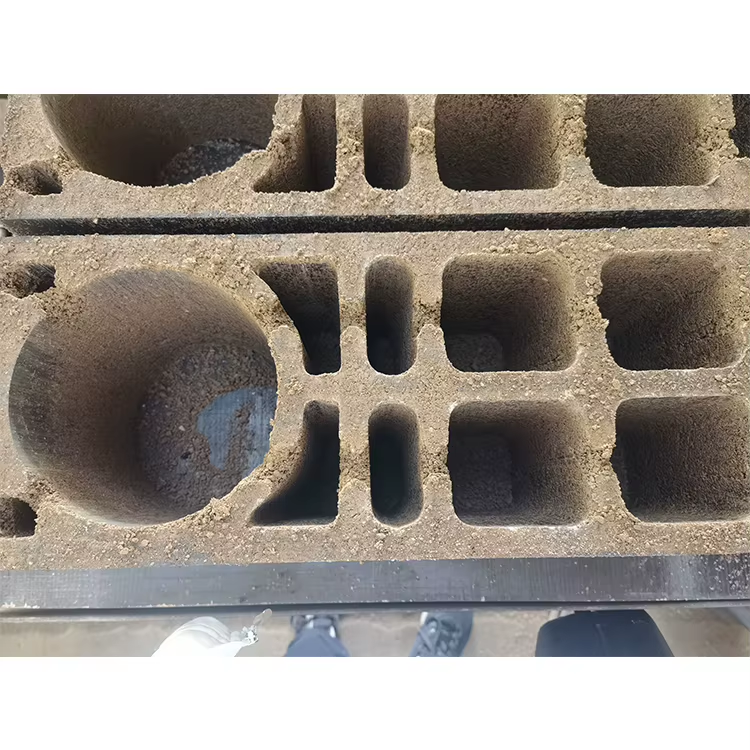
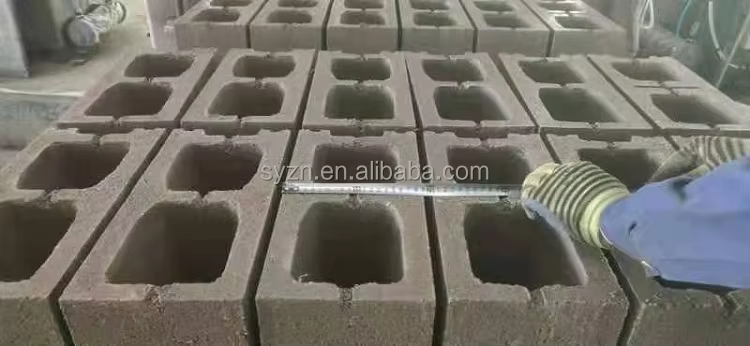
| Compatible Block Types | Hollow, Solid, Paver, Curbstone, Interlocking |
| Standard Brick Sizes | 400×100×200 mm, 400×120×200 mm, 390×190×190 mm, 200×100×60 mm, 300×150×100 mm |
| Core Components | PLC, Pressure Vessel, Engine, Gear |
| Automation Level | Automatic |
| Color Options | Blue, Black, Green, Yellow, White, or Custom |
| Output Capacity | (basis to be confirmed) |
| Cycle Time | (basis to be confirmed) |
| Pallet Size | (basis to be confirmed) |
Application Suitability
| Application Scenario | Material or Output Focus |
|---|---|
| High-volume housing development projects | Rapid deployment of standard hollow and solid concrete blocks |
| Municipal paving and infrastructure contracts | Consistent supply of interlocking pavers and curbstones |
| Emergency reconstruction and remote site setups | Fast on-site production using locally sourced concrete aggregates |
Why the Dispatch Date Matters More Than the Spec Sheet
When a contractor is working against a strict project deadline, the most advanced machinery is useless if it is stuck in a production queue. Securing a QT12-15 concrete block making machine in stock means the physical asset is already built, tested, and waiting for container loading. [NEED_CITE: Impact of equipment lead times on construction project penalties]. Delays in procurement often force site managers to rely on expensive manual labor or third-party block suppliers, eroding the profit margin of the entire development. I have seen fully automatic lines arrive late, leaving expensive machinery sitting in the rain while the foundation crew waits. Prioritizing immediate availability ensures the installation schedule aligns perfectly with your site preparation.
Container Loading and Dismantling Procedures
Shipping a 12,000 kg mainframe requires precise dismantling to fit standard ocean freight containers without damaging the hydraulic lines or the PLC enclosure. The QT12-15 concrete block making machine in stock is broken down into logical sub-assemblies, ensuring that the heavy structural frame and the sensitive control cabinets are secured separately. This systematic approach to container loading prevents transit damage and drastically reduces the time your installation crew spends identifying parts at the destination port.
Upfront Arrival Estimates for Project Planning
Project managers cannot build a critical path schedule around vague delivery promises. When you order this equipment, the dispatch lead time and arrival estimate are quoted upfront, factoring in the current port congestion and ocean transit routes. [NEED_CITE: Variables affecting international ocean freight transit times]. Knowing the exact arrival window allows you to schedule the concrete foundation pouring, electrical rough-ins, and crane rentals precisely when the equipment clears customs, eliminating costly equipment rental extensions and idle crew days.
Decoding the Physical Footprint and Power Requirements
The physical dimensions of 5870 × 2220 × 2850 mm and a net weight of 12,000 kg dictate the exact specifications of the concrete foundation required at your facility. A heavy-duty hydraulic pressure system generates significant dynamic force during the compaction cycle, meaning the ground must be reinforced to prevent long-term settling. Furthermore, the wide voltage compatibility—ranging from 110 V to 440 V—means the machine can be configured to match your local grid before it leaves the warehouse. Confirming the exact voltage and frequency with your site electrician prior to dispatch prevents the need for expensive step-down transformers upon arrival.
The Hidden Costs of Ignoring Upstream and Downstream Timing
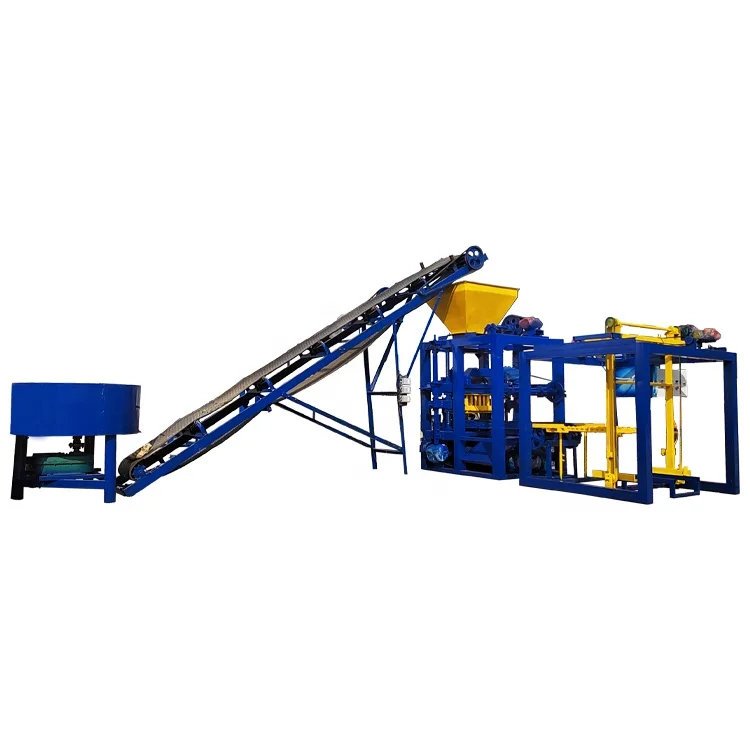
Focusing solely on the main press while neglecting the arrival timing of the supporting line creates severe operational bottlenecks. I once oversaw a delivery where the main host arrived on schedule, but the automated handling equipment was delayed by weeks. The result was a fully automatic line forced to run as a manual operation, with workers struggling to move the output fast enough to keep up with the press. [NEED_CITE: Efficiency losses in unbalanced manufacturing production lines]. When the upstream batching and downstream stacking components do not arrive simultaneously, the entire project timeline fractures, and the anticipated labor savings vanish.
Why Source This Equipment Through Our Dispatch Network
Our single focus on block machinery means the mainframe, moulds, and handling equipment are dispatched as one matched system, preventing integration delays. We configure the voltage and PLC language against your actual site conditions before the machine is crated, avoiding commissioning standstills. Standard and custom moulds are loaded into the same container as the press, ensuring you can start production the moment the power is connected. We provide clear dismantling instructions and packing photographs, making customs clearance and site reassembly straightforward. Our process is built around your project deadline, not our manufacturing convenience.
Documentation & Verification
- Factory test record verifying hydraulic pressure stability before the mainframe is dismantled for loading.
- Outgoing video inspection showing the physical condition of the 12,000 kg frame prior to container sealing.
- Detailed packing photographs mapping every sub-assembly to its specific location inside the shipping container.
- Complete customs documentation support to accelerate port clearance and prevent demurrage charges.
- Voltage and PLC control language confirmation sheet signed off before the electrical cabinet is crated.
Installation, Commissioning & Support
- Foundation blueprint detailing the load-bearing requirements for the 5870 × 2220 × 2850 mm mainframe footprint.
- Electrical schematic confirming the pre-configured voltage setting to match your site’s dedicated power circuit.
- Step-by-step reassembly guide matching the specific dismantling sequence used during container loading.
- Initial hydraulic pressure calibration and PLC parameter setup performed immediately upon physical reassembly.
- Operator training focused on the specific block formats and mould change procedures included in your shipment.
- Comprehensive wear parts list identifying the exact hydraulic and mechanical components requiring routine inspection.
Preparing Your Site for Immediate Integration
To ensure the equipment integrates smoothly into your operation upon arrival, please provide your local voltage and frequency specifications, the exact dimensions of your available production floor space, and your target daily output requirements. This information allows us to verify that the selected configuration matches your site conditions and that the dispatch schedule aligns with your construction milestones.
Frequently Asked Questions
Q: What is the exact dispatch lead time and arrival estimate for the QT12-15?
A: Because this model is maintained in ready-to-ship condition, the dispatch lead time is limited to the days required for final inspection, dismantling, and container loading. The arrival estimate is calculated based on your destination port and current ocean freight schedules, providing you with a reliable timeline for your project planning.
Q: How is the machine dismantled and loaded into containers for fast shipment?
A: The 12,000 kg mainframe is systematically broken down into structural and mechanical sub-assemblies to maximize container space while protecting sensitive components like the PLC and hydraulic pressure vessel. Each part is securely braced to prevent transit damage, and the loading sequence is documented to streamline reassembly at your site.
Q: Which voltage configurations are currently available for immediate dispatch?
A: The electrical systems are highly adaptable, supporting configurations from 110 V up to 440 V. Before the machine is crated for shipment, the control system is wired and tested to match your specific local grid requirements, ensuring the equipment is ready for immediate connection upon arrival.
Q: What customs documentation and packing photographs are provided to speed up clearance?
A: We supply a comprehensive documentation package that includes detailed packing photographs mapping every component inside the container, alongside all necessary commercial and customs paperwork. This transparency prevents inspection delays at the destination port and helps your logistics team clear the shipment efficiently.
Q: How quickly can overseas installation and commissioning support be scheduled upon arrival?
A: Installation support is scheduled in tandem with your confirmed arrival estimate and site readiness. Once the container clears customs and the foundation is prepared, our technical team coordinates the reassembly, hydraulic calibration, and operator training to get the line running without unnecessary downtime.