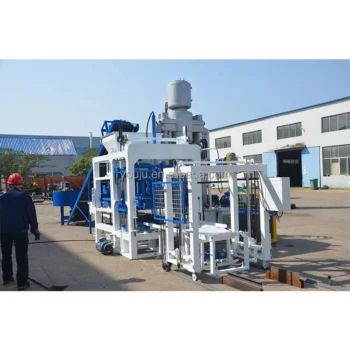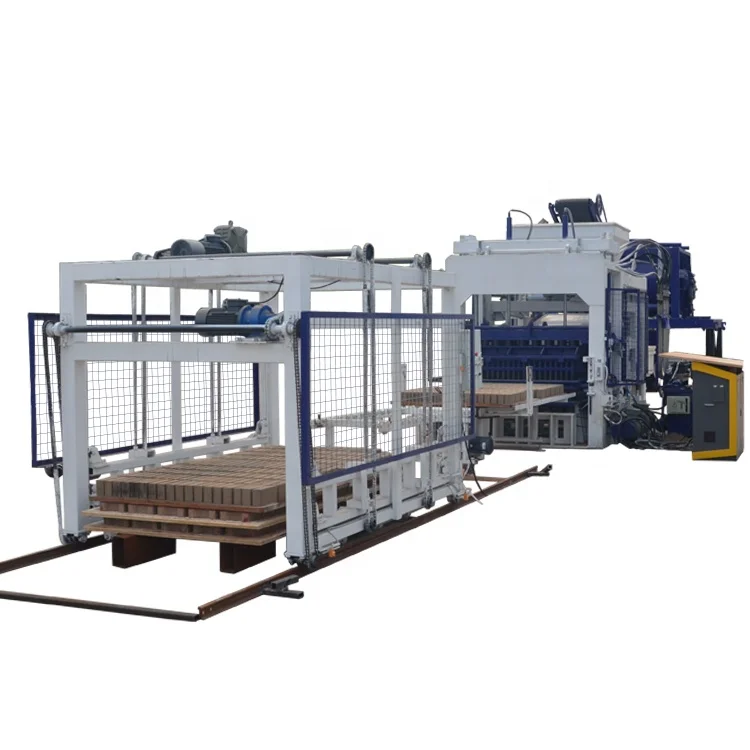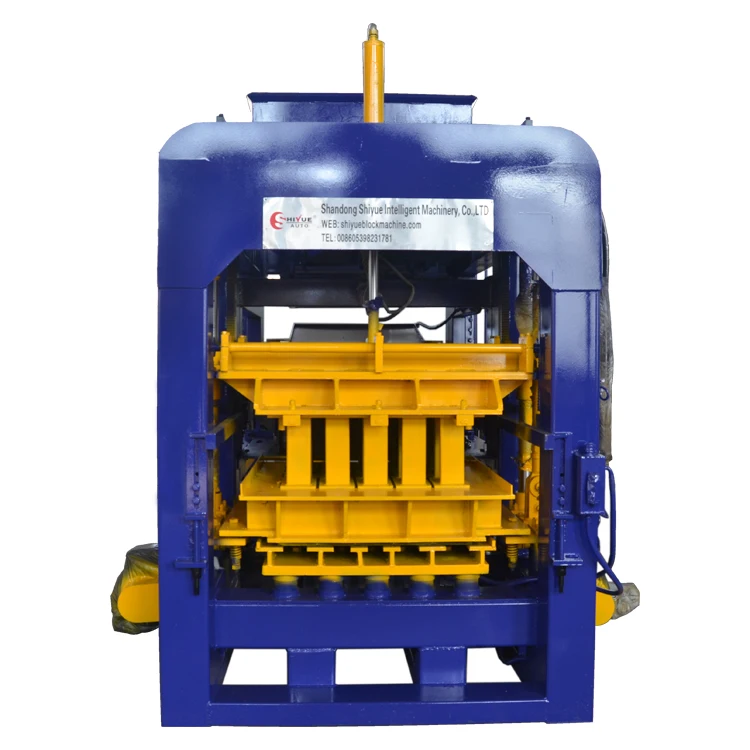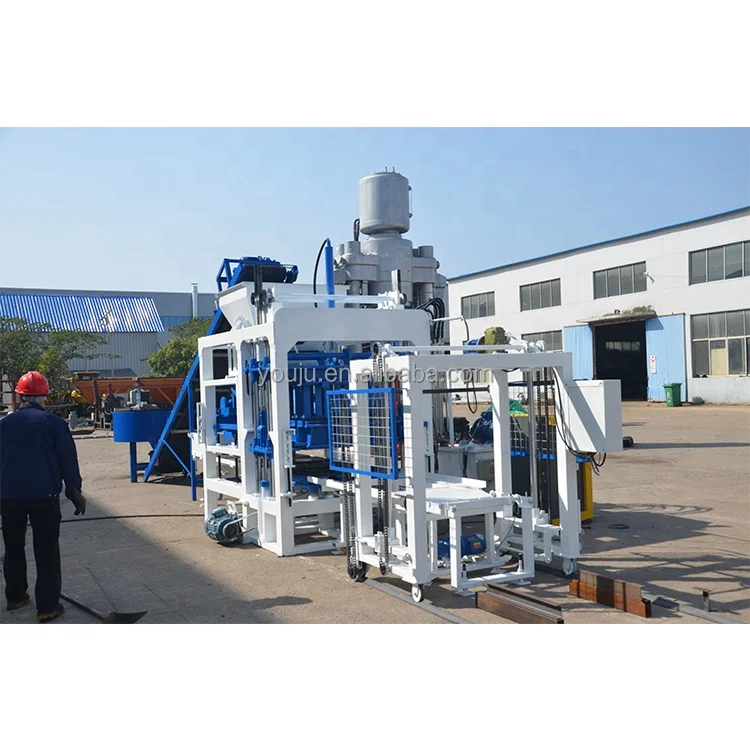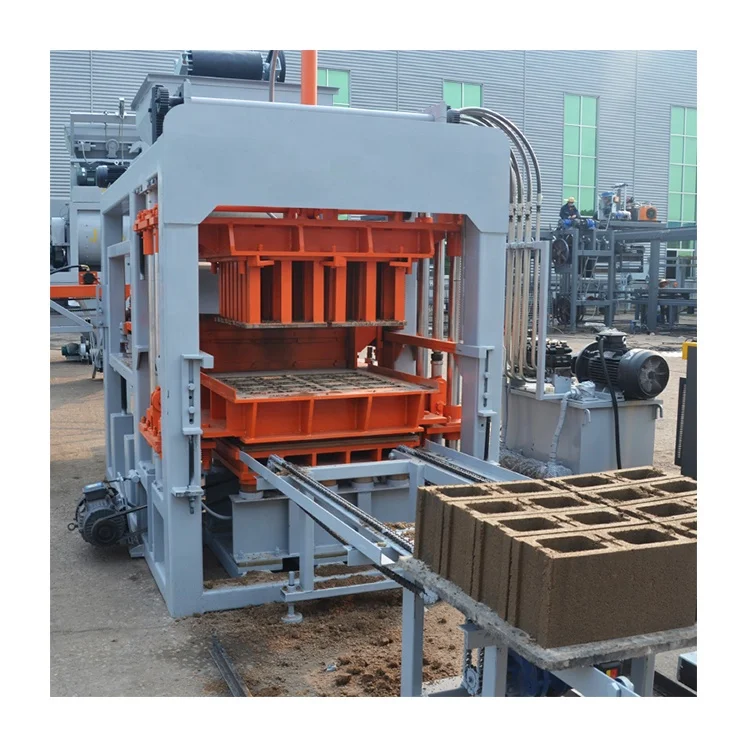


Description
Stocked and verified — QT6-15 units undergo electrical confirmation and container-load planning before dispatch, so your block plant starts producing instead of waiting for rework.
Technical Specifications
| Parameter | Value |
|---|---|
| Model | QT6-15 |
| Product Type | Automatic Concrete Block Making Machine |
| Molding Way | Vibration and hydraulic pressing |
| Rated Pressure | 21 MPa |
| Molding Cycle | 15s–20s |
| Pallet Size | 900×700 mm |
| Main Machine Weight | 6000 KGS |
| Output (Hollow Block 400×200×200mm) | 1440 pcs/h, 11520 pcs/8h |
| Output (Paving Brick 200×100×60mm) | 5040 pcs/h, 40320 pcs/8h |
| Output (Solid Brick 240×115×53mm) | 7680 pcs/h, 61440 pcs/8h |
| Mixer (Simple Line) | JS500 |
| Conveyor Belt Length | 8M |
| Voltage | Customizable to local voltage (basis not stated in source — confirm exact V/Hz) |
| Control System | PLC (specifics not stated in source — confirm brand/language) |
| Assembly State | Top cylinder removed for container loading |
| Warranty | 1 year (excluding wearing parts) |
Application Suitability
| Application | Material or Output |
|---|---|
| Hollow block production | Cement, sand, and crushed stone aggregate |
| Paving brick manufacturing | Cement with stone powder and pigment layers |
| Solid brick output | Fly ash blended with slag and sand |
| Interlocking brick runs | Concrete mixes with fine aggregate grading |
| Curbstone forming | Dense concrete with coarse aggregate base |
Why the Voltage Question Must Come Before the Order
A stocked QT6-15 block machine in stock is only fast if the motor matches your grid — otherwise it sits idle while a replacement ships overseas.
I have watched a container arrive on schedule only for the local electrician to discover 415V on a panel wired for 380V. The motor burned within the first hour of commissioning. The contractor lost three weeks sourcing a step-down transformer while the entire crew stood around an unplugged press. [NEED_CITE: voltage and frequency standards by export market]
That delay never appears in a lead-time quote. When a buyer focuses solely on dispatch speed, the electrical mismatch becomes the longest wait in the entire project. Confirming the QT6-15 block machine in stock with the correct V/Hz rating before it leaves the factory is the single most effective way to protect your timeline.
Dispatch Without the Custom-Build Wait
A QT6-15 block machine in stock skips the typical multi-week production cycle. Standard moulds for hollow blocks and paving bricks are paired and pallet-ready, so the machine moves from warehouse to container in days rather than months. For contractors working against a project milestone, that gap between order and arrival often decides whether the block plant opens on time.
How Container Loading Is Planned Upfront
The main machine weighs 6000 KGS and ships with the top cylinder removed to clear standard container height. This dismantling is documented before dispatch, and reassembly instructions travel with the shipment. Knowing the exact loading plan in advance lets your receiving crew prepare the crane and floor space before the truck arrives. [NEED_CITE: container loading practices for heavy industrial machinery]
Reading the Specs That Actually Matter on Site
The 21 MPa rated pressure combined with vibration determines how dense each block leaves the mould. If your local aggregate is coarse or poorly graded, the hydraulic force must compensate to achieve consistent compressive strength. The 900×700 mm pallet size should match your curing rack dimensions and forklift tine spacing — ordering a pallet that does not fit your existing racks creates a bottleneck that no cycle time figure can fix. Moulding cycles of 15–20 seconds apply across formats, but actual output depends on how quickly operators feed raw material and pull finished pallets, which is why the JS500 mixer and 8M conveyor are bundled as a simple line to keep the press fed continuously.
The Cost of Skipping Electrical Verification
When voltage and frequency are assumed rather than confirmed, the consequences arrive at the worst possible moment — during commissioning with the client watching. A motor wound for the wrong frequency runs hotter and draws excess current, degrading insulation until failure occurs. Replacing a main drive motor overseas adds shipping time, customs clearance, and an electrician familiar with the new component. [NEED_CITE: CE machinery directive requirements for industrial equipment]
Why Buyers Source This Model Here
Block machinery is our single focus, so the QT6-15 ships with mould, pallet, and handling equipment specified as one matched set rather than assembled from separate suppliers. Voltage and PLC language are confirmed against your destination country before the machine leaves the factory. Standard moulds for the formats your market actually sells are kept alongside the press, and packing photographs are shared so you see exactly how the load sits in the container before it is sealed.
Documentation & Verification
- Line layout showing pallet flow from mixer to curing rack
- Factory test record on your specified block format before dispatch
- Voltage and control language confirmation sheet signed pre-shipment
- Mould drawing and format list for every included mould
- Packing photographs showing container load plan
- Customs documentation package for destination clearance
Installation, Commissioning & Support
- Foundation slab must bear 6000 KGS plus dynamic vibration loads
- Dedicated circuit matching confirmed voltage with proper breaker rating
- Top cylinder reinstalled on site using included alignment hardware
- PLC language verified with operator before first production run
- Mould change procedure trained on site using supplied tools
- Wear parts list with reorder intervals for hydraulic seals and mould liners
What to Include in Your Inquiry
Share your target block format, daily output requirement, and the local aggregate you plan to use. Confirm your site voltage and frequency so the motor and control panel are wired correctly before dispatch. If you have existing curing racks or forklifts, provide the dimensions so the pallet size is cross-checked against your equipment.
Frequently Asked Questions
Q: Which QT6-15 units and standard moulds are currently available for immediate dispatch?
A: Stocked QT6-15 presses are paired with standard hollow block and paving brick moulds. Exact availability shifts with orders, so confirm the specific format list and dispatch date before placing your purchase order.
Q: What is the dispatch lead time and estimated arrival?
A: Stocked units ship within days of order confirmation, avoiding a full production cycle. Ocean transit time depends on destination port, and an arrival estimate is provided at the quotation stage so you can plan site readiness.
Q: How is the machine prepared for container loading?
A: The top cylinder is removed to fit standard container height. Dismantling points are documented, and reassembly hardware travels with the machine. Your crew receives the loading plan before the container is sealed.
Q: Can voltage and frequency be confirmed before dispatch?
A: Yes. The motor winding and PLC panel are verified against your destination grid before the machine ships. This step is mandatory in our dispatch checklist and prevents commissioning delays on arrival.
Q: What standard moulds ship with the machine from stock?
A: Moulds for hollow blocks, paving bricks, and solid bricks are commonly stocked alongside the QT6-15. Custom format moulds require a separate lead time and are quoted based on your drawings.