
Description
Rapid Dispatch Readiness — Pre-assembled mainframes and matched pallet inventory eliminate typical multi-week fabrication delays for immediate project mobilization.
Technical Specifications
| Parameter | Value |
|---|---|
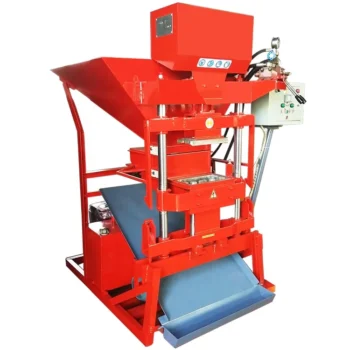
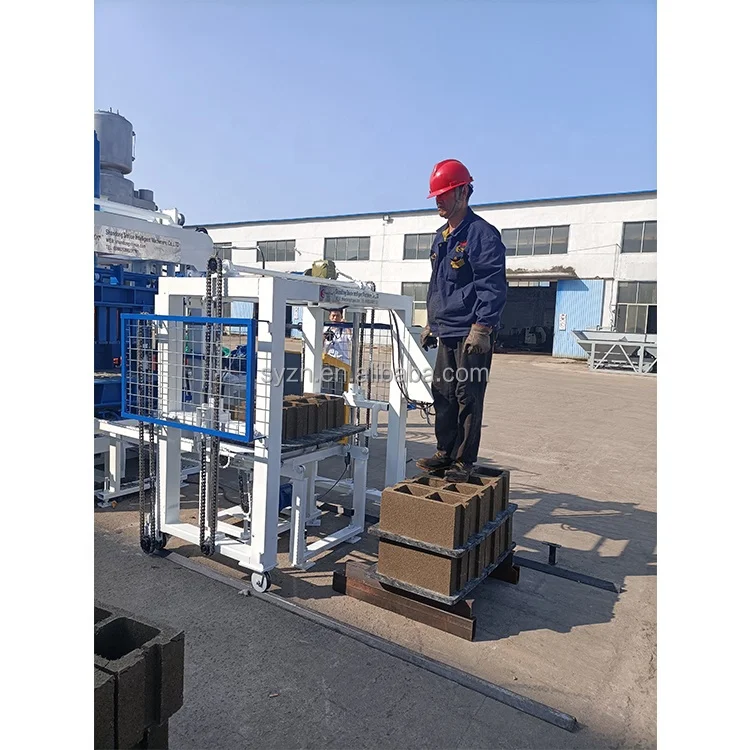
| Product Type | Automatic Hydraulic Concrete Block Making Machine Production Line |
| Model | QT10-15 |
| Forming Method | Hydraulic Pressure |
| Rated Pressure | 21 MPa |
| Standard Voltage | 380V |
| Machine Dimensions (L×W×H) | 7100 × 1600 × 2610 mm |
| Total Mass | 7200 kg |
| Pallet Size | 1100 × 900 mm (verify local curing rack compatibility) |
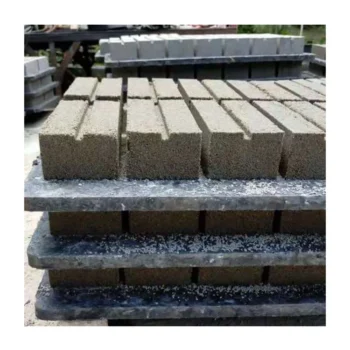
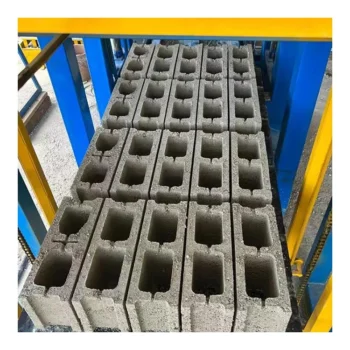
| Supported Brick Sizes | 400×200×200 mm, 400×150×200 mm, 200×100×60 mm, 240×115×90 mm, and others |
| Molding Cycle | 15 seconds (basis to be confirmed by specific block format and material) |
| Core Components | PLC, Motor, Pump, Gearbox, Pressure Vessel, Bearings |
| Automation Level | Fully Automatic |
| Required Operators | 3 to 5 workers |
Application Suitability
| Application | Material or Output |
|---|---|
| On-site housing project production | Concrete and cement for immediate structural wall requirements |
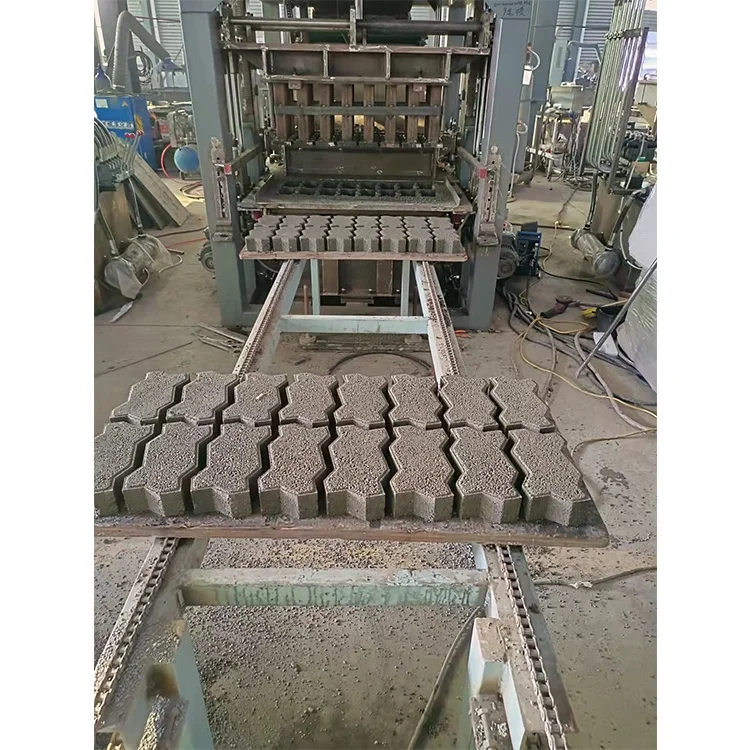
| Paver and curbstone manufacturing | Flyash and concrete mixes for standard municipal landscaping formats |
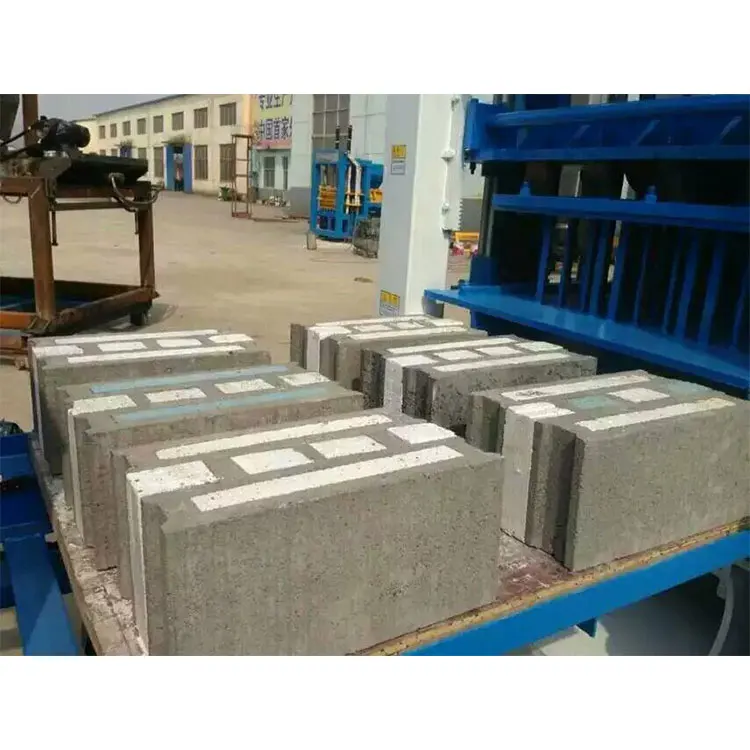
| High-volume block plant expansion | Rapid deployment of hollow and solid brick formats to meet market spikes |
| Distributor warehouse fulfillment | Quick turnaround of standard brick sizes to supply local retail networks |
Why the Voltage Question Must Precede the Shipping Date
Confirming local electrical standards before loading is the only way to prevent a three-week transformer delay on your job site.
Years ago, I oversaw the QC and dispatch of a fully automatic hydraulic concrete block making machine production line without double-checking the destination grid. The main motors simply would not start upon arrival, and the client waited weeks for step-down transformers while their construction schedule slipped. Now, I verify every electrical specification against the buyer’s local grid before the mainframe enters the container. Rushing a dispatch only to face a month of idle equipment on-site defeats the entire purpose of buying a readily available unit [NEED_CITE: voltage and frequency standards by export market]. The QT10-15 block making machine in stock is configured for standard 380V systems, but confirming your exact phase and frequency requirements ensures the control cabinet is wired correctly before it leaves our facility.
Immediate Allocation from Stocked Inventory
Securing a QT10-15 block making machine in stock removes the typical fabrication waiting period from your procurement timeline. When project deadlines are unforgiving, having the main press, hydraulic station, and standard moulds already assembled means we can move straight to outgoing inspection. This rapid allocation allows construction contractors and building material distributors to lock in their equipment arrival dates with confidence.
Transparent Container Loading and Dismantling
Shipping a 7200 kg mainframe requires precise dismantling procedures to fit standard freight containers without damaging critical hydraulic lines. Our loading plans detail exactly how the 7100×1600×2610 mm structure is broken down, secured, and braced for ocean transit. By providing these container loading plans upfront, we eliminate guesswork at the port of discharge and ensure your local logistics team knows exactly what equipment and space are required for unloading [NEED_CITE: standard container dimensions and loading limits for heavy machinery].
Decoding the Physical and Hydraulic Footprint
The 21 MPa rated pressure dictates the density and structural integrity of the hollow and solid bricks produced, ensuring they meet local construction codes without excessive cement consumption. A 1100×900 mm pallet size directly determines your curing area layout; if your existing forklifts or curing racks are sized differently, you will face immediate bottlenecks upon arrival. The 7100×1600×2610 mm mainframe dimensions require a specific foundation footprint and overhead clearance, meaning your site preparation must be completed before the vessel docks. Furthermore, the standard 380V electrical requirement demands dedicated industrial circuits; failing to prepare these specific power drops will halt commissioning the moment the machine is reassembled.
The Hidden Costs of Rushed Procurement
Ordering heavy machinery purely on availability without verifying site readiness often leads to severe financial penalties upon arrival. If the 380V power supply is not stabilized or properly phased, the PLC and main motors can suffer irreversible damage during the first test run. Neglecting to confirm the 1100×900 mm pallet specification against your local curing infrastructure forces you to manually stack heavy green blocks, entirely negating the efficiency of a fully automatic line. Furthermore, assuming a 15-second molding cycle applies universally across all brick formats leads to massive shortfalls in daily output projections, leaving contractual obligations unmet [NEED_CITE: common causes of industrial equipment commissioning failures].
Why Source This Equipment Through Our Dispatch Hub
We maintain physical inventory of core machine models and standard moulds, allowing us to bypass the standard manufacturing queue and dispatch immediately. Every outgoing unit undergoes rigorous video inspection and factory testing, providing visual proof of operational readiness before the container doors are sealed. Our logistics team handles the complex dismantling and bracing of the 7200 kg mainframe, ensuring it survives transit and reassembles cleanly on your foundation. We confirm voltage, frequency, and PLC language parameters against your local grid standards prior to final wiring, preventing the costly on-site electrical modifications that plague rushed orders.
Documentation & Verification
- Factory test record demonstrating hydraulic pressure stability before dispatch
- Video outgoing-inspection showing the mainframe and PLC running under load
- Detailed container loading plan and dismantling sequence for port discharge
- Complete customs documentation package to prevent border clearance delays
- Machinery test report verifying core component performance metrics
Installation, Commissioning & Support
- Foundation must support the 7200 kg mass and absorb 21 MPa hydraulic vibration
- Dedicated 380V circuit required to protect the PLC and main drive motors
- Dismantling sequence provided to guide local cranes during container unloading
- Hydraulic lines are pre-marked to accelerate reassembly and prevent cross-threading
- Operator training covers PLC fault codes and standard molding cycle adjustments
- Wear parts list included to ensure local sourcing of high-friction components
Preparing Your Site for Immediate Deployment
To ensure the equipment integrates smoothly into your operation upon arrival, please provide your exact local voltage, frequency, and required PLC display language. We also need to know your available factory ceiling height and the dimensions of your existing curing area to verify compatibility with the standard pallet size. Finally, confirm which specific brick formats from the supported range you intend to run first, so we can prioritize the corresponding moulds during the loading process.
Frequently Asked Questions
Q: What is the exact dispatch lead time for the QT10-15 block making machine in stock?
A: Because the mainframe and standard moulds are physically available in our facility, the primary delay is finalizing electrical verification and completing the outgoing video inspection. Once your local voltage and site parameters are confirmed, the dismantling and container loading process begins immediately, significantly reducing the typical multi-week fabrication wait.
Q: Which standard moulds are currently stocked and ready to ship with this machine?
A: Our ready-to-dispatch inventory includes standard moulds for common construction formats, such as 400×200×200 mm hollow blocks and 200×100×60 mm pavers. We allocate these specific moulds to your order upon confirmation, ensuring they are loaded into the same container as the main press for immediate production upon arrival.
Q: How is the 7200 kg machine dismantled and loaded into containers for fast shipment?
A: The 7100×1600×2610 mm structure is systematically broken down into major sub-assemblies, including the main press, hydraulic station, and control cabinet. Each component is securely braced and lashed within standard freight containers according to a predefined loading plan, ensuring safe ocean transit and straightforward reassembly at your site.
Q: What customs documentation and packing photographs are provided to ensure smooth clearance?
A: We supply a comprehensive customs documentation package alongside detailed packing photographs taken during the container loading process. This visual and written evidence clearly identifies the fully automatic hydraulic concrete block making machine production line components, preventing misclassification and minimizing hold-ups at your destination port.
Q: Can the 380V voltage and PLC settings be confirmed quickly for my target market?
A: Yes, verifying the 380V requirement and PLC language is a mandatory step in our QC process before the machine enters the container. By confirming your local grid frequency and control preferences upfront, we ensure the electrical cabinet is correctly configured, preventing the need for costly on-site transformers or rewiring.