
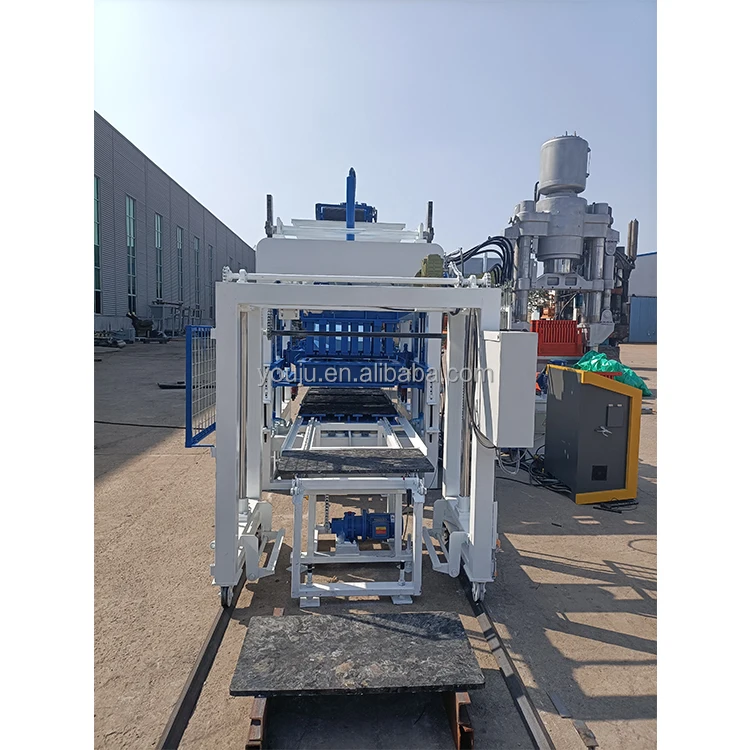
Description
Ready-to-ship inventory — stocked QT4-18 units dispatched with container loading plans and arrival timelines confirmed before payment clears, so project deadlines stay intact.
Technical Specifications
| Parameter | Value |
|---|---|
| Model | QT4-18 |
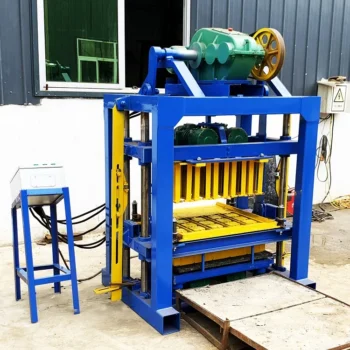
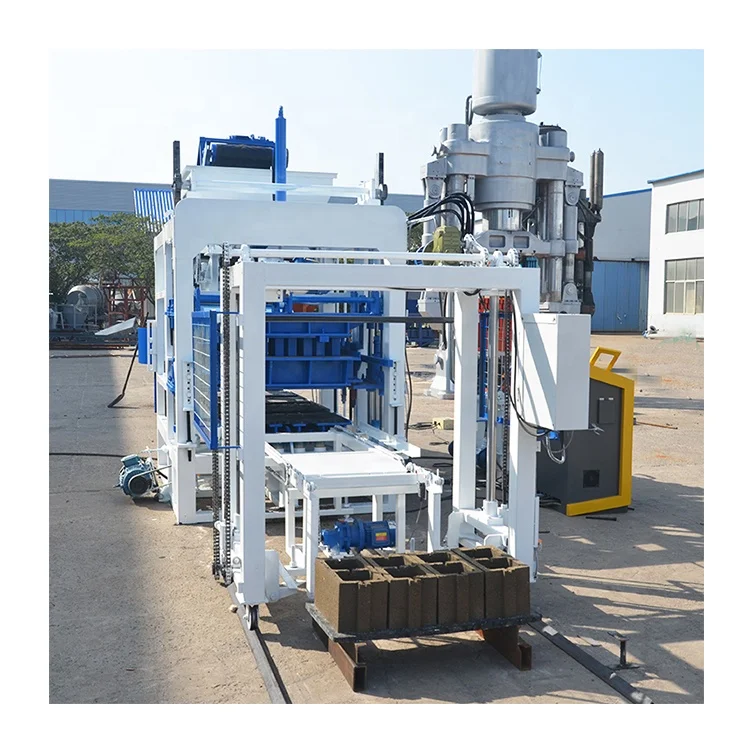
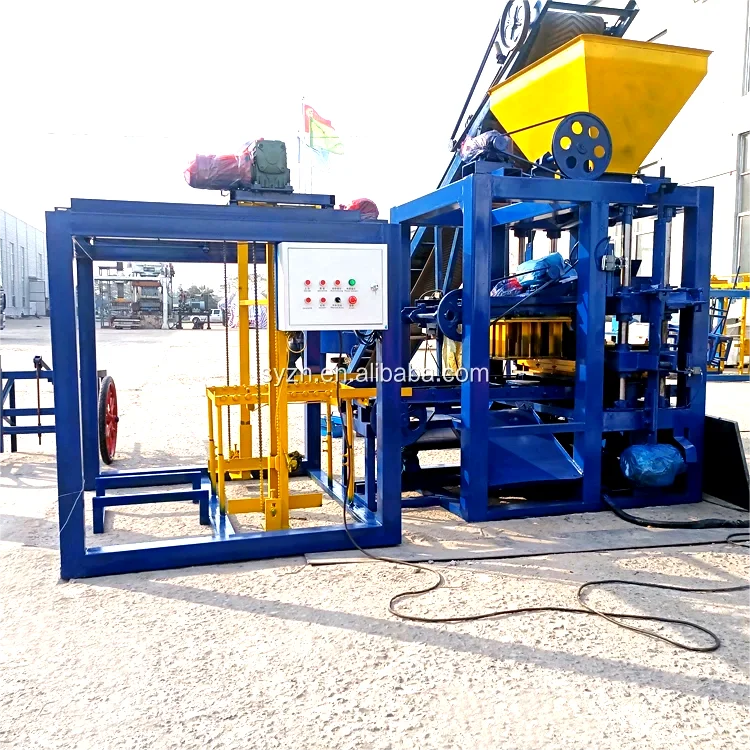
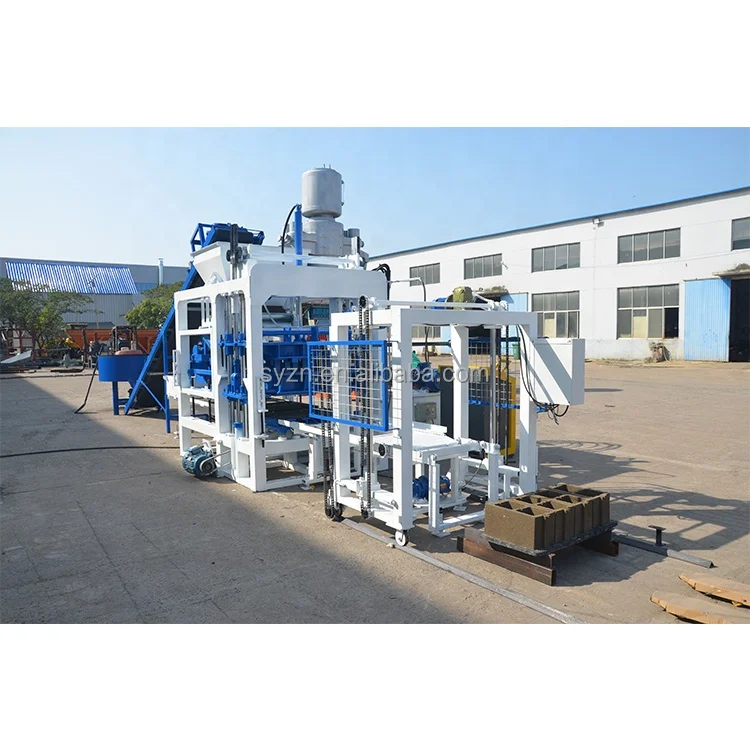
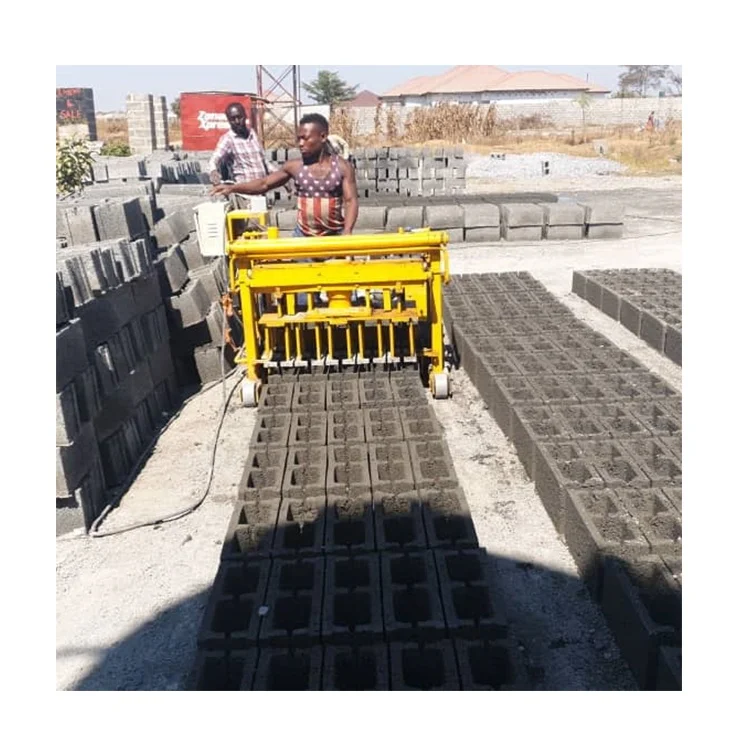
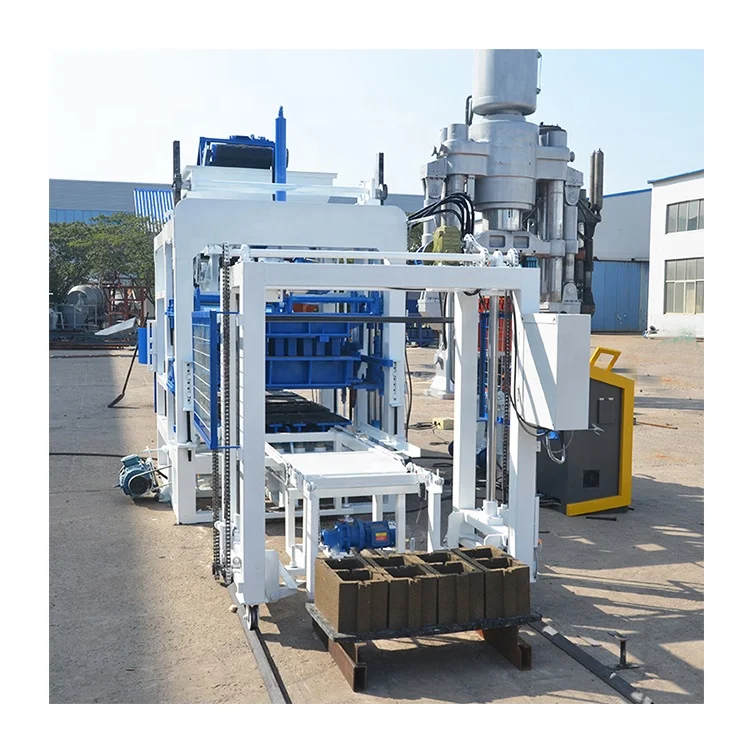
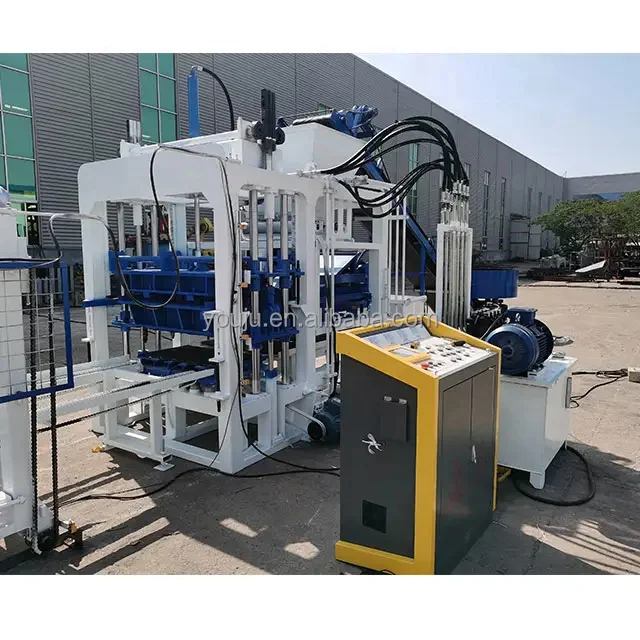
| Product Type | Stationary Block Making Machine |
| Host Machine Power | 27.5 kW |
| Moulding Cycle | 15 s |
| Dimension Of Host Machine | 7100 × 1600 × 2610 mm |
| Pallet Size | 1020 × 570 mm |
| Weight Of The Host Machine | 5 T |
| Vibration Force | 40 kN |
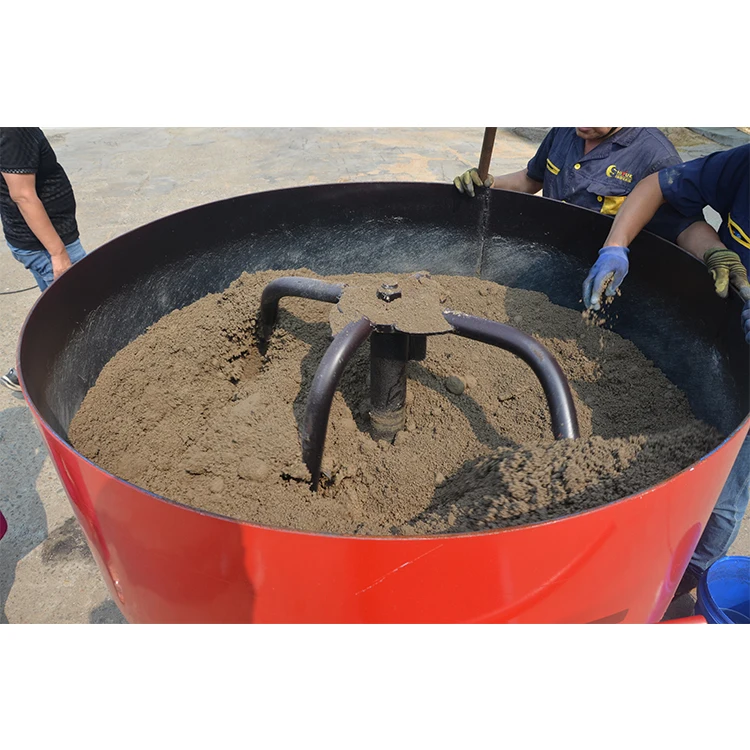
| Mixer Model | JS500 |
| Voltage | 380 V (frequency configurable to destination grid) |
| General Water Consumption | 4 T per day |
| Workers Required | 3–4 |
| Workshop Area | 150 m² |
| Theoretical Productivity | Basis to be confirmed (depends on block format and thickness) |
| Hydraulic Pressure | Value to be confirmed at order |
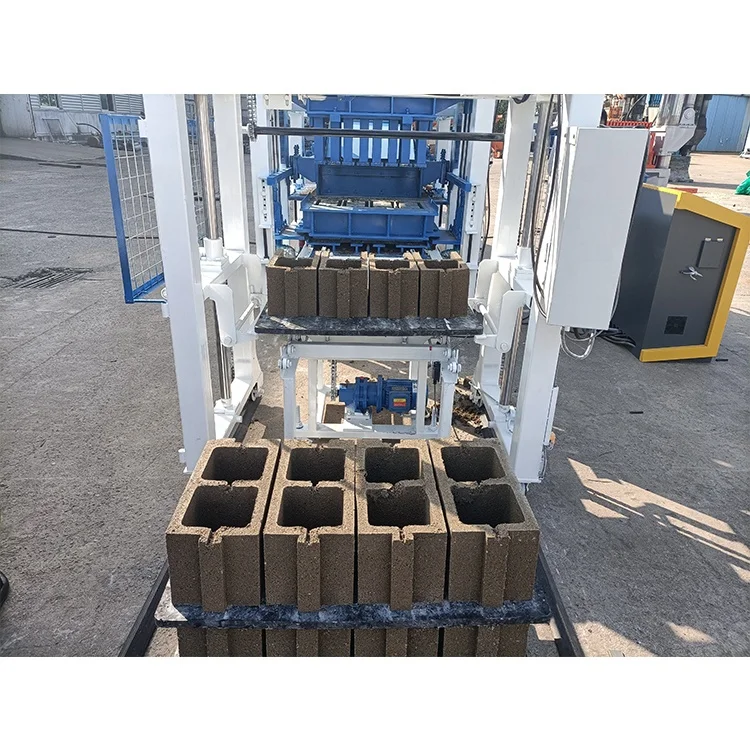
| Mould Format | Standard hollow and solid block moulds in stock; custom formats on request |
| Automation Level | Automatic (pallet handling and stacking configuration confirmed per order) |
Application Suitability
| Application | Material or Output |
|---|---|
| Hollow block production for building envelopes | Crushed stone, cement, sand, and water in standard concrete mixes |
| Solid block manufacturing for load-bearing walls | Local aggregate blended with Portland cement |
| On-site masonry unit production for contractors | Project-site raw materials, including desert sand when mix-adjusted |
| Small-to-medium block plant output | Pavers and partition blocks in standard formats |
What "Stocked and Ready" Actually Means for Your Timeline
A machine labelled "in stock" only helps if the container loading plan, voltage match, and customs paperwork are also ready.
I have watched project schedules slip because a QT4-18 block machine in stock fast delivery was promised, but the motor was wired for 50 Hz and the job site ran on 60 Hz. The machine sat in a bonded warehouse for weeks while a replacement control panel shipped by air. [NEED_CITE: voltage and frequency standards by export market] The real bottleneck is rarely the press itself — it is the ancillary configuration that gets overlooked when a unit is pulled from the yard and loaded straight into a container. We confirm voltage, frequency, PLC language, and pallet size against your existing curing yard and forklift before the crate is sealed.
Dispatch Lead Time and Container Planning
Stocked QT4-18 units can leave the yard once destination-specific electrical confirmation and pallet compatibility are signed off. The container loading plan shows exactly how the host machine, JS500 mixer, pallets, and standard moulds fit into a 40-foot high-cube container. This QT4-18 block machine in stock fast delivery approach means buyers see the dismantling sequence and bracing points in photographs before the ship is booked.
Arrival Estimates You Can Build a Gantt Chart Around
Port-to-port transit windows are quoted alongside the proforma invoice, not after the deposit is wired. We factor in customs documentation prep time at origin and typical clearance duration at destination ports across the Middle East, Africa, and Southeast Asia. [NEED_CITE: container shipping transit times by major trade lane] The goal is a delivery date that aligns with your foundation curing schedule, so the machine arrives to a prepared slab rather than a muddy lot.
Reading the Specs That Actually Matter on Site
The 15-second moulding cycle applies to a standard hollow block format; thicker paver formats extend the vibration hold and lengthen the cycle accordingly. The 40 kN vibration force paired with the host machine weight of 5 T provides adequate compaction for standard concrete mixes, but desert sand with high fines content may require mix adjustment to maintain block face quality. The 1020 × 570 mm pallet size dictates how many blocks per cycle and must match the racking spacing already installed in your curing area — a mismatch here means rebuilding racks or cutting pallets, neither of which is a welcome surprise after arrival. The JS500 mixer delivers enough batch volume to keep the press fed continuously, avoiding the idle-then-rush rhythm that causes inconsistent compaction across a shift.
What Happens When Configuration Gets Skipped
A block machine that arrives without confirmed voltage and frequency can damage the motor on first startup or simply refuse to run. Pallets sized without checking your forklift fork width create a daily handling bottleneck that no amount of operator effort fixes. [NEED_CITE: common commissioning failures due to electrical mismatch] Moulds chosen from a catalogue without testing your local aggregate produce blocks that crumble at the edges or fail compressive strength tests — a problem that shows up after several thousand blocks are already stacked in the yard.
Why Buyers Source the QT4-18 Through This Channel
Block machinery is our single focus, so the press, mould, pallet, and mixer are specified as one matched system rather than assembled from unrelated suppliers. Every stocked QT4-18 block machine in stock fast delivery ships with a factory test record run on a standard mix, not just a powered-on spin. Voltage, frequency, and PLC display language are confirmed in writing before dispatch. Container loading photographs and full customs documentation support are included so your clearing agent has what they need at the port. If your first replacement mould or hydraulic seal is due months later, the wear parts list and mould drawing travel with the machine.
Documentation & Verification
- Factory test record confirming cycle timing on your requested block format before dispatch
- Machine specification sheet with voltage and frequency matched to your destination grid
- Mould drawing and format list for every mould included in the shipment
- Pallet specification confirming dimensions and material against your curing rack layout
- Hydraulic and electrical schematic for on-site troubleshooting by your maintenance team
- Packing photographs and container loading plan for customs and insurance purposes
Installation, Commissioning & Support
- Foundation slab must accommodate the 7100 × 1600 mm host machine footprint with level tolerance for vibration stability
- Dedicated 27.5 kW circuit with confirmed voltage and breaker rating at the panel before the machine is unwired from the generator
- Host machine and JS500 mixer shipped dismantled with bolt-point diagrams for reassembly on site
- First-run moulding cycle and vibration hold time set against your local mix and aggregate sample
- Operator training covers mould change procedure, pallet feeding sequence, and daily grease-point maintenance
- Wear parts and hydraulic seal list included so the first reorder can be placed before stock runs out
What to Share With Your Inquiry
To confirm which stocked QT4-18 configuration fits your project, send the block format and daily volume you need, a sample or description of your local aggregate, the voltage and frequency at your site, and the pallet size your existing curing racks accept. This lets us match the right unit and mould set from inventory and quote an arrival date you can plan around.
Frequently Asked Questions
Q: What is the dispatch lead time for a stocked QT4-18 and how is arrival estimated?
A: Stocked units can be prepared for container loading once voltage, frequency, and pallet size are confirmed against your site. Port-to-port transit windows are quoted with the proforma invoice so you can align the arrival with your foundation and commissioning schedule.
Q: How is the machine dismantled and loaded into containers for shipment?
A: The host machine, JS500 mixer, pallets, and moulds are dismantled at defined separation points and braced inside a 40-foot high-cube container. A loading plan with photographs is provided so you know the reassembly sequence before the container is opened at destination.
Q: Which standard moulds are in stock and what formats do they produce?
A: Standard hollow block and solid block moulds matching the 1020 × 570 mm pallet are available from inventory. Custom mould formats can be manufactured to buyer drawings, with lead time quoted separately alongside the machine dispatch date.
Q: Can voltage and frequency be confirmed to match my destination country before shipping?
A: Voltage and frequency are confirmed in writing before the machine leaves the yard. The motor, control panel, and PLC are configured to your destination grid specification so commissioning can begin on the first day the machine is connected to power.
Q: What documentation is provided for customs clearance at the port of arrival?
A: Each shipment includes packing photographs, a detailed packing list, the machine specification sheet, and customs documentation support. Your clearing agent receives the paperwork package in advance so clearance can proceed without holding the container at the port.