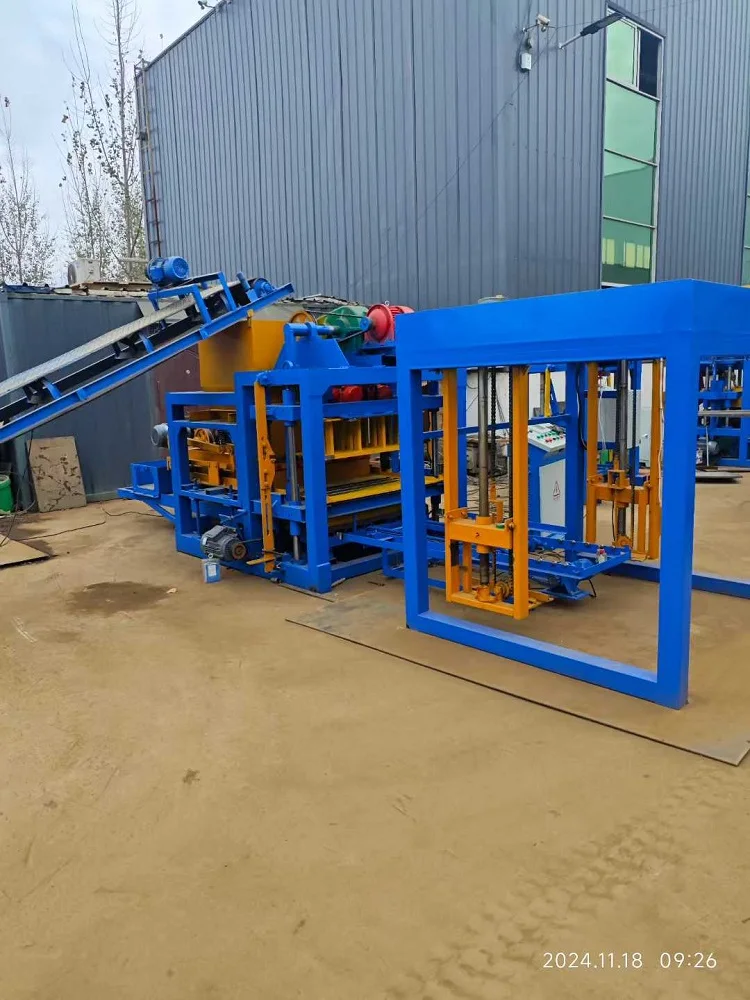
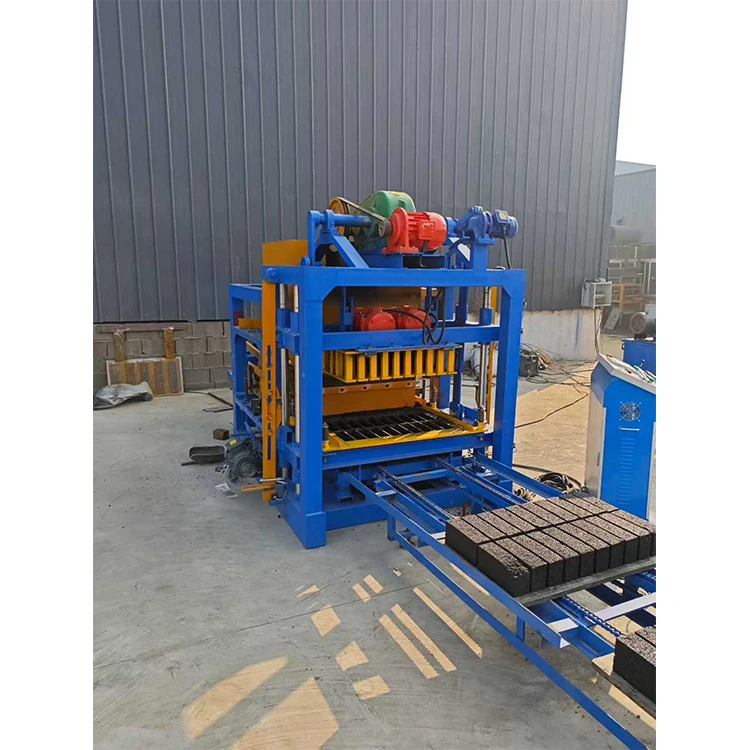
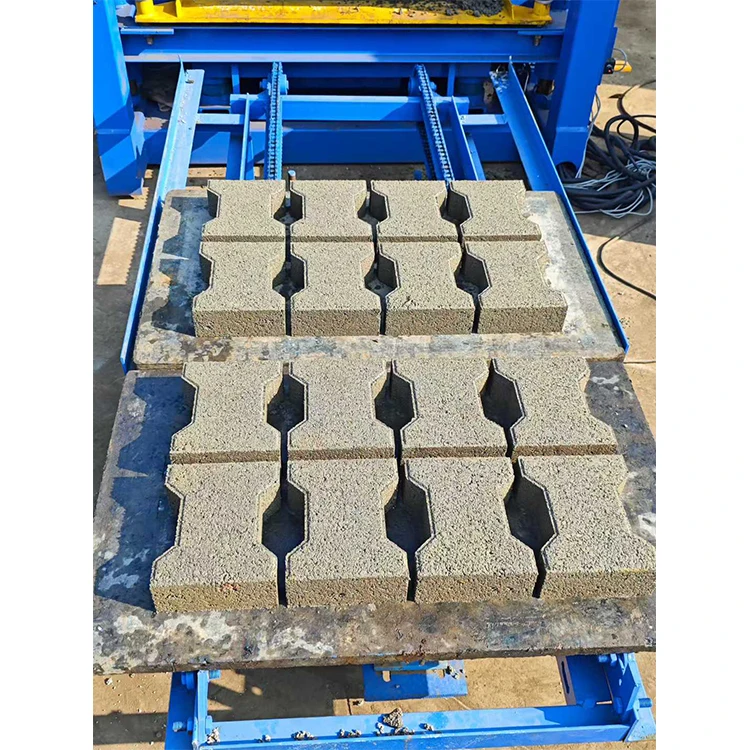
Description
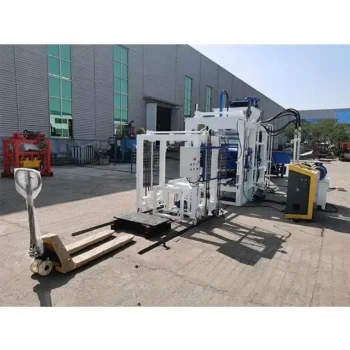
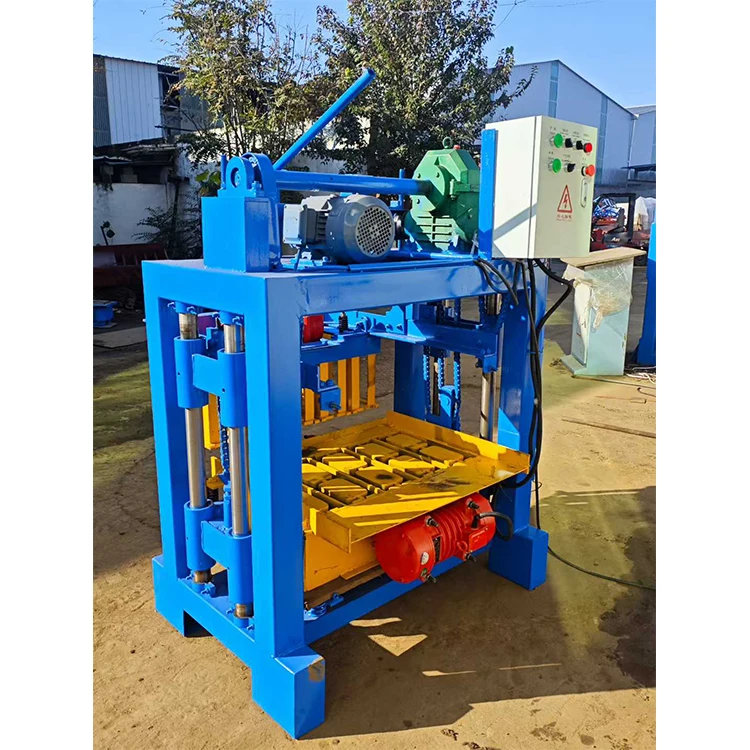
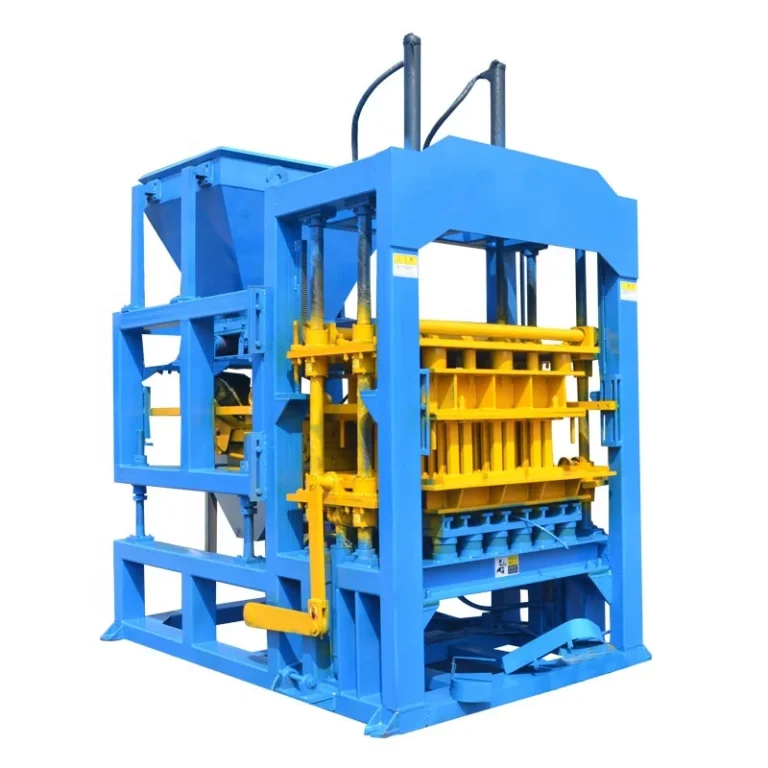
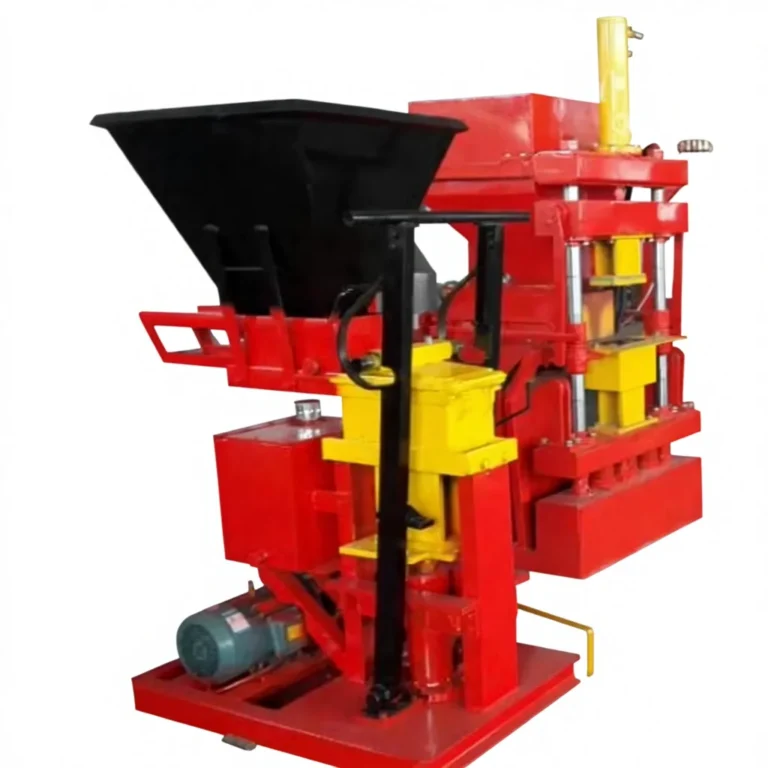
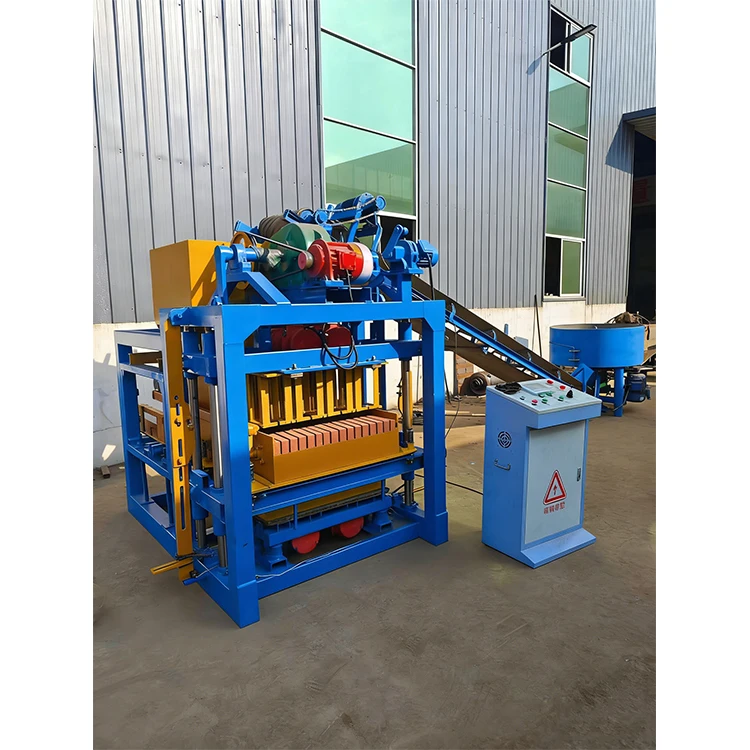
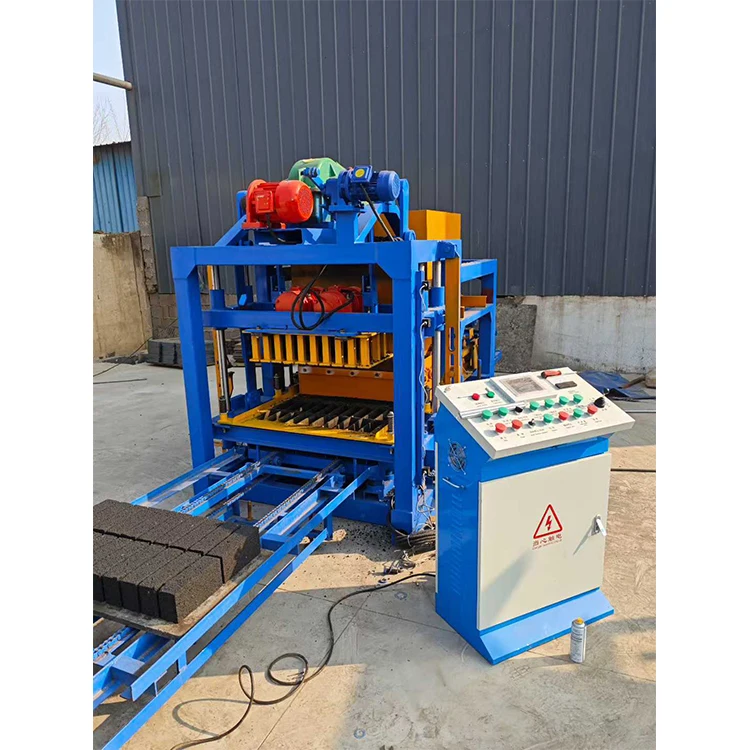
Stocked for Dispatch — The QTJ4-25 automatic block machine is held in factory inventory with defined lead times, shipped with PLC control and automatic stacking configured before container loading.
Technical Specifications
| Parameter | Value |
|---|---|
| Model | QTJ4-25 |
| Product Type | Automatic Concrete Block Making Machine |
| Rated Power | 16.58 kW |
| Control System | PLC controlled, fully automatic |
| Overall Dimensions | 6400 × 1500 × 2700 mm |
| Net Weight | 5000 kg |
| Molding Cycle | 25 seconds |
| Pallet Size | 850 × 480 mm |
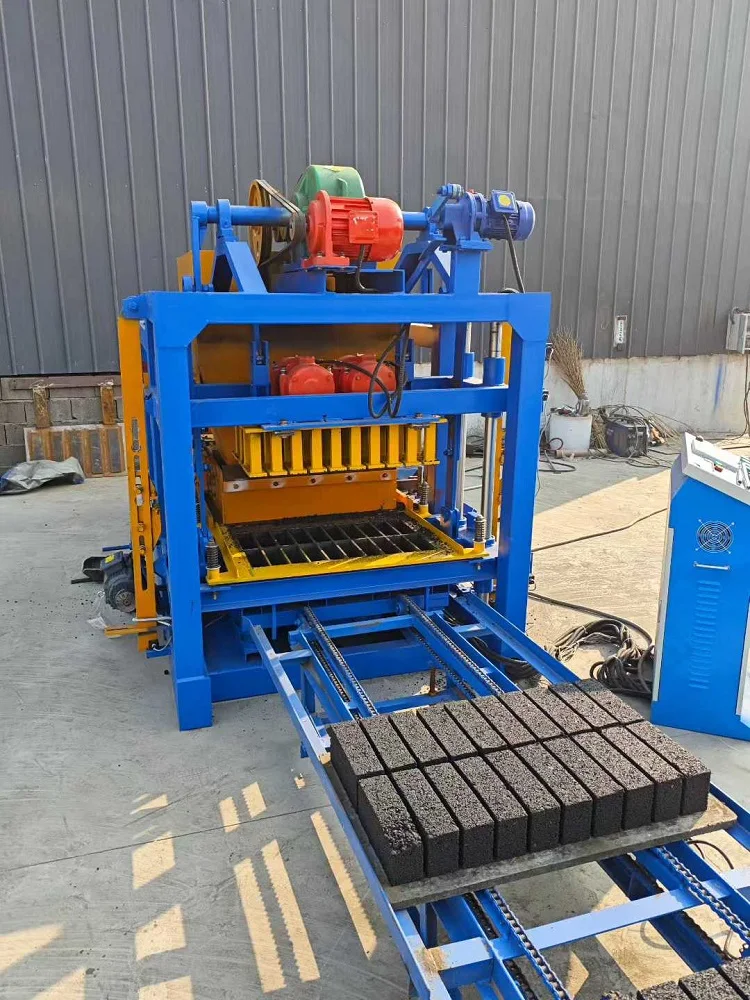
| Automation Level | Fully automatic with pallet feeding, material feeding, scraping, and block stacking |
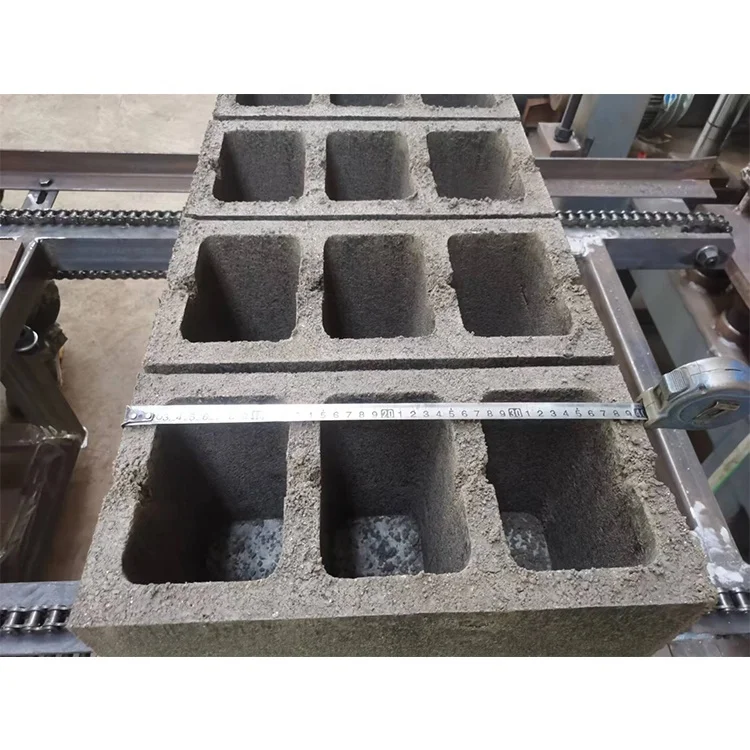
| Mould Format Compatibility | Hollow blocks, solid blocks, paver stone bricks |
| Motor Specification | Siemens |
| Raw Materials | Concrete, sand, cement, fly ash, crushed stone, lime, water |
| Voltage & Frequency | Configurable to local supply standards |
| Certification | CE declaration |
Application Suitability
| Application | Material or Output |
|---|---|
| Medium-scale block factory production | Hollow blocks from crushed stone, sand, and cement |
| On-site contractor block making | Solid bricks for housing and development projects |
| Paving stone manufacturing | Paver bricks from concrete and aggregate mixes |
| Building material distributor inventory | Standard format blocks for regional resale |
| Fly ash block production | Fly ash, lime, and cement blends |
Why Cycle Time Alone Does Not Tell You When the Machine Arrives
A quoted molding cycle means nothing if the machine is still in production when your project deadline passes.
I once worked with a buyer who received a cycle time figure for a block machine without anyone asking which block format that number applied to. The QTJ4-25 automatic block machine in stock is listed at a 25-second molding cycle, but that figure depends on the specific block format, mix consistency, and pallet condition during testing [NEED_CITE: block format impact on cycle time claims]. When you are working against a construction handover date, the question is not how fast the press cycles in the showroom — it is when the container clears your port and the machine is running blocks on your slab.
Stock availability changes what you can actually plan around. Machines built to order carry lead times that shift with component supply, while a unit already assembled and tested at the factory gives you a dispatch date you can build a project schedule on.
Dispatch Timing That Matches Your Project Schedule
Buyers working to construction deadlines need more than a catalog number. The QTJ4-25 automatic block machine in stock means the frame, hydraulic assembly, vibration system, and PLC cabinet are assembled, wired, and run through a factory test before you confirm the order. Dispatch lead time is quoted from order confirmation to container loading, not from an undefined production queue.
Container Loading and Arrival Transparency
A 6,400 mm frame does not ship assembled. The machine is dismantled into defined sections — main press, stacking unit, pallet feeder, and control cabinet — each secured for transit inside a standard container. The loading plan is confirmed before sealing so you know which components arrive in which crate and in what order they come off the truck at your site.
Reading the Numbers Behind the Press
The 16.58 kW rated power covers the vibration motors, material feeder, scraper, and automatic stacker running together, which matters when sizing your site transformer and dedicated circuit. The 850 × 480 mm pallet size is chosen to work with standard curing rack spacing and common forklift tine widths — if your existing curing area was laid out for a different pallet, the mismatch surfaces after arrival, not before [NEED_CITE: pallet and curing rack compatibility standards]. The 5,000 kg net weight reflects a heavy-duty steel frame built to absorb sustained vibration loads without fatigue cracking at the weld points over years of continuous operation.
The Cost of Ordering Without a Dispatch Date
Buyers who commit to a machine without confirming stock status or lead time often discover the gap between a quotation and a delivery date only when the project start date arrives. The QTJ4-25 automatic block machine in stock removes that uncertainty, but only if the voltage, frequency, and PLC display language are confirmed for the destination country before the machine leaves the factory [NEED_CITE: voltage and frequency standards by export market]. A machine wired for the wrong supply sits idle while transformers are sourced locally, and a PLC displaying in an unfamiliar language slows operator training to a crawl.
Why Sourcing From This Inventory Matters
Block machinery is the single production focus here, so the QTJ4-25 is not one item in a catalog of unrelated equipment — it is specified alongside its moulds, pallets, and handling components as a matched system. Configuration is set against your actual mix design and local aggregate, not a default setting that assumes materials you cannot source. Mould formats are selected for the blocks your market actually buys, with custom drawings available when standard formats do not match local demand. Voltage and PLC language are confirmed before dispatch so commissioning starts on day one. Factory test records and packing photographs are provided before the container is sealed.
Documentation & Verification
- Line layout showing QTJ4-25 footprint with pallet flow and stacking zone marked
- Machine specification sheet confirming motor, power, and control language match
- Factory test record run on block format matching your order before dispatch
- Mould drawing and format list for every mould included in the shipment
- Packing photographs of each dismantled section before container loading
- Customs documentation support including CE declaration where applicable
Installation, Commissioning & Support
- Foundation pad sized to the 6400 × 1500 mm footprint with anchor bolt template provided
- Dedicated circuit sized for the 16.58 kW rated load at your confirmed local voltage
- Machine reassembled from dismantled sections with vibration motor alignment checked on site
- PLC parameters set to your confirmed block format, mix ratio, and cycle timing
- Operator training covering mould change, pallet loading, and automatic stacker operation
- Wear parts and mould replacement list supplied with the shipment
What We Need to Confirm Your Dispatch Date
To lock in availability and a container loading date for the QTJ4-25 automatic block machine in stock, share the block formats you need to produce, your target daily output, and the raw materials available locally. Include your site voltage, frequency, and preferred PLC display language so the machine leaves the factory configured for your electrical supply and operator team. If you have existing curing racks or forklifts, provide the pallet dimensions they accommodate so the 850 × 480 mm pallet size is verified against your setup before shipment.
Frequently Asked Questions
Q: Which QTJ4-25 configurations and mould formats are currently in stock?
A: Standard QTJ4-25 units with PLC control, automatic pallet feeding, and block stacking are held in factory inventory. Stocked mould formats include hollow blocks, solid bricks, and paver stones. Custom mould designs or non-standard pallet sizes are made to order and carry separate lead times. Confirm current stock availability at inquiry for the most accurate dispatch window.
Q: What is the dispatch lead time from order confirmation to container loading?
A: Lead time depends on whether your required voltage, frequency, and PLC language configuration matches a stocked unit or requires rewiring and reprogramming. Stocked machines with confirmed specifications can be prepared for container loading within a defined window after order confirmation. Exact timing is quoted at inquiry based on current inventory and your destination requirements.
Q: How is the QTJ4-25 dismantled and packed for container shipment?
A: The machine is broken down into the main press frame, vibration assembly, automatic stacker, pallet feeder, and PLC control cabinet. Each section is secured with bracing and blocking inside the container to prevent transit damage. A loading plan is shared before sealing so you know the unloading sequence and can plan crane or forklift availability at your site.
Q: What voltage, frequency, and PLC language options are confirmed before shipping?
A: Voltage and frequency are configured to match your local electrical supply standards before the machine leaves the factory. PLC display language is set to your operator team’s preference. These details must be confirmed at order stage to avoid delays in commissioning after arrival.
Q: What customs documentation and certification support comes with the shipment?
A: Each shipment includes a CE declaration where applicable, a commercial invoice, packing list, and certificate of origin as required by the destination country. Factory test records and machine specification sheets are also provided. Additional documentation requests should be communicated at order confirmation so they are prepared before dispatch.