
Description
Dispatch Certainty — we confirm container loading plan and arrival estimate in writing before you commit, so your site handover date stays intact.
Technical Specifications
| Parameter | Value |
|---|---|
| Model | QT4-15 |
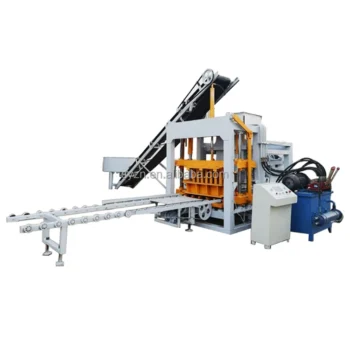
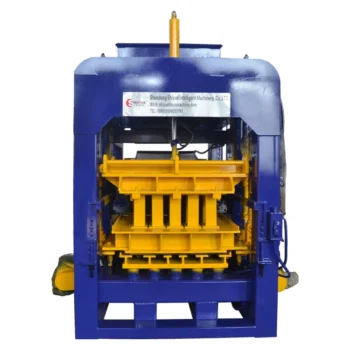
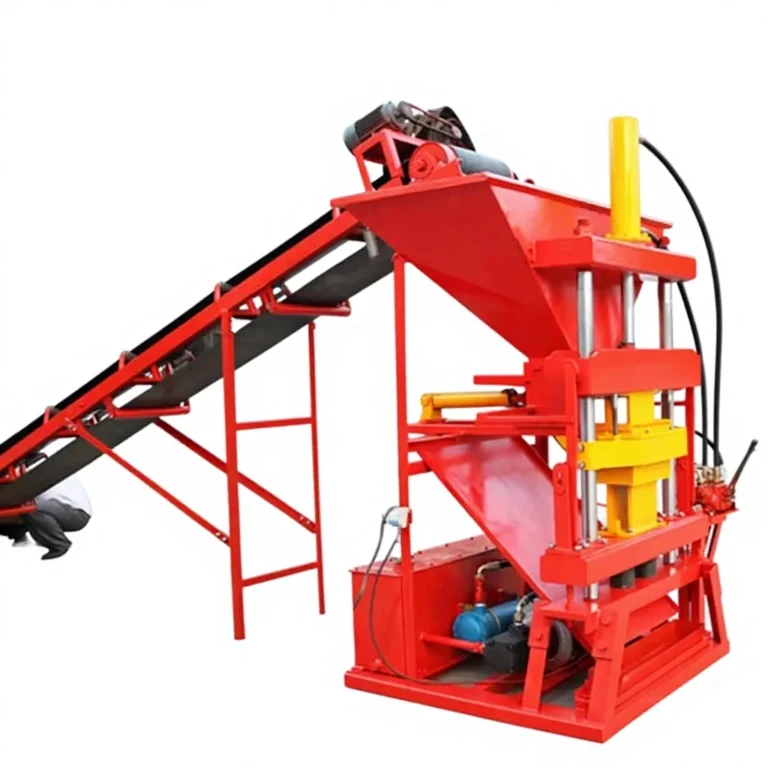
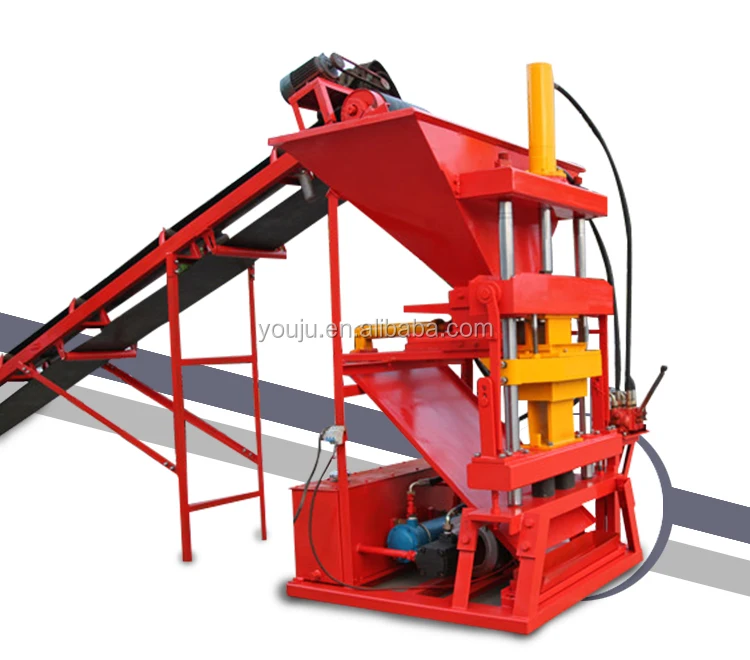
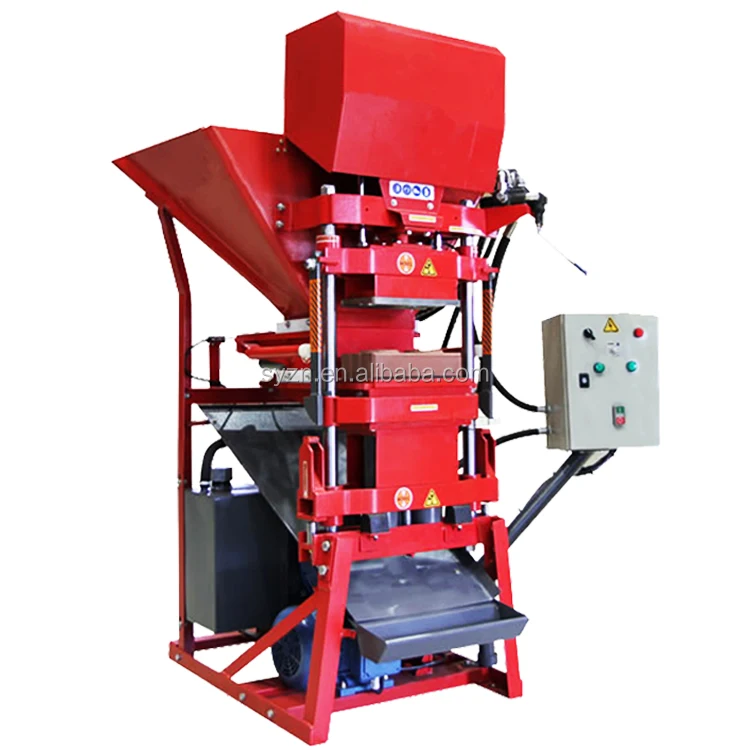
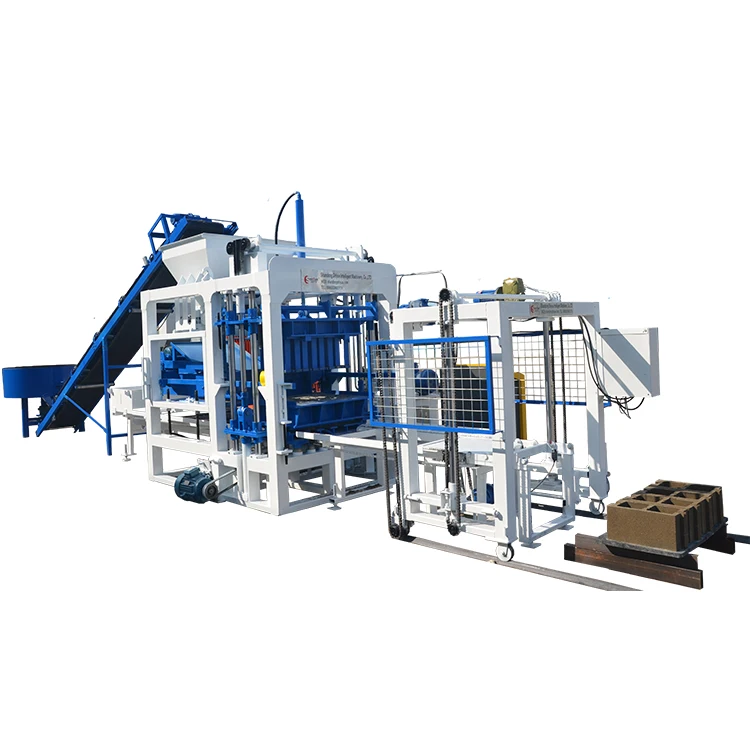
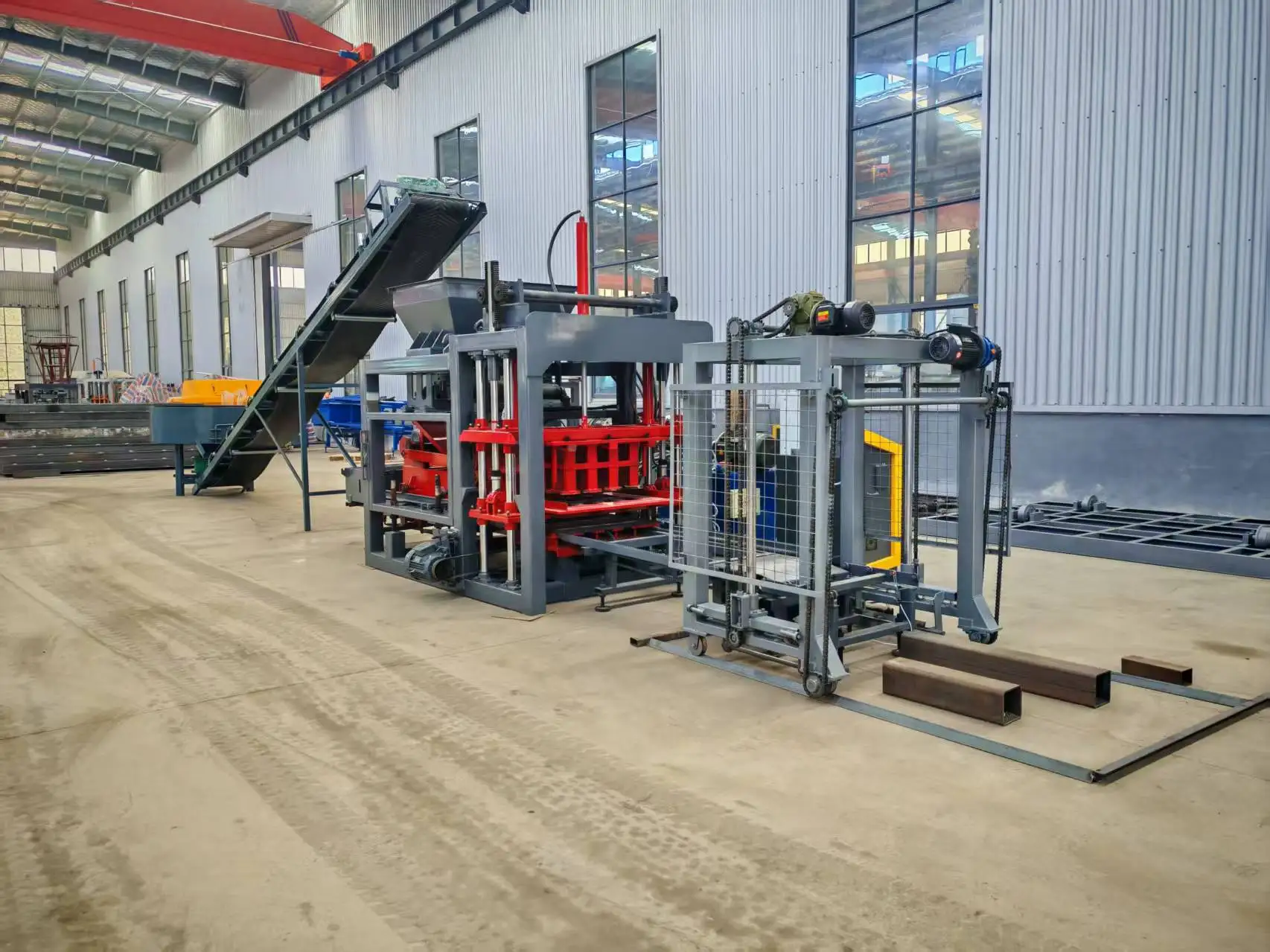
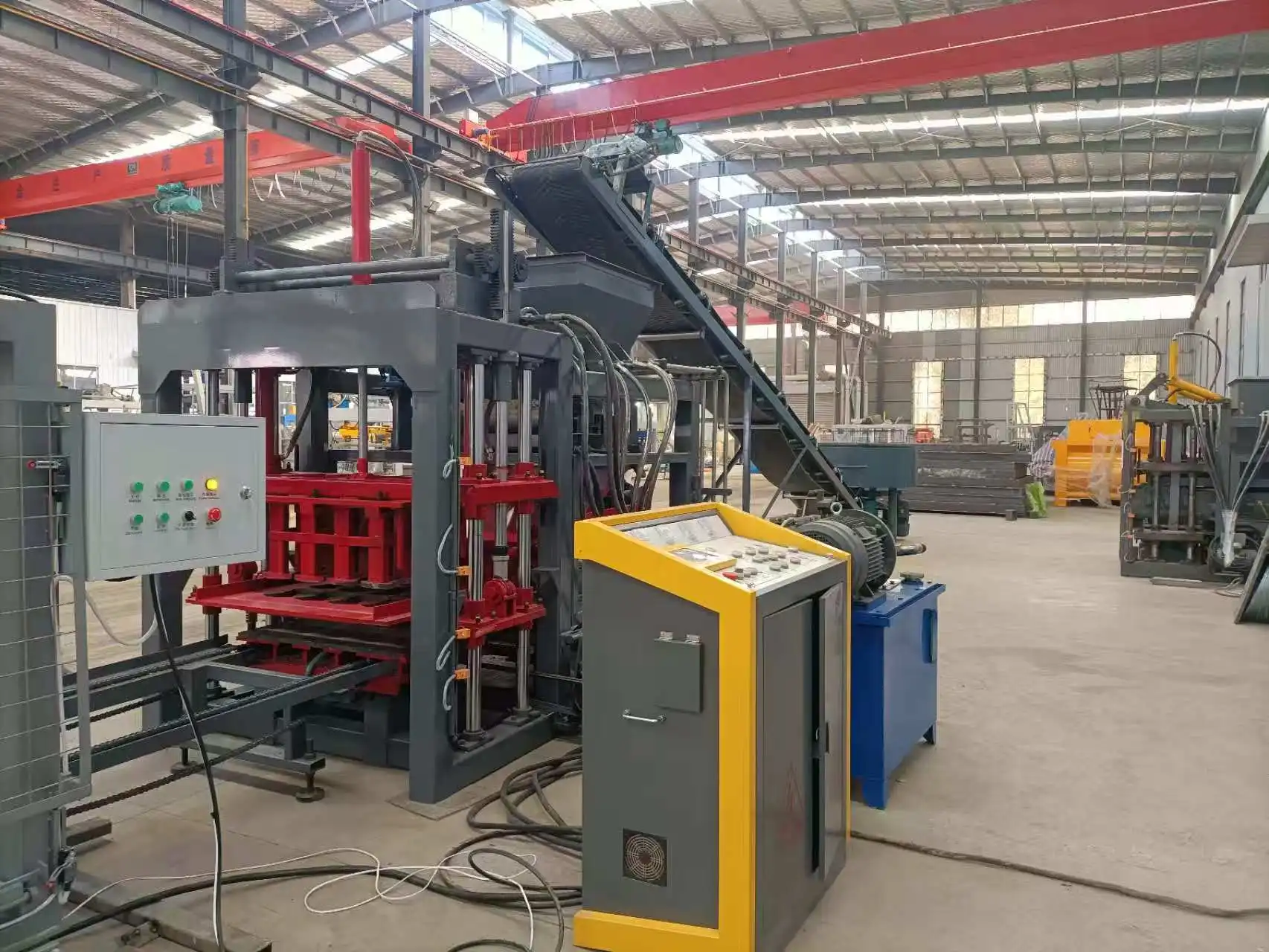
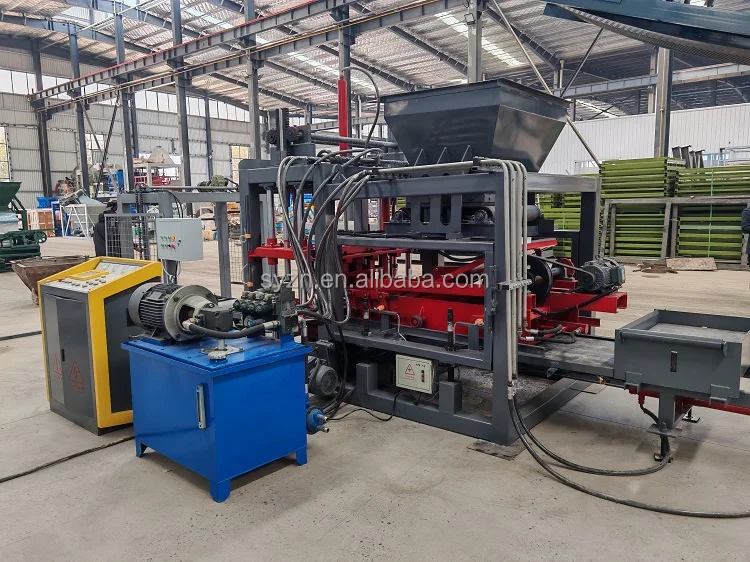
| Product Type | Fully Automatic Concrete Block Making Machine |
| Overall Dimensions (L×W×H) | 4100×1600×2600 mm |
| Rated Pressure | 16–21 MPa |
| Main Vibration Form | Platform Vibration |
| Vibration Frequency | 4200 r/min |
| Vibration Force | 55 kN |
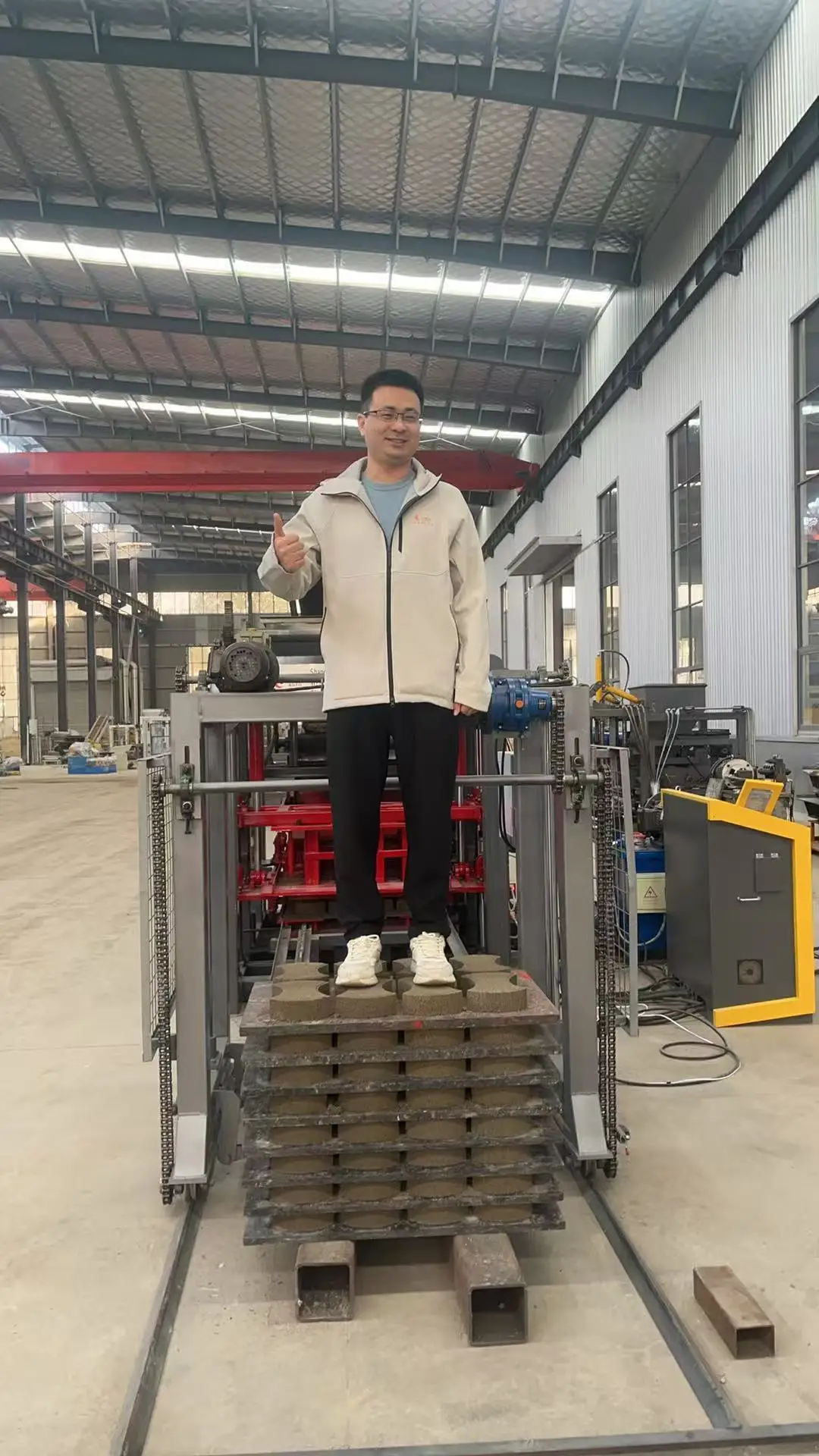
| Pallet Size | 880×550 mm |
| Molding Cycle | 25–30 s (basis not stated in source — confirm block format and material) |
| Overall Power | 18.45 kW |
| Total Mass | 4 T |
| Demolding Method | Hydraulic |
| Factory Area Required | 300 m² |
| Control System | PLC |
| Automation Level | Fully automatic |
| Loading | 1×40HQ container (basic equipment) |
| Warranty | 1 year (whole machine, excluding spare parts) |
Application Suitability
| Application | Material or Output |
|---|---|
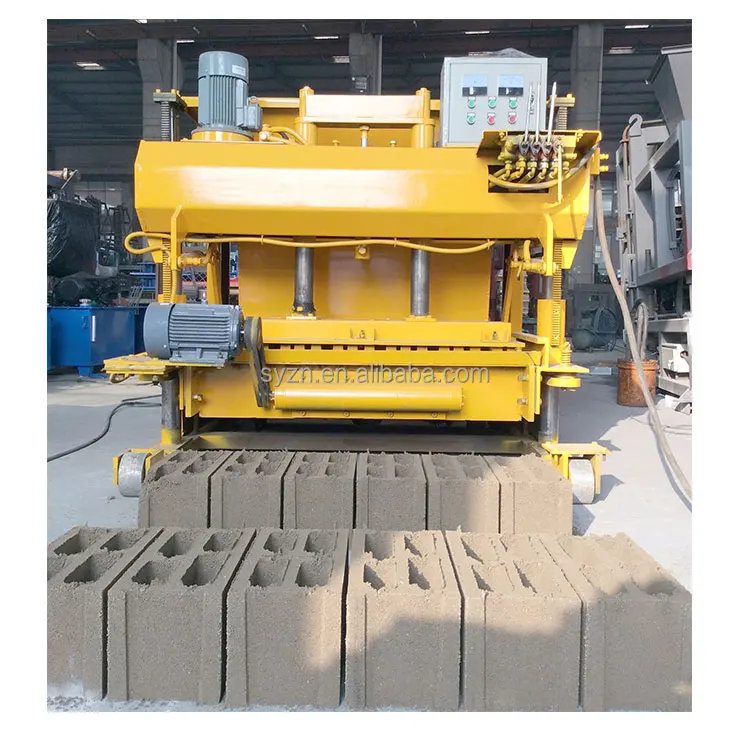
| Hollow and solid block production | Crushed stone, sand, cement, fly ash, gravel |
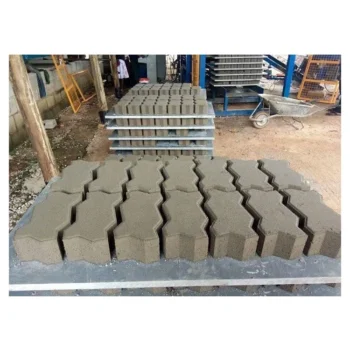
| Paver and interlocking brick runs | Cement, dust, colored aggregates |
| Kerbstone and curb units | Slag, gravel, cement blends |
| On-site contractor production | Locally sourced aggregate with cement binder |
| First block plant startups | Standard concrete mix from regional suppliers |
Why Dispatch Dates Slip — and How a QT4-15 Block Machine in Stock Changes That
A firm dispatch date comes from confirmed stock status and a written loading plan, not from a catalog promise.
Every buyer I work with has a site deadline. The block foundation is poured, the curing area is fenced, and the crew is hired. Then the machine they ordered six weeks ago is still "in production." A QT4-15 block machine in stock or on a rapid build schedule means we can give you a container loading date before you send the deposit. That is the difference between a line running on your handover date and a line sitting in a port clearing customs while your contractor charges idle time [NEED_CITE: typical construction delay penalties for equipment not on site].
What "Available Now" Actually Means for Your Timeline
Stocked units ship on a timeline measured in days to container sealing, not weeks to production start. When you inquire about a QT4-15 block machine in stock, we confirm the exact unit serial, its factory test status, and the earliest container slot. For new production builds, we quote a lead time that accounts for component procurement, assembly, and the mandatory factory run-off — so the date you receive is a date we can hold.
How We Plan the Container Before You Pay
A 40HQ container holds the basic QT4-15 equipment, but loading order matters. The press frame goes in first, bolted to the container floor. The hydraulic station, pallets, and mould crates follow in sequence so your team unloads in reverse order — the last item in is the first item needed on the ground. We photograph every stage of dismantling and loading, and those photographs ship with your customs documentation. No guessing what arrived and what is still on the dock [NEED_CITE: container loading best practices for heavy industrial machinery].
Reading the Numbers That Matter on Site
The QT4-15 runs platform vibration at 4200 r/min with 55 kN vibration force. That combination, paired with 16–21 MPa hydraulic pressure, determines how densely the concrete compacts inside the mould cavity. Higher density means blocks hold their shape when demoulded and cure to consistent compressive strength. The 880×550 mm pallet size dictates your curing rack spacing and the forklift tine width you need — confirm both before the machine leaves our floor. Overall power draw sits at 18.45 kW, which tells your electrician the dedicated circuit rating and cable size required before the main panel is energized. The 4-tonne machine mass on a 300 m² factory footprint defines your slab thickness requirement; a thin residential pad will crack under repeated vibration cycles within months.
When the Wrong Configuration Arrives at Your Gate
A buyer once specified a pallet size that did not match his existing curing racks. The blocks were fine, but every pallet had to be hand-lifted onto racks designed for a different dimension, adding two workers per shift just for handling. Another ordered a machine with a PLC display in a language his operators could not read, so the first week was spent on phone calls instead of production [NEED_CITE: PLC language configuration requirements for export machinery]. These are not machine failures. They are specification failures, and they happen when voltage, frequency, pallet size, and control language are not confirmed in writing before the build starts.
What Sets This Supply Chain Apart
Block machinery is our single focus, so the press, moulds, pallets, and handling equipment are specified as one matched system rather than sourced from separate vendors. We configure the QT4-15 against your actual mix design and local aggregate, not a default catalog setting. Moulds are available for the formats your market actually sells, including custom drawings when standard formats do not fit. Automation level is selectable — start semi-automatic and add stacking later when volume justifies it. We quote dispatch lead time in writing after order confirmation, and we provide packing photographs and customs documentation support so the machine clears your port without a paperwork hold.
Documentation & Verification
- Factory test record showing cycle performance on your specified block format before dispatch
- Voltage, frequency, and PLC display language confirmation signed before production begins
- Hydraulic and electrical schematic matching the exact unit serial shipped
- Container loading photographs taken at each stage of dismantling and sealing
- Mould drawing and format list for every mould included in your order
Installation, Commissioning & Support
- 300 m² factory area with reinforced slab to handle 4-tonne machine mass and vibration loads
- Dedicated circuit rated for 18.45 kW overall power draw with correct voltage and frequency
- Machine arrives dismantled for 40HQ loading; reassembly supervised on site
- PLC language and control parameters set to your operator requirements during commissioning
- Hydraulic pressure calibrated to 16–21 MPa range matched to your block density target
- 880×550 mm pallet inventory and mould wear parts list provided for reorder planning
What to Send With Your Inquiry
Tell us the block format your market sells — hollow, solid, paver, interlocking — and the daily volume you need to hit. Share your local aggregate type and cement source so we can match vibration force and hydraulic pressure to your actual mix. Confirm your site voltage, frequency, and the language your operators read on a screen. If you have existing curing racks or forklifts, send the dimensions so we verify pallet compatibility before quoting.
Frequently Asked Questions
Q: What is the dispatch lead time for a stocked QT4-15 versus a new production unit?
A: Stocked units can move to container loading within days of order confirmation and deposit receipt. New production units follow a quoted lead time that covers component procurement, assembly, and a full factory test run. We confirm the dispatch date in writing before you commit, and we hold that date barring customs or shipping line disruptions outside our control.
Q: How is the machine dismantled and loaded into a 40HQ container?
A: The press frame, hydraulic station, moulds, and pallets are dismantled into container-sized assemblies. Loading follows a sequence so your team unloads in reverse order — first needed on site comes out first. We photograph every stage of dismantling and loading, and those photographs are included in your shipping documentation package for verification at arrival.
Q: What arrival estimate can I expect at my destination port?
A: Transit time depends on the shipping lane from our port to yours. We quote an arrival estimate based on confirmed vessel schedules at the time of booking, not a generic range. Once the container is sealed and on the vessel, you receive the booking confirmation with the estimated arrival date so your site team can plan commissioning.
Q: Can I change voltage, frequency, or control language after placing the order?
A: Changes are possible only if caught before the electrical panel is wired and the PLC is programmed. We confirm voltage, frequency, and display language in writing before production begins specifically to avoid late-change delays. If your site requirements shift, tell us immediately so we can adjust before those components are locked in.
Q: What is included in the basic equipment loading, and what ships separately?
A: The basic 40HQ load includes the press, hydraulic station, one set of moulds, pallets for one cycle buffer, and the PLC control panel. Raw material feeding, mixing, automatic stacking, and curing rack handling are line extensions that ship as additional containers or partial loads depending on your automation level selection.