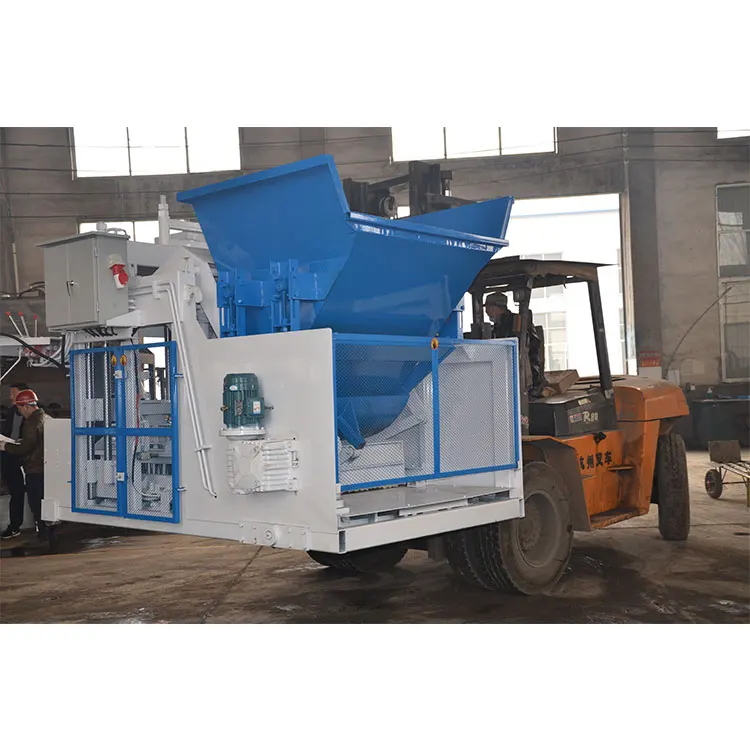
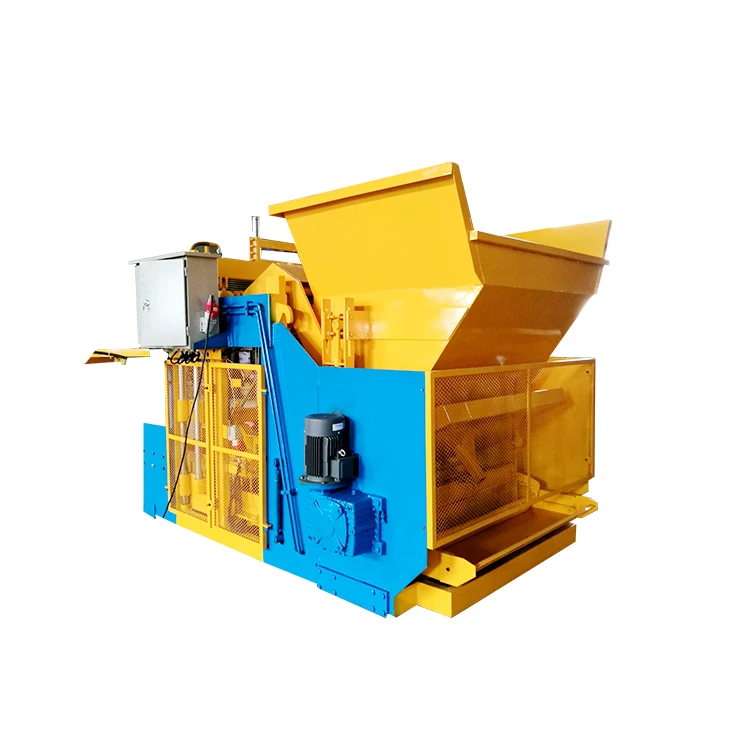
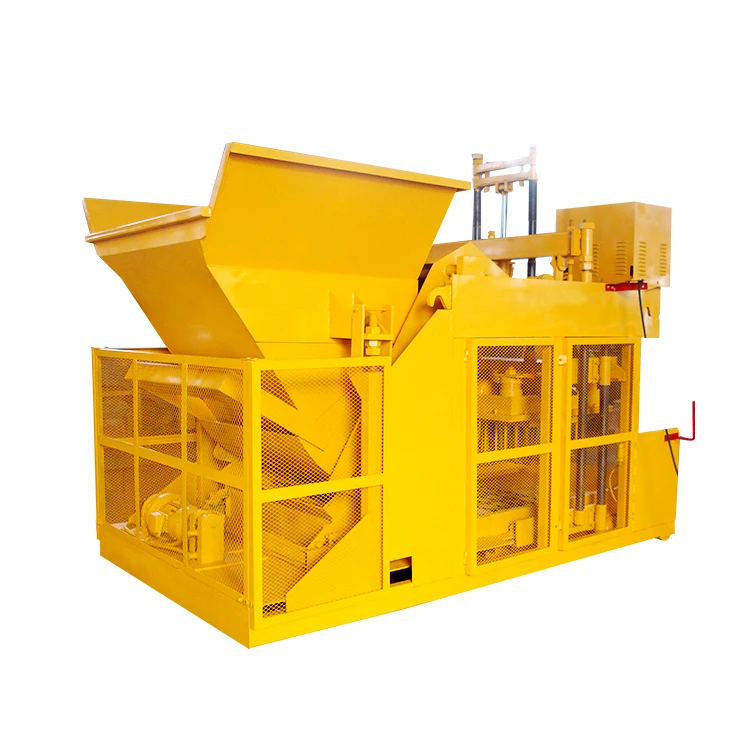
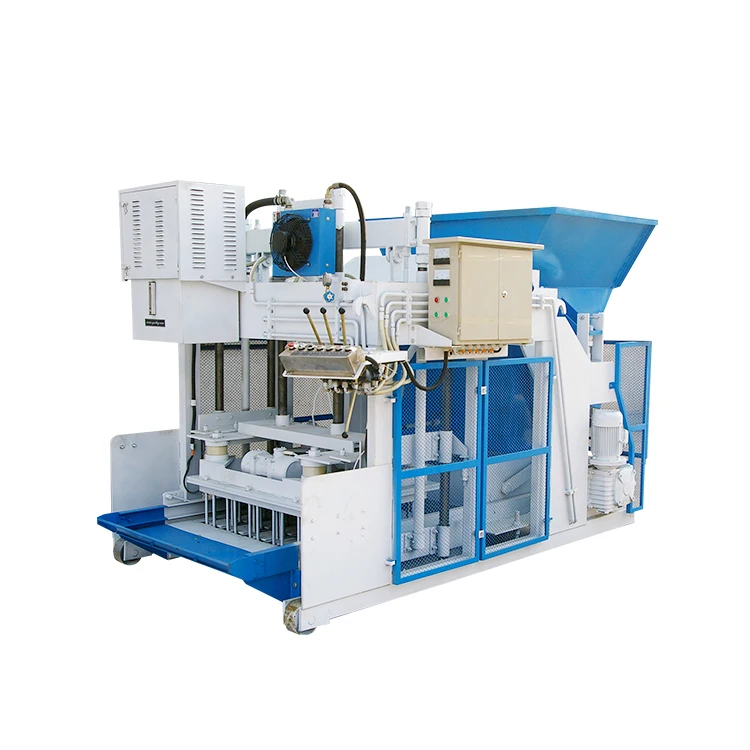
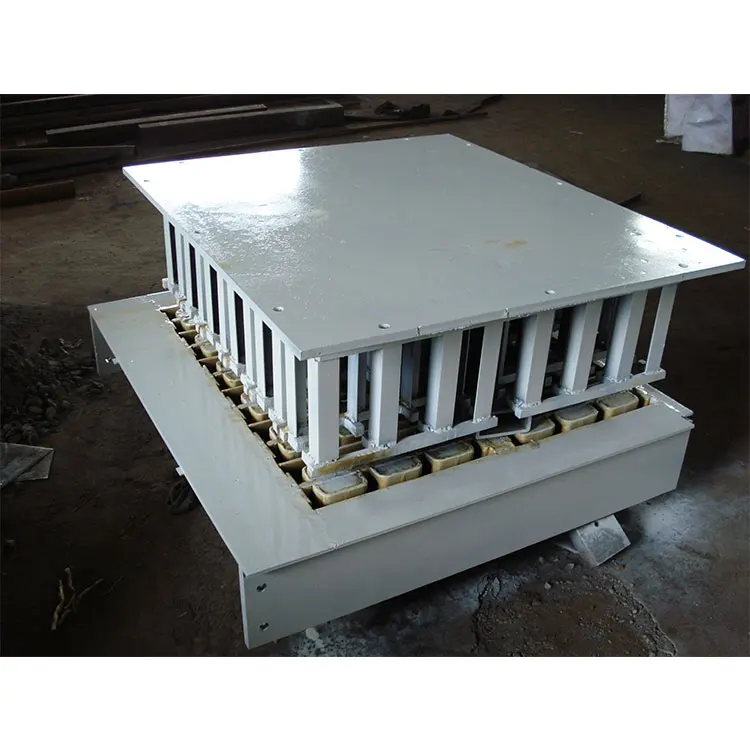
Description
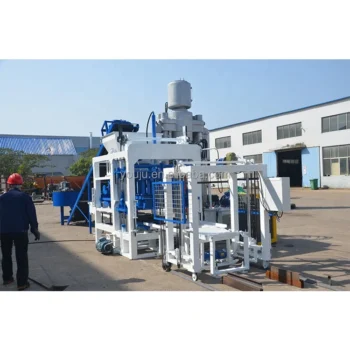
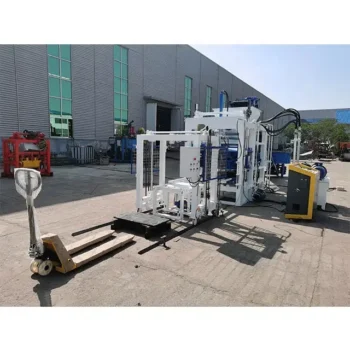
Fast dispatch from stock — QMY12-15 mobile block machines are configured, factory-tested, and container-loaded with voltage and control settings locked before shipment, eliminating the on-site delays that cost contractors real money on tight schedules.
Technical Specifications
| Parameter | Value |
|---|---|
| Model | QMY12-15 |
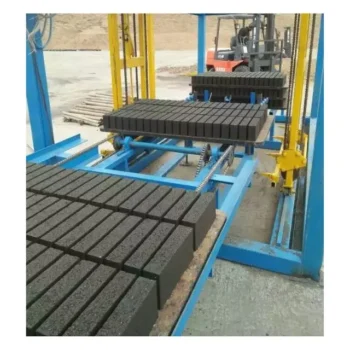
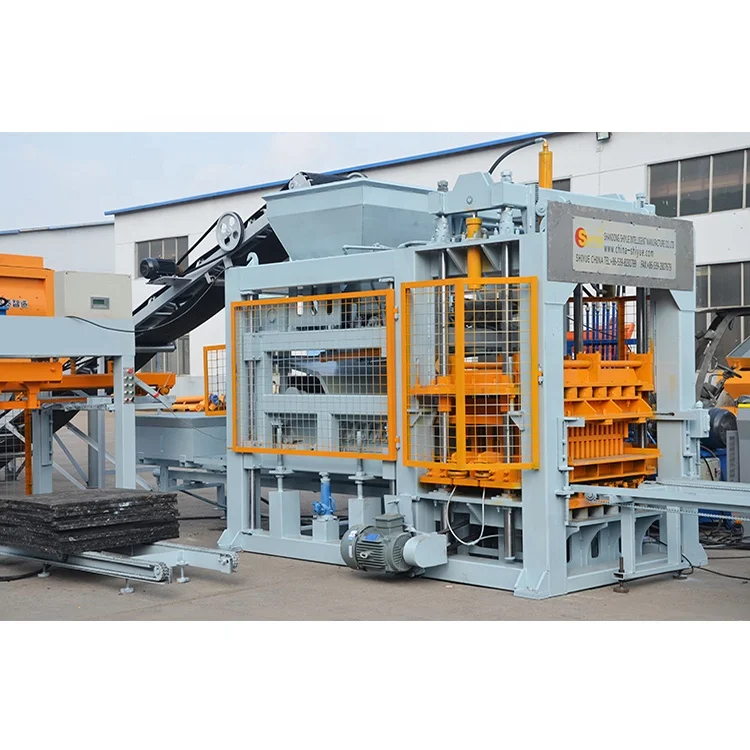
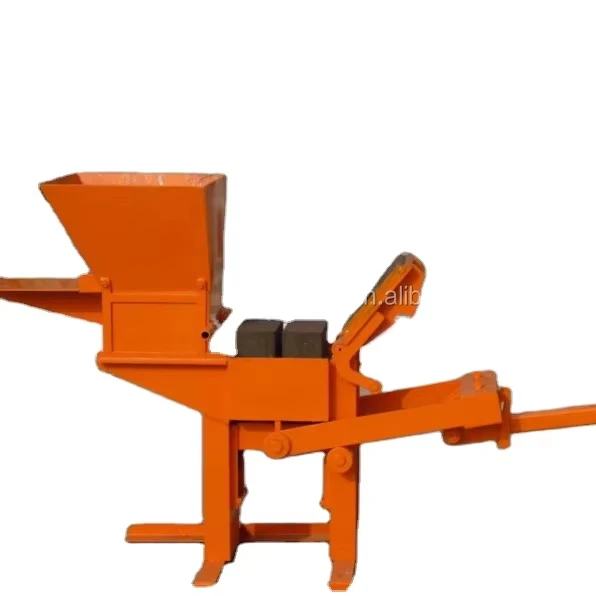
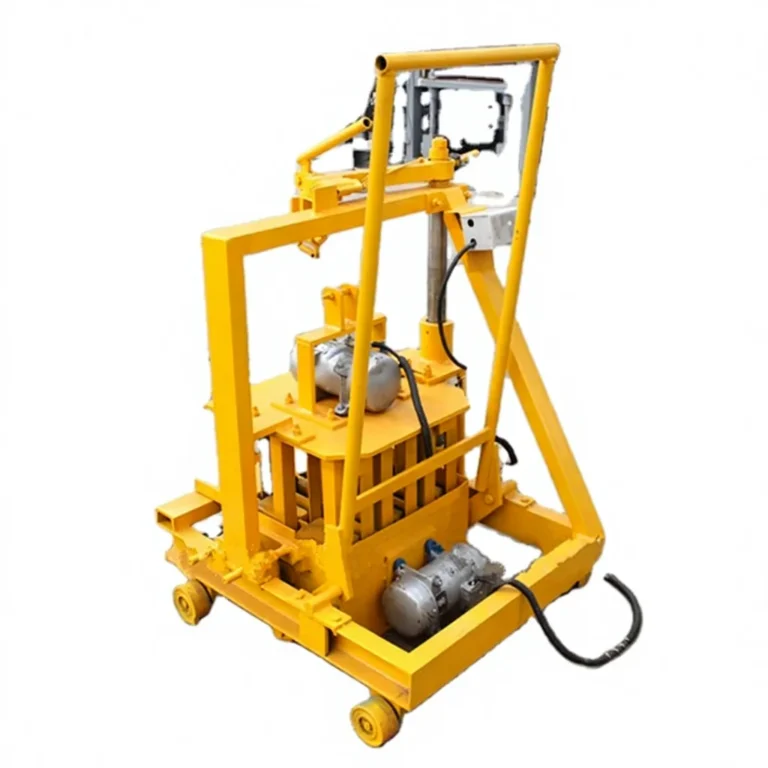
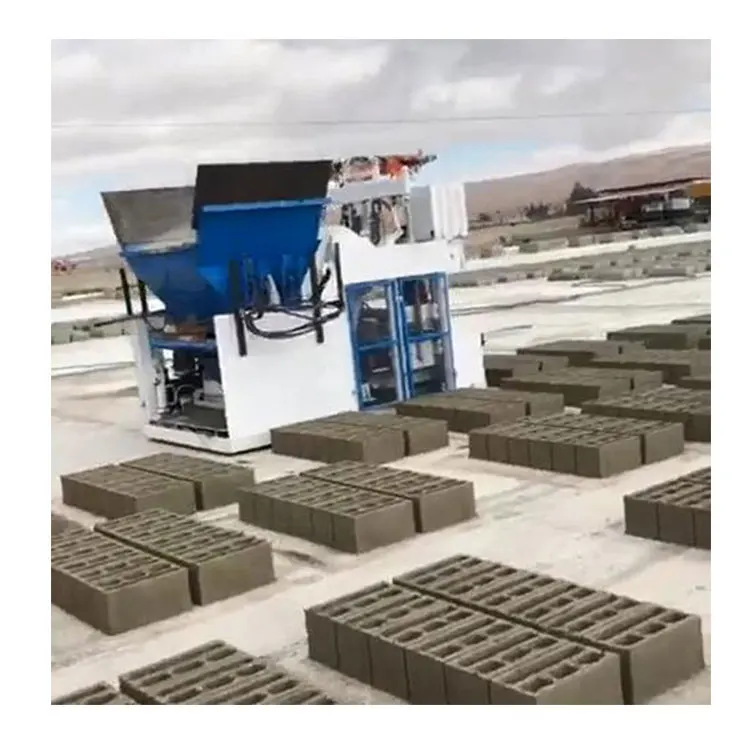
| Product Type | Mobile Hollow Block Making Machine |
| Molding Capacity | 12 pcs/mold |
| Molding Cycle | 10s–15s |
| Total Power | 16 kW |
| Output Capacity | 13,000 pcs/day (basis not stated in source — confirm block format / material / thickness) |
| Vibration System | Dual vibration motors |
| Hydraulic System | Controls upper press and demoulding |
| Heat Dissipation | Hydraulic oil heat dissipator equipped |
| Mobility | Electric motor for forward/backward movement; hydraulic turning |
| Basic Equipment Included | QMY12-15 Host Machine, JS7500 Concrete Mixer, Dump Truck |
| Optional Equipment | PL1200 Batching Machine, Cement Silo, Screw Conveyor, Loader |
| Voltage & Frequency | Configurable to destination market (must be confirmed before dispatch) |
| Control System | Configuration to be confirmed per order |
| Automation Level | Mobile / egg-laying type, no fixed plant required |
| Certification | CE (verify per unit) |
Application Suitability
| Application | Material or Output |
|---|---|
| On-site hollow block production | Crushed stone, cement, sand aggregate |
| Solid block manufacturing at project sites | Cement, gravel, quarry dust |
| Paving and interlocking block runs | Cement, fine sand, stone dust |
| Curbstone and kerb production | Dense aggregate concrete mixes |
| Remote housing project block supply | Locally sourced aggregate with cement binder |
Why Voltage Confirmation Must Come Before Dispatch Lead Time
A stocked Mobile Block Making Machine in stock for fast delivery means nothing if the voltage does not match the project site.
I once watched a fully tested QMY12-15 arrive at a buyer’s site only for the local electrician to discover the 380V/60Hz configuration did not match the 440V/50Hz grid. The contractor waited three weeks for a step-down transformer while the project owner deducted penalties by the day. The machine was ready. The paperwork was not. That gap between "shipped" and "producing" is where fast-delivery promises fall apart, and it is the reason we lock voltage, frequency, and PLC language in writing before a container is booked [NEED_CITE: voltage and frequency standards by export market].
How Stock Availability Changes the Project Timeline
Buyers working to a construction deadline cannot absorb a typical multi-week lead time on top of ocean freight. The QMY12-15 as a Mobile Block Making Machine in stock and ready to ship compresses the gap between order confirmation and first block produced on site. When the machine is already assembled and factory-tested, the dispatch window narrows to container scheduling and documentation clearance rather than a production slot waiting to open.
What "Ready to Ship" Actually Requires Before the Container Doors Close
A machine can be physically built and still not be ready. The hydraulic oil must be circulated and the heat dissipator verified under load. Dual vibration motors must run through a full molding cycle with a test mix. Electrical panels must be opened and the wiring checked against the destination voltage one final time. For the QMY12-15, dismantling for container loading also needs planning — the mobility chassis, hydraulic turning assembly, and host frame each have specific securing points so that nothing shifts during transit [NEED_CITE: container loading standards for heavy industrial equipment].
Matching Vibration and Hydraulic Force to the Mix You Actually Source
The QMY12-15 uses dual vibration motors alongside a hydraulic upper press to consolidate concrete into the mold. Vibration frequency and hydraulic pressure must work together — too much vibration without sufficient press force leaves a block with good surface finish but low internal density, while heavy press force without adequate vibration traps air pockets. The JS7500 concrete mixer included in the basic equipment set feeds a mix that must be designed around your local aggregate. If your quarry dust has higher fines content than the default test mix, the vibration duration and press timing need adjustment, not a material substitution that drives up your cost per block.
The Downtime Cost of Skipping Pre-Shipment Configuration Checks
When a mobile block machine arrives with unconfirmed electrical settings, the delay is never just about the transformer. The crew on site sits idle, the mixer runs dry cycles to stay operational, and the project schedule cascades — foundation crews wait, masonry gangs get redeployed, and penalty clauses activate. Every day of commissioning delay on a construction project carries compounding cost that no amount of fast shipping can recover once the wrong frequency is already wired into the control panel [NEED_CITE: construction project delay penalty structures].
Why Sourcing This Machine Here Makes Sense for Deadline-Driven Buyers
Shiyue keeps the QMY12-15 and standard mold formats in stock so dispatch is measured in days, not production weeks. Container loading plans and machine dismantling methods are provided before the order is finalized, giving buyers an arrival estimate they can plan around. Factory test records with packing photographs are issued before shipment so the condition at the time of loading is documented. Voltage, frequency, and control language are locked during the order stage rather than discovered at the site. And because block machinery is a single focus, the host machine, mixer, and optional batching equipment are specified as one line rather than assembled from unrelated sources.
Documentation & Verification
- Factory test record covering full molding cycle on your specified block format before dispatch
- Voltage, frequency, and control language confirmation sheet signed before container booking
- Container loading plan with dismantling method and securing point diagram
- Packing photographs taken at container doors before seal is applied
- CE declaration documentation verified per unit before export clearance
- Operation and maintenance manual with mold change procedure included
Installation, Commissioning & Support
- Site ground preparation for the QMY12-15 mobility chassis with level concrete surface requirement
- Dedicated power circuit matching confirmed voltage and 16 kW total power draw
- Hydraulic system filled, circulated, and heat dissipator tested on first power-up
- Dual vibration motors calibrated to buyer’s local aggregate mix during commissioning
- Operator training covering hydraulic demoulding, electric travel, and mold change sequence
- Wear parts and mold list provided for first reorder planning before shipment
What We Need to Move Your Order to Dispatch
To get the QMY12-15 from stock to your project site without hold-ups, confirm the block format and daily output you need, your local aggregate type and cement ratio, and the exact voltage and frequency at the destination site. Specify the mold formats required and whether optional equipment like the PL1200 batching machine or cement silo should be included in the same container. Once these are locked, the dispatch timeline is built around container availability, not production waiting lists.
Frequently Asked Questions
Q: What block format does the 13,000 pcs/day capacity assume?
A: The daily output figure must be matched to a specific block size and wall thickness. A 400×200×200mm hollow block yields fewer pieces per mold cycle than a solid paver. Before quoting dispatch timing, we confirm the exact format you intend to produce so the capacity calculation reflects your actual product, not a generic benchmark.
Q: Which QMY12-15 machines and molds are currently stocked for immediate dispatch?
A: Stock levels change as orders are confirmed. Contact our sales desk with your target mold format and destination port so we can check current availability and provide a realistic dispatch date. Standard hollow block molds are typically held in inventory alongside the host machines.
Q: What is the dispatch lead time and estimated arrival for my port?
A: For stocked QMY12-15 units, the dispatch lead time covers final factory testing, container loading documentation, and export clearance. Ocean freight duration depends on destination. We provide an arrival estimate at the quotation stage so you can align it with your project schedule milestones.
Q: What voltage and frequency configurations are available from stock?
A: The QMY12-15 can be configured for various voltage and frequency standards required by different export markets. Because electrical components must match exactly, the destination site’s supply specification must be confirmed in writing before dispatch to prevent on-site commissioning delays.
Q: How is the QMY12-15 dismantled and loaded into a container?
A: The machine is partially dismantled according to a predefined loading plan. The host frame, mobility chassis, and hydraulic turning assembly are secured at specific points inside the container. The dismantling method and loading diagram are shared with the buyer before shipment so site reassembly requirements are clear in advance.