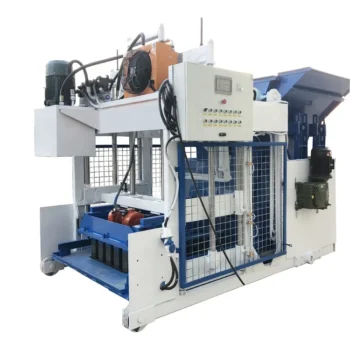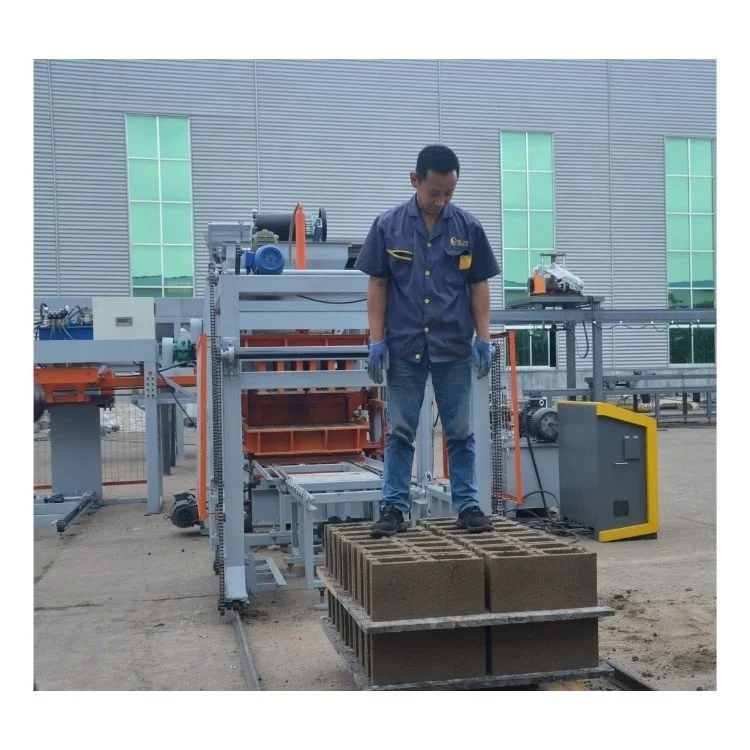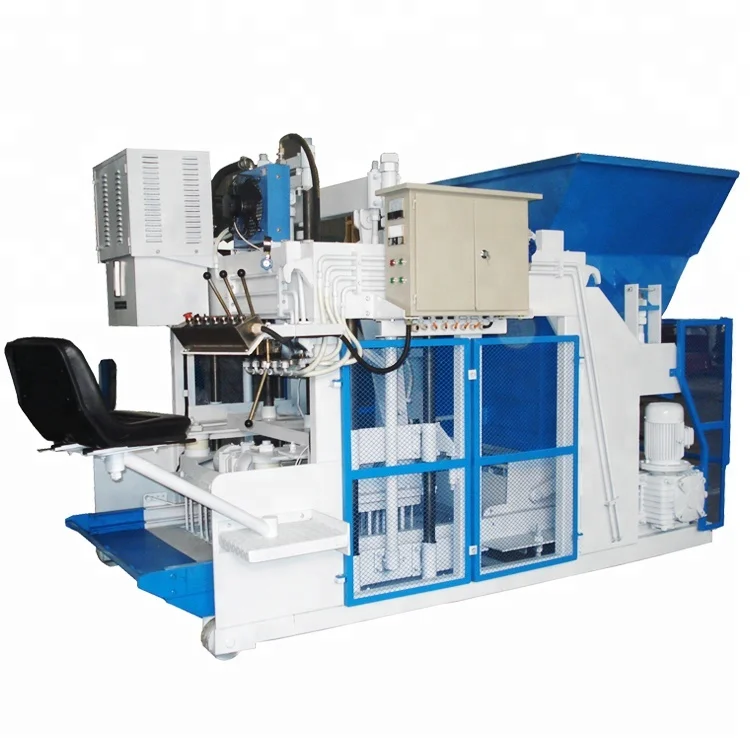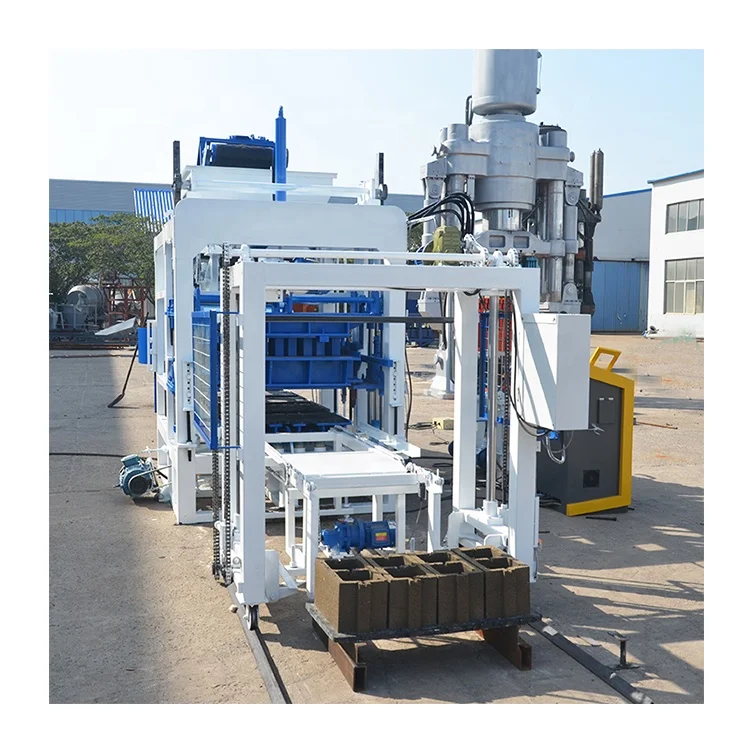
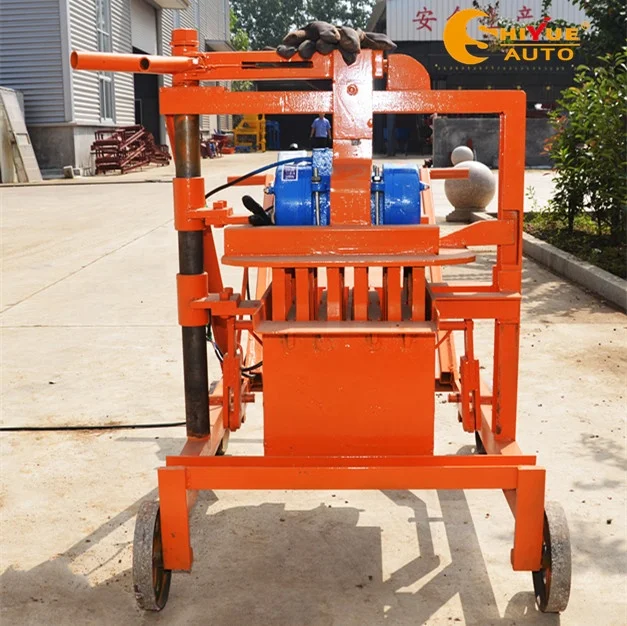
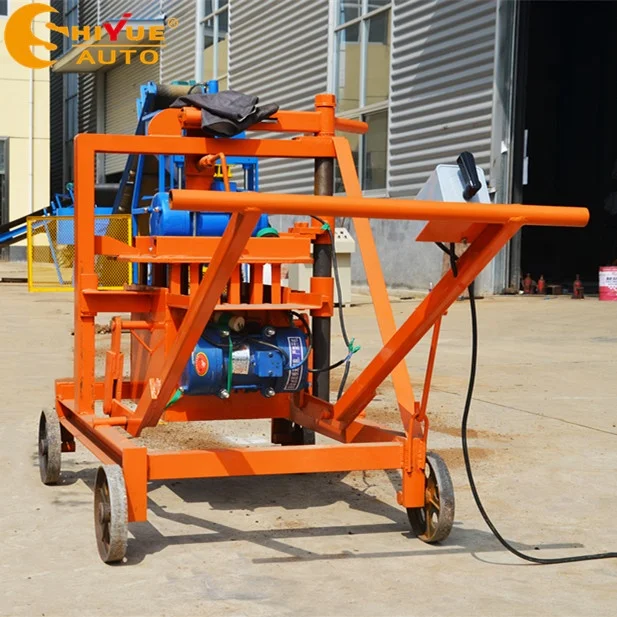
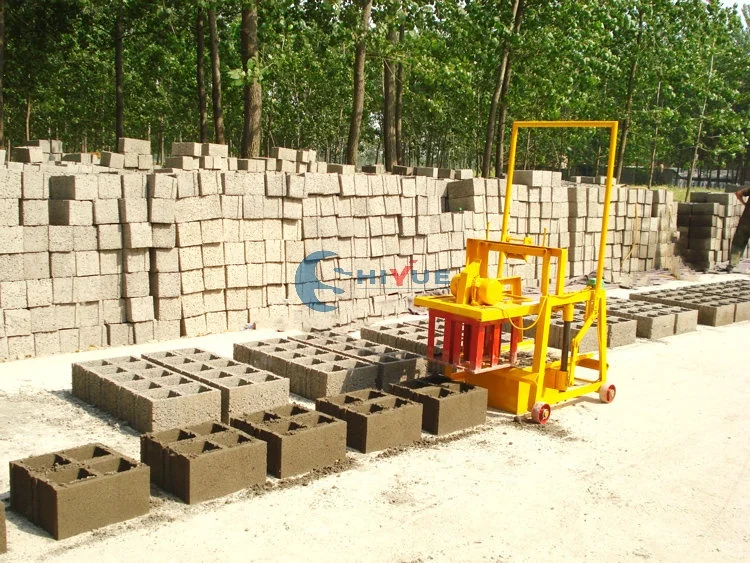
Description
Rapid Stock Deployment — QMJ2-45 mobile bricks making machines are held in stock with dispatch windows quoted against your project timeline, so site mobilization is never waiting on factory lead times.
Technical Specifications
| Parameter | Value |
|---|---|
| Model | QMJ2-45 |
| Product Type | Mobile Bricks Making Machine |
| Rated Power | 1.5 kW |
| Voltage & Frequency | Configured to buyer’s local grid (basis to be confirmed prior to dispatch) |
| Control System | Semi-automatic |
| Overall Dimensions (L×W×H) | 920 × 800 × 1258 mm |
| Net Weight | 150 kg |
| Output Capacity | 160 pcs/hour (based on 300×150×100mm solid block, 2 pcs per mould) |
| Cycle Time | 45 seconds |
| Mould Format | 300 × 150 × 100 mm (other formats to be confirmed) |
| Raw Material | Concrete, sand, cement |
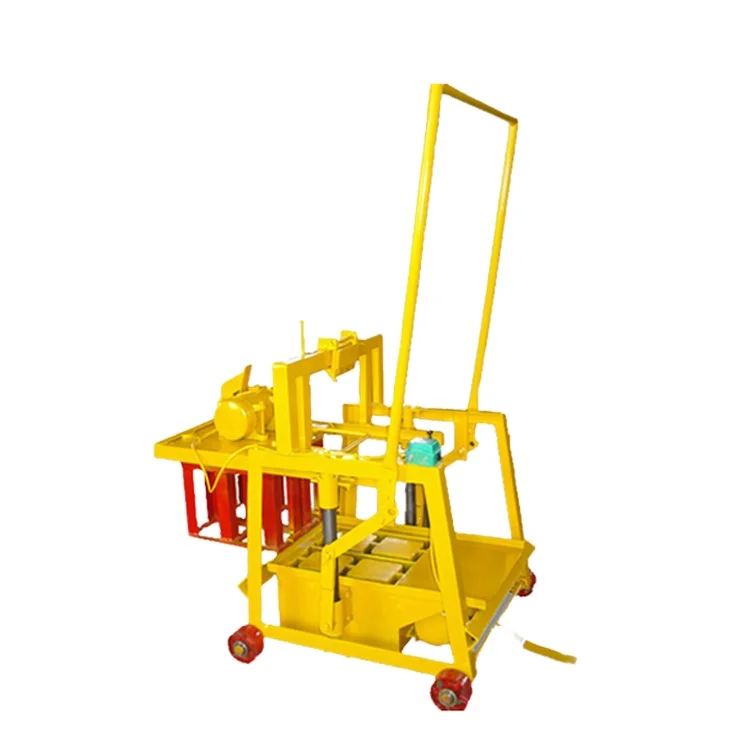
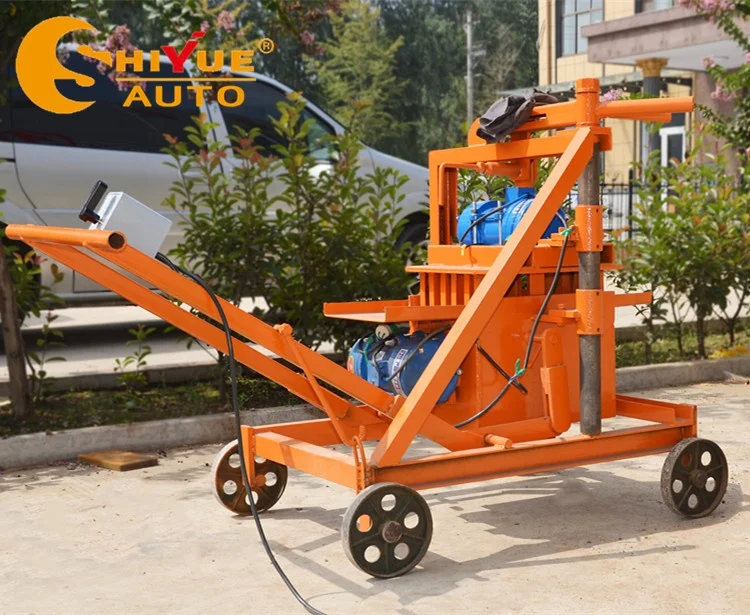
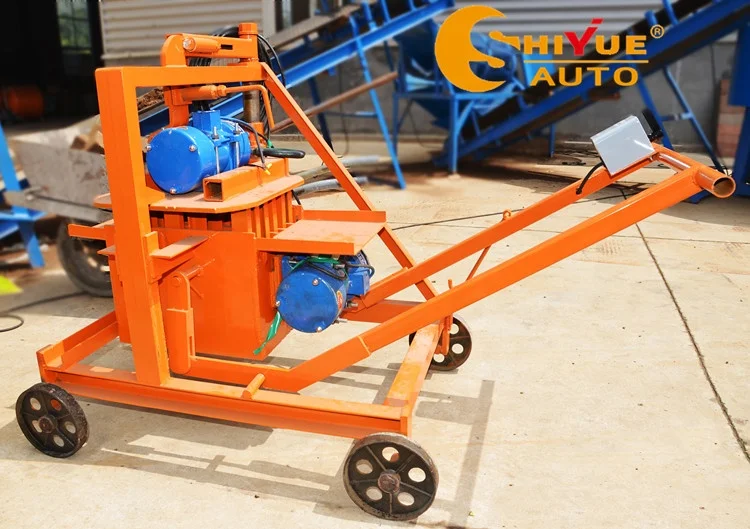
| Assembly State | Mobile (on-site production without fixed plant) |
Application Suitability
| Application | Material or Output |
|---|---|
| On-site block production for construction contractors | Solid concrete blocks from local sand and cement |
| Small-scale block manufacturing workshops | Standard masonry blocks for regional distribution |
| Housing project contractors producing blocks locally | Consistent daily volumes matched to construction pacing |
| Entrepreneurs setting up a first block plant | Low-overhead production without fixed factory infrastructure |
Why Voltage Confirmation Must Happen Before the Container Is Booked
A mobile bricks making machine in stock is only ready to ship once the electrical specification matches the destination grid.
I have watched a fully crated machine sit on a job site for three weeks because the local supply was a voltage the factory panel was never built to handle. The QMJ2-45 is a compact unit at 1.5 kW, but that small motor still demands the correct phase and frequency to start under load. When the mismatch surfaces after arrival, the buyer is paying for idle labor and rented generator time while a replacement panel is sourced locally. [NEED_CITE: voltage and frequency standards by export market]
Stock Availability That Means What It Says
When we list a Mobile Bricks Making Machine in stock, the unit is physically assembled, tested, and sitting on the floor — not in a production queue. The QMJ2-45 weighs 150 kg and measures under a cubic meter, so container loading is straightforward and dispatch can follow confirmation within days rather than weeks. This matters for buyers working against a foundation pour or a contractor mobilization date.
Container Loading and Dispatch Transparency
The machine is shipped upright on its base frame, secured against container walls with timber bracing. We photograph the loading sequence so the buyer can verify positioning and lashing before the doors close. Lead time to port is quoted from the day the voltage confirmation is signed off, not from the day the inquiry arrived.
Reading the Specs Against Your Block Format
What the 160 Pieces per Hour Figure Actually Requires
The quoted output of 160 pcs/hour is measured against a specific block: 300×150×100mm solid format, two pieces per mould, with a 45-second cycle. Change the block dimensions and the mould cavity count changes, which shifts the hourly figure. Buyers who skip this calculation often find their first-week output below what they budgeted for. The QMJ2-45 will produce whatever mould is fitted, but the daily tally only makes sense when the format and cycle are matched to your actual product. [NEED_CITE: block format and cycle time impact on daily output]
Vibration and Compression in a 150 kg Frame
At 920 × 800 × 1258 mm, this machine concentrates its forming action into a small footprint. Bed mould vertical vibration combined with upper mould compression vibration delivers compaction force appropriate for a mobile unit. The semi-automatic control keeps the operator in the loop for pallet placement and block removal, which suits job sites where a dedicated pallet handler is not justified. The 1.5 kW motor is sized for continuous cycling without thermal overload in ambient temperatures typical of open-air production yards.
The Cost of Skipping the Voltage Conversation
When voltage is left as "standard" on the paperwork, the machine ships with a default panel that may not match a 50 Hz grid running at a different nominal voltage. The QMJ2-45 is small enough that a local electrician can rewind or replace the motor, but the three-week delay and the cost of a new contactor assembly are avoidable. We confirm the exact voltage and frequency in writing before the unit leaves the floor. [NEED_CITE: electrical equipment commissioning failures due to voltage mismatch]
What Happens When Dispatch Speed Is the Only Priority
Some sellers ship the fastest model they have without confirming that the buyer’s block format, pallet size, or local aggregate are compatible with the machine as configured. The QMJ2-45 arrives on time, but the buyer then discovers the mould produces a block the local market does not buy, or the pallet dimension does not match the curing racks already on site. Speed without specification is just an expensive delay moved forward by a few weeks.
Why Buyers Come Back to This Supplier for the QMJ2-45
Block machinery is the only product line here, so the machine, mould, and supporting items are specified as a single matched set. The QMJ2-45 ships with a mould suited to the format the buyer’s market actually sells, not a default catalogue option. Configuration is set against the buyer’s local aggregate and mix design. Voltage and control language are confirmed in writing before dispatch. Installation support and operator training are included so the first production run happens on the buyer’s schedule, not after an extended troubleshooting period.
Documentation & Verification
- Capacity calculation sheet stating the 300×150×100mm block format used for the output figure
- Voltage and frequency confirmation document signed before container loading
- Factory test record with cycle timing verified on the stocked unit
- Packing photographs showing bracing and securing inside the container
- Operation and maintenance manual with semi-automatic control instructions
Installation, Commissioning & Support
- Compact 920×800 mm footprint requires only a level concrete pad, no fixed foundation
- 1.5 kW motor connects to a single dedicated circuit matching the confirmed voltage
- Machine ships fully assembled; operator places pallet and starts cycle on arrival
- Semi-automatic controls walked through during on-site commissioning session
- Mould and vibration wear parts list provided with first-order spare recommendations
- Daily maintenance limited to bolt torque checks and vibration mount inspection
What We Need to Move Your QMJ2-45 from Stock to Container
Provide your target block format and the daily volume your site requires. Confirm the local supply voltage, phase, and frequency at the installation point. Let us know the pallet dimensions you already use or plan to source, so the machine leaves with a matching pallet specification.
Frequently Asked Questions
Q: Is the QMJ2-45 currently in stock, and what is the realistic dispatch lead time?
A: Yes, the QMJ2-45 is held as a stocked model. Dispatch lead time is quoted from the point where voltage, frequency, and block format are confirmed in writing. The machine itself does not require a production run, so the timeline depends on how quickly those confirmations are returned.
Q: How is the machine loaded into a container, and what is the estimated arrival time?
A: The QMJ2-45 ships upright on its base frame with timber bracing against the container walls. Loading photographs are sent before the doors are sealed. Arrival time depends on the destination port and current sailing schedules, which are quoted at the time of order confirmation.
Q: Will the voltage and frequency be matched to my local grid before shipment?
A: Yes. We require written confirmation of your supply voltage, phase, and frequency before the unit is released for dispatch. This avoids the situation where a machine arrives on site and cannot be powered without a panel replacement or motor rewind.
Q: What block format is the quoted daily output based on?
A: The 160 pcs/hour figure is based on a 300×150×100mm solid block with two pieces per mould and a 45-second cycle. If your target format differs, we provide a revised capacity calculation showing the adjusted hourly and daily output for that specific block.
Q: Are standard moulds stocked alongside the machine?
A: The 300×150×100mm mould is the standard fitment and is available with the stocked unit. Additional mould formats require a separate lead time for production, which is quoted at the time of request based on the drawing complexity.