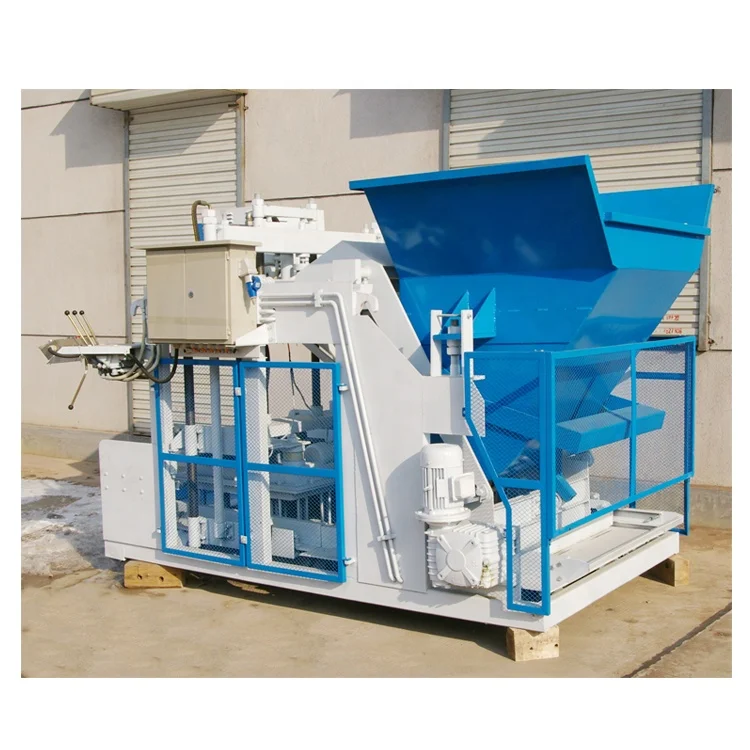
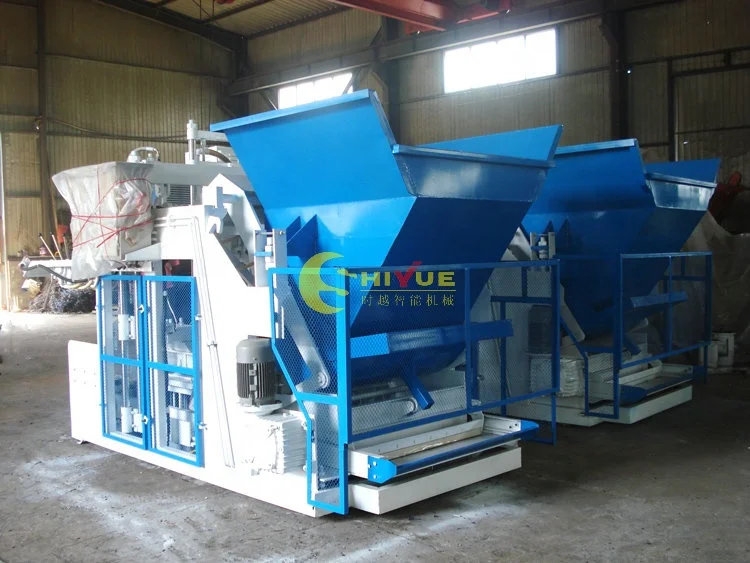
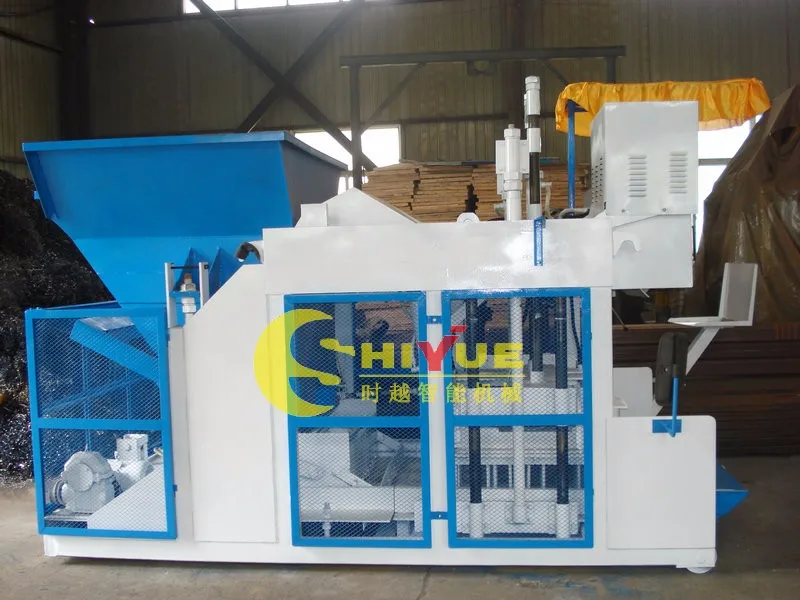
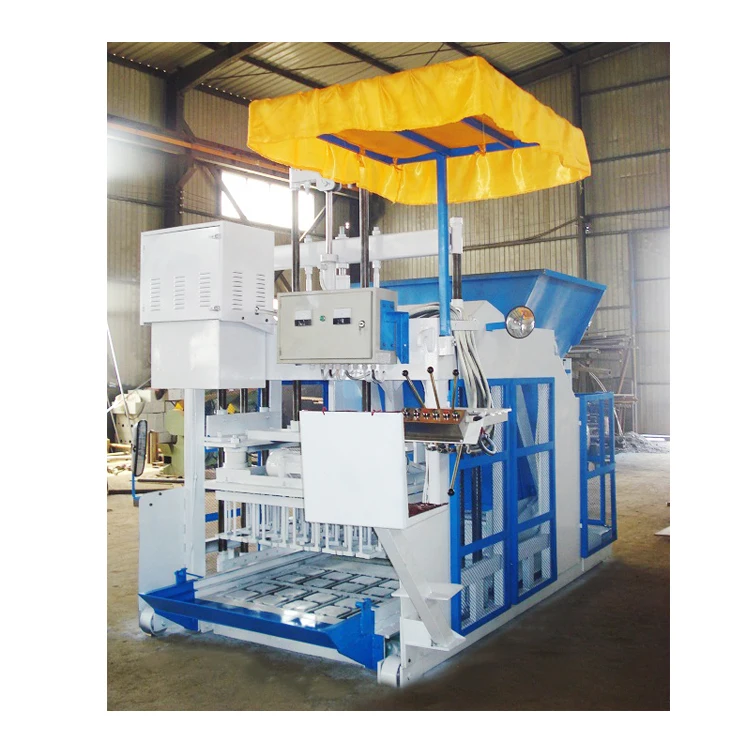
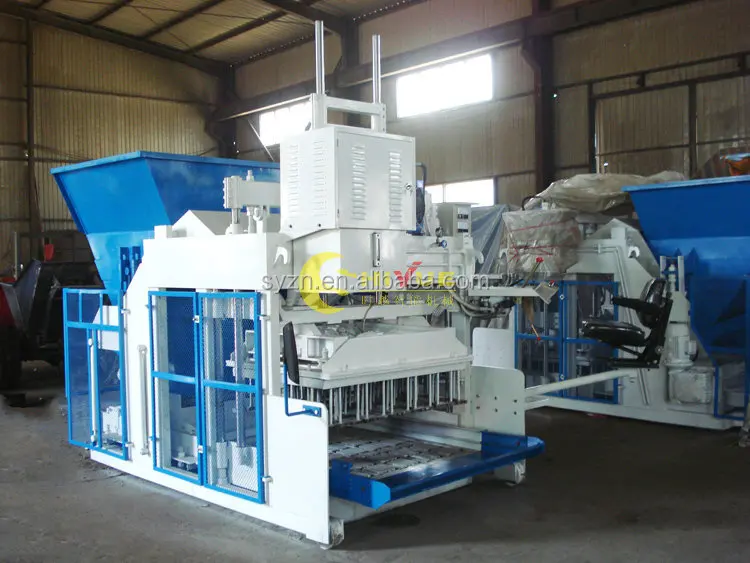
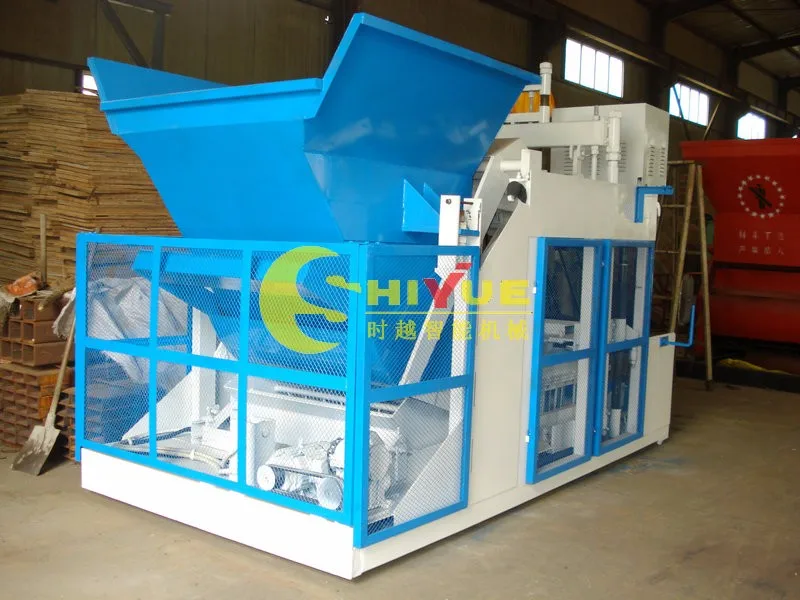
Description
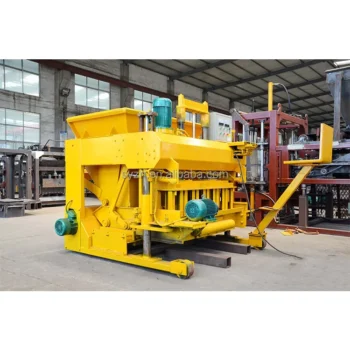
Stocked Dispatch Ready — QMY10-15 mobile block machine units held in inventory for container loading within days, not months, with voltage and hydraulic fittings confirmed against your port of destination before the crate closes.
Technical Specifications
| Parameter | Value |
|---|---|
| Model | QMY10-15 |
| Product Type | Mobile Concrete Block Making Machine |
| Molding Capacity | 10 pcs/mold |
| Molding Cycle | 10s–15s |
| Output Capacity | 11,000 pcs/day (8 hours) (basis not stated in source — confirm block format and material) |
| Total Power | 16 kW |
| Vibration System | Dual vibration motors |
| Hydraulic System | Upper and lower demoulding control with oil heat dissipator |
| Steering | Hydraulic steering |
| Walking Drive | Electric motor controlled forward and backward |
| Pallet Requirement | None (egg-laying type) |
| Basic Equipment Included | QMY10-15 host machine, JS7500 concrete mixer, dump truck |
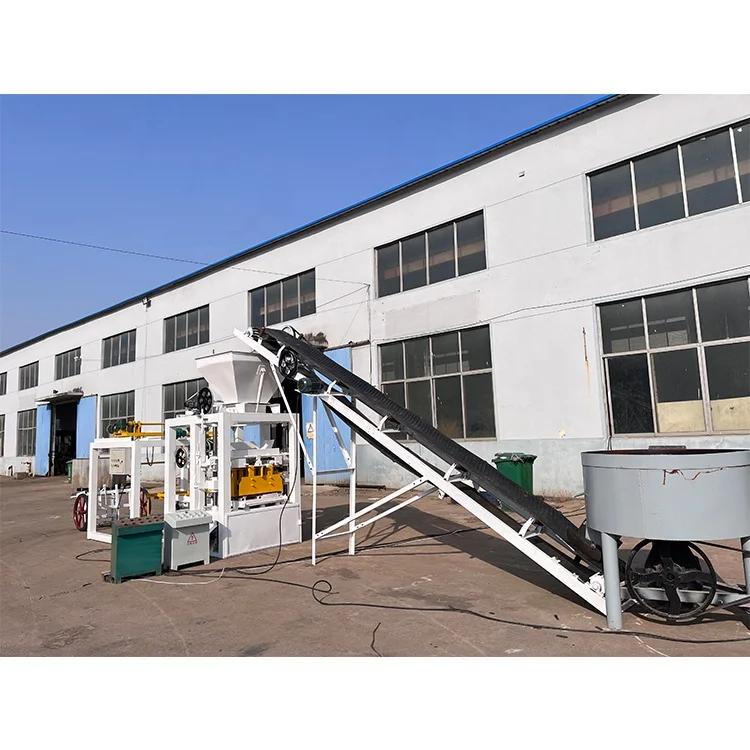
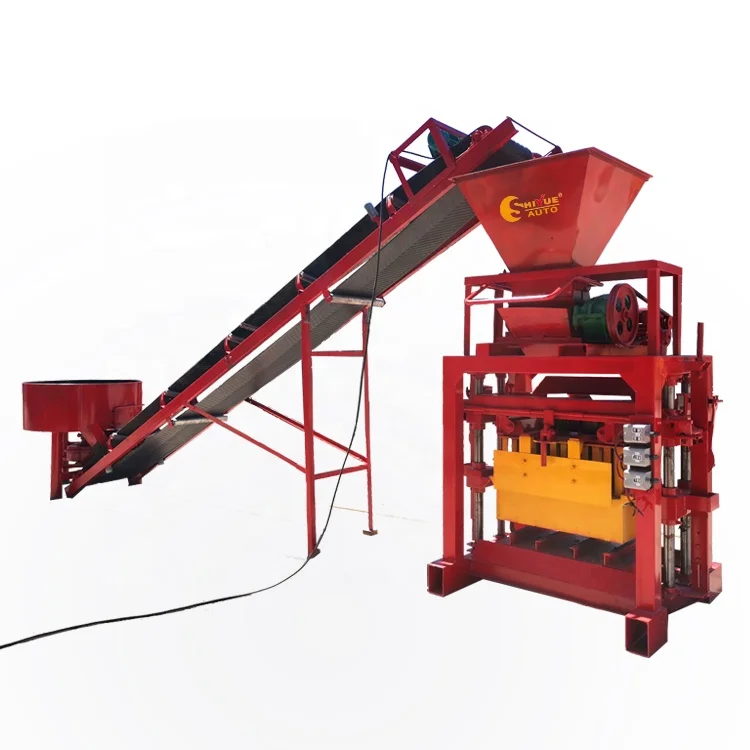
| Optional Equipment | PL1200 batching machine, cement silo, screw conveyor, loader |
| Mould Change | Interchangeable moulds for multiple block formats |
Application Suitability
| Application | Material or Output |
|---|---|
| On-site hollow block production | Crushed stone, sand, cement mixed at project location |
| Interlocking block manufacturing for paving | Local aggregate with cement binder |
| Solid block production for perimeter walls | Standard concrete mix laid directly on ground |
| Remote housing project block supply | Egg-laying output without fixed plant infrastructure |
| Small-scale building material distribution | Multiple block formats from one machine with mould swaps |
Why "11,000 Pieces per Day" Means Nothing Without the Block Format
Capacity figures only hold weight when tied to the exact block size, wall thickness, and mix design you intend to run.
I have watched contractors sign off on a mobile block machine in stock listing that promised high daily output, only to discover on site that the figure assumed a thin solid block while they needed 200mm hollow blocks — cutting real throughput to a fraction of what they planned for. The QMY10-15 completes a molding cycle in 10s–15s and holds 10 cavities per mold, but a large hollow block cycle runs longer than a small solid one, and a stiff mix with coarse aggregate demands more vibration time than a fine sand blend. [NEED_CITE: relationship between block format, cycle time, and realistic daily output in mobile egg-laying machines] Always ask the supplier to state the assumed block dimensions and mix behind any output number before you compare machines.
Immediate Dispatch Without the Usual Production Wait
Project timelines rarely bend, and waiting eight weeks for a machine to be built is not an option when a housing contract has penalties for late completion. The QMY10-15 is held as a mobile block machine in stock, meaning the host unit, hydraulic pack, and dual vibration motors have already been assembled and run through a factory test. You confirm the voltage and control language, we pull the unit, run a final mould-fit check with your chosen block format, and load. This removes the production queue from your critical path and lets you plan shipping around your project mobilization date rather than around a factory schedule.
Egg-Laying Operation That Removes the Pallet Bottleneck
Pallets are a hidden cost that catches first-time buyers off guard — you need hundreds of them, a curing rack system to hold them, and a forklift rated for the loaded weight. The QMY10-15 eliminates this entire chain by laying blocks directly onto the ground surface in a continuous row. The electric walking motor moves the machine forward at a controlled pace while hydraulic steering allows the operator to navigate uneven site terrain. This means your curing area is simply a flat, cleared section of the project site, and blocks cure in place until they reach handling strength. For contractors working across multiple plots or remote locations, the ability to relocate production without dismantling a fixed plant is a decisive advantage. [NEED_CITE: operational comparison between pallet-based and egg-laying mobile block production]
How Vibration and Hydraulic Pressure Shape Block Density
The QMY10-15 uses dual vibration motors working alongside a hydraulic demoulding system to compact the concrete mix inside the mould cavity. Vibration force settles the aggregate and eliminates voids, while hydraulic pressure on the upper head compresses the block from above during the cycle. The balance between these two forces determines whether a block emerges with uniform density or with weak zones that fail a drop test. A mix with large, angular crushed stone needs strong vibration to settle particles into the mould corners, while a fine sand mix risks segregation if vibration runs too long. The hydraulic oil heat dissipator keeps the system temperature stable during continuous operation, which matters when ambient temperatures push oil viscosity out of its working range — a common issue on Middle Eastern and North African sites where afternoon heat thins the oil and reduces demoulding pressure consistency.
What Happens When Site Conditions Are Ignored Before Shipment
A mobile block machine arriving at a port with the wrong voltage rating sits in a bonded warehouse while a transformer is sourced, and every day of storage costs money plus delays the entire block production schedule. I once saw a unit land at a job site where the local supply was 50Hz but the machine motor was wound for 60Hz — the vibration motors ran slower, cycle times stretched, and block density dropped until the foreman noticed the walls were failing simple knock tests. Hydraulic fittings are another quiet trap: metric and imperial thread standards differ by market, and a mismatched hose fitting means the steering or demoulding cylinder leaks from day one. [NEED_CITE: voltage and frequency standards by export market] These are not engineering failures — they are communication failures that a pre-shipment checklist eliminates.
Why Sourcing From a Block-Line-Focused Supplier Matters
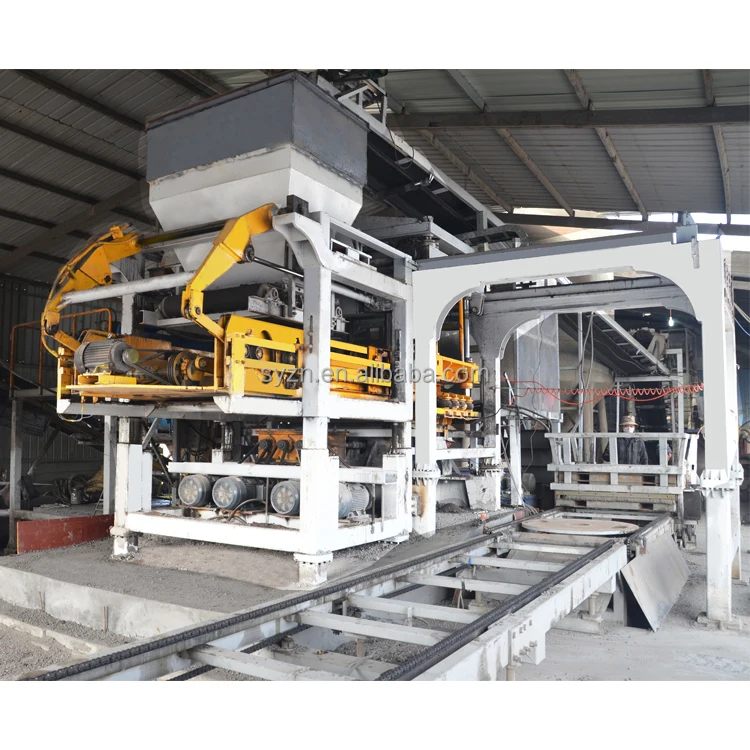
Single-focus manufacturers configure the machine, mould, and handling as one system rather than bolting together components from unrelated vendors. For the QMY10-15, this means the JS7500 mixer included in the basic package is matched to the host machine’s cycle rate, so the press is not left waiting for the next batch. Moulds are designed and supplied for the block formats your market actually sells, including custom drawings when your project calls for a non-standard interlocking profile. Stocked units go through a factory test with your specified mould installed, so the first block you produce on site is not the first block the machine has ever made. Dispatch lead times are quoted upfront with container loading plans, and customs documentation is prepared before the crate leaves the yard.
Documentation & Verification
- Factory test record run with your specified mould and block format before dispatch
- Voltage, frequency, and hydraulic fitting confirmation sheet matched to destination country
- Machine specification sheet listing all included and optional equipment line items
- Packing photographs showing dismantling state and container loading sequence
- Operation and maintenance manual with control language set to your requirement
Installation, Commissioning & Support
- Flat, compacted ground surface required as the production area — no foundation pour needed for the QMY10-15
- 16 kW total power draw requires a dedicated circuit with correct voltage and frequency at site
- Host machine arrives partially dismantled; reassembly covers vibration motor mounting and hydraulic line connections
- First-run commissioning includes mould alignment check and cycle timing adjustment to your mix
- Operator training covers mould change procedure, hydraulic steering use, and daily oil level inspection
- Wear parts list identifies vibration motor mounts and hydraulic seals as first-replacement items
What We Need to Confirm Your Shipment
To match a stocked QMY10-15 to your project, share the block format and wall thickness you intend to produce, the local aggregate type available at your site, and the voltage and frequency of your power supply. If you have an existing forklift or loader on site, let us know the lift capacity so we can confirm whether optional equipment like the PL1200 batching machine or cement silo can be handled with what you already have.
Frequently Asked Questions
Q: How do I verify the 11,000 pcs/day figure against my specific block format?
A: The 11,000 pcs/day figure is based on an 8-hour shift but the block format behind that number must be confirmed before you plan production. Share your target block dimensions and wall thickness, and we provide a revised cycle time calculation that accounts for your mix design and the actual molding cavity count per cycle.
Q: What is the dispatch lead time for stocked QMY10-15 units?
A: Stocked units can be prepared for container loading within days once voltage, frequency, control language, and mould selection are confirmed. The exact timeline depends on whether optional equipment like the batching machine or cement silo is added to the shipment and whether a factory test with your chosen mould is requested before loading.
Q: How is the machine dismantled and loaded into a container?
A: The QMY10-15 host machine is partially dismantled — typically the mixer and hydraulic components are separated from the main frame — and loaded into a standard shipping container. We provide packing photographs showing the loading sequence and a reassembly guide so your site team knows the connection points before the container arrives.
Q: Can voltage and hydraulic fittings be confirmed before shipment?
A: Yes. Before any stocked unit is dispatched, we confirm the motor winding voltage, frequency rating, PLC display language, and hydraulic fitting thread standard against your destination country requirements. This prevents the situation where a machine arrives on site and cannot be powered or connected without sourcing adapters locally.