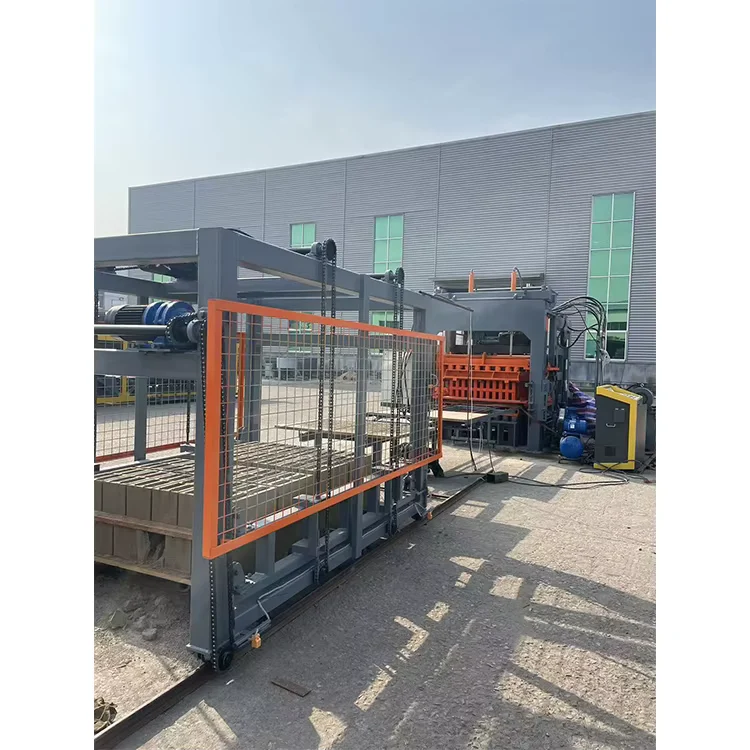
Description
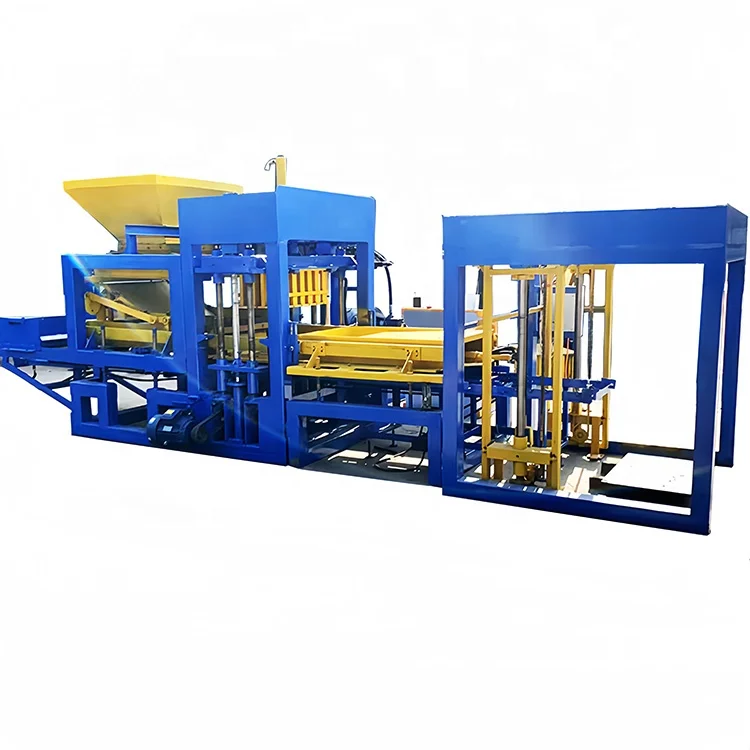
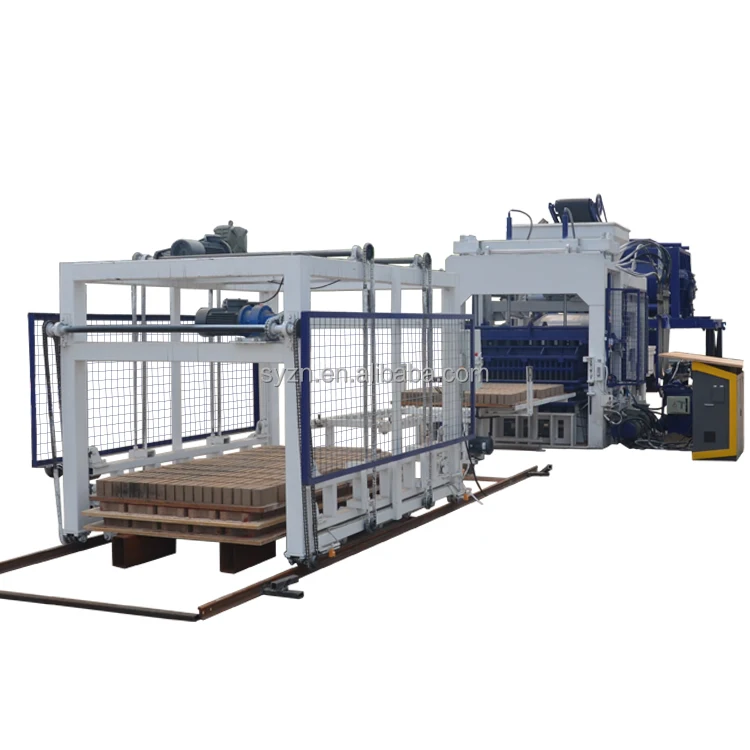
Configurable Automation — automation levels are selectable so you can start semi-automatic and upgrade later without replacing the main press.
Technical Specifications
| Parameter | Value |
|---|---|
| Model | QT10-15 |
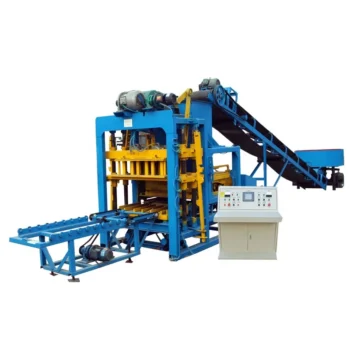
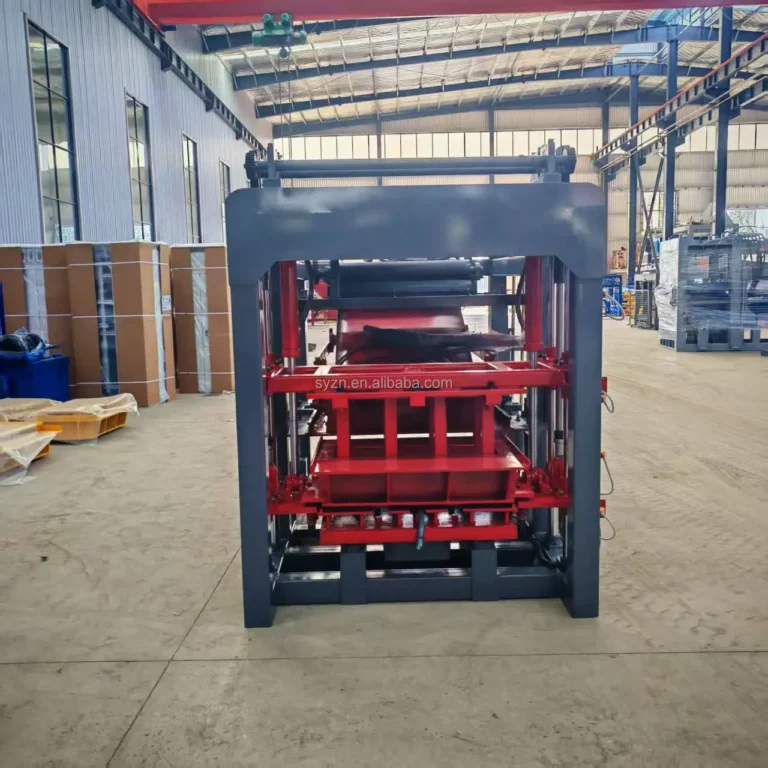
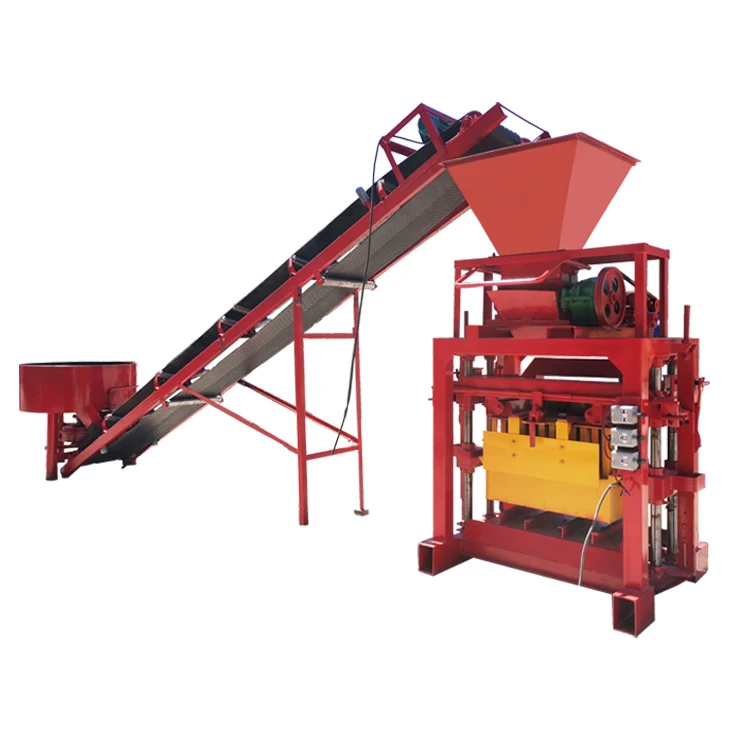
| Product Type | Automatic Concrete Block Making Machine |
| Voltage | 380V |
| Overall Dimensions (L×W×H) | 7100x1600x2610mm |
| Net Weight | 7200 kg |
| Pressing Method | Hydraulic Pressure |
| Automation Level | Automatic |
| Pallet Size | 1100x900mm |
| Workers Required | 3-5 |
| Molding Cycle | 15s (basis not stated in source) |
| Core Components | PLC, Pressure Vessel, Engine, Gear, Motor, Pump, Bearing, Gearbox |
| Standards | Machinery Test Report Provided, Video Outgoing-inspection Provided |
| Warranty | 1 Year |
Application Suitability
| Application | Material or Output |
|---|---|
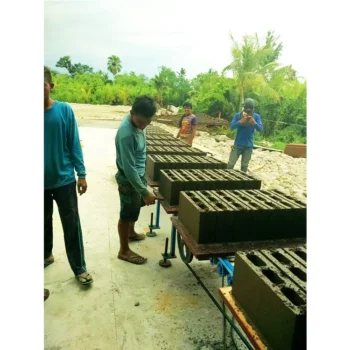
| Hollow block production for structural walls | Concrete, cement, flyash |
| Solid brick manufacturing for load-bearing structures | Concrete, cement, flyash |
| Paver and interlocking block laying for landscapes | Concrete, cement, flyash |
Why the Voltage Question Must Precede the Dispatch Date
Confirming the 380V electrical supply at your site prevents multi-week commissioning delays.
I spent years on the assembly floor before moving into technical sales, and I still remember a shipment we sent to Peru. The buyer was rushing to meet a project deadline and ordered a QT10-15 block making machine in stock without verifying their local grid. The 380V motor could not connect to their site power, and they spent three weeks waiting for a step-down transformer while the concrete foundation cured and the crew sat idle [NEED_CITE: voltage and frequency standards by export market]. Rushing the loading schedule means nothing if the machine cannot turn on upon arrival.
Rapid Dispatch and Container Loading Protocols
When a construction contractor faces a strict handover date, waiting months for a custom build is not an option. Having a QT10-15 block making machine in stock means the mainframe and standard moulds are already assembled, tested, and sitting in our yard. We focus on the physical logistics of getting the 7200 kg unit dismantled efficiently and secured inside standard shipping containers. This approach strips away the production lead time, leaving only the ocean transit and port clearance variables to manage.
Transparent Arrival Estimates and Dismantling
Speed is only valuable if the equipment survives the journey and goes back together quickly. The 7100x1600x2610mm footprint requires specific dismantling procedures to maximize container space while protecting the hydraulic pressure vessels and PLC cabinets. We provide upfront arrival estimates based on the exact dispatch date, ensuring your site crew knows exactly when to prepare the foundation. Every bolt and connection point is documented so the reassembly process does not turn into a guessing game on the job site [NEED_CITE: CE machinery directive requirements for industrial equipment].
Matching the Hydraulic Press to the Pallet Circuit
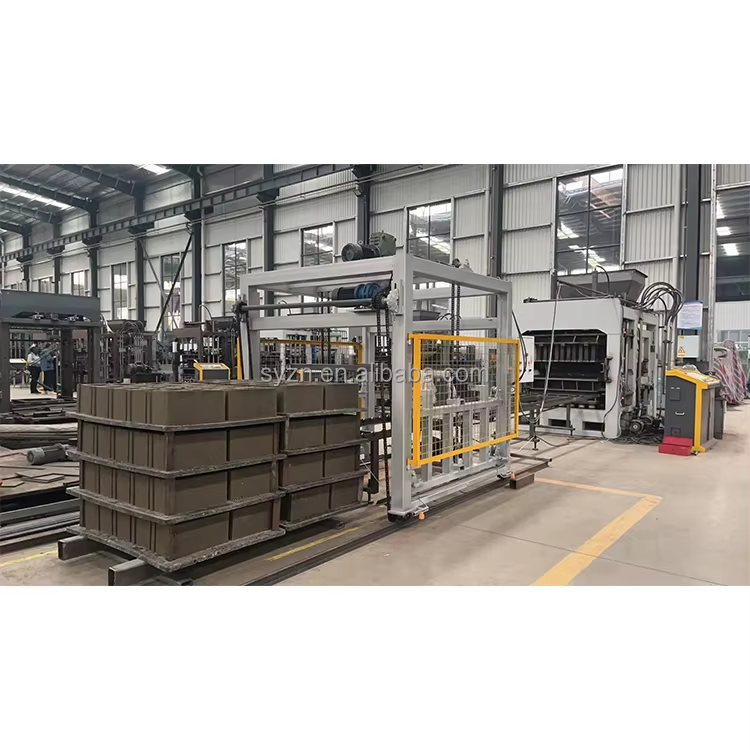
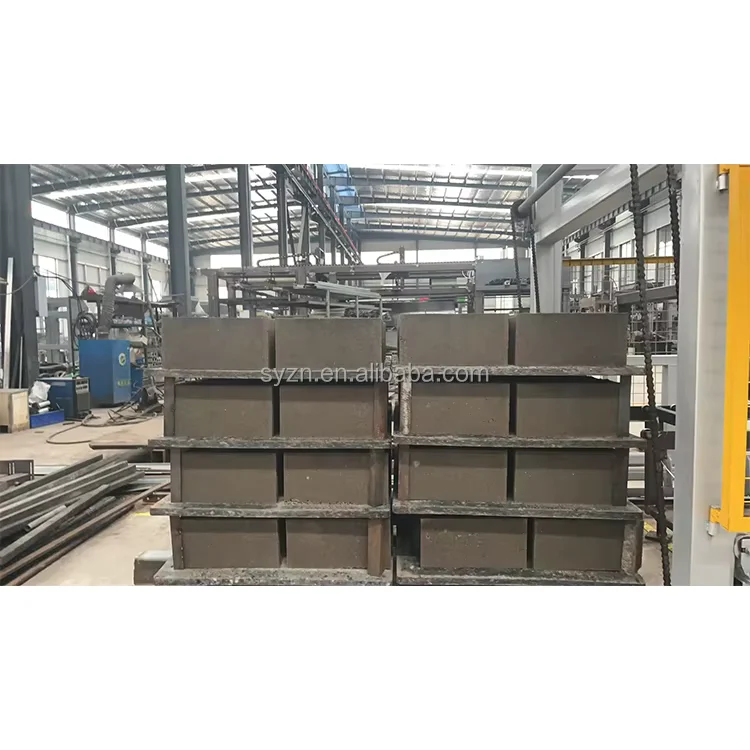
The physical output of the press is dictated by how fast the pallets can circulate through the curing area. With a standardized 1100x900mm pallet size, the curing racks and forklifts at your site can be prepared before the ship even docks. The hydraulic pressure system provides the necessary compaction force for hollow blocks and pavers, but the true cycle speed depends on the material feed and pallet return. Understanding this physical loop ensures the automatic line is not bottlenecked by manual handling at the end of the conveyor.
The Hidden Costs of Ignoring Site Infrastructure
Ordering heavy machinery without verifying the local power grid or forklift capacity leads to expensive secondary purchases. If the 380V supply is unavailable, buying industrial transformers on short notice destroys the project budget. Similarly, if the local curing yard is designed for a different pallet dimension, the entire material handling flow breaks down, forcing workers to move heavy concrete blocks by hand. These infrastructure mismatches cause far more downtime than any mechanical failure ever could [NEED_CITE: common causes of industrial equipment commissioning delays].
Why Source This Equipment Through Our Stock Channel
We focus exclusively on block machinery, meaning the press, moulds, and handling equipment are specified as one matched system rather than assembled from separate suppliers. Because we hold standard configurations ready for dispatch, the machinery test reports and video outgoing-inspections are completed before you even sign the final shipping documents. Our documentation includes exact voltage and control language confirmations, preventing the exact communication gaps that stall site commissioning. We handle the customs documentation support and packing photographs, ensuring smooth port clearance so the equipment reaches your project site on schedule.
Documentation & Verification
- Factory test record confirming hydraulic pressure and 380V motor function before dispatch.
- Machinery test report and video outgoing-inspection verifying the physical condition of the mainframe.
- Voltage and control language confirmation sheet matched to your specific destination country.
- Complete packing photographs and customs documentation support for immediate port clearance.
- Dismantling layout showing how the 7100x1600x2610mm frame fits into standard shipping containers.
Installation, Commissioning & Support
- Foundation plans detailing the load-bearing requirements for the 7200 kg mainframe and hydraulic station.
- Electrical schematics specifying the dedicated 380V circuit and breaker sizing for the main motor.
- Dismantling and reassembly guides ensuring the PLC and pressure vessels are reconnected correctly on site.
- Initial parameter setting for the hydraulic pressure to match your specific concrete and flyash mixture.
- Operator training focused on the automatic control panel and safe mould change procedures.
- Wear parts list identifying the specific bearings, gears, and gearbox filters required for routine maintenance.
Preparing Your Site for Immediate Deployment
To ensure the equipment integrates smoothly into your operation upon arrival, we need to verify a few critical site details before loading the containers. Please provide your exact local voltage and frequency, the available footprint for the curing racks, and the specific hollow block dimensions your market demands. Confirming these physical and electrical parameters allows us to finalize the dispatch schedule and guarantee the machine is ready to produce the moment it is reassembled.
Frequently Asked Questions
Q: What is the exact dispatch lead time for the QT10-15?
A: Because this model is kept in stock, the mainframe and standard moulds bypass the manufacturing queue. The lead time primarily consists of the dismantling process, container loading, and customs clearance preparation. Once the booking is confirmed, we provide a precise dispatch date and an upfront arrival estimate based on current shipping routes to your destination port.
Q: Are standard moulds and pallets currently available for immediate loading?
A: Yes, the standard mould formats and the matching 1100x900mm pallets are held in inventory alongside the main press. This ensures the entire matched system can be loaded into the same container shipment, preventing situations where the machine arrives but production is halted because the complementary tooling is stuck on a later vessel.
Q: How is the machine dismantled for fast shipment?
A: The 7100x1600x2610mm frame is broken down into logical sub-assemblies to maximize container space while protecting sensitive components like the PLC cabinet and hydraulic pressure vessels. We follow standardized dismantling procedures and provide detailed reassembly documentation so your local crew can put the press back together efficiently without guessing the connection points.
Q: What customs documentation is provided to prevent port delays?
A: We supply a complete set of export documents, including the commercial invoice, packing list, bill of lading, and machinery test reports. We also provide specific customs documentation support tailored to your destination country’s import requirements, ensuring the port authorities have everything needed to clear the heavy equipment without holding it in the terminal.
Q: Can the 380V voltage configuration be verified before dispatch?
A: Absolutely. Verifying the electrical supply is a mandatory step in our pre-dispatch checklist. We provide a voltage and control language confirmation document that you must sign off on before the machine is loaded. This prevents the costly delays associated with arriving at a job site only to discover the local grid cannot support the main motor.