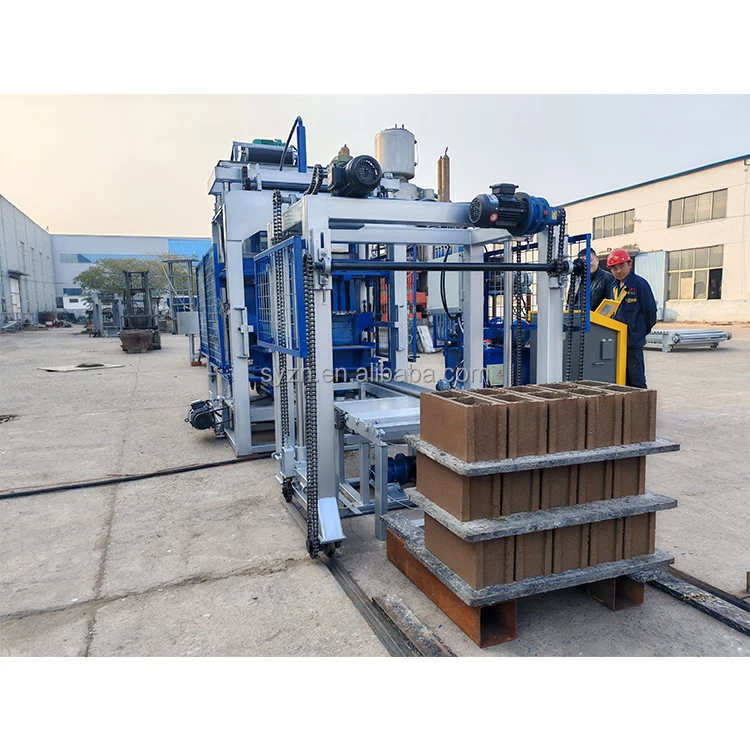
Description
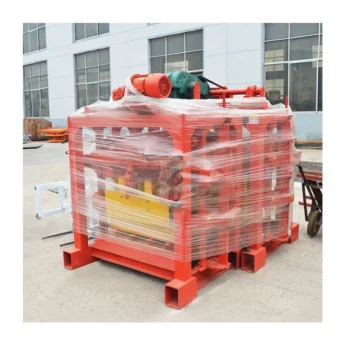
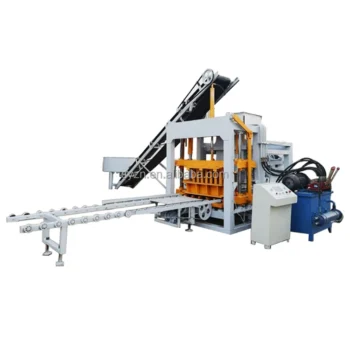
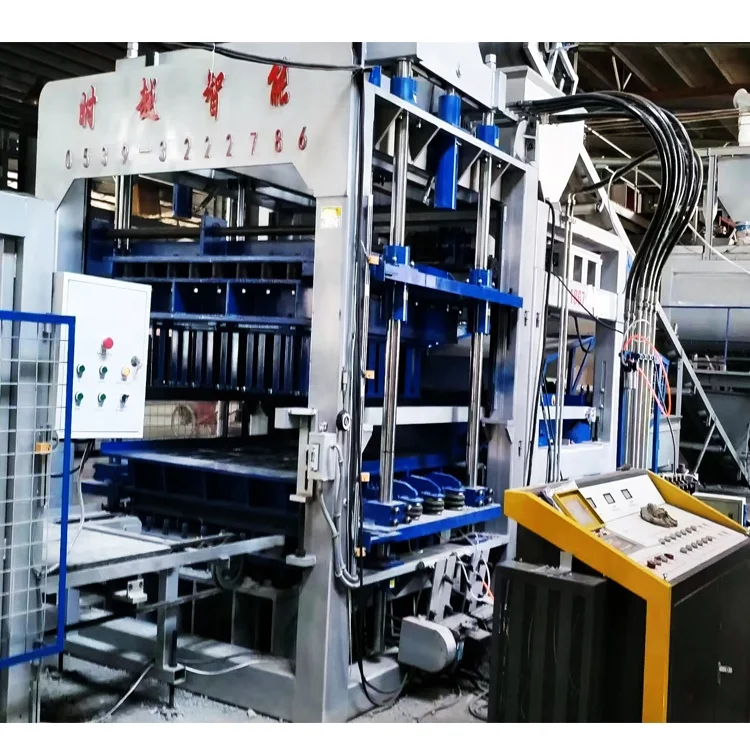
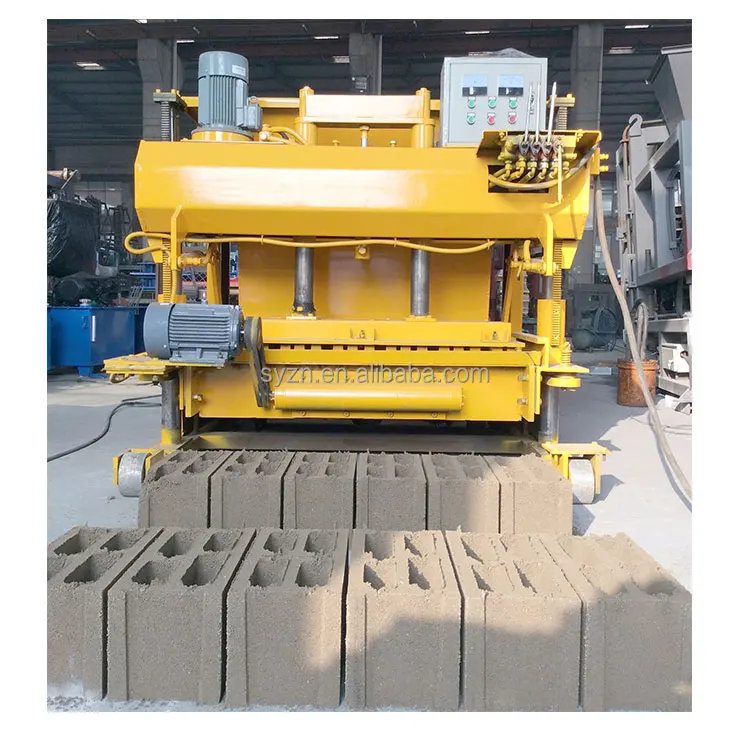
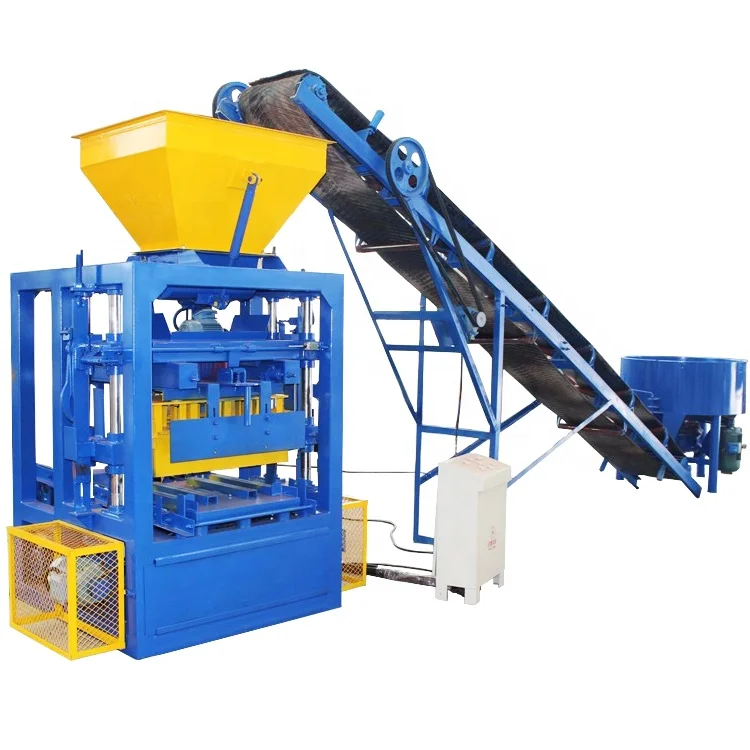
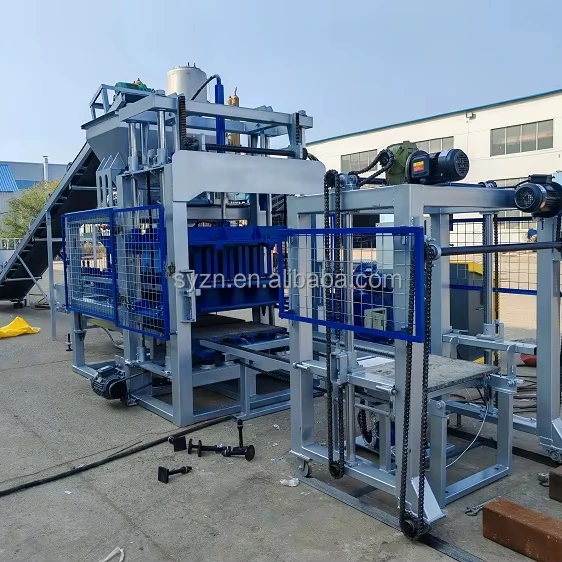
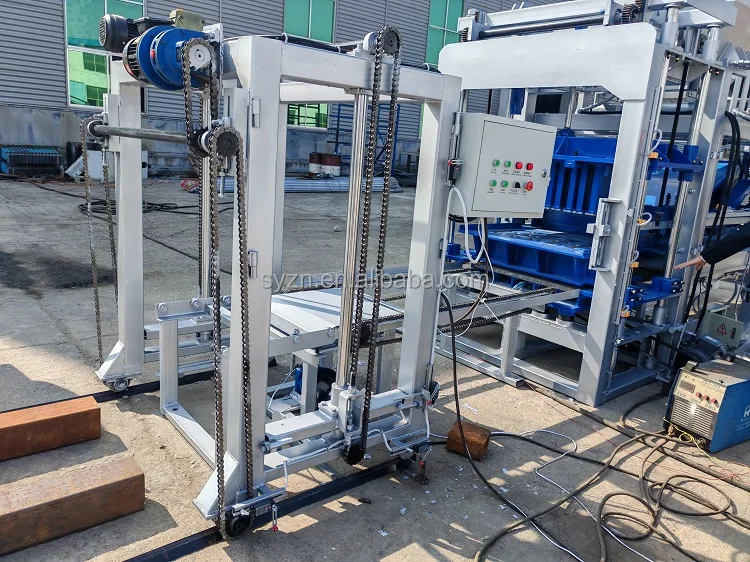
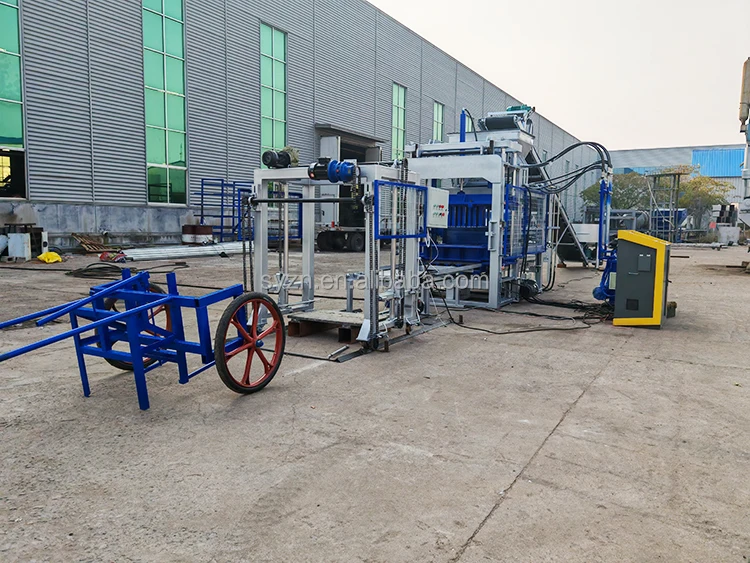
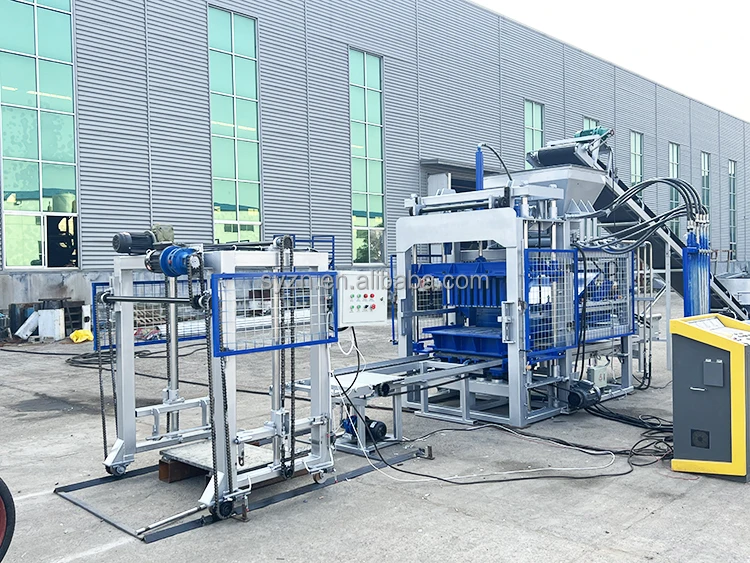
Stocked machines ready for dispatch — the QT4-15 block machine ships from our Linyi yard with standard moulds and pallets already staged, so your container leaves within days rather than weeks.
Technical Specifications
| Parameter | Value |
|---|---|
| Model | QT4-15 |
| Product Type | Fully Automatic Concrete Block Making Machine |
| Overall Dimensions | 3900×1600×2300 mm |
| Molding Cycle | 15–25 s |
| Vibration Force | 40–50 kN |
| Total Installed Power | 24 kW |
| Mixer Model | JQ350 |
| Pallet Size | 850×550×25 mm |
| Total Weight | 3 T |
| Hydraulic System | Equipped for high-pressure forming |
| Automation Level | Semi-automatic with hydraulic station |
| Output Capacity | 1200–1680 pcs/h (basis: 400×200×200 mm hollow block, 4 pcs/mould, 15–20 s cycle) |
| Output Capacity | 1800–2400 pcs/h (basis: 400×150×200 mm hollow block, 15–20 s cycle) |
| Output Capacity | 3240 pcs/h (basis: 240×115×53 mm solid brick, 15–20 s cycle) |
| Daily Output | 9600–13440 pcs/8 hr (basis: 400×200×200 mm hollow block) |
| Daily Output | 14400–19200 pcs/8 hr (basis: 400×150×200 mm hollow block) |
| Daily Output | 16200–19440 pcs/8 hr (basis: 240×115×53 mm solid brick) |
| Container Loading | 20GP, nude packing, approx. 500 pcs pallets capacity |
Application Suitability
| Application | Material or Output |
|---|---|
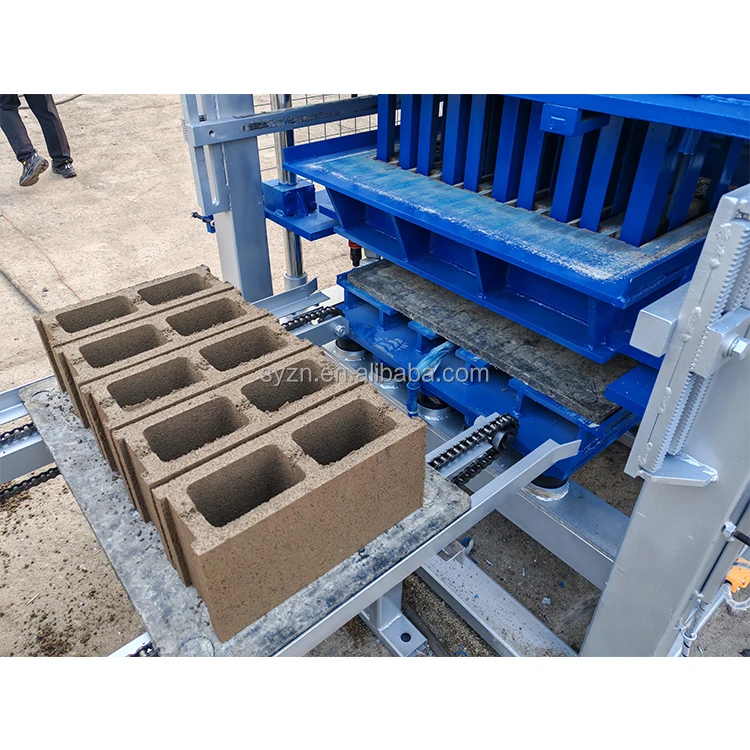
| Hollow block production | Crushed stone, sand, cement, fly ash blends for load-bearing and partition walls |
| Solid brick production | Dense aggregate mixes for structural masonry and paving sub-bases |
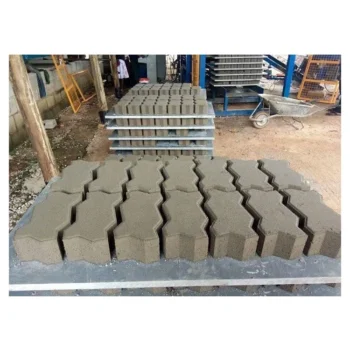
| Interlock paver production | Fine-graded sand and cement for pedestrian and light-traffic surfaces |
| Kerbstone production | Coarse aggregate with high cement content for road-edge and drainage channels |
| On-site contractor use | Mobile block production at housing developments using locally sourced sand and gravel |
What "In Stock" Actually Means for Your Project Timeline
A QT4-15 block machine in stock means the frame, hydraulic station, and moulds have passed factory testing and sit ready for container loading — not that they are sitting in a crate waiting to be assembled.
Buyers racing against a construction deadline often discover that "available" still translates into a multi-week build before dispatch. I have watched contractors lose an entire month because the mould they needed was not on the shelf and had to be machined from scratch. With the QT4-15 block machine in stock, the physical unit and standard moulds are pre-built, and the pallet inventory is staged so your 20GP container can be sealed within days of order confirmation. [NEED_CITE: typical block machine build-to-order timelines versus stock dispatch windows]
Dispatch Sequence From Yard to Port
The QT4-15 block machine in stock follows a fixed dispatch checklist before it moves to the loading bay. Every hydraulic line is pressure-tested, the vibration motor is run through a full cycle, and the JQ350 mixer is paired to the main frame to confirm electrical continuity. Once cleared, the machine is dismantled into shipping sections that match the internal dimensions of a standard 20GP container, with approximately 500 pallets bundled alongside.
Arrival Timing You Can Plan Around
From the moment the container seal is locked, transit time depends on your destination port and current shipping lane conditions. We provide an estimated arrival window at the quotation stage, not after the machine is already on the water. This matters because your curing area, forklift, and aggregate stockpile all need to be ready the day the container doors open. [NEED_CITE: ocean freight transit variability from Chinese eastern ports]
Mould and Pallet Readiness at Point of Shipment
Standard hollow block and solid brick moulds matching the 850×550×25 mm pallet are kept in stock alongside the QT4-15 block machine in stock. If your market runs a specific interlock profile or kerbstone format, we confirm mould availability against our current inventory before you commit. No order moves to loading until every mould, pallet batch, and wear part set is physically present in the dispatch yard.
Decoding the Specs That Matter on Site
The vibration force rating of 40–50 kN works in concert with the hydraulic station to compact your mix during the 15–25 second molding cycle. Higher kN alone does not guarantee denser blocks; the hydraulic pressure must match the aggregate particle size and moisture content of your local material. The 850×550×25 mm pallet size was chosen to fit standard curing racks and common warehouse forklift tine widths, so blocks can move from press to curing area without rehandling. Total installed power of 24 kW means you need a dedicated supply circuit — sharing a line with other heavy plant equipment risks voltage sag that shortens vibration motor life. The semi-automatic configuration keeps the operator in control of pallet feeding while the hydraulic station handles the pressing and stripping cycle, striking a balance for plants that are not yet ready for full automation.
The Hidden Cost of Overlooking Container and Site Fit
A machine that arrives without confirmed pallet dimensions forces the buyer to source pallets locally, often at a premium and in a material that does not match the vibration table surface. When the curing area was measured against a different pallet size, forklifts cannot stack properly and blocks break during handling. Voltage mismatches discovered at commissioning add weeks of downtime while transformers are sourced locally. [NEED_CITE: on-site commissioning delays caused by pre-shipment planning gaps]
Why Procurement Through This Channel Works
Block machinery is the single focus of the production facility, meaning the QT4-15 press, its moulds, pallets, and the JQ350 mixer are specified and tested as a matched set rather than assembled from unrelated suppliers. Stock machines are configured and tested against buyer-confirmed block formats before dispatch, not pulled from a generic catalogue line. Mould inventory covers the formats that construction markets actually purchase, and custom mould drawings are processed against existing stock machines when needed. The semi-automatic platform allows a buyer to begin production immediately and add automation modules later as output demands grow. Installation documentation and operator training materials ship inside the container so the local team can begin setup before our technician arrives.
Documentation & Verification
- Factory test record run on your specified hollow block format before dispatch
- Mould drawing and format list confirming every profile in your order
- Pallet specification sheet matching the 850×550×25 mm size and material
- Voltage and control language confirmation signed off before container sealing
- Packing photographs showing dismantled sections and pallet bundle count
- Customs documentation set prepared for your destination country clearance
Installation, Commissioning & Support
- Foundation pad sized to the 3900×1600 mm footprint with anchor bolt template
- Dedicated 24 kW electrical circuit with correct voltage and frequency confirmed pre-ship
- Dismantled shipping state with reassembly sequence documented per section
- Hydraulic station pressure calibrated on-site to match your aggregate mix density
- Vibration frequency fine-tuned during first production run against your block strength target
- Wear part list and mould maintenance schedule provided with the operation manual
What We Need to Move Your Order Forward
To lock in your QT4-15 dispatch slot, share the block formats your market currently sells and the daily output you need to meet. Confirm the voltage, frequency, and PLC display language at your site so electrical panels are wired correctly before loading. Let us know the aggregate types available locally — sand source, stone size, any fly ash or crusher dust — so the factory test can run a representative mix before the machine leaves the yard.
Frequently Asked Questions
Q: What is the current stock status and dispatch lead time for the QT4-15?
A: The QT4-15 is currently held in the dispatch yard with standard moulds and pallet inventory staged. Once your order and site specifications are confirmed, the machine moves through final factory testing and container loading. Dispatch typically follows within a short window, and we quote an arrival estimate at the point of order confirmation.
Q: How is the machine packed and loaded into a 20GP container?
A: The QT4-15 is dismantled into shipping sections sized to fit a standard 20GP container interior. Approximately 500 pallets are bundled alongside the main frame, hydraulic station, and JQ350 mixer. Nude packing is used, and packing photographs are shared before the container seal is applied.
Q: What is the estimated arrival time after shipment from China?
A: Arrival time depends on your destination port and current shipping lane schedules. We provide an estimated arrival window at the quotation stage based on confirmed sailing dates, so you can coordinate your site preparation, curing area, and local customs clearance in advance.
Q: Are standard moulds and pallets included and ready to ship?
A: Standard hollow block and solid brick moulds matching the 850×550×25 mm pallet are held in stock alongside the machine. Approximately 500 pallets ship in the same container. If your project requires a specific interlock or kerbstone profile, we confirm that mould against current inventory before loading.
Q: What customs documentation is provided for international delivery?
A: A full customs documentation set is prepared for your destination country, including the packing list, commercial invoice, and any applicable CE declaration. We confirm document requirements with your clearing agent before the container sails to prevent delays at the port of entry.