
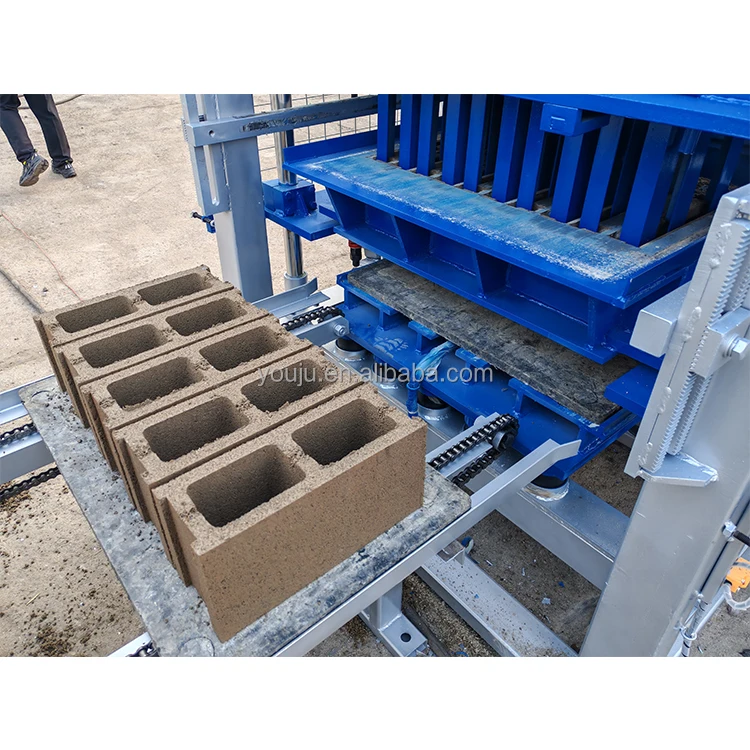
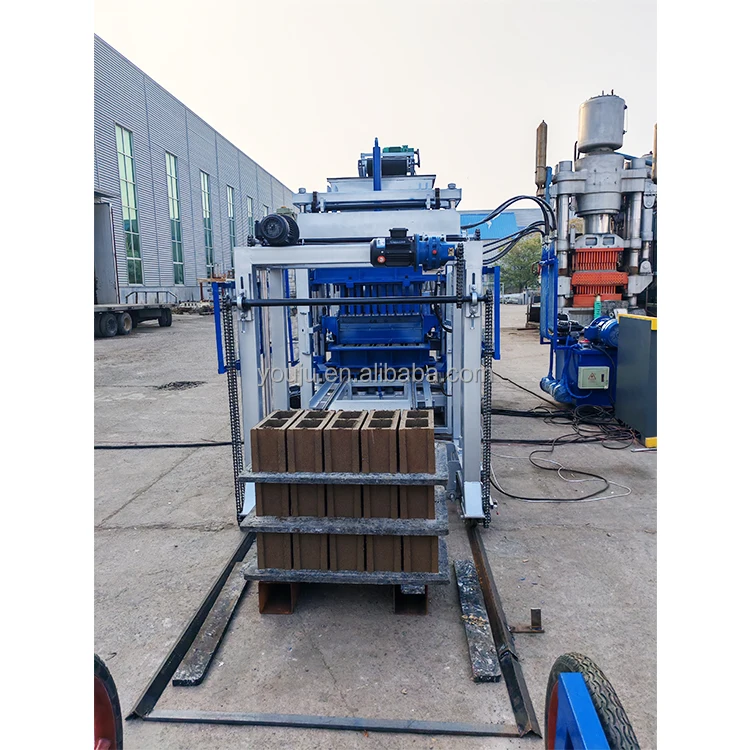
Description
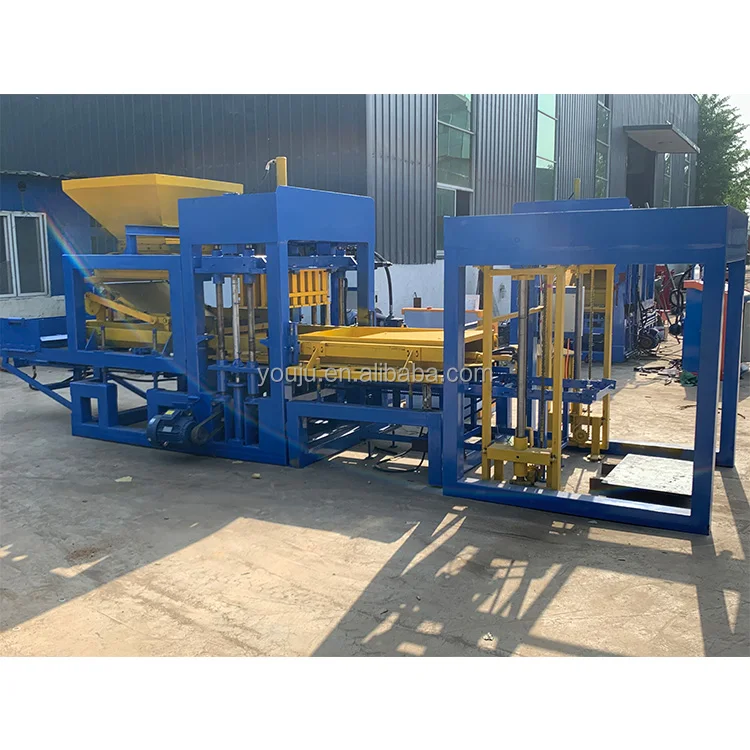
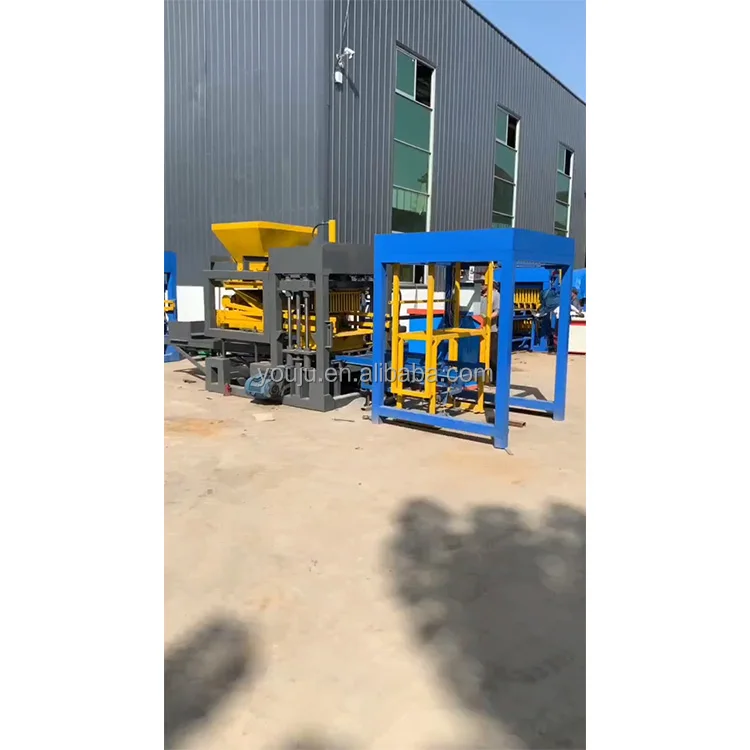
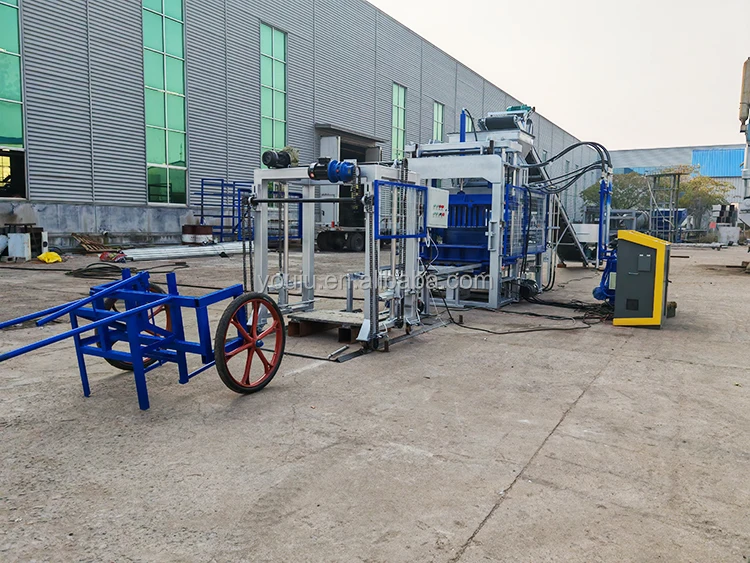
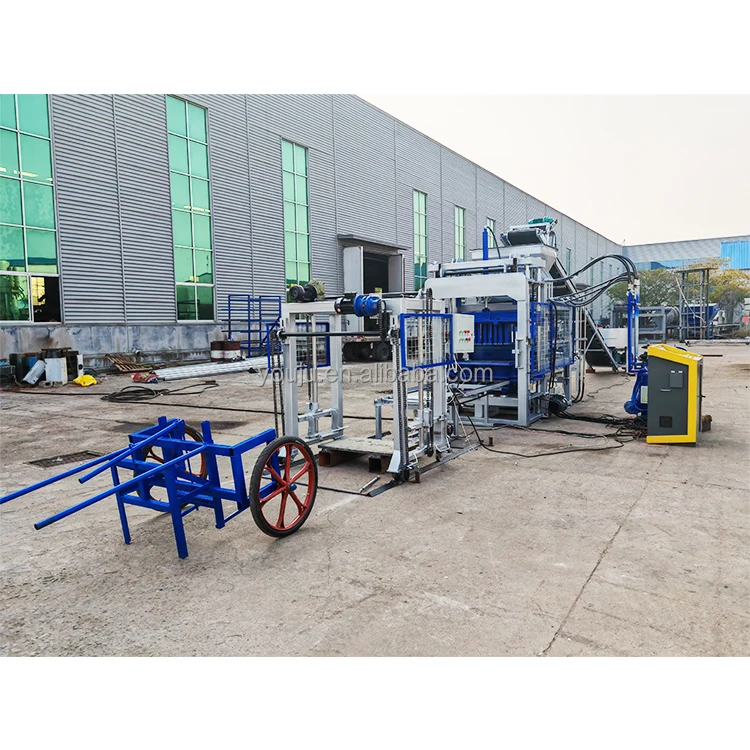
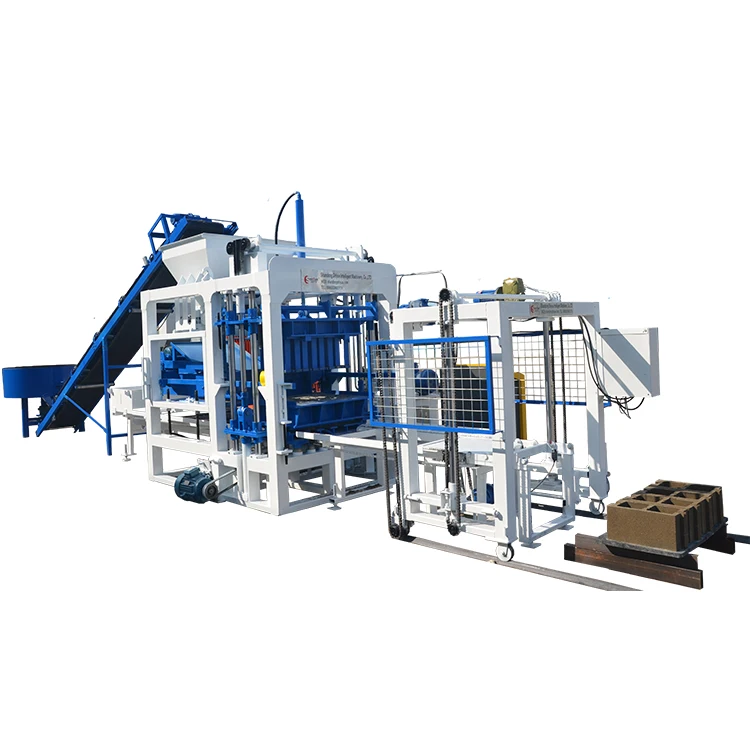
Stocked inventory — QT4-15 hydraulic interlocking brick making machines are pre-assembled and held ready for container loading, cutting the gap between order confirmation and dispatch to a timeframe measured in days rather than production weeks.
Technical Specifications
| Parameter | Value |
|---|---|
| Model | QT4-15 |
| Product Type | Hydraulic Interlocking Brick Making Machine |
| Control System | PLC controlled |
| Molding Cycle | 15-30s |
| Pallet Size | 900x500mm |
| Vibration Type | Platform vibration |
| Vibration Frequency | 50-70Hz |
| Product Height Range | 50-220mm |
| Overall Power | 24.5kW |
| Demolding Method | Hydraulic |
| Automation Level | Automatic (PLC + hydraulic system) |
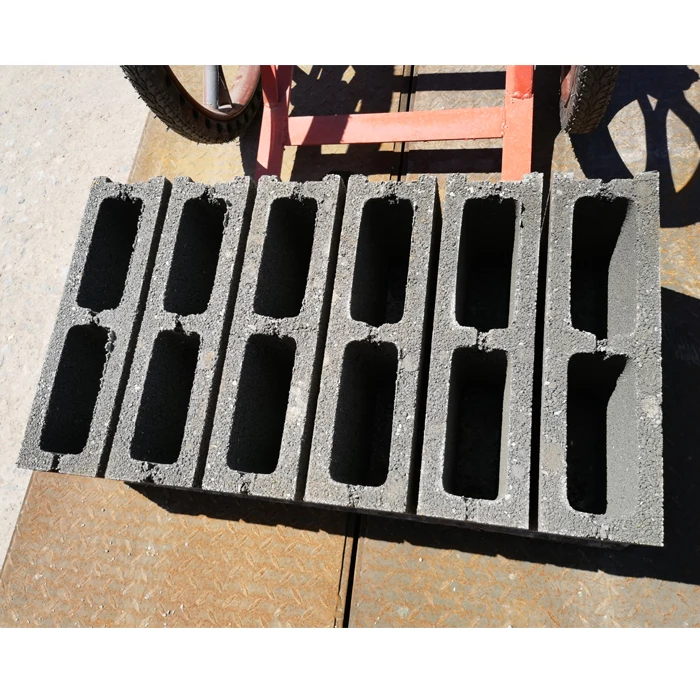
| Output Capacity (Hollow Block 400x200x200mm) | 900-1200 pcs/hour |
| Output Capacity (Hollow Block 400x150x200mm) | 1080-1440 pcs/hour |
| Output Capacity (Hollow Block 400x100x200mm) | 1440-1920 pcs/hour |
| Output Capacity (Paver 200x100x60mm) | 2880-3840 pcs/hour |
| Output Capacity (Solid Brick 240x115x53mm) | 5930-6720 pcs/hour |
| Block Compressive Strength | >15 MPa |
| Raw Materials | Fly ash, slag, gangue, sand, crushed stone, cement |
Application Suitability
| Application | Material or Output |
|---|---|
| Hollow block production | Crushed stone, sand and cement mix for load-bearing walls |
| Interlocking brick production | Fly ash and sand blends for mortar-free wall systems |
| Paver brick production | Fine aggregate and cement for walkways and driveways |
| Solid brick production | Slag, gangue and cement for high-density masonry units |
| On-site block production for contractors | Locally sourced sand and crushed stone with cement binder |
What "Ready to Ship" Actually Means for Your Project Timeline
A stocked QT4-15 block machine in stock ships from the yard, not from a production queue.
I have watched project contractors commit to a block delivery schedule based on a machine lead time that turned out to be a manufacturing lead time. The difference between a machine sitting in a warehouse ready to load and one that still needs six weeks of assembly is the difference between meeting your construction deadline and paying penalty clauses. The QT4-15 block machine in stock on this page has passed its factory test, is dismantled for container loading, and can be dispatched once voltage and control language are confirmed with the buyer. [NEED_CITE: typical container loading procedures for medium-capacity block machines]
Dispatch Lead Time and What Must Be Confirmed First
Before any QT4-15 block machine in stock leaves the yard, three items need buyer confirmation: voltage and frequency for the destination market, PLC display language for the operating crew, and mould selection for the block format the project actually requires. These confirmations take days, not weeks, but they cannot be skipped. I once saw a machine arrive in West Africa with a 50Hz motor on a 60Hz grid — the vibration frequency dropped, block density fell below specification, and the first production run had to be scrapped.
How Stocked Machines Are Prepared for Shipment
A QT4-15 destined for fast dispatch is dismantled into main frame, hydraulic station, control cabinet and mould assembly for container loading. Each component is secured against transit movement, and packing photographs are taken before the container doors close. Buyers working to a project deadline need to know that "stocked" means the machine itself is complete and tested — not that it is mid-assembly with a hoped-for completion date. The hydraulic system is drained and sealed, electrical connections are labelled, and the PLC is powered down with its program intact so commissioning on site starts from a known baseline. [NEED_CITE: machinery export packing standards for hydraulic equipment]
Matching Vibration Force to Your Mix Design
The QT4-15 uses platform vibration at 50-70Hz combined with hydraulic pressure to compact the mix into the mould. The vibration frequency range matters because different aggregate sizes respond to different frequencies — coarser crushed stone tends to settle better at the lower end of the range, while finer fly ash and sand blends compact more evenly at higher frequencies. The hydraulic demolding system applies controlled pressure to release blocks without corner damage, which is particularly important for interlocking brick profiles where edge precision determines whether blocks fit without mortar. The compressive strength exceeding 15 MPa is achievable when vibration force, hydraulic pressure and mix proportions are aligned to the specific aggregate available at the buyer’s site.
When the Wrong Pallet Size Reaches Your Site
The QT4-15 runs on 900x500mm pallets, and that dimension must match the curing racks and forklift forks the buyer already has or plans to purchase. I have seen a buyer receive a machine whose pallet size did not fit the curing rack slots in the existing shed — every pallet had to be handled manually until new racks were fabricated, adding weeks of labour cost that was never in the project budget. Before confirming an order, check the pallet dimension against your curing area layout and the forklift tine spacing. A mismatch here does not stop production, but it turns what should be a mechanised handling flow into manual carrying. [NEED_CITE: pallet handling compatibility in block production plants]
Why Buyers Choose This Route for Time-Critical Projects
Stocked QT4-15 machines are specified against the buyer’s actual block format and local aggregate, not shipped as a catalogue default. The mould package is confirmed before dispatch so the machine arrives with the formats the buyer’s market sells. Pallet specification, voltage and control language are locked in during the order stage, preventing the commissioning delays that come from discovering an electrical mismatch on arrival day. Factory test records and packing photographs are shared before the container is sealed, so the buyer knows the machine condition at the point of loading. Documentation — including machine specification sheet, hydraulic and electrical schematics, and operation manual — ships with the equipment rather than following weeks later by email.
Documentation & Verification
- Factory test record showing cycle times on your specified block format before dispatch
- Voltage and frequency confirmation sheet signed off against your site electrical supply
- Pallet specification matched to your curing rack and forklift dimensions
- Hydraulic and electrical schematic in the language confirmed at order stage
- Packing photographs documenting machine condition before container doors close
- Mould drawing and format list for every mould included in the shipment
Installation, Commissioning & Support
- Foundation must accommodate the QT4-15 overall footprint with level tolerance for platform vibration stability
- Dedicated electrical circuit sized for 24.5kW total draw with voltage confirmed before connection
- Machine reassembled from dismantled shipment state with labelled hydraulic and electrical connections
- PLC program verified on first power-up and display language confirmed with the operating crew
- Operator training covers mould change procedure across hollow, paver, solid and interlocking formats
- Wear parts list provided with recommended replacement intervals for hydraulic seals and vibration components
What to Include in Your Inquiry
To get an accurate dispatch date and machine configuration, share the block formats your market requires, your daily output target stated per specific block size, and the raw materials available locally including aggregate type and source. Confirm your site voltage, frequency and preferred PLC display language. If you have existing curing racks or forklifts, send the dimensions so the pallet size is verified against your current handling setup before the QT4-15 block machine in stock is prepared for loading.
Frequently Asked Questions
Q: Which block format is the capacity figure based on?
A: Every capacity figure on this page is tied to a specific block dimension — for example, 900-1200 pieces per hour applies to 400x200x200mm hollow blocks, while paver output at 200x100x60mm is rated at 2880-3840 pieces per hour. Your actual daily output depends on which format you run, so always confirm the capacity sheet for the block size your project or market requires.
Q: What is the dispatch lead time from order to container loading?
A: Stocked QT4-15 machines can be prepared for container loading once voltage, frequency, PLC language and mould selection are confirmed by the buyer. These confirmations typically take several working days. After confirmation, the machine is dismantled from its tested state, packed and loaded. Exact dates are quoted at order based on current yard availability and shipping schedule.
Q: Can voltage and PLC language be confirmed before shipment?
A: Yes — voltage, frequency and PLC display language must be confirmed before the machine leaves the yard. This is a mandatory step, not an optional one. The PLC program is set to the buyer’s specified language and the electrical system is verified against the destination grid standard so commissioning starts without electrical rework on site.
Q: Which moulds ship with the machine and which are ordered separately?
A: The mould package is agreed during the order stage based on the block formats the buyer needs. Standard hollow block, paver, solid brick and interlocking moulds are available. Custom moulds designed to buyer drawings can be included if lead time allows. Every mould included in the shipment is listed on the format list document that accompanies the machine.
Q: How is the machine dismantled for container loading and reassembled on site?
A: The QT4-15 is dismantled into main frame, hydraulic station, control cabinet and mould assembly. Each component is secured for transit, and all hydraulic and electrical connections are labelled for reassembly. On site, the machine is rebuilt following the assembly documentation, connections are made according to the schematics, and the PLC is powered up to verify the program before production begins.


![[result]M7MI Clay Soil Brick Making Machine – In Stock[/result]](https://sdsyblockmachine.com/wp-content/uploads/2026/04/H77817a22a6c74da4b90dd8c91a47ea52h-768x768.webp)