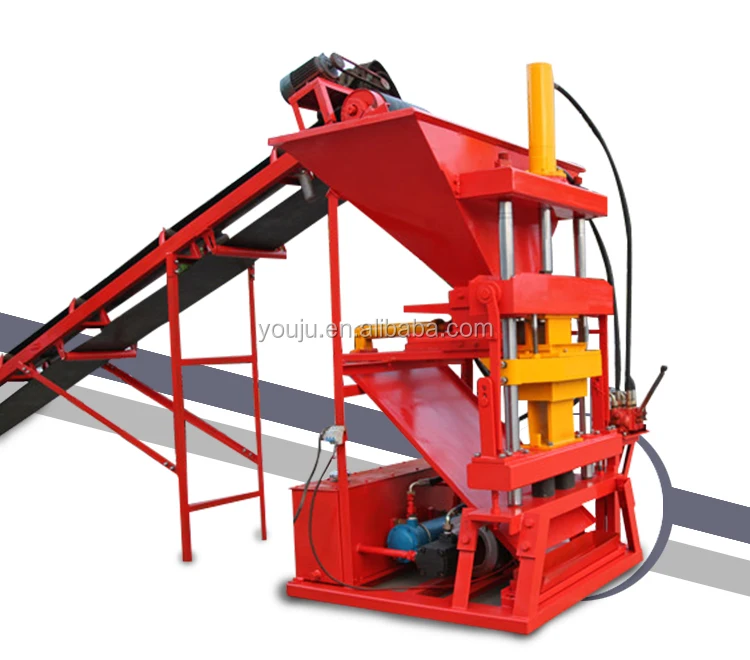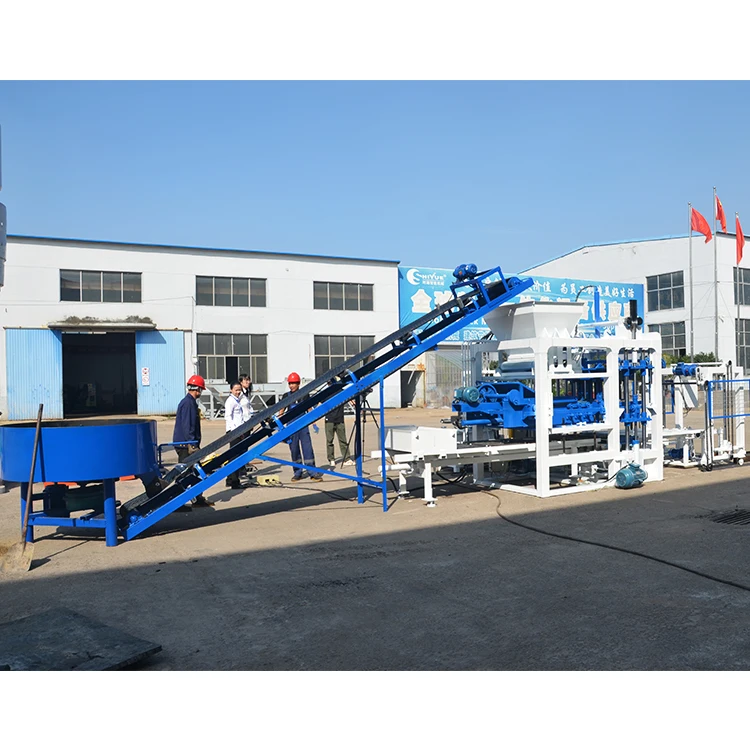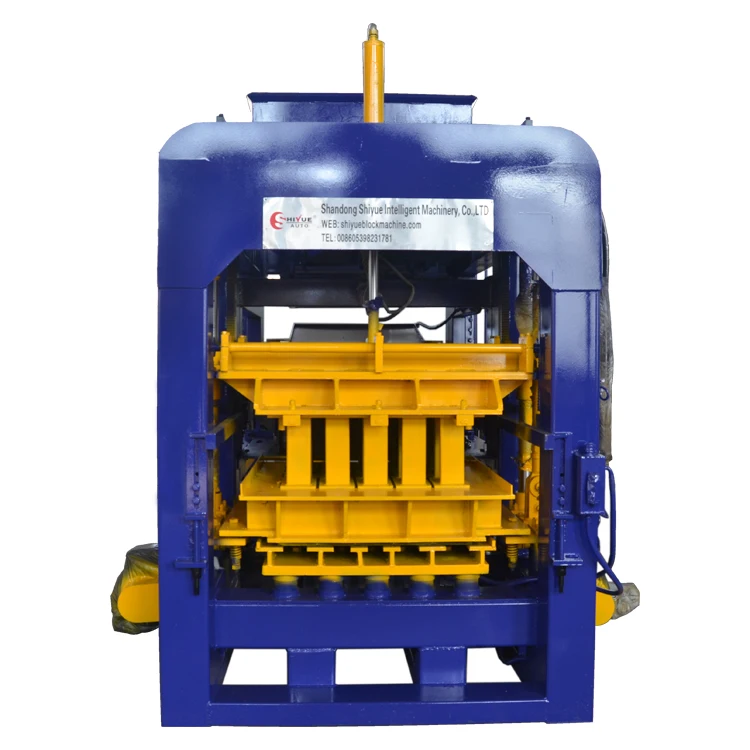


Description
Stocked Configuration — the QT8-15 ships with standard moulds and confirmed electricals so project-deadline buyers avoid the three-week transformer delay I once watched an African customer absorb when a rushed dispatch skipped the 440V/60Hz check.
Technical Specifications
| Parameter | Value |
|---|---|
| Model | QT8-15 |
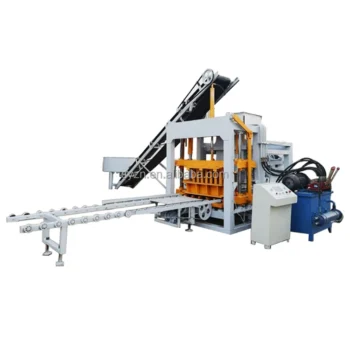
| Product Type | Automatic Concrete Block Making Machine |
| Overall Dimension | 830018603000mm |
| Rated Pressure | 21MPa |
| Main Vibration Form | Platform Vibration |
| Vibration Frequency | 2800-4500 r/min |
| Vibration Force | 45KN |
| Pallet Size | 950*900mm |
| Molding Cycle | 15-20s |
| Overall Power | 55.5kw |
| Demolding Method | Hydraulic |
| Total Mass | 8T |
| Factory Area | 300m2 |
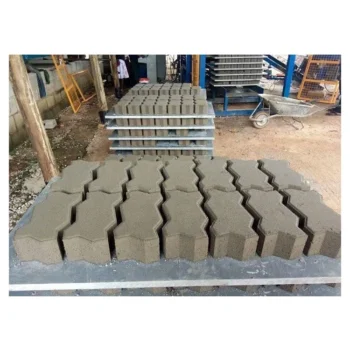
| Applied Products | Concrete blocks, hollow/solid blocks, pavers, interlocking blocks, curbstone, colored pavers |
| Raw Material | Crushed stone, sand, cement, dust, fly ash, gravel, slag |
| Output Capacity | Basis not stated in source — confirm block format / material / thickness |
| Container Loading | 1x40HQ (basic equipments) |
| Warranty | 1 year (excluding spare parts) |
| Key Features | PLC-controlled automatic cycling, hydraulic demolding, platform vibration system |
Application Suitability
| Application | Material or Output |
|---|---|
| Housing project contractors producing on site | Hollow and solid concrete blocks from locally sourced crushed stone, sand and cement |
| Paver supply for infrastructure tenders | Interlocking pavers and colored curbstone from fly ash, gravel and slag blends |
| Building material distributors restocking seasonal inventory | Standard hollow blocks and porous pavers across the 950×900mm pallet format |
| First plant entrepreneurs with committed curing area | Full block range supported by standard moulds shipped with the machine |
What "Cycles Per Hour" Leaves Out for the QT8-15 Automatic Block Machine in Stock
Real output only matches the quote when the cycle time is stated against the block format the buyer will actually sell.
I have seen buyers sign off on a QT8-15 automatic block machine in stock based on a headline cycle figure, then discover the 15–20s number applies to a thin paver and stretches considerably once a 200mm hollow block enters the press. Dispatch speed matters for project deadlines, but a fast shipment that arrives with the wrong mould or unconfirmed voltage costs more in idle weeks than waiting two extra days to lock the format table. [NEED_CITE: how block format and wall thickness change cycle time and daily output on automatic presses]
Dispatch Readiness That Survives the First Week On Site
Stocked machines leave the yard quickly, which is exactly why the electrical and control details deserve the most scrutiny before the crate closes. The QT8-15 automatic block machine in stock leaves our Linyi floor with voltage, frequency and PLC display language confirmed against the destination port, so the first week on site is spent curing blocks instead of waiting for a transformer or a translated HMI panel. I personally check the motor nameplate and control cabinet label against the buyer’s single-line diagram because a rushed dispatch that skips this step has cost customers more downtime than the production lead time would have.
Container Loading Without Re-Engineering on Arrival
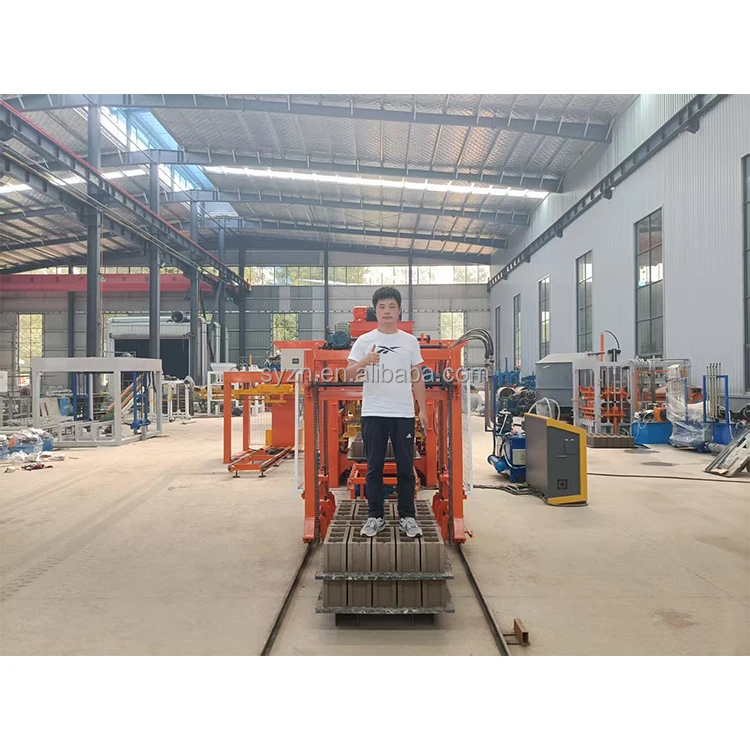
A machine that fits a container is not automatically a machine that reassembles cleanly at the destination. The QT8-15 is dismantled into modules sized for a single 1×40HQ, and the loading plan records which hydraulic hoses, sensor cables and pallet rails travel in which crate. [NEED_CITE: standard container loading practice for mid-tier automatic block machines and reassembly documentation requirements] That discipline means the buyer’s installation crew is reading a numbered reassembly sheet rather than guessing which proximity sensor feeds which PLC input after three days of sea humidity have blurred the chalk marks.
Why 21MPa and 45KN Matter for Your Block Strength
Hydraulic pressure and vibration force together determine how densely the mix packs into the mould cavity, and therefore the compressive strength the finished block delivers after curing. On the QT8-15, 21MPa rated pressure pushes the mix down while 45KN of platform vibration at 2800–4500 r/min works the fines into the voids between coarse aggregate, producing a hollow block dense enough for load-bearing walls and a paver dense enough for light traffic without changing the mix design. Drop either figure too low and the block crumbles at demolding; push vibration too high without matching hydraulic hold and the surface spalls. Pallet size also decides curing logistics — the 950×900mm pallet must match the rack spacing and forklift the buyer already has in the curing yard, not the one the catalogue happens to assume.
The Cost of Skipping the Pre-Dispatch Checklist
Rushing a stocked unit out the door without confirming voltage, PLC language and pallet compatibility turns a fast delivery into a slow commissioning. [NEED_CITE: common commissioning delays caused by unconfirmed electrical and control specifications on exported block machines] I have watched a QT-class machine sit idle for weeks because the buyer’s site ran 440V/60Hz and the dispatch paperwork assumed 380V/50Hz, and I have seen a pallet spec mismatch force a customer to hand-stack output while the correct racks shipped by air. Every skipped checkpoint converts the delivery speed advantage into on-site lost time that the project schedule cannot absorb.
Why Procurement Lands Here
Single-focus block machinery supply means the press, moulds, pallets and handling are specified as one matched system rather than assembled from separate quotations that later disagree on pallet size and cycle timing. Configuration is set against the buyer’s actual mix design and target block format, not a catalogue default, so the capacity calculation the buyer plans against is the capacity the machine delivers once the curing area is loaded. Moulds for the formats the buyer’s market actually sells — including custom drawings — ship in the same container, avoiding a second shipment and a second round of customs paperwork. Dispatch lead time and arrival estimate are quoted upfront so project schedules can be built around a date rather than a hope. Factory test records on the buyer’s block format accompany the machine, giving the site team a baseline to match during first-day production instead of a blank startup.
Documentation & Verification
- Factory test record on your block format before dispatch
- Voltage and PLC display language confirmation sheet signed off pre-shipment
- Packing photographs showing dismantling state and crate numbering
- Hydraulic and electrical schematic matching the as-shipped configuration
- CE declaration where applicable to destination market requirements
Installation, Commissioning & Support
- 300m2 factory area requirement confirmed against your site plan before loading
- 55.5kw overall power verified against your dedicated circuit and local voltage
- 1×40HQ dismantling state with numbered reassembly documentation included
- On-site commissioning with PLC language and control parameters set to your operators
- Mould change procedure training covering hydraulic demolding and format swap
- Wear parts and standard mould list provided for first reorder planning
What to Send With Your Inquiry
Share the block format your market sells, the daily volume your project schedule depends on, and the curing area and forklift you already have on site. Confirm your local voltage, frequency and the PLC display language your operators read, so the QT8-15 leaves Linyi with the electricals and controls locked rather than discovered on arrival. [NEED_CITE: information buyers should provide when ordering automatic block machines for export] Note any upstream batching equipment or downstream handling already in place so the line can be matched end to end.
Frequently Asked Questions
Q: Is the QT8-15 currently in stock or built to order?
A: The QT8-15 is held as a stocked model with standard moulds, so dispatch lead time is measured in days for pre-configuration and container loading rather than a full production cycle. Buyers on a project deadline receive a firm dispatch date and arrival estimate at quotation stage, not a window. Voltage, frequency and PLC language are confirmed before the crate closes.
Q: How is the machine dismantled for 1×40HQ loading?
A: The QT8-15 is broken into modules sized for a single 40-foot high-cube container, with hydraulic hoses, sensor cables and pallet rails packed in labelled crates that match the reassembly sheet. The loading plan is shared before dispatch so the buyer knows what arrives in which crate and in what order to offload at the destination yard.
Q: What arrival estimate do you quote at order stage?
A: Arrival time is quoted upfront based on the destination port and current sailing schedule at the moment the order is placed, so the buyer can build the project timeline around a calendar date. The estimate covers sea transit and typical port handling; inland haulage from port to site is the buyer’s scope unless otherwise agreed.
Q: Which moulds ship with the stocked machine?
A: The stocked QT8-15 ships with standard moulds matched to the block format the buyer confirms at inquiry — typically one hollow block and one paver format, with room in the same container for additional moulds ordered at the same time. Custom mould drawings are accepted and added to the load plan before dispatch.
Q: Are voltage and PLC language confirmed before dispatch?
A: Yes. Voltage, frequency and PLC display language are confirmed against the buyer’s site specification and signed off before the machine leaves the factory. This step was added to our pre-dispatch checklist after a past incident where an unconfirmed 380V/50Hz unit arrived at a 440V/60Hz site and sat idle waiting for a transformer.