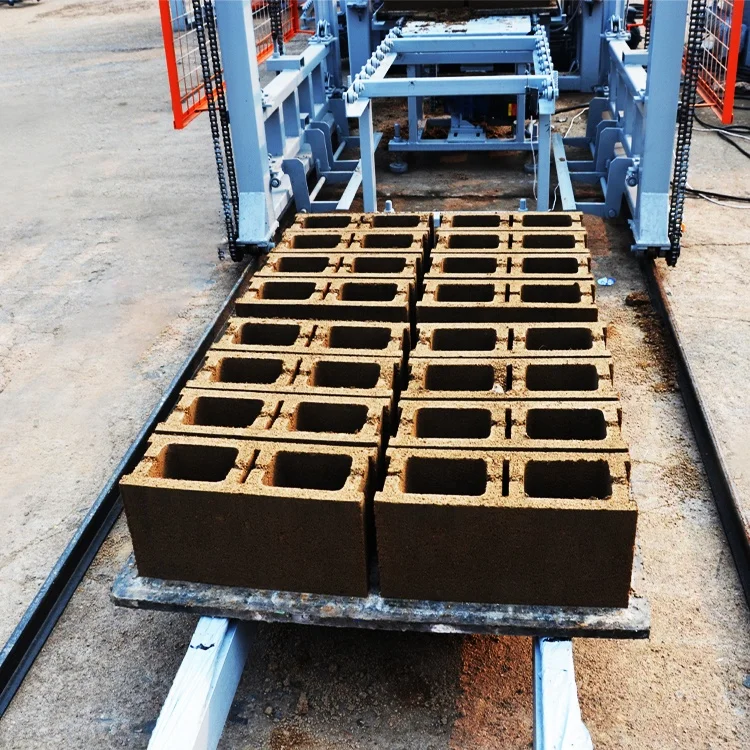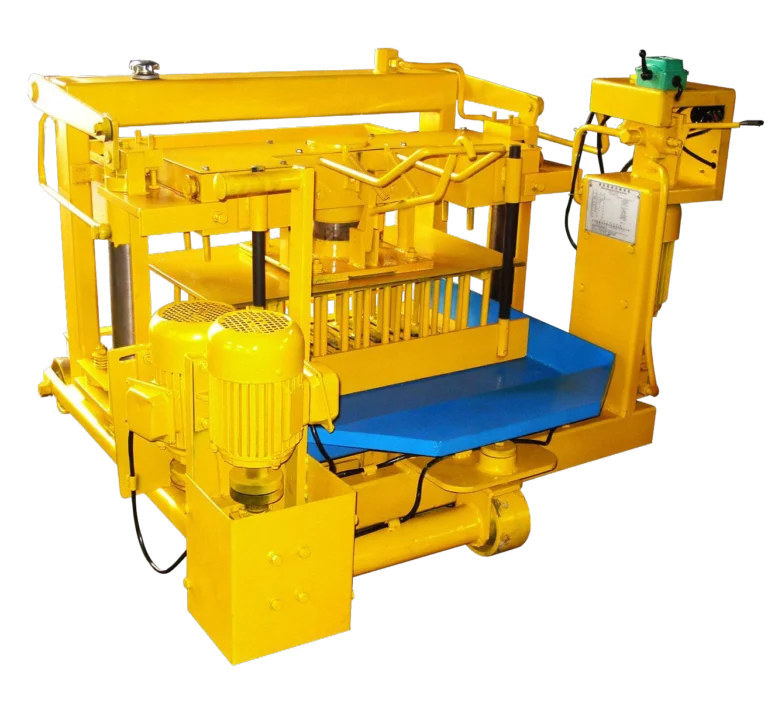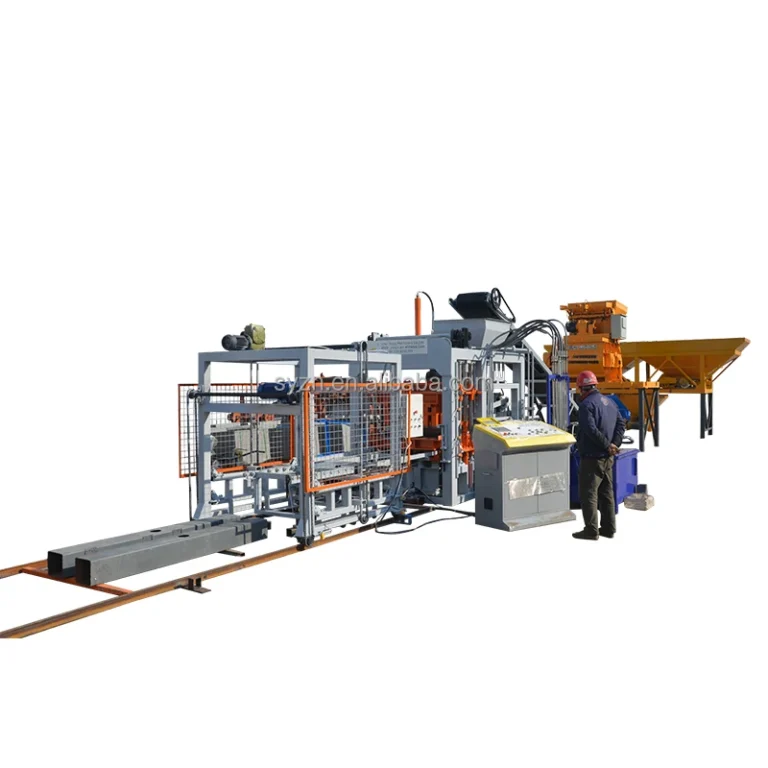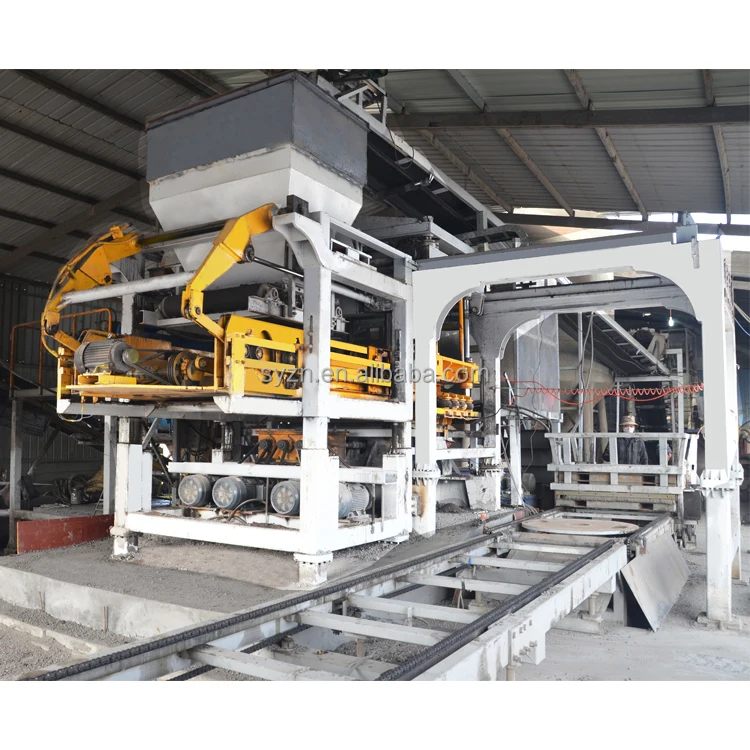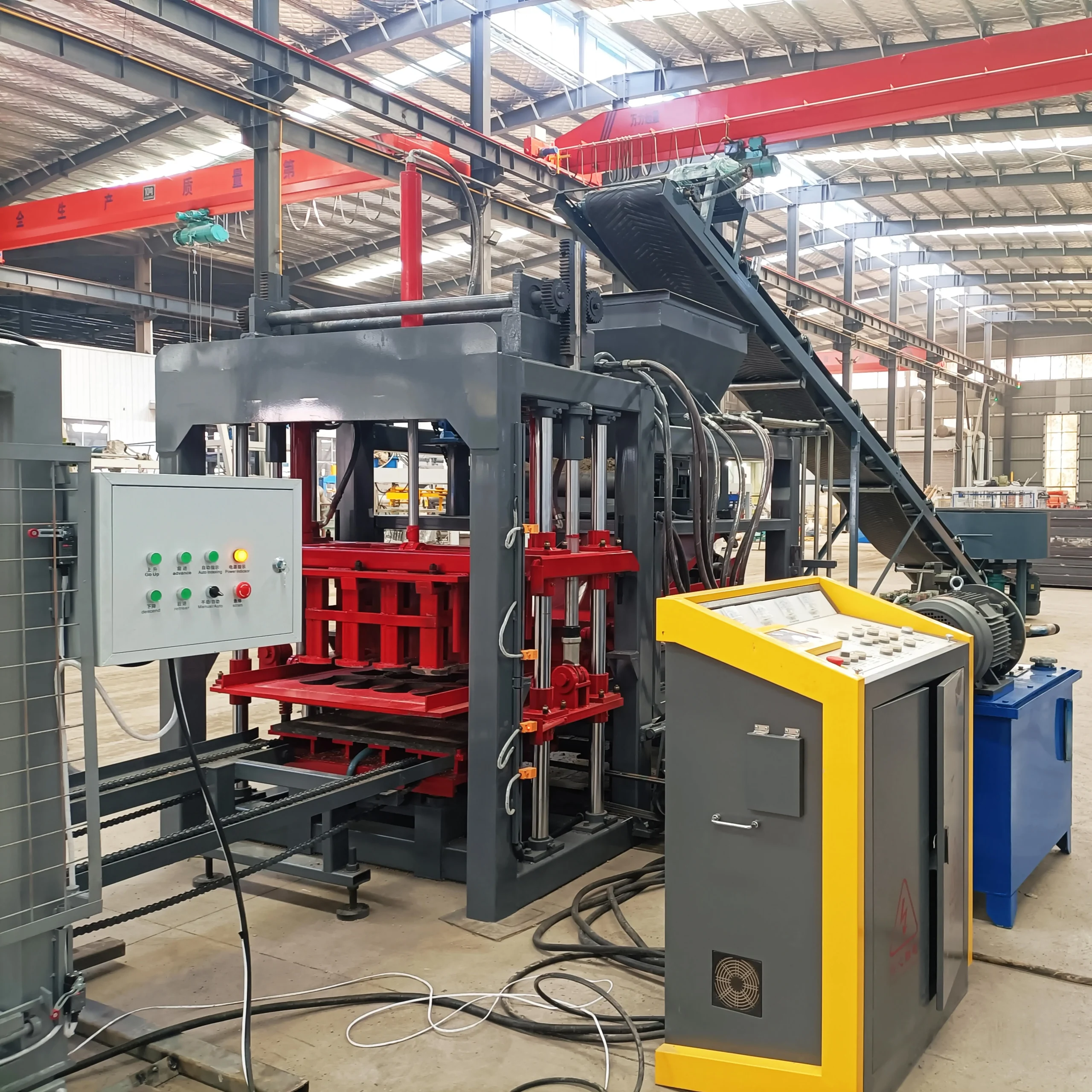


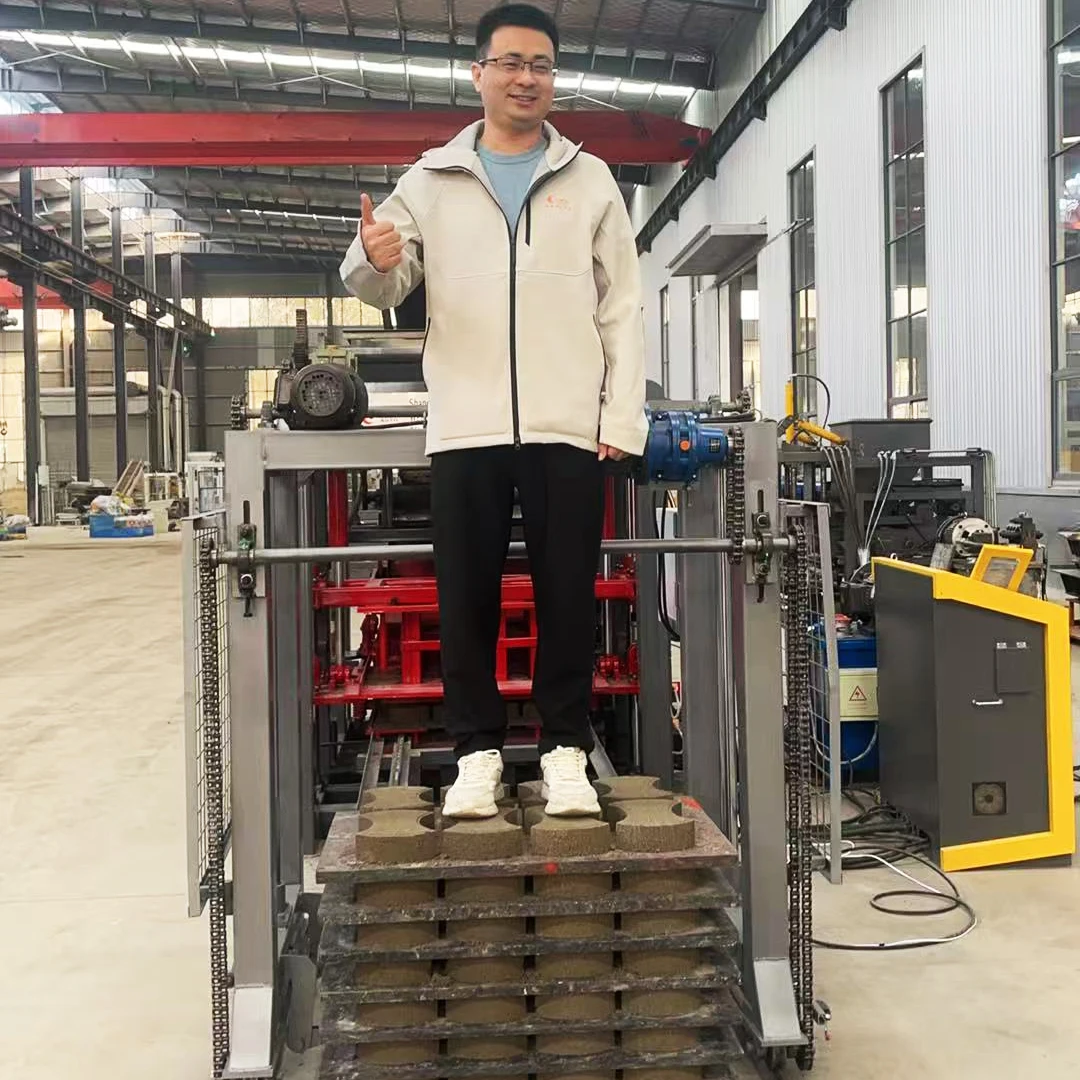


Description
Rapid dispatch readiness — the QT4-15A block machine in stock is container-loaded and prepared for immediate shipment, eliminating production lead times for buyers working to fixed project deadlines.
Technical Specifications
| Parameter | Value |
|---|---|
| Model | QT4-15A |
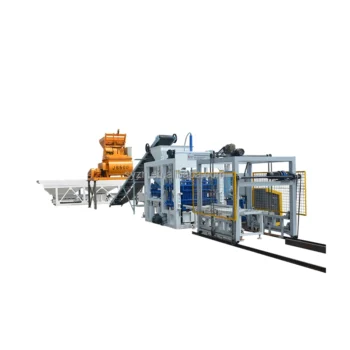
| Product Type | Fully Automatic Concrete Block Making Machine |
| Overall Dimensions | 4100×1600×2600 mm |
| Rated Pressure | 16-21 MPa |
| Main Vibration Form | Platform Vibration |
| Vibration Frequency | 4200 r/min |
| Vibration Force | 55 kN |
| Pallet Size | 880×550 mm |
| Molding Cycle | 25-30s (basis not stated in source — confirm block format / material / thickness) |
| Overall Power | 18.45 kW (source value — verify against manufacturer catalog) |
| Total Mass | 4T |
| Demolding Method | Hydraulic |
| Factory Area | 300 m² |
| Container Loading | 1×40HQ (basic equipment) |
| Warranty | 1 year |
Application Suitability
| Application | Material or Output |
|---|---|
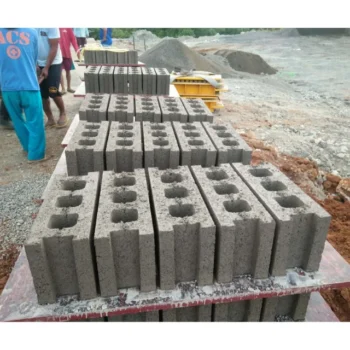
| Hollow Block Production | Crushed stone, sand, cement, fly ash |
| Solid Block Production | Gravel, slag, dust, cement |
| Paving Block Production | Colored concrete mixes, fine aggregates |
| Interlocking Block Production | Standard concrete mixes |
| Curbstone Production | High-density concrete mixes |
Why the Voltage Question Must Precede the Order for a QT4-15A Block Machine in Stock
Confirming local voltage and frequency before dispatch prevents multi-week commissioning delays at the job site.
I once oversaw the shipment of a fully automatic block machine to Southeast Asia where the site operated on a different voltage standard than the factory default. The machine sat idle for three weeks while electrical components were sourced and retrofitted locally. That delay cost the contractor an entire phase of their construction schedule [NEED_CITE: voltage and frequency standards by export market]. When you are importing a QT4-15A block machine in stock against a project deadline, electrical incompatibility is not a minor inconvenience — it halts the entire installation sequence and leaves crews waiting.
Dispatch Logistics and Container Loading
The QT4-15A fully automatic block machine ships in a single 40HQ container for the basic equipment configuration. The 4T total mass and 4100×1600×2600 mm overall dimensions allow for straightforward dismantling and securing inside the container. Buyers receive packing photographs before the container is sealed, providing a clear record of how each major assembly is braced for ocean transit. Fast delivery of a block machine depends heavily on this loading preparation — poorly secured hydraulic manifolds or vibration motors can shift and sustain damage that only becomes apparent during on-site commissioning.
Arrival Timing and Project Schedule Alignment
Contractors working to fixed construction seasons or housing project milestones cannot absorb typical multi-week production lead times. The availability of the QT4-15A block machine in stock means the equipment is built, factory-tested, and ready for container loading once payment terms are settled. For building material distributors importing standard machines for quick market availability, this eliminates the uncertainty of production queue delays [NEED_CITE: international shipping lead time variables]. The dispatch lead time after payment confirmation should be confirmed at inquiry, but the stock status itself removes the largest variable from the procurement timeline.
Matching Specifications to Your Production Reality
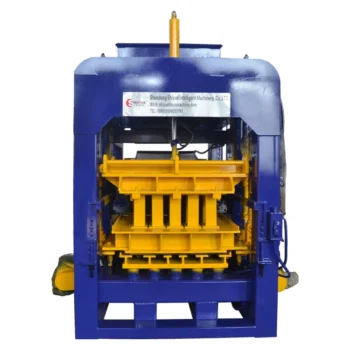
The QT4-15A operates with a hydraulic demolding system rated at 16-21 MPa, working in conjunction with platform vibration at 4200 r/min and 55 kN vibration force to compact the concrete mix into the mould cavity. This combination of hydraulic pressure and vibration determines the density and compressive strength of the finished block. If your local aggregate is coarser or your mix design uses a higher proportion of fly ash, the pressure and vibration settings must be appropriate for that specific material profile — a machine configured for fine sand will not produce consistent blocks with gravel-heavy mixes.
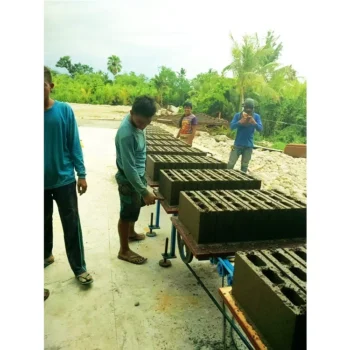
The 880×550 mm pallet size is a fixed parameter that must be evaluated against your existing curing area dimensions and the forklift capacity already on site. Pallets that do not match your curing racks or handling equipment create bottlenecks downstream of the press, leaving freshly moulded blocks waiting for manual transport. The pallet material — whether wood, bamboo, or PVC — also affects both block surface finish and pallet lifespan under your local climate conditions.
The 25-30s molding cycle is stated without a specific block format basis, which means realistic daily output will vary significantly depending on whether you are producing standard hollow blocks, smaller solid blocks, or thicker pavers. Capacity calculations for your business plan must be built around the specific block format your market demands, not a generic cycle time figure.
When Specification Details Get Overlooked
Buyers who focus solely on machine price and availability sometimes overlook the downstream consequences of unconfirmed specifications. Pallet handling, stacking, and curing equipment may not be included in a basic quotation, meaning output must be moved and stacked by hand until those systems are added separately. Mould change time on the QT4-15A is not specified in the source documentation, so buyers expecting rapid format switching should verify this before committing — a mould change that consumes most of a shift eliminates the format flexibility the machine was purchased to provide [NEED_CITE: mould change time impact on daily output flexibility].
Why Procurement Through This Channel Works
Block machinery is the single focus of this operation, which means the QT4-15A press, its moulds, pallets, and supporting handling equipment are specified as a matched system rather than assembled from separate suppliers. The machine configuration is set against your actual mix design, local aggregate characteristics, and target block format instead of defaulting to a catalogue standard. Custom mould design is available to buyer drawings, so the formats your market actually sells can be produced from the first day of operation. The automation level is selectable — a buyer can start with semi-automatic pallet handling and upgrade to fully automatic stacking and cubing as production volume grows.
Documentation & Verification
- Factory test record run on your specified block format before dispatch
- Machine specification sheet with voltage and control language confirmed per destination
- Mould drawing and format list for every mould included in the container
- Hydraulic and electrical schematic for local maintenance teams
- Operation and maintenance manual in the agreed display language
- Packing photographs documenting container loading and bracing
Installation, Commissioning & Support
- Foundation must accommodate 4100×1600 mm footprint and 4T operating mass
- Dedicated electrical circuit required matching confirmed voltage and frequency
- Machine arrives dismantled for 40HQ loading — on-site reassembly and alignment required
- Hydraulic system pressure verified against 16-21 MPa range during commissioning
- Operator training covers mould change procedure and PLC interface navigation
- Wear parts list and mould maintenance schedule provided at handover
Preparing Your Inquiry
To ensure the QT4-15A fully automatic block machine arrives configured for your site, please provide your target block format with dimensions, your local raw material types and typical mix proportions, the voltage and frequency standard at your facility, and your preferred PLC display language. If you have existing curing racks or forklifts, include their specifications so pallet size and material can be matched. Specify which moulds you need included in the initial container loading and whether additional formats will be required later.
Frequently Asked Questions
Q: What block format is the 25-30s molding cycle based on, and what is realistic daily output per format?
A: The source documentation states the molding cycle without specifying which block format it assumes. Realistic daily output depends on the block dimensions, mix design, and pallet configuration you will use. We recommend confirming your primary block format at inquiry so a capacity calculation specific to that format can be provided alongside the quotation.
Q: Is the QT4-15A currently in stock, and what is the dispatch lead time after payment?
A: Stock status and dispatch timing should be confirmed at the time of inquiry, as availability changes with order volume. The machine is configured for fast container loading in a single 40HQ once payment terms are met and voltage specifications are verified.
Q: What voltage and frequency is the machine wired for, and can it be changed before shipment?
A: Voltage and frequency must be confirmed to match your site electrical supply before the machine leaves the factory. Changing electrical components after arrival causes commissioning delays, so this specification is locked in during the order confirmation stage to ensure the machine powers on immediately upon installation.
Q: Which moulds are included in the 1×40HQ container, and are additional moulds available?
A: The standard container loading covers the basic QT4-15A equipment. Specific mould inclusions depend on the configuration agreed at inquiry. Custom moulds based on buyer drawings are available, and additional formats can be ordered for inclusion in the same shipment or dispatched separately as needed.
Q: What raw materials and mix proportions has this machine been tested with?
A: The QT4-15A is designed to process crushed stone, sand, cement, dust, fly ash, gravel, and slag. The machine configuration should be matched to your local aggregate characteristics and mix design rather than a generic default, so providing your material profile at inquiry ensures the vibration force and hydraulic pressure are appropriate for your production.