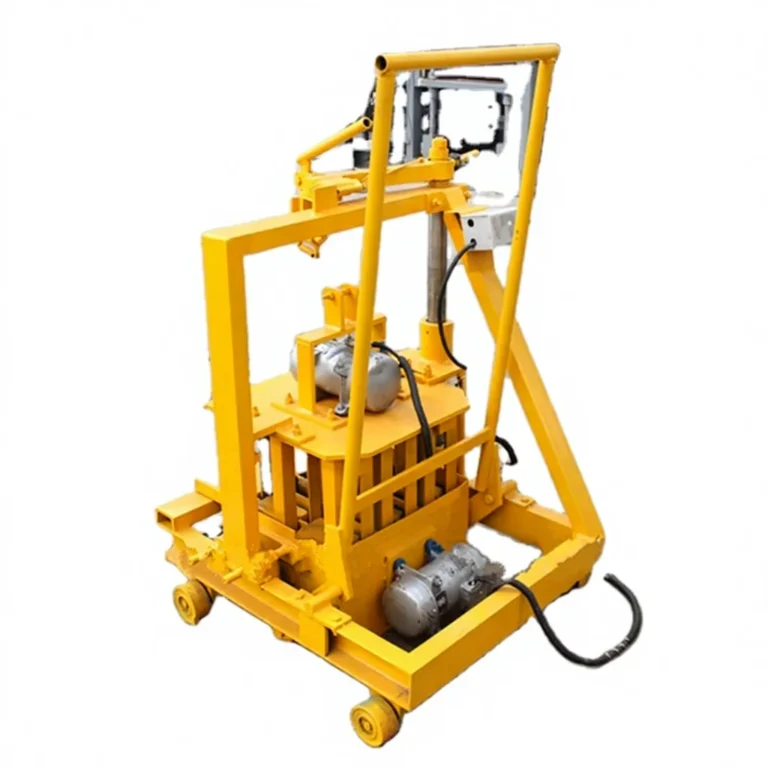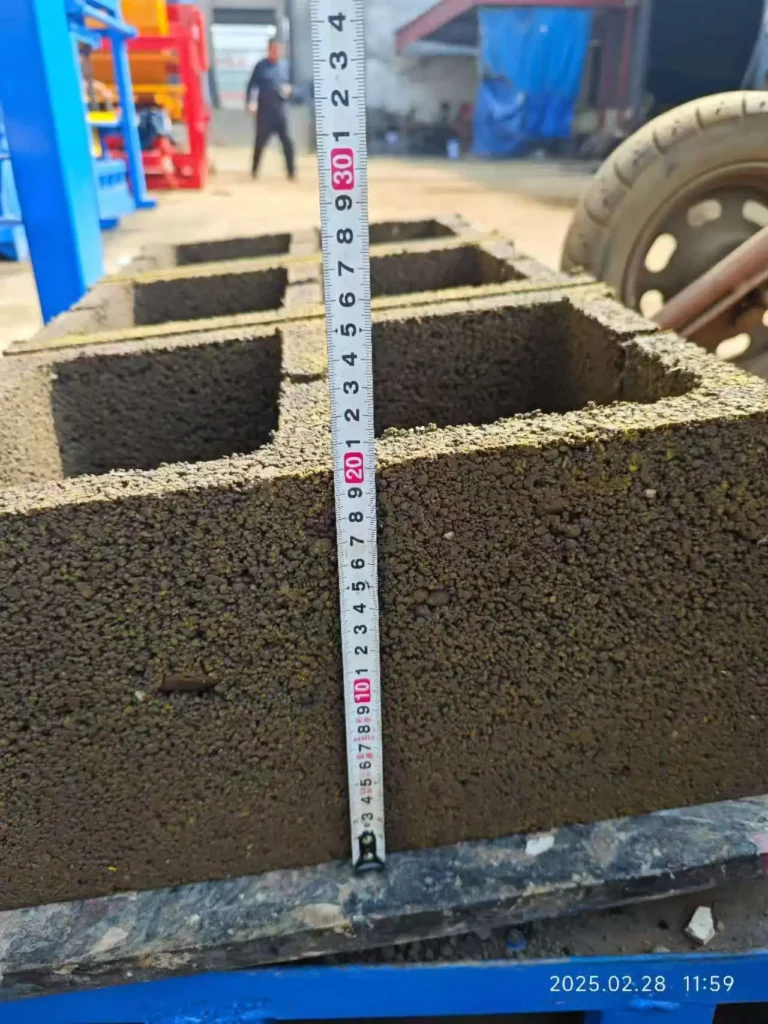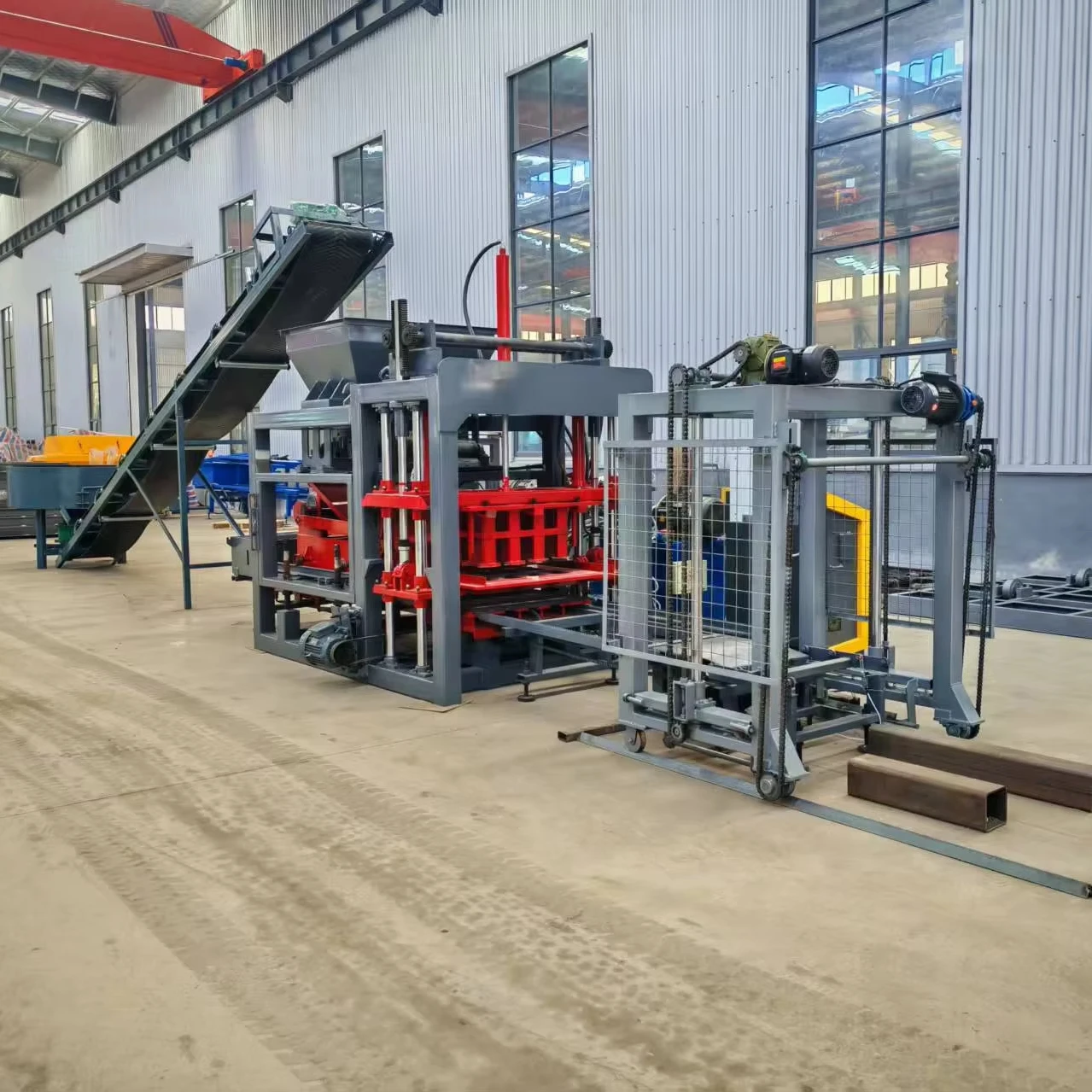
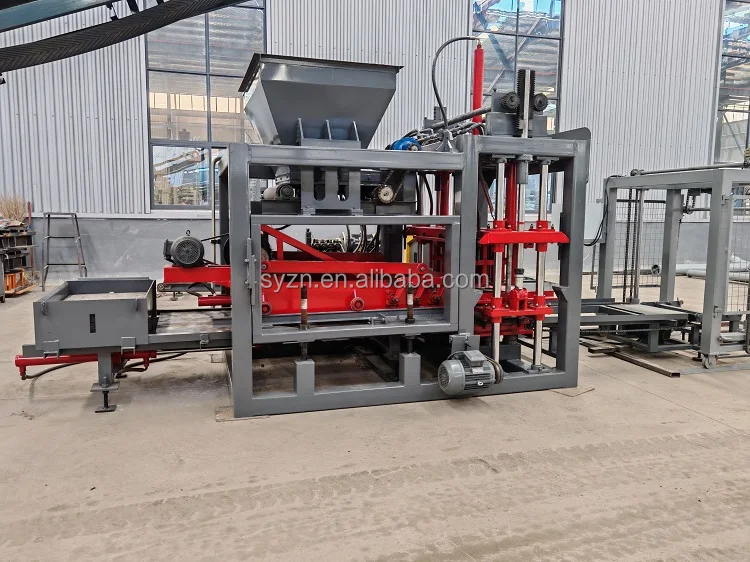
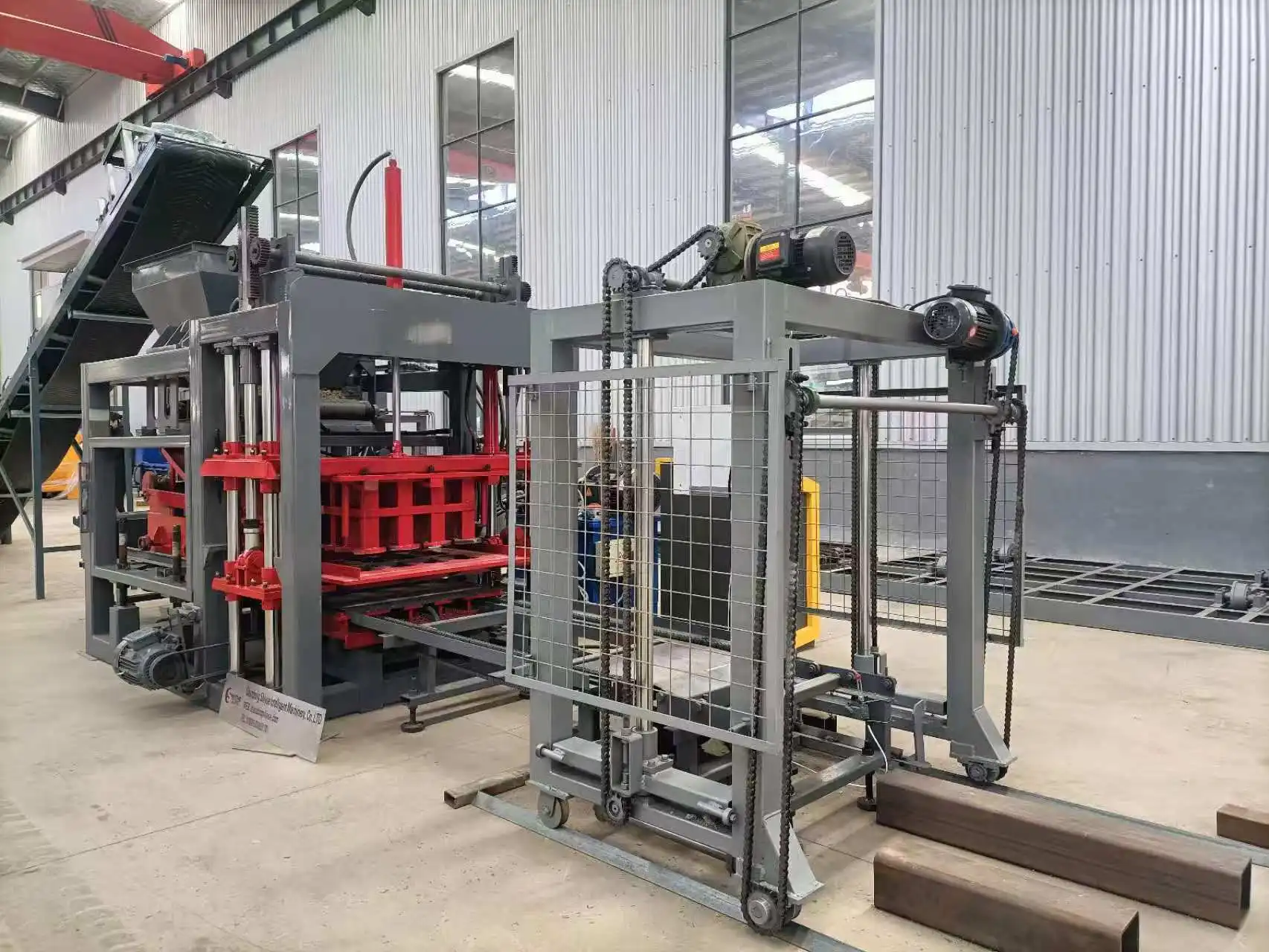
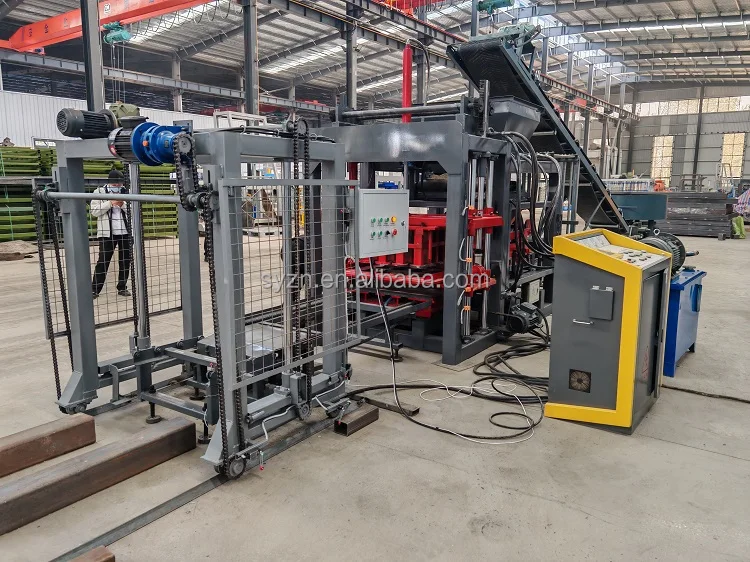
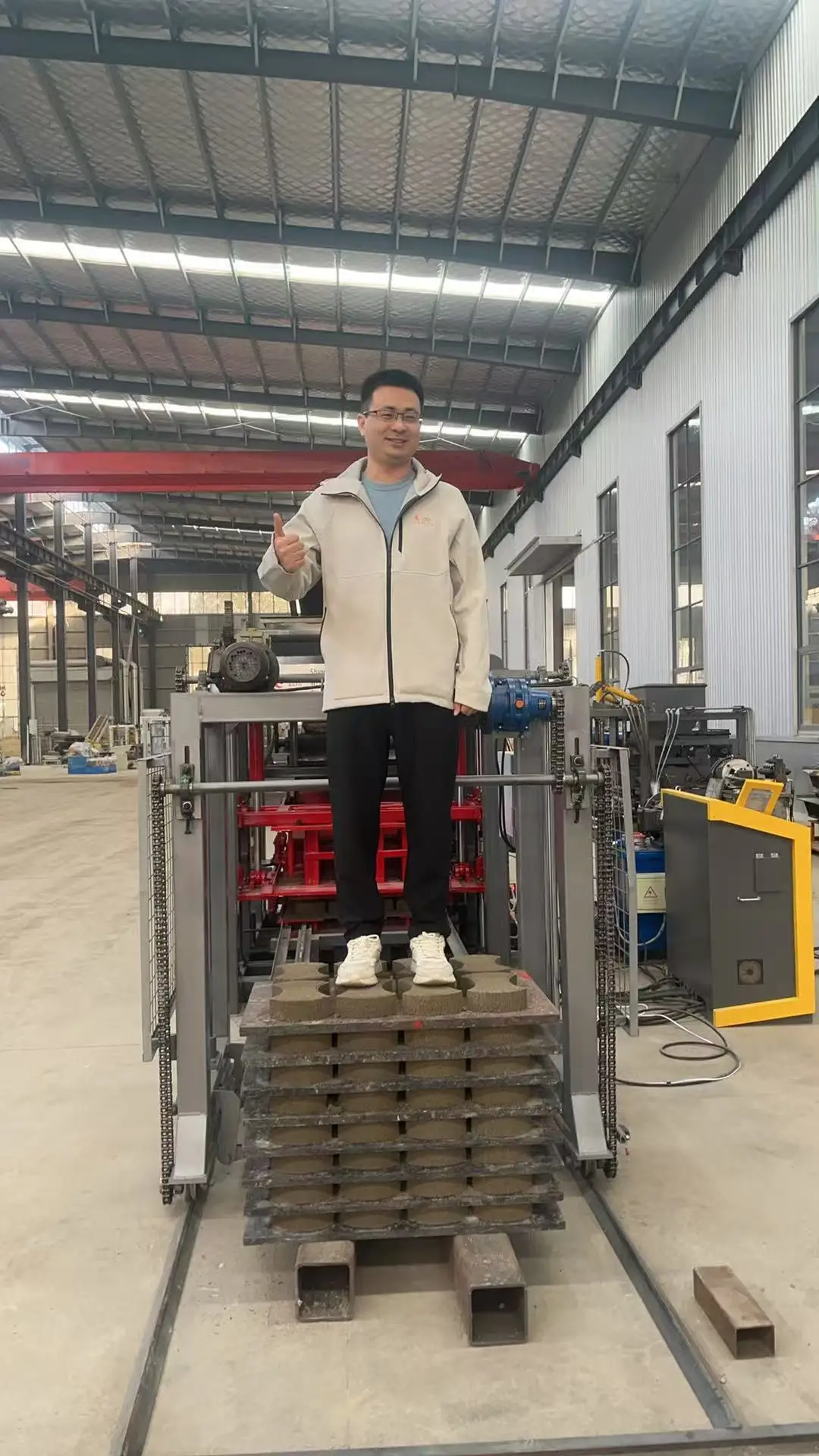
Description
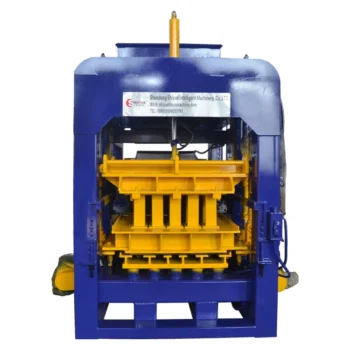
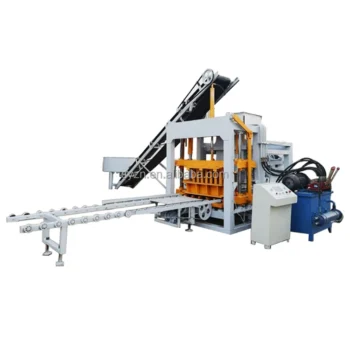
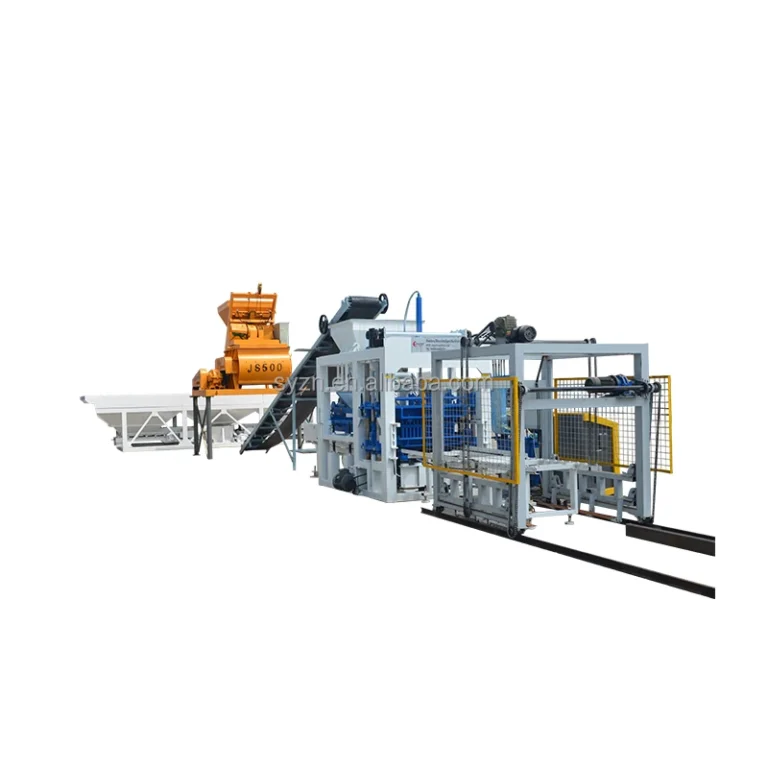
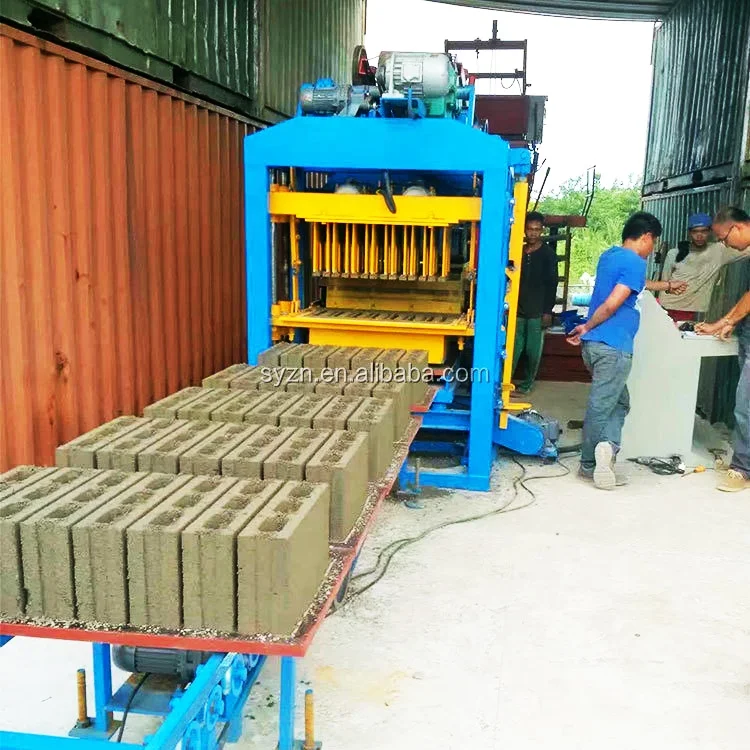
Stocked for Fast Dispatch — the QT4-18 block machine ships as a complete matched system with pallets, moulds and handling equipment confirmed before it leaves the factory.
Technical Specifications
| Parameter | Value |
|---|---|
| Model | QT4-18 |
| Product Type | Hydraulic Concrete Block Making Machine |
| Overall Dimensions (L×W×H) | 3900×1600×2300 mm |
| Total Weight | 3 T |
| Rated Power | 24 kW |
| Control System | Hydraulic station with PLC |
| Vibration Force | 40–50 kN |
| Molding Cycle | 15–25 s |
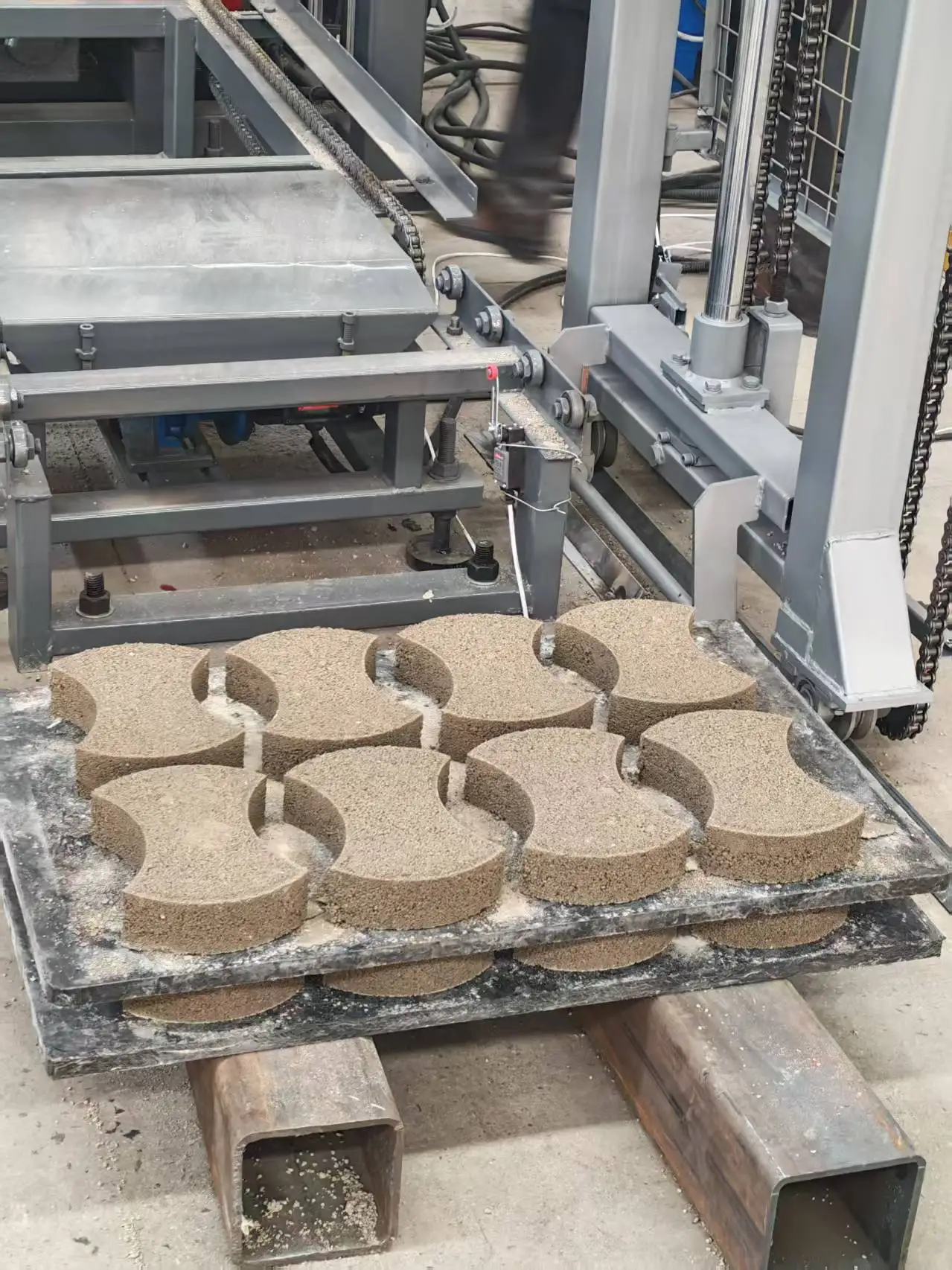
| Pallet Size | 850×550×25 mm |
| Mixer Model (Included) | JQ350 |
| Applied Products | Paver, solid block, hollow block, curbstone |
| Raw Materials | Crushed stone, sand, cement, dust, fly ash |
| Output (400×200×200 mm hollow block) | 1200–1680 pcs/hr (basis: 15–20 s cycle) |
| Output (400×150×200 mm hollow block) | 1800–2400 pcs/hr (basis: 15–20 s cycle) |
| Output (240×115×53 mm solid brick) | 3240 pcs/hr (basis: 15–20 s cycle) |
| Daily Output 8 hr (400×200×200 mm) | 9600–13440 pcs |
| Daily Output 8 hr (400×150×200 mm) | 14400–19200 pcs |
| Daily Output 8 hr (240×115×53 mm) | 16200–19440 pcs |
| Automation Level | Semi-automatic |
| Assembly State | Nude packing, shipped in 20GP container |
| Standards | CE (where applicable) |
Application Suitability
| Application | Material or Output |
|---|---|
| On-site block production for contractors | Hollow blocks from crushed stone and cement |
| Building material distributors stocking standard formats | Solid bricks and pavers from sand and fly ash |
| First block plant for entrepreneurs | Kerbstones and interlocking pavers using local aggregate |
| Concrete product manufacturers adding formats | Curbs and porous bricks from mixed aggregate and dust |
Why "Pieces per Hour" Without Format Detail Is a Red Flag
Capacity is meaningless unless the block format and cycle time are stated alongside the number.
When a quotation lists only a cycles-per-hour figure, buyers often discover after arrival that the actual daily output for the block they intend to sell falls far short of the projected volume. The QT4-18 block machine in stock avoids this by publishing output against three standard block formats with the assumed cycle time written in the same row. This lets a contractor working to a project deadline match the machine to real daily requirements rather than guessing. I have seen sites where the press arrived and the output for the local block format was barely half what the buyer budgeted for, because the quoted figure assumed a smaller brick the buyer never planned to produce. [NEED_CITE:]
Dispatch Timing and Container Loading
Speed of arrival is the reason buyers look at the QT4-18 block machine in stock. Standard models are held in the yard so that once the pallet size, mould list and voltage are confirmed, the machine can be dismantled and loaded into a 20GP container without waiting for a production slot. Nude packing keeps the footprint tight, and supporting equipment such as the JQ350 mixer and pallets ride in the same container.
What Must Be Confirmed Before the Container Closes
Voltage, frequency and PLC display language are the three items that cause the longest delays after arrival if they are not settled before shipment. A QT4-18 block machine in stock dispatched to a site with a different voltage standard or an unreadable PLC menu sits idle while components are sourced or reprogrammed. Confirming these against the buyer’s site supply and operator language before the container is sealed removes the most common commissioning hold-ups. [NEED_CITE:]
Vibration, Pressure and Mould Cycle Explained
The 40–50 kN vibration force works together with the hydraulic pressure to compact the mix into the mould cavity; vibration settles the aggregate while pressure closes voids, and the two must be balanced against the buyer’s mix design. A 15–25 second molding cycle is short enough to keep daily volume in the range stated for each format, yet allows sufficient vibration time for denser mixes using fly ash or fine dust. The 850×550×25 mm pallet size determines how many blocks are formed per cycle and must match the curing area rack spacing and the forklift fork width the buyer already has on site. Choosing a pallet material that warps under local humidity would shift the mould alignment over successive shifts and introduce dimensional drift in the finished block.
The Cost of Skipping the Spare Parts List
Buyers who accept a quotation without checking the hydraulic wear parts and mould list often run into trouble during the first replacement cycle. When a seal fails and no spare is on site, the press sits idle for weeks while the part is shipped from the factory. I once saw a block plant in East Africa shut down for over twenty days because the hydraulic seal kit had not been included in the original shipment, and an entire curing rack of blocks had to be scrapped when the line could not resume before the concrete set green. [NEED_CITE:]
Why Source the QT4-18 Here
Block machinery is the single focus of the factory, so the QT4-18 is specified as a matched system of press, mould, pallet and handling rather than assembled from unrelated suppliers. Configuration is set against the buyer’s actual mix design and target block format, not a catalogue default. Moulds are designed and supplied for the formats the buyer’s market sells, with custom drawings available. The automation level is selectable, allowing a buyer to start semi-automatic and upgrade later. Installation support includes on-site commissioning and operator training. [NEED_CITE:]
Documentation & Verification
- Factory test record run on buyer’s target block format before dispatch
- Machine specification sheet with voltage and PLC language confirmed
- Mould drawing and format list matching the quotation
- Hydraulic and electrical schematic for local maintenance teams
- Packing photographs taken at container loading
Installation, Commissioning & Support
- Foundation pad sized to the 3900×1600 mm footprint with anchor bolt layout provided
- Dedicated circuit rated for the 24 kW total load at confirmed voltage and frequency
- Semi-automatic operation walk-through with first-shift parameter adjustment on site
- Operator training covering mould change, PLC menu navigation and daily greasing points
- Wear parts and hydraulic seal list included in the container to cover first replacement
What to Include in Your Inquiry
Provide the block format you intend to produce, the daily volume your project requires, and the aggregate and cement available locally so the mix can be matched to the machine. Confirm your site voltage, frequency and the language your operators read on a PLC screen. State whether you already have pallets and curing racks so the pallet size and stacker configuration can be aligned to your existing setup.
Frequently Asked Questions
Q: How is the dispatch lead time for the QT4-18 confirmed?
A: Once the buyer confirms pallet size, mould list, voltage and PLC language, the stocked QT4-18 is scheduled for dismantling and container loading. Dispatch timing is quoted upfront before payment, so the buyer can align it with the project deadline.
Q: Which block format do the capacity figures correspond to?
A: Each capacity row states the exact block dimension and the cycle time assumed. To estimate output for a different format, the buyer provides the target dimension and the factory returns a revised cycle calculation based on the mould cavity count and vibration time required.
Q: Can the host machine and pallets fit in one 20GP container?
A: The QT4-18 is shipped nude-packed in a 20GP container together with the JQ350 mixer and a standard pallet stack. The exact pallet count depends on the material and thickness selected, and the loading plan is confirmed with the buyer before booking.
Q: What happens if voltage or PLC language does not match on arrival?
A: Voltage, frequency and PLC display language are confirmed in writing before the machine leaves the factory. If a mismatch is discovered after arrival, the electrical components must be replaced or the PLC reprogrammed locally, which delays commissioning.
Q: Where do replacement moulds and hydraulic wear parts come from?
A: A wear parts list and mould list ship with the QT4-18 in the same container. Subsequent replacements are ordered directly from the factory, with drawings held on file so repeat orders match the original specification.